
Reasons to See a Podiatrist

Podiatrists are specialized healthcare professionals who focus on the diagnosis, treatment, and prevention of foot and ankle disorders. There are various compelling reasons to schedule a visit to a podiatrist. First, persistent foot or ankle pain should not be ignored, as it can be an indicator of an underlying issue. Podiatrists are experts in identifying and addressing the source of your discomfort. They can diagnose conditions such as plantar fasciitis, bunions, or heel spurs, and develop personalized treatment plans. If you are experiencing mobility issues, a podiatrist can help. They can provide custom orthotics or recommend appropriate footwear to improve your gait and balance. Diabetes can take a toll on the feet, leading to complications like neuropathy and ulcers. Regular check-ups with a podiatrist are essential for early detection and preventative care. In short, consulting a podiatrist is beneficial for anyone seeking to maintain their overall foot health, in addition to alleviating foot pain. It is suggested that you visit a podiatrist if you are interested in learning more about the field of podiatry. 

If you are dealing with pain in your feet and ankles, you may want to seek help from a podiatrist. Feel free to contact Kevin Powers, DPM from The Center for Lower Extremity Nerve Surgery. Our doctor can provide the care you need to keep you pain-free and on your feet.

What Is a Podiatrist?

A podiatrist is a doctor of podiatric medicine who diagnoses and treats conditions of the foot, ankle, and related structures of the leg. Your podiatrist may specialize in a certain field such as sports medicine, wound care, pediatrics, and diabetic care. Podiatrists have the ability to become board certified through training, clinical experience, and then taking an exam.

What Do Podiatrists Do?

On a daily basis, a podiatrist may perform the following activities:

  • Diagnose foot ailments such as ulcers, tumors, fractures, etc.
  • Use innovative methods to treat conditions
  • Use corrective orthotics, casts, and strappings to correct deformities
  • Correct walking patterns and balance
  • Provide individual consultations to patients

It is very important that you take care of your feet. It’s easy to take having healthy feet for granted, however foot problems tend to be among the most common health conditions. Podiatrists can help diagnose and treat a variety of feet related conditions, so it is crucial that you visit one if you need assistance.

If you have any questions, please feel free to contact our offices located in Indianapolis and Bloomington, IN . We offer the newest diagnostic and treatment technologies for all your foot care needs.
Read more about What is a Podiatrist?

Athlete's Foot Is a Common Fungal Infection

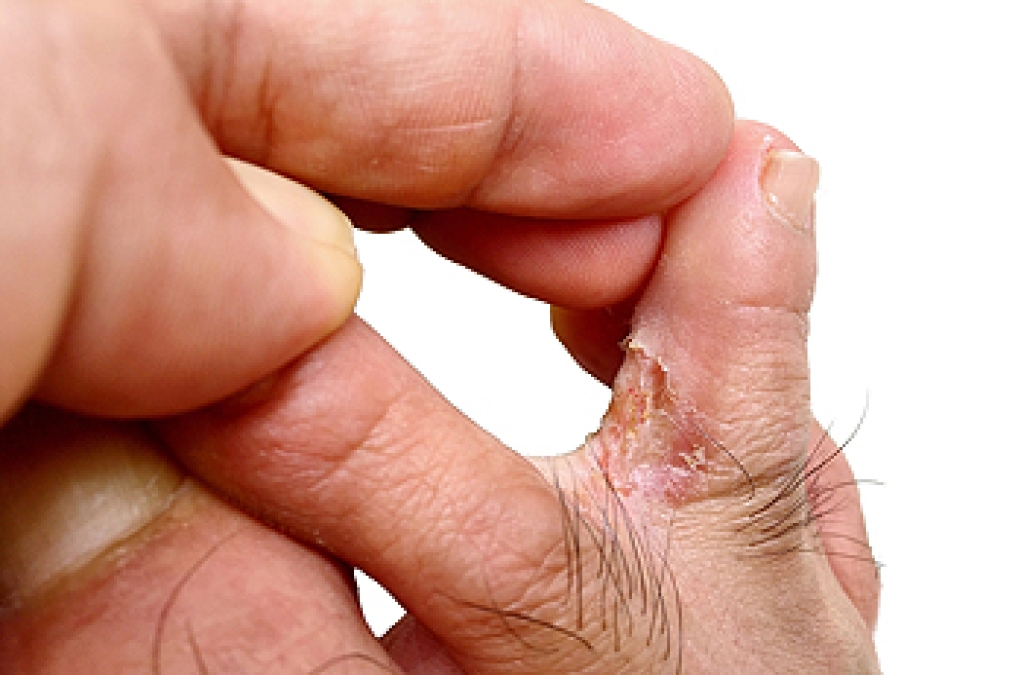
Athlete's foot, medically known as tinea pedis, is a prevalent fungal infection that affects the skin on the feet, often between the toes. This condition can strike anyone, not just athletes, and is primarily caused by dermatophyte fungi. Athlete's foot thrives in warm, moist environments, making it a common occurrence in areas like locker rooms, swimming pools, and shared showers. The symptoms of athlete's foot typically include itching, burning, and stinging sensations on the affected skin. As the infection progresses, it may lead to peeling, redness, and the development of blisters or cracked skin. In severe cases, the condition can spread to other parts of the foot, including the toenails. Fortunately, athlete's foot is usually easily treatable by visiting a podiatrist who can offer you prescribed medication for relief. If you have developed athlete’s foot, it is suggested that you schedule an appointment with this type of doctor who can guide you toward effective prevention methods.

Athlete’s foot is an inconvenient condition that can be easily reduced with the proper treatment. If you have any concerns about your feet and ankles, contact Kevin Powers, DPM from The Center for Lower Extremity Nerve Surgery.  Our doctor will treat your foot and ankle needs.

Athlete’s Foot: The Sole Story

Athlete's foot, also known as tinea pedis, can be an extremely contagious foot infection. It is commonly contracted in public changing areas and bathrooms, dormitory style living quarters, around locker rooms and public swimming pools, or anywhere your feet often come into contact with other people.

Solutions to Combat Athlete’s Foot

  • Hydrate your feet by using lotion
  • Exfoliate
  • Buff off nails
  • Use of anti-fungal products
  • Examine your feet and visit your doctor if any suspicious blisters or cuts develop

Athlete’s foot can cause many irritating symptoms such as dry and flaking skin, itching, and redness. Some more severe symptoms can include bleeding and cracked skin, intense itching and burning, and even pain when walking. In the worst cases, Athlete’s foot can cause blistering as well. Speak to your podiatrist for a better understanding of the different causes of Athlete’s foot, as well as help in determining which treatment options are best for you.

If you have any questions please feel free to contact our offices located in Indianapolis and Bloomington, IN . We offer the newest diagnostic and treatment technologies for all your foot and ankle needs.

Read more about How to Deal with Athlete's Foot

Pickleball Foot and Common Foot Injuries

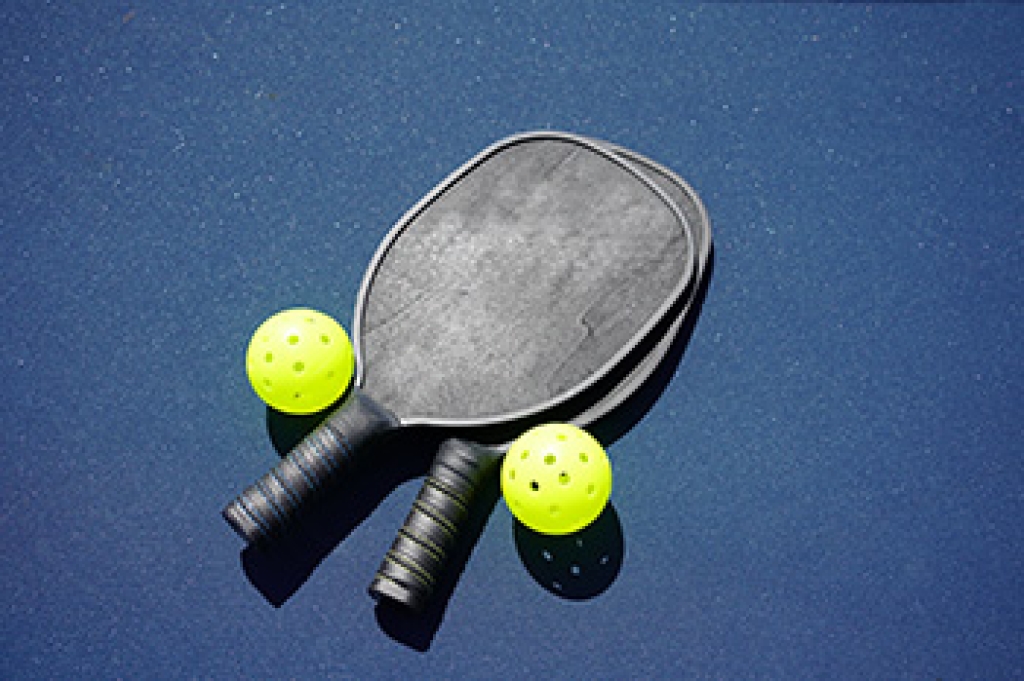
Pickleball, a fast-growing racquet sport, is loved for its accessibility and friendly competition. However, the rapid lateral movements and frequent stops and starts can take a toll on your feet, leading to a variety of injuries. Ankle sprains are perhaps the most common, often resulting from quick direction changes or missteps. Plantar fasciitis, characterized by heel pain, can arise due to the constant motion and stress on the arches. Overuse injuries, such as tendinitis, are also prevalent, typically affecting the Achilles tendon or the tendons in the foot. Wearing improper footwear, especially shoes without adequate arch support or cushioning, can exacerbate these problems. To enjoy pickleball safely, it is vital to prioritize injury prevention, which can range from Investing in quality court shoes and practicing proper warm-ups. If you are interested in pursuing pickleball, prior to playing, it is suggested that you speak with a podiatrist, who can advise you on additional injury prevention strategies.

Sports related foot and ankle injuries require proper treatment before players can go back to their regular routines. For more information, contact Kevin Powers, DPM of The Center for Lower Extremity Nerve Surgery. Our doctor can provide the care you need to keep you pain-free and on your feet.

Sports Related Foot and Ankle Injuries

Foot and ankle injuries are a common occurrence when it comes to athletes of any sport. While many athletes dismiss the initial aches and pains, the truth is that ignoring potential foot and ankle injuries can lead to serious problems. As athletes continue to place pressure and strain the area further, a mild injury can turn into something as serious as a rupture and may lead to a permanent disability. There are many factors that contribute to sports related foot and ankle injuries, which include failure to warm up properly, not providing support or wearing bad footwear. Common injuries and conditions athletes face, including:

  • Plantar Fasciitis
  • Achilles Tendinitis
  • Achilles Tendon Rupture
  • Ankle Sprains

Sports related injuries are commonly treated using the RICE method. This includes rest, applying ice to the injured area, compression and elevating the ankle. More serious sprains and injuries may require surgery, which could include arthroscopic and reconstructive surgery. Rehabilitation and therapy may also be required in order to get any recovering athlete to become fully functional again. Any unusual aches and pains an athlete sustains must be evaluated by a licensed, reputable medical professional.

If you have any questions please contact our offices located in Indianapolis and Bloomington, IN . We offer the newest diagnostic and treatment technologies for all your foot and ankle needs.

Read more about Sports Related Foot and Ankle Injuries

Causes of Turf Toe

A condition known as turf toe is primarily the result of hyperextending the first joint of the big toe. It is a condition that is caused by jamming the big toe or repeatedly pushing off it forcefully, as in running and jumping. This injury is often seen in athletes or individuals who participate in activities with repetitive, forceful toe hyperextension. Among them are football players, dancers, and gymnasts. Direct trauma to the big toe, such as a sudden impact, collision, or another player falling onto the heel, can lead to turf toe. This places significant stress on the metatarsophalangeal, or MTP, joint. On surfaces with high adhesion, like artificial turf, the shoe may stick while the body is in motion, forcing the toe into hyperextension. This is particularly common in sports like soccer. Wearing shoes that lack proper support and stiffness can contribute to turf toe, especially when participating in activities that require quick stops, starts, and changes in direction. Frequent running and jumping with overly flexible shoes can gradually weaken the structures that support the MTP joint, making it susceptible to injury. Understanding these causes and taking preventive measures can significantly reduce the risk of turf toe. For help in treating a turf toe injury, it is suggested that you make an appointment with a podiatrist.

Toe pain can disrupt your daily activities. If you have any concerns, contact Kevin Powers, DPM of The Center for Lower Extremity Nerve Surgery. Our doctor can provide the care you need to keep you pain-free and on your feet.

What Causes Toe Pain?

Most severe toe pain is caused due to a sports injury, trauma from dropping something heavy on the toe, or bumping into something rigid. Other problems can develop over time for various reasons.

Toe pain can be caused by one or more ailments. The most common include:

  • Trauma
  • Sports injury
  • Wearing shoes that are too tight
  • Arthritis
  • Gout
  • Corns and calluses
  • Hammertoe
  • Bunions
  • Blisters
  • Ingrown toenails
  • Sprains
  • Fractures (broken bones)
  • Dislocations

When to See a Podiatrist

  • Severe pain
  • Persistent pain that lasts more than a week
  • Signs of infection
  • Continued swelling
  • Pain that prevents walking

Diagnosis

In many cases the cause of toe pain is obvious, but in others, a podiatrist may want to use more advanced methods to determine the problem. These can range from simple visual inspections and sensation tests to X-rays and MRI scans. Prior medical history, family medical history, and any recent physical traumatic events will all be taken into consideration for a proper diagnosis.

Treatment

Treatments for toe pain and injuries vary and may include shoe inserts, padding, taping, medicines, injections, and in some cases, surgery. If you believe that you have broken a toe, please see a podiatrist as soon as possible.

If you have any questions please contact our offices located in Indianapolis and Bloomington, IN . We offer the newest diagnostic and treatment technologies for all your foot and ankle needs.

Read more about Toe Pain

Selecting the Ideal Shoe for Running

Choosing the right running shoe is essential for an enjoyable and injury-free run, regardless of your running style. For road running, opt for cushioned shoes that provide ample shock absorption and support for consistent, even surfaces. Trail running demands shoes with a sturdy outsole, strong traction, and added stability to handle uneven, rugged terrain. If you are interested in sprinting and short-distance runs, lightweight shoes with spikes or cleats offer the grip and speed you need. For long-distance running, prioritize comfort, arch support, and ample cushioning to endure the extended impact on your feet. Minimalist shoes are designed for runners seeking a barefoot-like experience, promoting a natural stride and strengthening foot muscles. Understanding your running style and the surface you'll be running on will guide you in finding the perfect pair that complements your unique needs and preferences. If you would like more information about the type of running shoes to purchase for various running styles, it is suggested that you consult a podiatrist who can provide you with the information you are seeking. 

You should always make sure your running shoes fit properly in order to avoid injury. For more information, contact Kevin Powers, DPM from The Center for Lower Extremity Nerve Surgery. Our doctor can provide the care you need to keep you pain-free and on your feet.

Choosing the Right Running Shoe for Your Foot Type

Improper shoe sizing can cause a myriad of problems for your feet. Shoes that don’t fit you properly can lead to muscular imbalances in your body, which can result in foot, knee, and hip injuries.

Tips for Finding the Right Running Shoe

  • Make sure you have a thumb’s width of wiggle room between the end of your longest toe and the front of the shoe.
  • There should be little to no slipping at the heel
  • Don’t assume your size in one shoe brand will be your size in another
  • Do not lace up your shoes too tightly
  • Walk around in the store with your new shoes before you buy them

If you have any questions, please feel free to contact our offices located in Indianapolis and Bloomington, IN . We offer the newest diagnostic and treatment technologies for all your foot care needs.

Read more about Choosing the Right Running Shoe

Connect With Us