
How a Podiatrist Can Help You

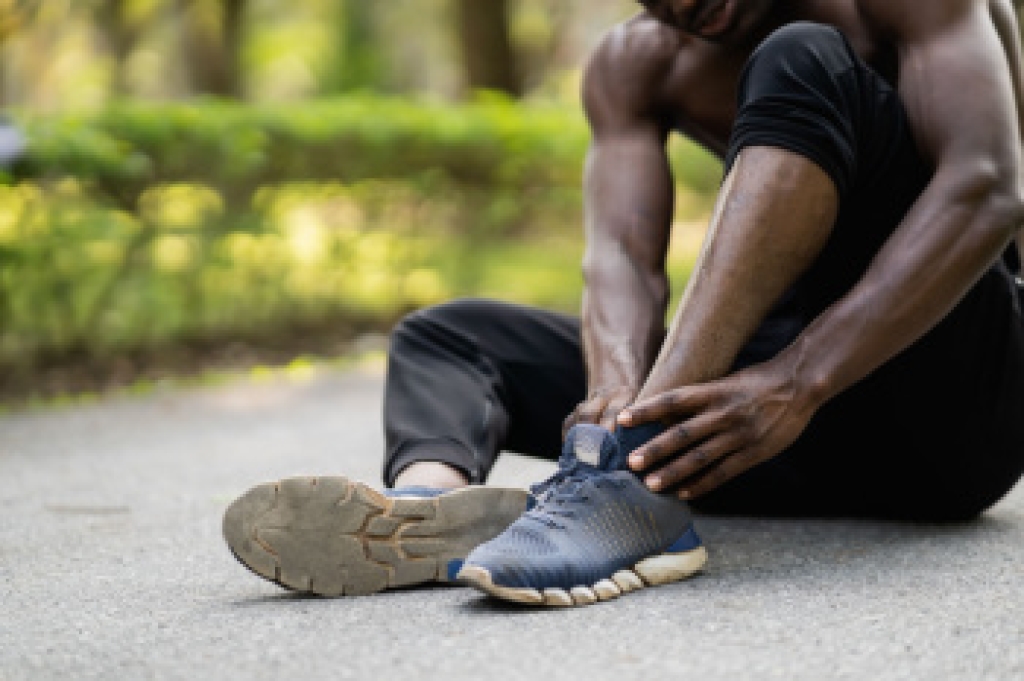
Your feet contain one-fourth of the bones in the body, as well as a complex structure of muscles, ligaments, tendons, and joints. It's not uncommon for one or several of these components to be in pain. If you are physically active, the chances of incurring a foot injury or other condition are even higher. It is sometimes necessary to seek medical help from a podiatrist with foot, toe, or ankle pain. Beyond just examining your feet, a podiatrist conducts a thorough assessment of your gait to understand how foot issues might be affecting other parts of your body. With expertise in foot and lower limb structure and movement, a podiatrist can diagnose foot conditions, identify underlying health issues, such as diabetes or arthritis, and tailor treatment plans accordingly. If you're experiencing foot pain, skin or nail abnormalities, foot injuries, or broader health concerns like diabetes, it may be time to visit a podiatrist. Your feet deserve the best care possible. It is suggested that you make an appointment with a podiatrist today to address any foot pain or other related concerns you may have.

If you are experiencing pain in the feet or ankles, don’t join the stubborn majority refusing treatment. Feel free to contact Kevin Powers, DPM from The Center for Lower Extremity Nerve Surgery. Our doctor can provide the care you need to keep you pain-free and on your feet.

What Is a Podiatrist?

Someone would seek the care of a podiatrist if they have suffered a foot injury or have common foot ailments such as heal spurs, bunions, arch problems, deformities, ingrown toenails, corns, foot and ankle problems, etc.

Podiatric Treatment

A podiatrist will treat the problematic areas of the feet, ankle or lower leg by prescribing the following:

  • Physical therapy
  • Drugs
  • Orthotic inserts or soles
  • Surgery on lower extremity fractures

A common podiatric procedure a podiatrist will use is a scanner or force plate which will allow the podiatrist to know the designs of orthotics. Patients are then told to follow a series of tasks to complete the treatment. The computer will scan the foot a see which areas show weight distribution and pressure points. The podiatrist will read the analysis and then determine which treatment plans are available.

If you have any questions, please feel free to contact our offices located in Indianapolis and Bloomington, IN . We offer the newest diagnostic and treatment technologies for all your foot care needs.
Read more about What is a Podiatrist?

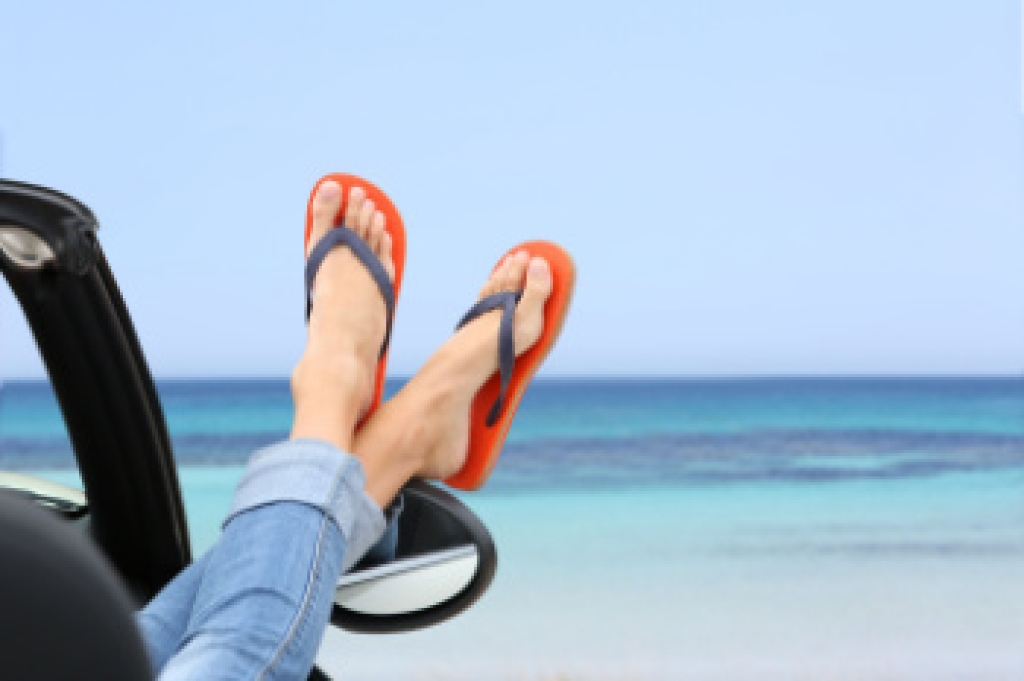
Foot Pain Caused by Flip-Flops

While flip-flops are convenient, wearing them can have negative effects on the feet. Most flip-flops lack proper arch support and cushioning. Prolonged use of flip-flops can lead to issues like flat feet, plantar fasciitis, and increased strain on the toes. This is because flip-flops can cause you to put more pressure on the plantar fascia, tissues that run from the toes to the heel. The toes also perform a constant gripping motion to keep flip-flops on, which can cause muscle fatigue and contribute to toe deformities. Additionally, the minimal protection flip-flops offer the feet leave them exposed to the elements, increasing the risk of injuries, sunburn, and infections. If you are experiencing foot pain from wearing flip-flops, it is suggested you schedule an appointment with a podiatrist who can rule out any other causes and discuss alternative footwear. 

Flip-flops can cause a lot of problems for your feet. If you have any concerns about your feet or ankles, contact Kevin Powers, DPM from The Center for Lower Extremity Nerve Surgery. Our doctor will assist you with all of your foot and ankle needs.

Flip-Flops and Feet

Flip-flops have managed to become a summer essential for a lot of people. While the shoes may be stylish and easy to slip on and off, they can be dangerous to those who wear them too often. These shoes might protect you from fungal infections such as athlete’s foot, but they can also give you foot pain and sprained ankles if you trip while wearing them.

When Are They Okay to Wear?

Flip-flops should only be worn for very short periods of time. They can help protect your feet in places that are crawling with fungi, such as gym locker rooms. Athlete’s foot and plantar warts are two common fungi that flip-flops may help protect your feet against.

Why Are They Bad for My Feet?

These shoes do not offer any arch support, so they are not ideal for everyday use. They also do not provide shock absorption or heel cushioning which can be problematic for your feet. Additionally, you may suffer from glass cuts, puncture wounds, and stubbed toes since they offer little protection for your feet.

More Reasons Why They Are Bad for Your Feet

  • They Slow You Down
  • May Cause Blisters and Calluses
  • Expose Your Feet to Bacteria

If you have any questions, please feel free to contact our offices located in Indianapolis and Bloomington, IN . We offer the newest diagnostic and treatment technologies for all your foot care needs.
Read more about Flip Flops and Your Feet

Causes of Runners’ Heel Pain

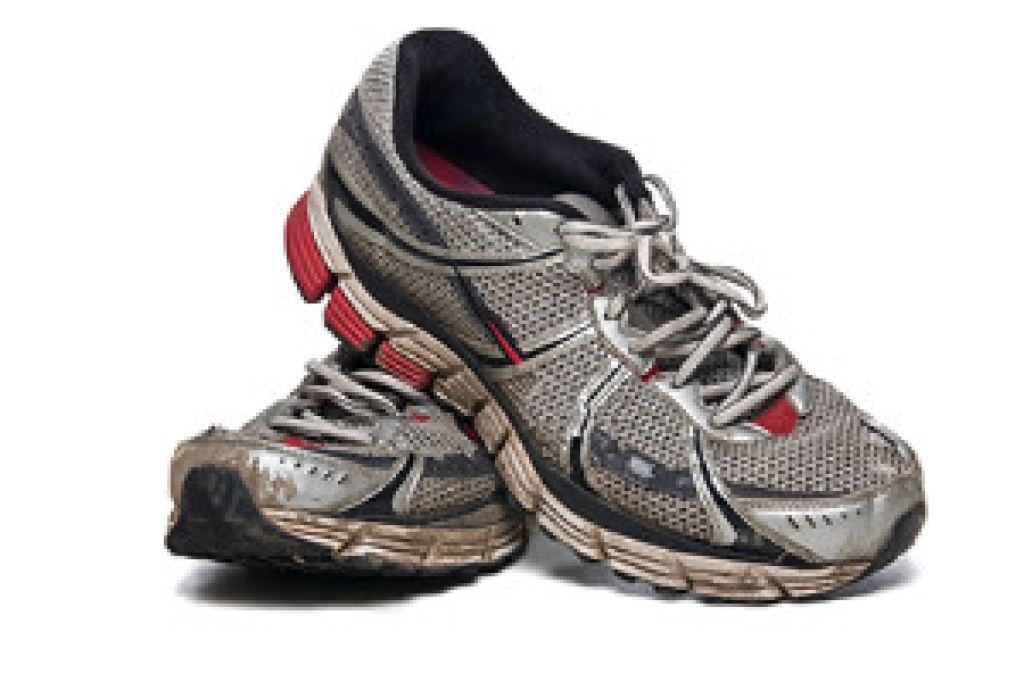
For avid runners, heel pain can be a significant obstacle, obstructing both performance and enjoyment of the activity. Heel pain can result from different factors including overuse, improper footwear, or biomechanical issues. The most common cause of heel pain for runners is plantar fasciitis, which is the inflammation of the tissue connecting the heel bone to the toes. Running, especially long-distance, puts strain on the plantar fascia and may lead to discomfort. Additionally, Achilles tendonitis, or inflammation of the Achilles tendon at the back of the heel, often causes pain for runners who escalate their training program too quickly. Heel spurs, bony outgrowths that can develop underneath the heel bone due to repetitive stress on the foot, are another hindrance for runners. Wearing ill-fitting or worn-out running shoes with inadequate support can also contribute to heel pain. If you are a runner with heel pain, it is suggested that you consult with a podiatrist who can offer a comprehensive evaluation, locate the source of the pain, and offer appropriate treatment methods.

Many people suffer from bouts of heel pain. For more information, contact Kevin Powers, DPM of The Center for Lower Extremity Nerve Surgery. Our doctor can provide the care you need to keep you pain-free and on your feet.

Causes of Heel Pain

Heel pain is often associated with plantar fasciitis. The plantar fascia is a band of tissues that extends along the bottom of the foot. A rip or tear in this ligament can cause inflammation of the tissue.

Achilles tendonitis is another cause of heel pain. Inflammation of the Achilles tendon will cause pain from fractures and muscle tearing. Lack of flexibility is also another symptom.

Heel spurs are another cause of pain. When the tissues of the plantar fascia undergo a great deal of stress, it can lead to ligament separation from the heel bone, causing heel spurs.

Why Might Heel Pain Occur?

  • Wearing ill-fitting shoes                
  • Wearing non-supportive shoes
  • Weight change           
  • Excessive running

Treatments

Heel pain should be treated as soon as possible for immediate results. Keeping your feet in a stress-free environment will help. If you suffer from Achilles tendonitis or plantar fasciitis, applying ice will reduce the swelling. Stretching before an exercise like running will help the muscles. Using all these tips will help make heel pain a condition of the past.

If you have any questions, please feel free to contact our offices located in Indianapolis and Bloomington, IN . We offer the newest diagnostic and treatment technologies for all your foot care needs.

Read more about Heel Pain

Distinguishing Between Walking and Running Shoes

Differentiating between walking and running shoes is essential for optimizing comfort and performance during physical activity. While both types of shoes may appear similar, subtle design features cater to the distinct biomechanics and movement patterns associated with each activity. Running shoes typically feature more cushioning and support in the heel and forefoot to absorb impact and provide stability during high-impact movements. They also tend to have a more flexible sole to facilitate the rolling motion of the foot from heel to toe. In contrast, walking shoes prioritize flexibility in the forefoot and emphasize support and stability throughout the midsole to accommodate the heel-to-toe motion of walking. Additionally, walking shoes often have a lower profile and lighter weight compared to running shoes. Understanding these differences allows individuals to select the appropriate footwear for their preferred activity, ensuring optimal comfort, support, and injury prevention during walking or running endeavors. If you have more specific questions about what type of shoes to buy for your walking or running experiences, it is suggested that you consult a podiatrist.

For more information about walking shoes versus running shoes, consult with Kevin Powers, DPM from The Center for Lower Extremity Nerve Surgery. Our doctor can measure your feet to determine what your needs are and help you find an appropriate pair of footwear.

Foot Health: The Differences between Walking & Running Shoes

There are great ways to stay in shape: running and walking are two great exercises to a healthy lifestyle. It is important to know that running shoes and walking shoes are not interchangeable. There is a key difference on how the feet hit the ground when someone is running or walking. This is why one should be aware that a shoe is designed differently for each activity.

You may be asking yourself what the real differences are between walking and running shoes and the answers may shock you.

Differences

Walking doesn’t involve as much stress or impact on the feet as running does. However, this doesn’t mean that you should be any less prepared. When you’re walking, you land on your heels and have your foot roll forward. This rolling motion requires additional support to the feet.

Flexibility – Walking shoes are designed to have soft, flexible soles. This allows the walker to push off easily with each step.

If you have any questions, please feel free to contact our offices located in Indianapolis and Bloomington, IN . We offer the newest diagnostic and treatment technologies for all your foot care needs.

Read more about Walking Shoes vs. Running Shoes

Running Shoes for Different Types of Terrains

Running requires minimal gear, with a good-fitting pair of shoes as the essential requirement. Additional running accessories like well-constructed and breathable socks, gear, and watches are optional. However, your choice of running shoe can vary depending on your running conditions and preferences. To determine how many running shoes you need, start with at least one pair that suits you. Having two pairs and rotating them is beneficial for those running on the same terrain frequently, especially if it is several times a week. If you diversify your running terrain, you may consider purchasing additional pairs, as specific shoes cater to trails, tracks, speed workouts, and everyday runs. Trail shoes are suitable for rugged or slippery trails, providing waterproofing and extra traction. Track shoes, lightweight with minimal cushioning, benefit those preparing for track races or track workouts. Treadmill shoes should be cushioned, while speed work and race day shoes are designed to boost confidence and speed. Depending on your running goals and variety of terrain, you may need multiple shoes to optimize your training and performance. If you run or plan to run on different terrains, it is suggested that you schedule an appointment with a podiatrist to discuss how many pairs of running shoes may be suitable for your running goals.

If you are a runner, wearing the right running shoe is essential. For more information, contact Kevin Powers, DPM from The Center for Lower Extremity Nerve Surgery. Our doctor can provide the care you need to keep you pain-free and on your feet.

Choosing the Right Running Shoe for Your Foot Type

To increase performance and avoid the risk of injury, it is important to choose the right running shoe based on your foot type. The general design of running shoes revolves around pronation, which is how the ankle rolls from outside to inside when the foot strikes the ground.

  • Neutral runners are able to choose from a wide variety of shoes, including minimalist shoes or even going barefoot.
  • Runners who overpronate, or experience an over-abundance of ankle rolling, should choose shoes that provide extra motion control and stability.
  • Runners who underpronate, or supinate, have feet that have high arches and lack flexibility, preventing shock absorption. They require shoes with more flexibility and cushion.

If you have any questions, please feel free to contact our offices located in Indianapolis and Bloomington, IN . We offer the newest diagnostic and treatment technologies for all your foot care needs.

Read more about Choosing the Right Running Shoe for Your Foot Type

Connect With Us