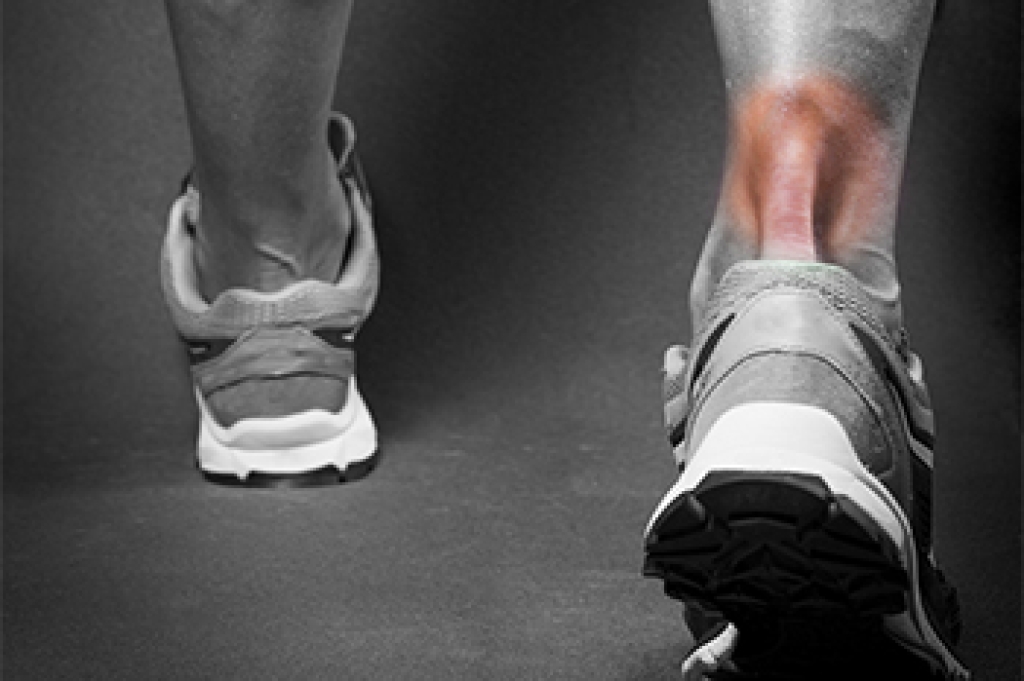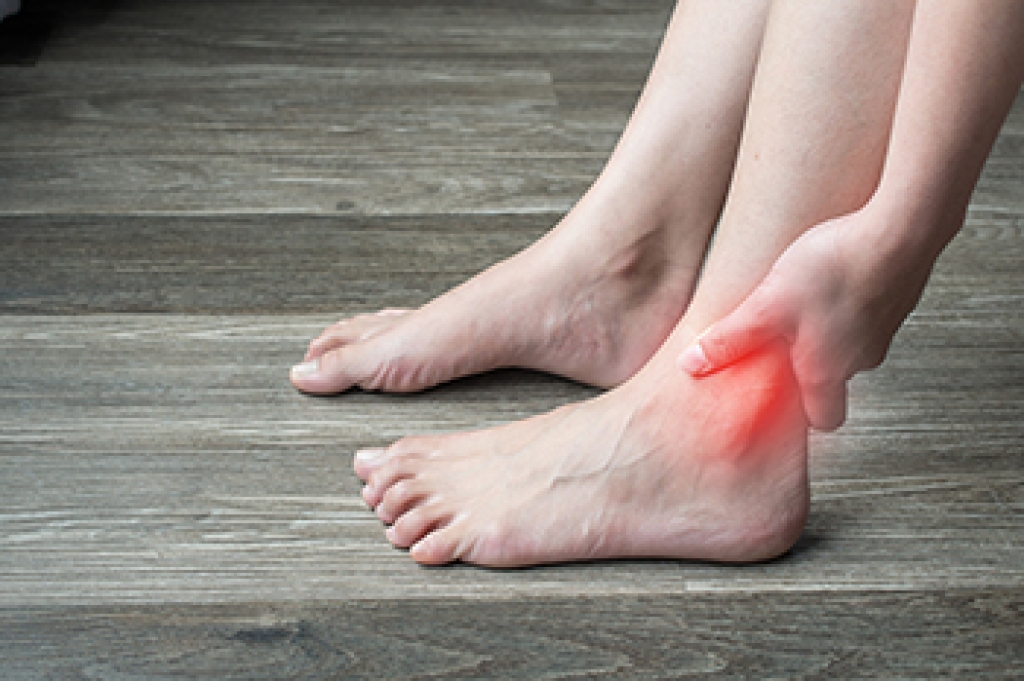
Tarsal Tunnel Syndrome

Tarsal tunnel syndrome or TTS is when the posterior tibial nerve in the ankle becomes compressed. This can happen from medical conditions including rheumatoid arthritis and diabetes, repetitive stress activities, other foot conditions, or carrying excessive weight. While there is a higher incidence of this ailment among women and adults, it can happen to anyone. When this happens, pain, tingling, and numbness can radiate to the foot and worsen with walking. Rest is helpful when pain develops. This affliction is relatively uncommon and can be misdiagnosed. Because of this, if you have pain in your ankle or heel, it is strongly suggested that you see a podiatrist who can properly evaluate what is causing it and provide treatment options. 

Tarsal tunnel syndrome can be very uncomfortable to live with. If you are experiencing tarsal tunnel syndrome, contact Kevin Powers, DPM of The Center for Lower Extremity Nerve Surgery. Our doctor can provide the care you need to keep you pain-free and on your feet.

Tarsal Tunnel Syndrome

Tarsal tunnel syndrome, which can also be called tibial nerve dysfunction, is an uncommon condition of misfiring peripheral nerves in the foot. The tibial nerve is the peripheral nerve in the leg responsible for sensation and movement of the foot and calf muscles. In tarsal tunnel syndrome, the tibial nerve is damaged, causing problems with movement and feeling in the foot of the affected leg.

Common Cause of Tarsal Tunnel Syndrome

  • Involves pressure or an injury, direct pressure on the tibial nerve for an extended period of time, sometimes caused by other body structures close by or near the knee.
  • Diseases that damage nerves, including diabetes, may cause tarsal tunnel syndrome.
  • At times, tarsal tunnel syndrome can appear without an obvious cause in some cases.

The Effects of Tarsal Tunnel Syndrome

  • Different sensations, an afflicted person may experience pain, tingling, burning or other unusual sensations in the foot of the affected leg.
  • The foot muscles, toes and ankle become weaker, and curling your toes or flexing your foot can become difficult.
  • If condition worsens, infections and ulcers may develop on the foot that is experiencing the syndrome.

A physical exam of the leg can help identify the presence of tarsal tunnel syndrome. Medical tests, such as a nerve biopsy, are also used to diagnose the condition. Patients may receive physical therapy and prescriptive medication. In extreme cases, some may require surgery.

If you have any questions please contact our offices located in Indianapolis and Bloomington, IN . We offer the newest diagnostic and treatment technologies for all your foot and ankle needs.

Read more about Tarsal Tunnel Syndrome

Decrease Foot Problems and Lose Weight by Exercising

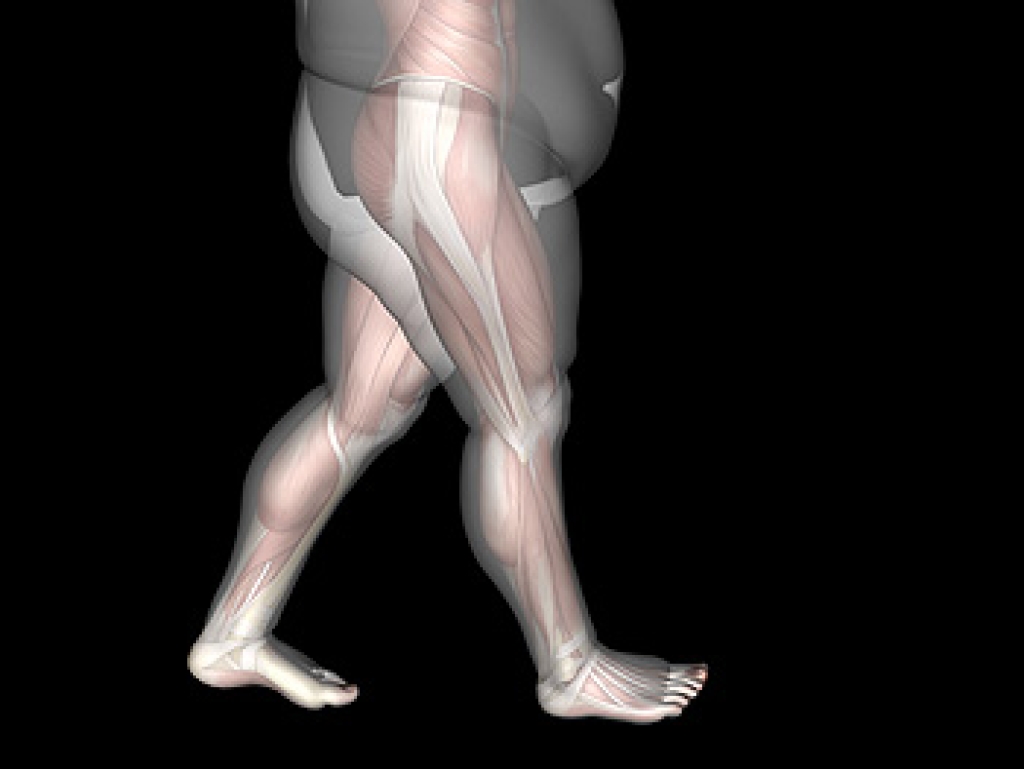
Exercise is important for everyone, as it positively impacts health, boosts mood, and increases self-esteem. If a person is overweight, exercise can be particularly important given that excess weight can increase health risks. These can include high blood pressure, diabetes, and an array of foot problems. Beginning an exercise program can be daunting in the best of cases, but when one is overweight, it can feel especially difficult. Wearing proper workout gear and shoes for the activity to be achieved comfortably is a critical first step. Walking is a good form of exercise for those who are confronting the number on the scale because no special equipment is needed and it can be done anywhere. It also can be done at varying levels based on intensity, fitness level, and it can be easy on the feet. Starting for five to 10 minutes of walking and gradually building up to a 30 minute walk per day is an optimum goal. Speed and pace need not be a concern at the beginning, just consistency. If you have foot pain or have sustained a foot injury and want to exercise to lose weight, it is suggested that you consult a podiatrist for help.

Obesity has become very problematic at this point in time and can have extremely negative effects on the feet. If you’re an obese individual and are concerned about your feet, contact Kevin Powers, DPM from The Center for Lower Extremity Nerve Surgery. Our doctor can provide the care you need to keep you pain-free and on your feet.

Obesity and Your Feet

Since your feet are what support your entire weight when standing, any additional weight can result in pain and swelling. Being overweight is one of the main contributors to foot complications.

Problems & Complications

Extra Weight – Even putting on just a few extra pounds could create serious complications for your feet. As your weight increases, your balance and body will shift, creating new stresses on your feet. This uneven weight distribution can cause pain, even while doing the simplest tasks, such as walking.

Diabetes – People who are overweight are at serious risk of developing type-2 diabetes, which has a drastic impact on the health of your feet. As you get older, your diabetes might worsen, which could lead to loss of feeling in your feet, sores, and bruises. You could also become more prone to various infections.

Plantar fasciitis – Pressure and stress that is placed on muscles, joints, and tendons can trigger plantar fasciitis, which is an inflammation of tissue that forms along the bottom of the foot. 

If you have any questions, please feel free to contact our offices located in Indianapolis and Bloomington, IN . We offer the newest diagnostic and treatment technologies for all your foot care needs.

Read more about Obesity and the Feet

Bunions May Cause Toe Pain

A bunion is a bony protrusion that forms on the side of the big toe and may cause toe pain. The pain may come from the joints in the big toe as the bunion pushes it out of alignment. The big toe may be swollen, red, and stiff, and may worsen until medical attention is received. This condition is caused by wearing shoes that do not have adequate room for the toes to move freely in. A small bump can develop, causing a deformity in the big toe. This toe contributes significantly to walking, rising up on the balls of the feet, and maintaining the body’s balance. Toe pain can cause difficulty in accomplishing these moves, and relief is often sought. This can begin with choosing shoes that fit correctly and wearing custom-made orthotics may help the affected foot to regain alignment. Large bunions may cause the toes to shift toward each other, and the toe pain may become severe. If you have toe pain, it is suggested that you consult with a podiatrist who can effectively diagnose a bunion, and offer you treatment to alleviate any toe pain it may cause.

Toe pain can disrupt your daily activities. If you have any concerns, contact Kevin Powers, DPM of The Center for Lower Extremity Nerve Surgery. Our doctor can provide the care you need to keep you pain-free and on your feet.

What Causes Toe Pain?

Most severe toe pain is caused due to a sports injury, trauma from dropping something heavy on the toe, or bumping into something rigid. Other problems can develop over time for various reasons.

Toe pain can be caused by one or more ailments. The most common include:

  • Trauma
  • Sports injury
  • Wearing shoes that are too tight
  • Arthritis
  • Gout
  • Corns and calluses
  • Hammertoe
  • Bunions
  • Blisters
  • Ingrown toenails
  • Sprains
  • Fractures (broken bones)
  • Dislocations

When to See a Podiatrist

  • Severe pain
  • Persistent pain that lasts more than a week
  • Signs of infection
  • Continued swelling
  • Pain that prevents walking

Diagnosis

In many cases the cause of toe pain is obvious, but in others, a podiatrist may want to use more advanced methods to determine the problem. These can range from simple visual inspections and sensation tests to X-rays and MRI scans. Prior medical history, family medical history, and any recent physical traumatic events will all be taken into consideration for a proper diagnosis.

Treatment

Treatments for toe pain and injuries vary and may include shoe inserts, padding, taping, medicines, injections, and in some cases, surgery. If you believe that you have broken a toe, please see a podiatrist as soon as possible.

If you have any questions please contact our offices located in Indianapolis and Bloomington, IN . We offer the newest diagnostic and treatment technologies for all your foot and ankle needs.

Read more about Toe Pain

Tips for Beginning Runners to Prevent Injury

Running as a physical activity can be extremely beneficial to overall health. It can also be a source of injury and pain. For that reason, beginning runners are wise to learn how to protect themselves from harm. First, it may be a good idea to check in with a medical professional before undertaking this strenuous activity. Next, establishing a running routine for maximum safety is encouraged. Starting out slowly with a walk-run is wise, including warming up and cooling down exercises before and after a run. Probably the most important element of safety in running is investing in proper footwear. Wearing shoes especially built for running is not only practical, it is necessary for the health of your toes, feet, and ankles. Further, the type of surface you choose to run on factors into the choice of footwear. Existing foot or ankle ailments may also play a role in shoe selection, and experts suggest having two or more pairs of shoes that can be alternated.  Cross-training with activities, such as swimming, is a good way to give the feet and legs a rest between runs and help ward off injury. For more information on preventing injury from running, it is suggested that you consult a podiatrist.

Exercising your feet regularly with the proper foot wear is a great way to prevent injuries. If you have any concerns about your feet, contact Kevin Powers, DPM of The Center for Lower Extremity Nerve Surgery. Our doctor will treat your foot and ankle needs.

How to Prevent Running Injuries

Many common running injuries are caused by overuse and overtraining. When the back of the kneecap starts wearing out and starts causing pain in your knee, this is commonly referred to as runner’s knee. Runner’s knee is a decrease in strength in your quadriceps and can occur if you’re not wearing properly fitted or supporting shoes. To prevent runner’s knee, focusing on hip strengthening is a good idea, as well as strengthening your quads to keep the kneecaps aligned.

What Are Some Causes of Running Injuries? 
- One cause of a common running injury is called iliotibial band syndrome.
- Plantar fasciitis is also another common injury.
- Stress fractures can occur from overtraining, lack of calcium, or even your running style.

Best Ways to Prevent Running Injuries
- Wear footwear that fits properly and suits your running needs.
- Running shoes are the only protective gear that runners have to safeguard them from injury.
- Make a training schedule. Adding strengthening exercises as well as regular stretching can help keep you strong and limber and can lessen the possibility of injuries.
- Stretching keeps muscles limber; this will help you gain better flexibility.

If you have any questions, please feel free to contact our offices located in Indianapolis and Bloomington, IN . We offer the newest diagnostic and treatment technologies for all your foot care needs.

Read more about How to Prevent Running Injuries

Examples of Achilles Tendon Injuries

The Achilles tendon connects the calf muscles to the heel. It is located in the lower part of the calf, and it is responsible for walking, running, and standing on tiptoes. If this tendon becomes injured, it can cause severe pain and discomfort. An injury can happen from increasing speed and distance too quickly, a common injury among runners. The tendon can become partially or completely torn, and there are similar symptoms that can accompany either type. These symptoms can include hearing a popping sound at the time of the injury, and the heel may be swollen, painful, or stiff. There are two types of Achilles tendonitis, and they are classified as non insertional and insertional. The former may be more prevalent among younger people, and it affects the fibers in the middle of the tendon. The latter involves the fibers in the lower part of the tendon, and both can result from overuse. Partial tears may gradually heal on their own, with adequate rest and keeping as much weight off of the foot as possible. If the tendon is completely torn, it is suggested that a podiatrist who can effectively treat an Achilles tendon injury be contacted as quickly as possible .

Achilles tendon injuries need immediate attention to avoid future complications. If you have any concerns, contact Kevin Powers, DPM of The Center for Lower Extremity Nerve Surgery. Our doctor can provide the care you need to keep you pain-free and on your feet.

What Is the Achilles Tendon?

The Achilles tendon is a tendon that connects the lower leg muscles and calf to the heel of the foot. It is the strongest tendon in the human body and is essential for making movement possible. Because this tendon is such an integral part of the body, any injuries to it can create immense difficulties and should immediately be presented to a doctor.

What Are the Symptoms of an Achilles Tendon Injury?

There are various types of injuries that can affect the Achilles tendon. The two most common injuries are Achilles tendinitis and ruptures of the tendon.

Achilles Tendinitis Symptoms

  • Inflammation
  • Dull to severe pain
  • Increased blood flow to the tendon
  • Thickening of the tendon

Rupture Symptoms

  • Extreme pain and swelling in the foot
  • Total immobility

Treatment and Prevention

Achilles tendon injuries are diagnosed by a thorough physical evaluation, which can include an MRI. Treatment involves rest, physical therapy, and in some cases, surgery. However, various preventative measures can be taken to avoid these injuries, such as:

  • Thorough stretching of the tendon before and after exercise
  • Strengthening exercises like calf raises, squats, leg curls, leg extensions, leg raises, lunges, and leg presses

If you have any questions please feel free to contact our offices located in Indianapolis and Bloomington, IN . We offer the newest diagnostic tools and technology to treat your foot and ankle needs.

Read more about What are Achilles Tendon Injuries

Connect With Us