Methods to Help with Poor Circulation

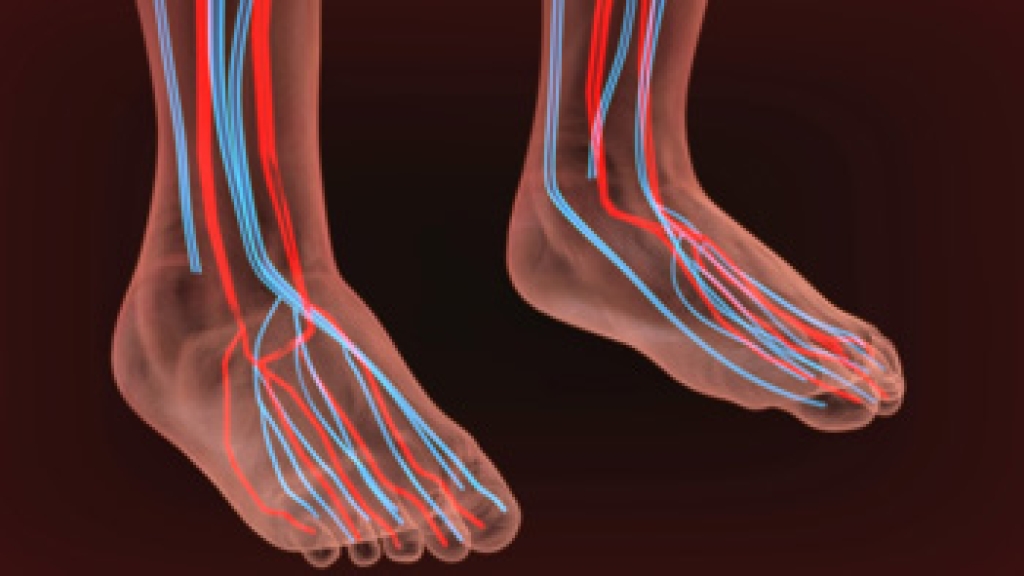
One of the first symptoms that patients can experience with poor circulation is cold feet. There may also be a pins and needles sensation, and the feet can turn blue or purple. There are various reasons why poor circulation may develop, including age, smoking, and obesity. Existing medical conditions such as diabetes, peripheral artery disease (PAD), and deep vein thrombosis (DVT) may significantly contribute to getting poor circulation. This condition can indicate there may be a heart condition, and there are things that can be done to improve poor circulation. It is beneficial to frequently perform a gentle exercise routine, and caregivers may be able to move the patients legs if unable to do so. Additionally, incorporating a healthy diet into the regime and stopping smoking will help tremendously. The feet can feel better when they are elevated, and wearing compression socks or stockings may help to reduce poor circulation. If you are suffering from this condition, it is strongly advised that you are under the care of a podiatrist who can effectively treat poor circulation of the feet.

While poor circulation itself isn’t a condition; it is a symptom of another underlying health condition you may have. If you have any concerns with poor circulation in your feet contact Kevin Powers, DPM of The Center for Lower Extremity Nerve Surgery. Our doctor will treat your foot and ankle needs.

Poor Circulation in the Feet

Peripheral artery disease (PAD) can potentially lead to poor circulation in the lower extremities. PAD is a condition that causes the blood vessels and arteries to narrow. In a linked condition called atherosclerosis, the arteries stiffen up due to a buildup of plaque in the arteries and blood vessels. These two conditions can cause a decrease in the amount of blood that flows to your extremities, therefore resulting in pain.

Symptoms

Some of the most common symptoms of poor circulation are:

  • Numbness
  • Tingling
  • Throbbing or stinging pain in limbs
  • Pain
  • Muscle Cramps

Treatment for poor circulation often depends on the underlying condition that causes it. Methods for treatment may include insulin for diabetes, special exercise programs, surgery for varicose veins, or compression socks for swollen legs.

As always, see a podiatrist as he or she will assist in finding a regimen that suits you. A podiatrist can also prescribe you any needed medication. 

If you have any questions, please feel free to contact our offices located in Indianapolis and Bloomington, IN . We offer the newest diagnostic and treatment technologies for all your foot care needs.

Read more about Causes, Symptoms, and Treatment of Poor Blood Circulation in the Feet

Flip-Flops May Not Be the Best Shoe to Wear

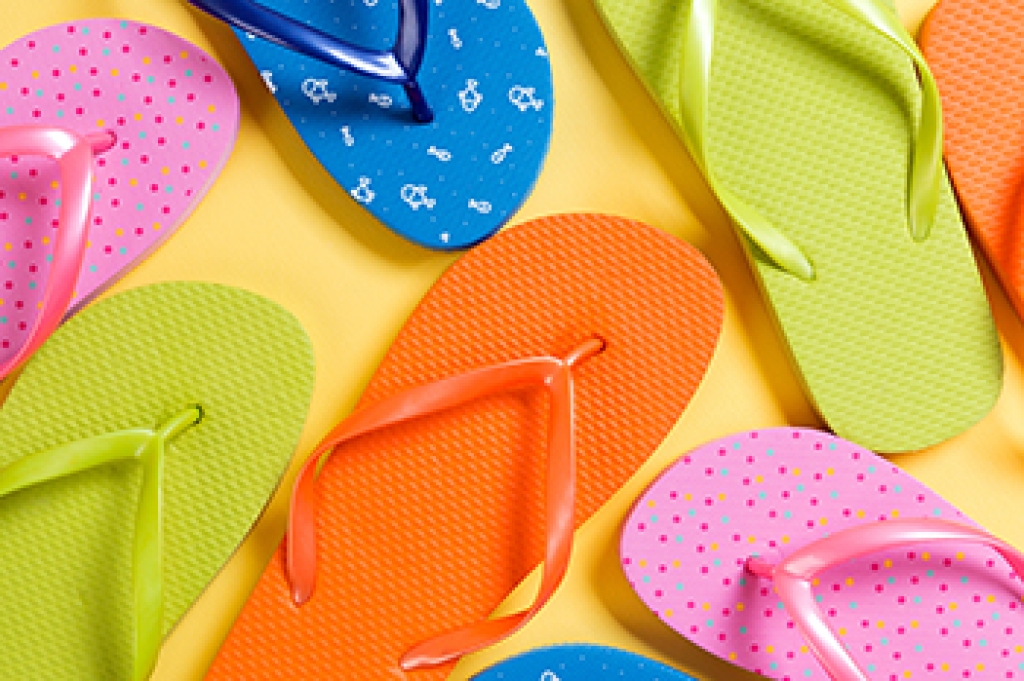
Open-toed shoes, such as flip-flops, are available in a variety of colors and styles and are easy to slip on and off. The feet can endure many unwanted conditions, and many people feel better mentally when flip-flops are worn. This feeling may change if the toes and arch begin to ache when this type of shoe is frequently worn. This can be a result of a lack of arch support, in addition to the toes gripping the front of the shoe to keep it on the foot. Research has indicated the entire body is affected by how the heel strikes the ground, and this may negatively affect flip-flop wearers. Despite the fact that they are best when worn poolside or to the beach, many people will wear them as everyday shoes while running errands and completing daily activities. This may lead to foot injuries concerning the heel, toes, and Achilles tendon. If you have concerns about the pros and cons of wearing flip-flops, please consult with a podiatrist who can effectively address any questions you may have.

Flip-flops can cause a lot of problems for your feet. If you have any concerns about your feet or ankles, contact Kevin Powers, DPM from The Center for Lower Extremity Nerve Surgery. Our doctor will assist you with all of your foot and ankle needs.

Flip-Flops and Feet

Flip-flops have managed to become a summer essential for a lot of people. While the shoes may be stylish and easy to slip on and off, they can be dangerous to those who wear them too often. These shoes might protect you from fungal infections such as athlete’s foot, but they can also give you foot pain and sprained ankles if you trip while wearing them.

When Are They Okay to Wear?

Flip-flops should only be worn for very short periods of time. They can help protect your feet in places that are crawling with fungi, such as gym locker rooms. Athlete’s foot and plantar warts are two common fungi that flip-flops may help protect your feet against.

Why Are They Bad for My Feet?

These shoes do not offer any arch support, so they are not ideal for everyday use. They also do not provide shock absorption or heel cushioning which can be problematic for your feet. Additionally, you may suffer from glass cuts, puncture wounds, and stubbed toes since they offer little protection for your feet.

More Reasons Why They Are Bad for Your Feet

  • They Slow You Down
  • May Cause Blisters and Calluses
  • Expose Your Feet to Bacteria

If you have any questions, please feel free to contact our offices located in Indianapolis and Bloomington, IN . We offer the newest diagnostic and treatment technologies for all your foot care needs.
Read more about Flip Flops and Feet

Buying Foot-Friendly Athletic Shoes

Shoes that do not fit well or those with high heels are a common cause of foot pain and can also lead to chronic conditions affecting other parts of the body. Athletes can prevent injury and pain by paying attention to a few tips that include making sure their shoes fit well and are supportive, selecting shoes that are appropriate for the activity to be done, and making any necessary adjustments to shoes prior to working out. It is important to pay close attention to shoe size and measure feet prior to trying shoes on. Feet swell as the day wears on, and shoe sizes vary across and between brands. Function and fit should be given precedence over fashion. Running shoes are different than hiking shoes and streetwear shoes are not the best for training. Different athletic shoes are developed to protect the areas of the feet that are most stressed by the activity. Shoe inserts, pads, or cups can be used in shoes to relieve chronic pain symptoms. If you enjoy running and want to continue your sport more comfortably, it is suggested you have your gait analyzed by a podiatrist. This healthcare practitioner can also observe any special adjustments needed for your shoes and advise on the best shoes for you. 

If you are a runner, wearing the right running shoe is essential. For more information, contact Kevin Powers, DPM from The Center for Lower Extremity Nerve Surgery. Our doctor can provide the care you need to keep you pain-free and on your feet.

Choosing the Right Running Shoe for Your Foot Type

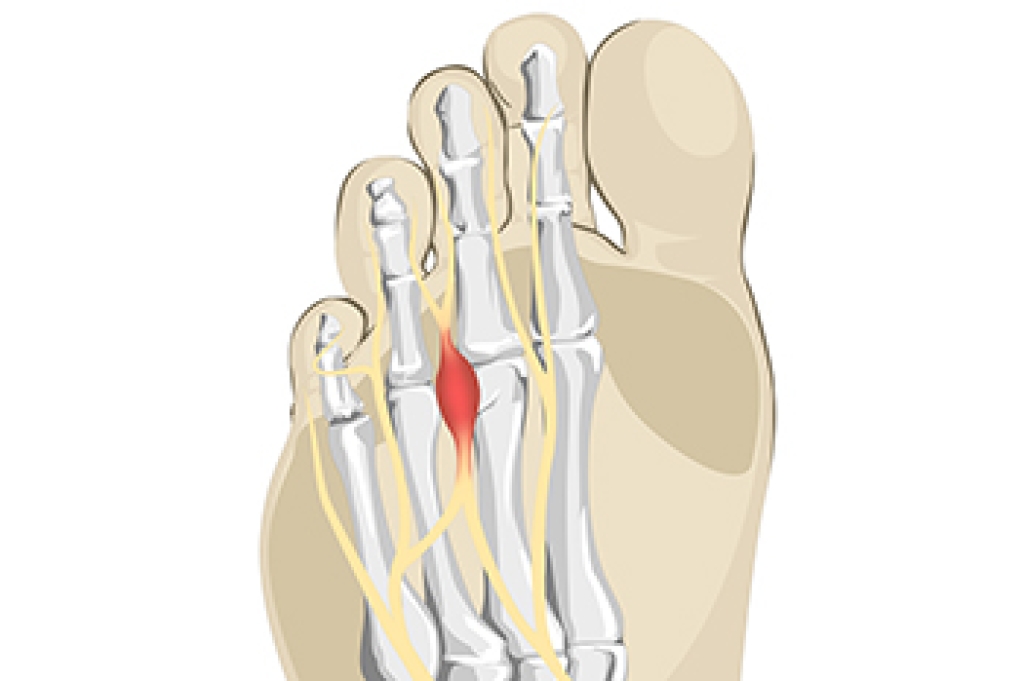
To increase performance and avoid the risk of injury, it is important to choose the right running shoe based on your foot type. The general design of running shoes revolves around pronation, which is how the ankle rolls from outside to inside when the foot strikes the ground.

  • Neutral runners are able to choose from a wide variety of shoes, including minimalist shoes or even going barefoot.
  • Runners who overpronate, or experience an over-abundance of ankle rolling, should choose shoes that provide extra motion control and stability.
  • Runners who underpronate, or supinate, have feet that have high arches and lack flexibility, preventing shock absorption. They require shoes with more flexibility and cushion.

If you have any questions, please feel free to contact our offices located in Indianapolis and Bloomington, IN . We offer the newest diagnostic and treatment technologies for all your foot care needs.
Read more about Choosing the Right Running Shoe for Your Foot Type

Painful Symptoms Are Often Associated With Morton’s Neuroma

Morton’s neuroma is a foot condition that affects the nerves between the metatarsal bones in the foot. These are long bones, and there are affected nerves lying in between the bones. The pain that is associated with this condition feels like a burning sensation, or maybe a numbing and tingling feeling. If prompt medical attention is not sought, the pain can become unbearable, and walking may be difficult. This can be a result of irritated or compressed nerves, and in severe cases, surgery may be necessary for repairing or removal of these nerves.  A common cause of Morton’s neuroma can come from wearing shoes that do not have adequate room for the toes to move freely in. High heels can fall into this category, and it is suggested to refrain from wearing these types of shoes. They can gradually be replaced by wearing a lower heel, and this may help to accelerate the healing process. Morton’s neuroma is considered to be one of the most painful foot conditions, and if you have developed symptoms that may indicate this ailment, it is strongly advised that you are under the care of a podiatrist. 

Morton’s neuroma is a very uncomfortable condition to live with. If you think you have Morton’s neuroma, contact Kevin Powers, DPM of The Center for Lower Extremity Nerve Surgery. Our doctor will attend to all of your foot care needs and answer any of your related questions.  

Morton’s Neuroma

Morton's neuroma is a painful foot condition that commonly affects the areas between the second and third or third and fourth toe, although other areas of the foot are also susceptible. Morton’s neuroma is caused by an inflamed nerve in the foot that is being squeezed and aggravated by surrounding bones.

What Increases the Chances of Having Morton’s Neuroma?

  • Ill-fitting high heels or shoes that add pressure to the toe or foot
  • Jogging, running or any sport that involves constant impact to the foot
  • Flat feet, bunions, and any other foot deformities

Morton’s neuroma is a very treatable condition. Orthotics and shoe inserts can often be used to alleviate the pain on the forefront of the feet. In more severe cases, corticosteroids can also be prescribed. In order to figure out the best treatment for your neuroma, it’s recommended to seek the care of a podiatrist who can diagnose your condition and provide different treatment options.

If you have any questions, please feel free to contact our offices located in Indianapolis and Bloomington, IN . We offer the newest diagnostic and treatment technologies for all your foot care needs.
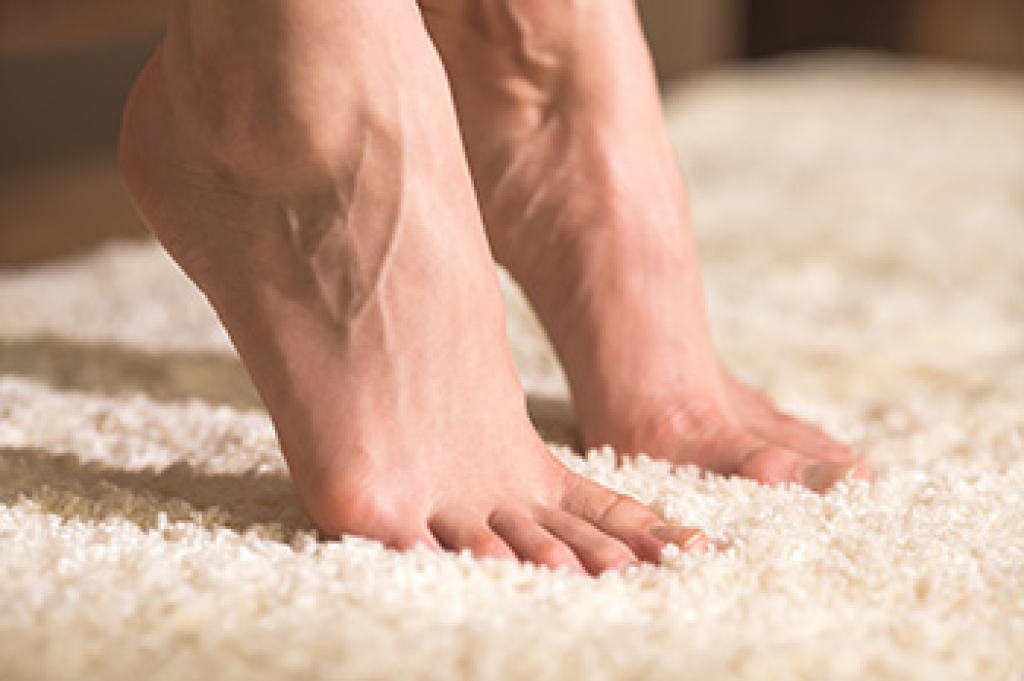
Read more about Morton's Neuroma

Common Symptoms of Plantar Fasciitis

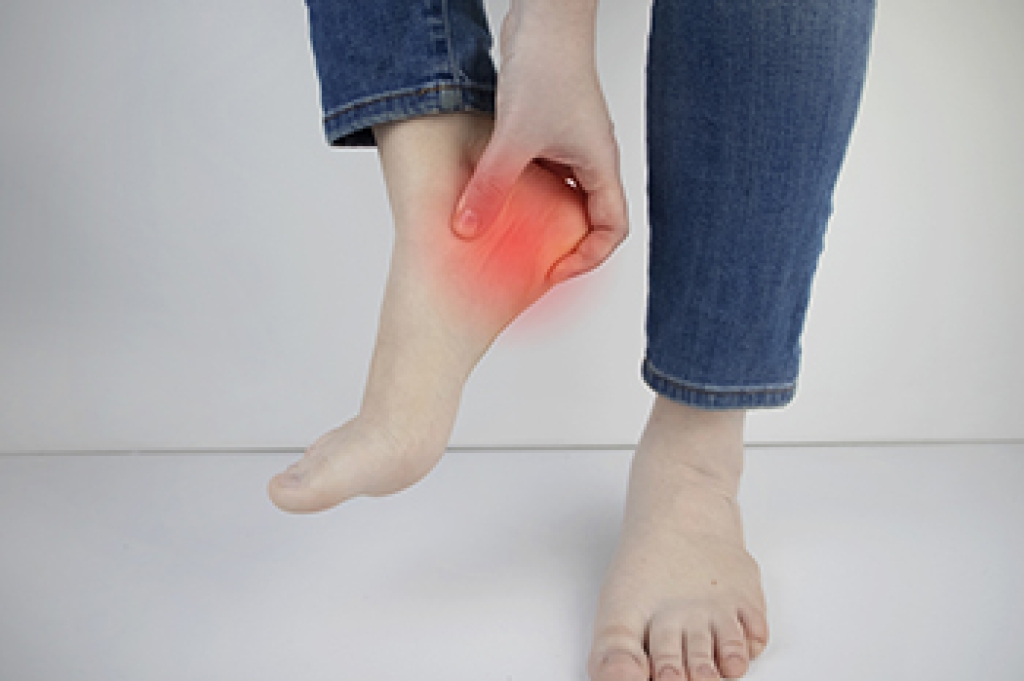
The foot condition known as plantar fasciitis can cause discomfort and may lead to difficulty walking. The pain is felt in the heel area of the foot and may radiate to the calf. It is an ailment that affects the plantar fascia, which is the band of tissue that is found on the sole. Its function is to connect the heel to the toes, and repetitive overuse may lead to inflammation of the plantar fascia, resulting in plantar fasciitis. Patients with this condition often notice the pain is more severe in the morning after arising and may feel better as walking is done. Relief may be found when the foot is frequently elevated. It may help to wear custom-made orthotics in the shoes that may help to provide additional cushioning. Being overweight may lead to plantar fasciitis and this may be due to the added weight the feet endure while walking and standing. Additionally, performing specific stretches may bring relief. Ultimately, it is advised that a podiatrist be contacted who can properly diagnose and effectively treat plantar fasciitis. 

Plantar fasciitis is a common foot condition that is often caused by a strain injury. If you are experiencing heel pain or symptoms of plantar fasciitis, contact Kevin Powers, DPM from The Center for Lower Extremity Nerve Surgery. Our doctor can provide the care you need to keep you pain-free and on your feet.

What Is Plantar Fasciitis?

Plantar fasciitis is one of the most common causes of heel pain. The plantar fascia is a ligament that connects your heel to the front of your foot. When this ligament becomes inflamed, plantar fasciitis is the result. If you have plantar fasciitis you will have a stabbing pain that usually occurs with your first steps in the morning. As the day progresses and you walk around more, this pain will start to disappear, but it will return after long periods of standing or sitting.

What Causes Plantar Fasciitis?

  • Excessive running
  • Having high arches in your feet
  • Other foot issues such as flat feet
  • Pregnancy (due to the sudden weight gain)
  • Being on your feet very often

There are some risk factors that may make you more likely to develop plantar fasciitis compared to others. The condition most commonly affects adults between the ages of 40 and 60. It also tends to affect people who are obese because the extra pounds result in extra stress being placed on the plantar fascia.

Prevention

  • Take good care of your feet – Wear shoes that have good arch support and heel cushioning.
  • Maintain a healthy weight
  • If you are a runner, alternate running with other sports that won’t cause heel pain

There are a variety of treatment options available for plantar fasciitis along with the pain that accompanies it. Additionally, physical therapy is a very important component in the treatment process. It is important that you meet with your podiatrist to determine which treatment option is best for you.

If you have any questions, please feel free to contact our offices located in Indianapolis and Bloomington, IN . We offer the newest diagnostic and treatment technologies for all your foot care needs.
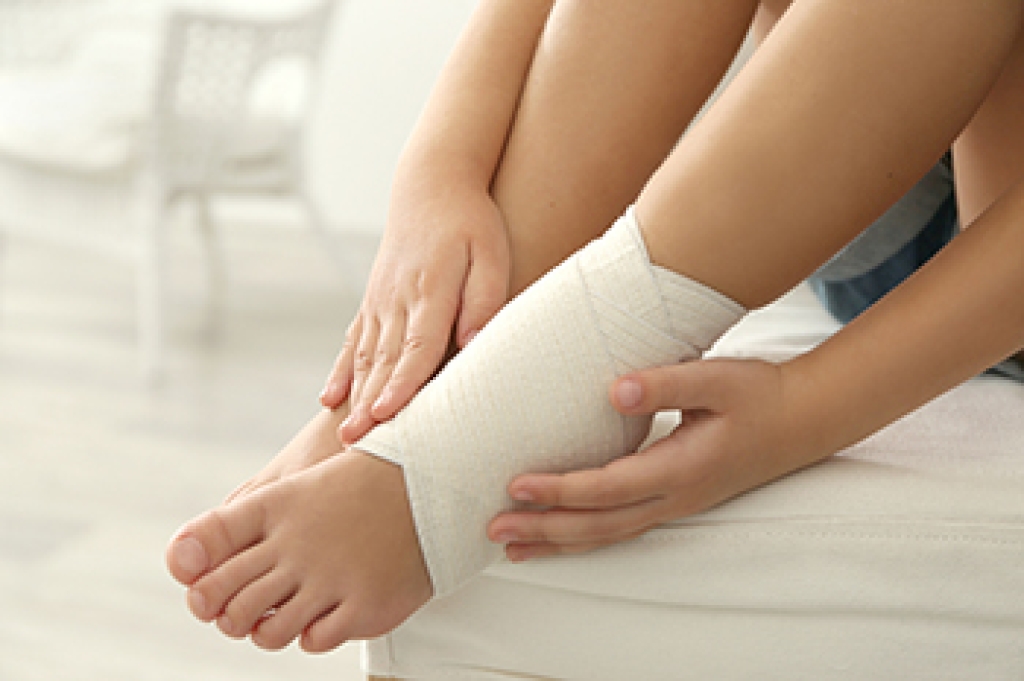
 

Read more about Plantar Fasciitis

Effective Foot Stretches and How to Perform Them

There are many benefits to frequently performing foot exercises. Stretching and exercising the feet make them stronger, and this can be helpful in possibly preventing falls, in addition to reducing existing foot and ankle pain. The range of motion is often improved, and slow stretching can improve flexibility. When the toes are raised, pointed, and curled, it may help to strengthen the Achilles tendon, which is connected to the heel. This can be done by sitting in a chair, and alternating pointing, raising, and curling the toes. Each position can be held for a few seconds, then repeated approximately 10 times. An effective stretch for the toes is called the toe splay and is also done while sitting in a chair. The heels can be firmly resting on the ground, and the toes are stretched out and moved several times. The entire foot can be strengthened when toe extensions are performed. While one leg is crossed over the other, take one hand and manually move the toes back until a gentle stretch is felt. If you would like more information about the benefits of exercising the feet, please speak with a podiatrist who can recommend specific stretches for you.

Exercising your feet regularly with the proper foot wear is a great way to prevent injuries and build strength. If you have any concerns about your feet, contact Kevin Powers, DPM from The Center for Lower Extremity Nerve Surgery. Our doctor can provide the care you need to keep you pain-free and on your feet.

Exercise for Your Feet

Exercise for your feet can help you gain strength, mobility and flexibility in your feet. They say that strengthening your feet can be just as rewarding as strengthening another part of the body. Your feet are very important, and we often forget about them in our daily tasks. But it is because of our feet that are we able to get going and do what we need to. For those of us fortunate enough to not have any foot problems, it is an important gesture to take care of them to ensure good health in the long run.

Some foot health exercises can include ankle pumps, tip-toeing, toe rises, lifting off the floor doing reps and sets, and flexing the toes. It is best to speak with Our doctor to determine an appropriate regimen for your needs. Everyone’s needs and bodies are different, and the activities required to maintain strength in the feet vary from individual to individual. 

Once you get into a routine of doing regular exercise, you may notice a difference in your feet and how strong they may become.

If you have any questions, please feel free to contact our offices located in Indianapolis and Bloomington, IN . We offer the newest diagnostic and treatment technologies for all your foot care needs.
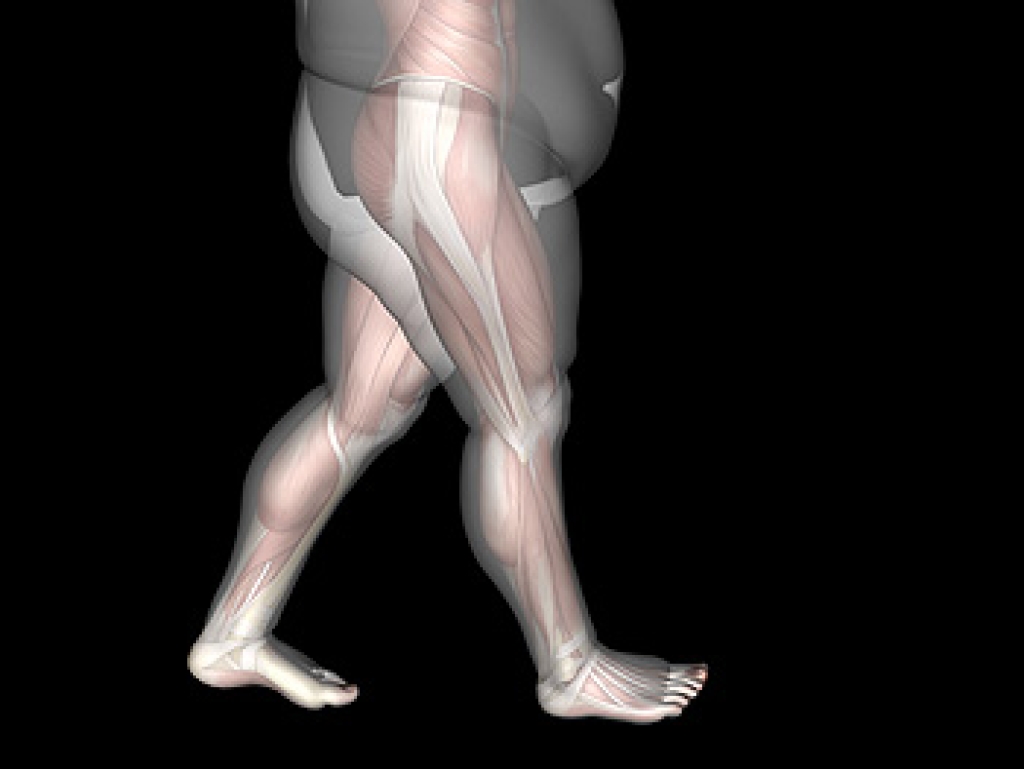
Read more about Exercise for Your Feet

How Poor Circulation Can Affect the Feet

Healthy blood flow, which is known as circulation, is an important part of how we live. The purpose of the circulatory system is to deliver oxygen and nutrients throughout our cells, in addition to clearing out waste materials in the body. The feet are often the first parts of the body to notice if poor circulation exists, and they may become blue, cold, or swollen. Some people develop a tingling sensation or their feet may become numb. Poor circulation is often seen in diabetic patients, and this may be a result of hardened and narrowed arteries. Additionally, people who sit for extended periods may develop poor circulation and it is suggested to walk for small amounts of time during the day to provide adequate movement. Mild relief may occur when compression socks are worn and these may help restore blood flow to the feet. If you suffer from poor circulation in the feet, please confer with a podiatrist who can determine what the cause is as well as provide effective treatment options.

Poor circulation is a serious condition and needs immediate medical attention. If you have any concerns with poor circulation in your feet contact Kevin Powers, DPM of The Center for Lower Extremity Nerve Surgery. Our doctor will treat your foot and ankle needs.

Poor Circulation in the Feet

Poor blood circulation in the feet and legs is can be caused by peripheral artery disease (PAD), which is the result of a buildup of plaque in the arteries.

Plaque buildup or atherosclerosis results from excess calcium and cholesterol in the bloodstream. This can restrict the amount of blood which can flow through the arteries. Poor blood circulation in the feet and legs are sometimes caused by inflammation in the blood vessels, known as vasculitis.

Causes

Lack of oxygen and oxygen from poor blood circulation restricts muscle growth and development. It can also cause:

  • Muscle pain, stiffness, or weakness 
  • Numbness or cramping in the legs
  • Skin discoloration
  • Slower nail & hair growth
  • Erectile dysfunction

Those who have diabetes or smoke are at greatest risk for poor circulation, as are those who are over 50. If you have poor circulation in the feet and legs it may be caused by PAD and is important to make changes to your lifestyle in order to reduce risk of getting a heart attack or stroke. Exercise and maintaining a healthy lifestyle will dramatically improve conditions.

As always, see a podiatrist as he or she will assist in finding a regimen that suits you. A podiatrist can also prescribe you any needed medication. 

If you have any questions, please feel free to contact our offices located in Indianapolis and Bloomington, IN . We offer the newest diagnostic and treatment technologies for all your foot care needs.
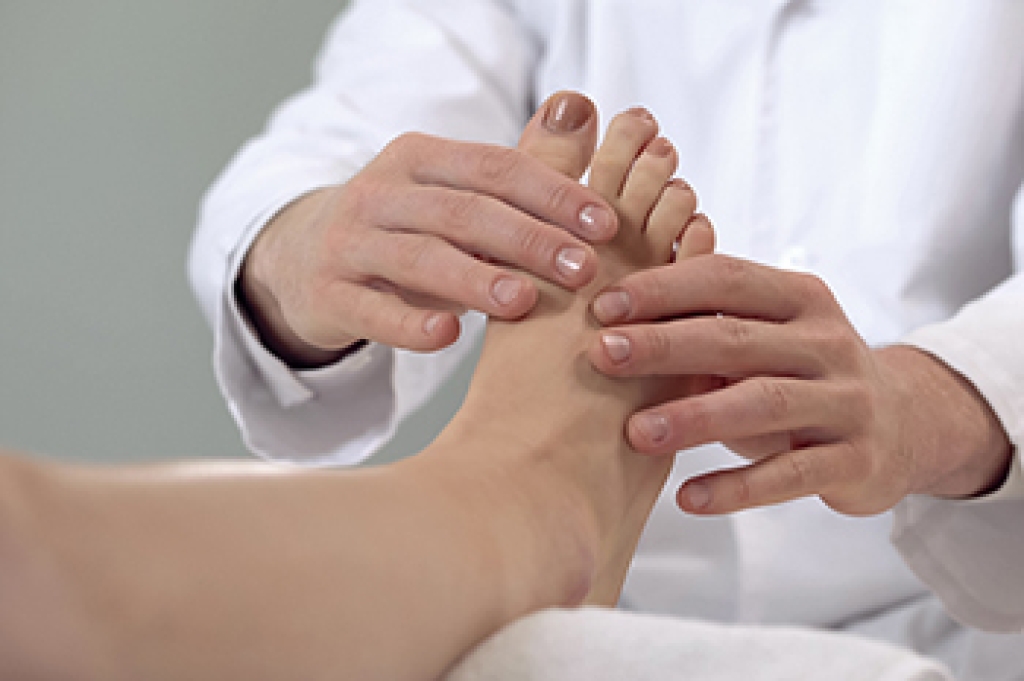
Read more about Causes Symptoms and Treatment for Poor Circulation in the Feet

Foot and Ankle Injuries in Martial Arts

Different martial arts can lead to different injuries. Martial arts seem safe for young athletes, especially at beginner and intermediate levels. The risk of injury with these sports is lower than other sports but can still happen. Strains, sprains, and bruising can occur when practicing martial arts. Strains can occur in both muscles and tendons from sudden and extreme force. Foot injuries usually result from kicks, jumps, or sparring. The toes can be jammed, leading to bruising, dislocation, or fractures. Ankle injuries are less common, however, some martial arts movements such as the stand and kick or step and punch may place the ankle at risk. Ankle sprains can happen while participating in these sports and often involve inversion injury to the lateral ankle ligaments as the participant bears weight on the outer edge of the foot. These same ligaments can be hurt by striking the heel so hard that the foot is pushed into plantarflexion. This can happen from heel kicking the floor as one lands to break a fall or by landing on the opponent’s foot. If you participate or plan to participate in martial arts, it would be helpful to see a podiatrist to learn how to prevent or treat foot injuries common to these sports.

Sports related foot and ankle injuries require proper treatment before players can go back to their regular routines. For more information, contact Kevin Powers, DPM of The Center for Lower Extremity Nerve Surgery. Our doctor can provide the care you need to keep you pain-free and on your feet.

Sports Related Foot and Ankle Injuries

Foot and ankle injuries are a common occurrence when it comes to athletes of any sport. While many athletes dismiss the initial aches and pains, the truth is that ignoring potential foot and ankle injuries can lead to serious problems. As athletes continue to place pressure and strain the area further, a mild injury can turn into something as serious as a rupture and may lead to a permanent disability. There are many factors that contribute to sports related foot and ankle injuries, which include failure to warm up properly, not providing support or wearing bad footwear. Common injuries and conditions athletes face, including:

  • Plantar Fasciitis
  • Achilles Tendinitis
  • Achilles Tendon Rupture
  • Ankle Sprains

Sports related injuries are commonly treated using the RICE method. This includes rest, applying ice to the injured area, compression and elevating the ankle. More serious sprains and injuries may require surgery, which could include arthroscopic and reconstructive surgery. Rehabilitation and therapy may also be required in order to get any recovering athlete to become fully functional again. Any unusual aches and pains an athlete sustains must be evaluated by a licensed, reputable medical professional.

If you have any questions please contact our offices located in Indianapolis and Bloomington, IN . We offer the newest diagnostic and treatment technologies for all your foot and ankle needs.

Read more about Sports Related Foot and Ankle Injuries

Weight Gain May Result in Larger Feet

People who have gained weight may be concerned that their feet have gotten larger. Weight gain generally affects the overall body, and the feet are no exception. They may increase in length and width, and larger shoes often need to be purchased, which may be bothersome to some people. However, the feet will feel better when comfortable shoes are worn. It is suggested that a healthy diet be consumed, which may start the process of weight reduction, including in the feet. Drinking plenty of water daily, and implementing a gentle exercise routine may accelerate the desired weight loss. Additionally, elevating the feet frequently may reduce excess fluid build-up. Research has shown it may be beneficial to purchase running shoes that are larger, which may help to accommodate the size of the feet as a result of increased blood flow while running. If you would like more information about obesity and how it can affect the feet, please confer with a podiatrist. 

Obesity has become very problematic at this point in time and can have extremely negative effects on the feet. If you’re an obese individual and are concerned about your feet, contact Kevin Powers, DPM from The Center for Lower Extremity Nerve Surgery. Our doctor can provide the care you need to keep you pain-free and on your feet.

Obesity and Your Feet

Since your feet are what support your entire weight when standing, any additional weight can result in pain and swelling. Being overweight is one of the main contributors to foot complications.

Problems & Complications

Extra Weight – Even putting on just a few extra pounds could create serious complications for your feet. As your weight increases, your balance and body will shift, creating new stresses on your feet. This uneven weight distribution can cause pain, even while doing the simplest tasks, such as walking.

Diabetes – People who are overweight are at serious risk of developing type-2 diabetes, which has a drastic impact on the health of your feet. As you get older, your diabetes might worsen, which could lead to loss of feeling in your feet, sores, and bruises. You could also become more prone to various infections.

Plantar fasciitis – Pressure and stress that is placed on muscles, joints, and tendons can trigger plantar fasciitis, which is an inflammation of tissue that forms along the bottom of the foot. 

If you have any questions, please feel free to contact our offices located in Indianapolis and Bloomington, IN . We offer the newest diagnostic and treatment technologies for all your foot care needs.

Read more about How Obesity Affects Your Feet

Contagious Athlete’s Foot

The foot condition known as athlete’s foot can be uncomfortable and many people are embarrassed at how their feet look when they are afflicted with this ailment. It is caused by a fungus that lives in warm and moist environments including shower room floors, public swimming pools, and locker rooms. The fungus can invade the body through small cracks in the skin on the feet and initial symptoms of athlete’s foot can consist of itchiness and redness. It is suggested to wear appropriate shoes while in these types of areas as this may help to control the spread of athlete's foot. It is a contagious foot condition, and it is suggested that towels, shoes, and socks should not be shared. The symptoms of untreated athlete’s foot may gradually worsen and if you suffer from this ailment, it is strongly suggested that you are under the care of a podiatrist who can offer you the correct treatment methods.

Athlete’s Foot

Athlete’s foot is often an uncomfortable condition to experience. Thankfully, podiatrists specialize in treating athlete’s foot and offer the best treatment options. If you have any questions about athlete’s foot, consult with Kevin Powers, DPM from The Center for Lower Extremity Nerve Surgery. Our doctor will assess your condition and provide you with quality treatment.

What Is Athlete’s Foot?

Tinea pedis, more commonly known as athlete’s foot, is a non-serious and common fungal infection of the foot. Athlete’s foot is contagious and can be contracted by touching someone who has it or infected surfaces. The most common places contaminated by it are public showers, locker rooms, and swimming pools. Once contracted, it grows on feet that are left inside moist, dark, and warm shoes and socks.

Prevention

The most effective ways to prevent athlete’s foot include:

  • Thoroughly washing and drying feet
  • Avoid going barefoot in locker rooms and public showers
  • Using shower shoes in public showers
  • Wearing socks that allow the feet to breathe
  • Changing socks and shoes frequently if you sweat a lot

Symptoms

Athlete’s foot initially occurs as a rash between the toes. However, if left undiagnosed, it can spread to the sides and bottom of the feet, toenails, and if touched by hand, the hands themselves. Symptoms include:

  • Redness
  • Burning
  • Itching
  • Scaly and peeling skin

Diagnosis and Treatment

Diagnosis is quick and easy. Skin samples will be taken and either viewed under a microscope or sent to a lab for testing. Sometimes, a podiatrist can diagnose it based on simply looking at it. Once confirmed, treatment options include oral and topical antifungal medications.

If you have any questions, please feel free to contact our offices located in Indianapolis and Bloomington, IN . We offer the newest diagnostic and treatment technologies for all your foot care needs.

Read more about How to Deal with Athlete's Foot

Connect With Us