
Heel pain can negatively affect your day-to-day life. Simple activities like walking can become incredibly uncomfortable or painful due to heel pain.
Don’t live with heel pain and get treated.
Heel pain can negatively affect your day-to-day life. Simple activities like walking can become incredibly uncomfortable or painful due to heel pain.
Don’t live with heel pain and get treated.
 Exercise keeps our bodies strong! Given that our feet are an integral part of everyday life and getting us where we need to be, it stands to reason that exercising our feet is necessary to keep them strong and healthy. After all, they are relatively small appendages to carry our weight. In addition to improving your overall health, exercising your feet on a regular basis can reduce the risk of injury. When problems arise in your feet causing pain or gait instability, various exercises can be done to improve the issue. A podiatrist can examine your feet, diagnose any current or emerging problems, and suggest exercises to help.
Exercising your feet regularly with the proper foot wear is a great way to prevent injuries and build strength. If you have any concerns about your feet, contact Kevin Powers, DPM from The Center for Lower Extremity Nerve Surgery. Our doctor can provide the care you need to keep you pain-free and on your feet.
Exercise for Your Feet
Exercise for your feet can help you gain strength, mobility and flexibility in your feet. They say that strengthening your feet can be just as rewarding as strengthening another part of the body. Your feet are very important, and we often forget about them in our daily tasks. But it is because of our feet that are we able to get going and do what we need to. For those of us fortunate enough to not have any foot problems, it is an important gesture to take care of them to ensure good health in the long run.
Some foot health exercises can include ankle pumps, tip-toeing, toe rises, lifting off the floor doing reps and sets, and flexing the toes. It is best to speak with Our doctor to determine an appropriate regimen for your needs. Everyone’s needs and bodies are different, and the activities required to maintain strength in the feet vary from individual to individual.
Once you get into a routine of doing regular exercise, you may notice a difference in your feet and how strong they may become.
If you have any questions, please feel free to contact our offices located in Indianapolis and Bloomington, IN . We offer the newest diagnostic and treatment technologies for all your foot care needs.
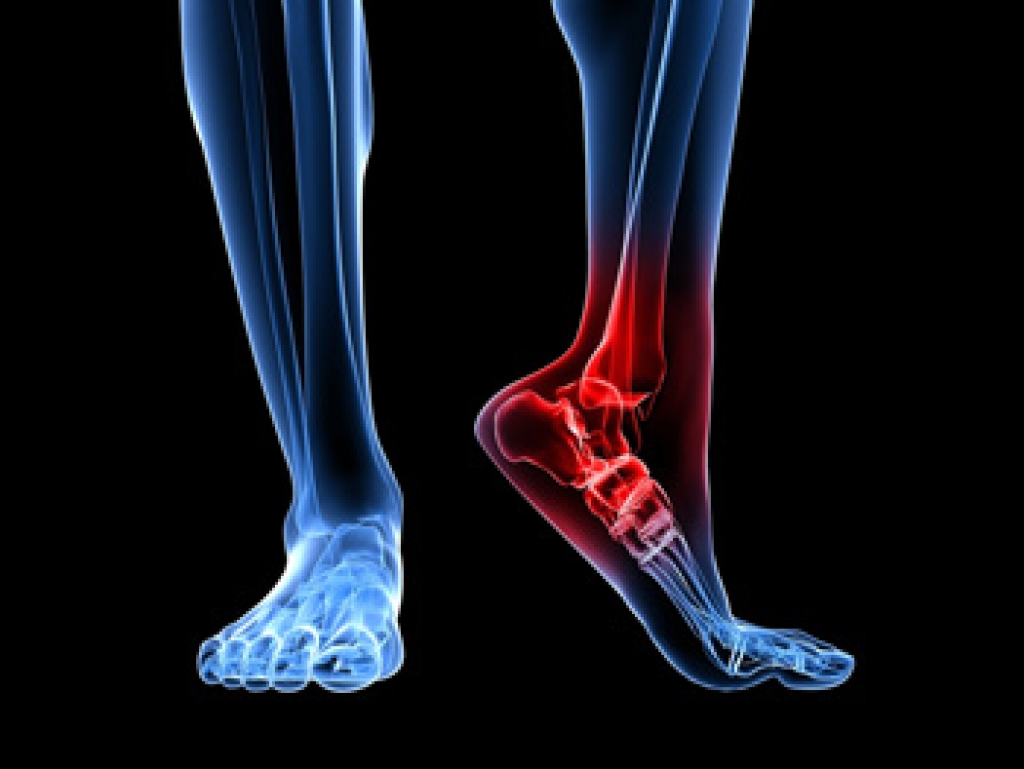
Plantar fasciitis will affect 1 in 10 people, mostly between the ages of 40-60, or younger if they are runners, athletes or dancers. The plantar fascia is the web-like fibrous tissue connecting the heel bone with the toes on the sole of the feet. Stress, micro-tears or other damage to the plantar fascia can cause it to become inflamed, which results in plantar fasciitis. This inflammation, in turn, causes the plantar fascia to tighten during periods of rest or inactivity and typically produces a sharp, stabbing pain towards the middle of heel, where the plantar fascia attaches to it. Initially, once activity is resumed (after waking in the morning, for example), and the plantar fascia begins to stretch, the pain may subside, but will reoccur later in the day. Contributing factors to plantar fasciitis include obesity, foot structure disorders such as flat feet or high arches, having to stand for prolonged periods, and participating in sporting activities with repetitive stress on the plantar fascia (i.e., running and jogging). If you have heel pain, it is a good idea to make an appointment with a podiatrist who can determine if plantar fasciitis is the cause and create a treatment plan to reduce your pain and help repair the plantar fascia.
Plantar fasciitis is a common foot condition that is often caused by a strain injury. If you are experiencing heel pain or symptoms of plantar fasciitis, contact Kevin Powers, DPM from The Center for Lower Extremity Nerve Surgery. Our doctor can provide the care you need to keep you pain-free and on your feet.
What Is Plantar Fasciitis?
Plantar fasciitis is one of the most common causes of heel pain. The plantar fascia is a ligament that connects your heel to the front of your foot. When this ligament becomes inflamed, plantar fasciitis is the result. If you have plantar fasciitis you will have a stabbing pain that usually occurs with your first steps in the morning. As the day progresses and you walk around more, this pain will start to disappear, but it will return after long periods of standing or sitting.
What Causes Plantar Fasciitis?
There are some risk factors that may make you more likely to develop plantar fasciitis compared to others. The condition most commonly affects adults between the ages of 40 and 60. It also tends to affect people who are obese because the extra pounds result in extra stress being placed on the plantar fascia.
Prevention
There are a variety of treatment options available for plantar fasciitis along with the pain that accompanies it. Additionally, physical therapy is a very important component in the treatment process. It is important that you meet with your podiatrist to determine which treatment option is best for you.
If you have any questions, please feel free to contact our offices located in Indianapolis and Bloomington, IN . We offer the newest diagnostic and treatment technologies for all your foot care needs.
Heel pain is a very common occurrence. It is usually felt under the heel or at the back of the heel. When pain and inflammation is located on the bottom of the heel toward the front of the foot, plantar fasciitis is typically the cause. Plantar fasciitis is a painful inflammation of the plantar fascia tissue, which runs along the bottom of the foot and connects the heel with the toes. Other causes of heel pain on the bottom of the foot may be attributed to heel pad atrophy or heel spurs. If pain is felt at the back of the heel, Achilles tendonitis is often at the root of the cause. This condition occurs when the Achilles tendon, which attaches to the back of the heel bone, becomes damaged or torn over time, causing pain and swelling. Other possible causes include bursitis, Sever’s disease, and heel bumps. Pain from a heel stress fracture can occur anywhere on the heel, and tarsal tunnel syndrome can cause heel pain underneath the ankle bone. Heel pain can also be caused by neurological issues, infections and arthritis. Unless you suffer an acute injury, heel pain typically starts out mild, but can become severe. If you are experiencing any type of heel pain, don’t hesitate to contact a podiatrist to find out the cause and take measures to keep it from worsening or becoming chronic or debilitating.
Many people suffer from bouts of heel pain. For more information, contact Kevin Powers, DPM of The Center for Lower Extremity Nerve Surgery. Our doctor can provide the care you need to keep you pain-free and on your feet.
Causes of Heel Pain
Heel pain is often associated with plantar fasciitis. The plantar fascia is a band of tissues that extends along the bottom of the foot. A rip or tear in this ligament can cause inflammation of the tissue.
Achilles tendonitis is another cause of heel pain. Inflammation of the Achilles tendon will cause pain from fractures and muscle tearing. Lack of flexibility is also another symptom.
Heel spurs are another cause of pain. When the tissues of the plantar fascia undergo a great deal of stress, it can lead to ligament separation from the heel bone, causing heel spurs.
Why Might Heel Pain Occur?
Treatments
Heel pain should be treated as soon as possible for immediate results. Keeping your feet in a stress-free environment will help. If you suffer from Achilles tendonitis or plantar fasciitis, applying ice will reduce the swelling. Stretching before an exercise like running will help the muscles. Using all these tips will help make heel pain a condition of the past.
If you have any questions, please feel free to contact our offices located in Indianapolis and Bloomington, IN . We offer the newest diagnostic and treatment technologies for all your foot care needs.
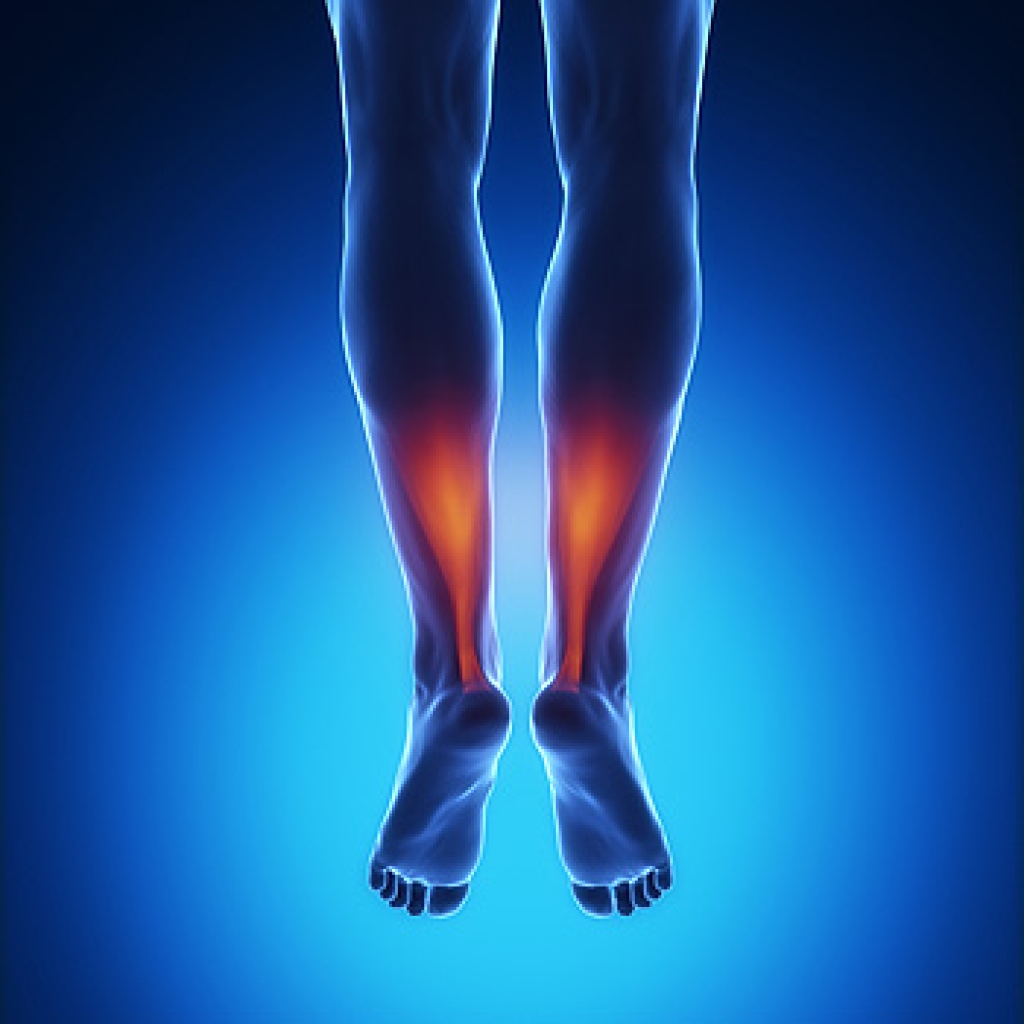 The Achilles tendon is a thick band of fibrous tissue that runs along the back of the lower leg, connecting the heel bone to the calf muscles. When the Achilles tendon is injured, resulting symptoms may include pain, aching, stiffness, soreness or tenderness in the heel or back of the leg, enlargement of the tendon, and damage to the surrounding tissues. There are two main types of Achilles tendon disorders – Achilles tendonitis and Achilles tendonosis. Tendonitis is a typically short-lived inflammation of the tendon. Tendonosis, which can evolve from tendonitis if the former is not treated promptly, can lead to tears in the tendon and degeneration over time. If you have symptoms of an Achilles tendon injury, it is suggested that you consult with a podiatrist.
Achilles tendon injuries need immediate attention to avoid future complications. If you have any concerns, contact Kevin Powers, DPM of The Center for Lower Extremity Nerve Surgery. Our doctor can provide the care you need to keep you pain-free and on your feet.
What Is the Achilles Tendon?
The Achilles tendon is a tendon that connects the lower leg muscles and calf to the heel of the foot. It is the strongest tendon in the human body and is essential for making movement possible. Because this tendon is such an integral part of the body, any injuries to it can create immense difficulties and should immediately be presented to a doctor.
What Are the Symptoms of an Achilles Tendon Injury?
There are various types of injuries that can affect the Achilles tendon. The two most common injuries are Achilles tendinitis and ruptures of the tendon.
Achilles Tendinitis Symptoms
Rupture Symptoms
Treatment and Prevention
Achilles tendon injuries are diagnosed by a thorough physical evaluation, which can include an MRI. Treatment involves rest, physical therapy, and in some cases, surgery. However, various preventative measures can be taken to avoid these injuries, such as:
If you have any questions please feel free to contact our offices located in Indianapolis and Bloomington, IN . We offer the newest diagnostic tools and technology to treat your foot and ankle needs.
Connect With Us
