Facts About Athlete’s Foot

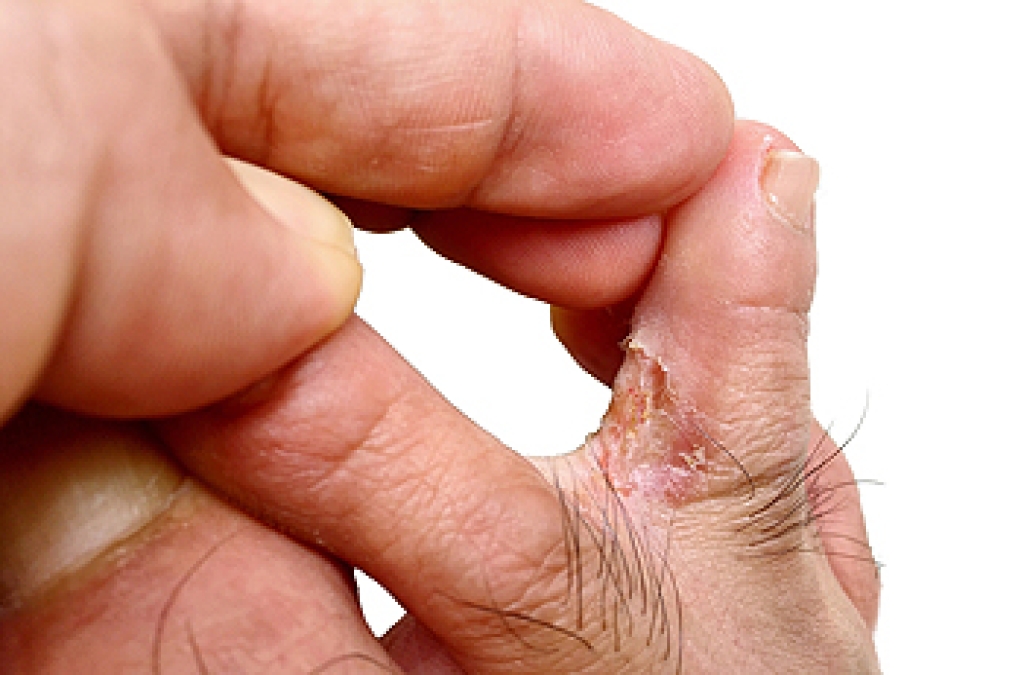
Athlete’s foot, also known as tinea pedis, is a common ailment caused by a fungal infection. It typically causes a skin rash characterized by itching, peeling, and cracking of the skin between the toes and on the sole of the foot. Since athlete’s foot is highly contagious, it can easily be spread to other people and other parts of your own body. Walking barefoot in swimming pool locker rooms and gym showers are common ways to obtain it. The fungi then continue to breed in your shoes, which can provide a moist, warm environment where the fungi thrive. Sharing towels or clothing that has been infected is another way it spreads. The three main types of athlete’s foot infections are toe web, moccasin type, and vesicular. Toe web infection usually forms between the toes. Moccasin type infection starts with soreness and spreads to the sole and heel, and in severe cases can infect toenails. Vesicular infection erupts into blisters, usually on the sole of your foot. Treatment of athlete’s foot depends on which type of infection you have developed. Ceasing the spread as soon as possible is essential, therefore, it is a good idea to immediately consult a podiatrist for a diagnosis and treatment plan. 

Athlete’s Foot

Athlete’s foot is often an uncomfortable condition to experience. Thankfully, podiatrists specialize in treating athlete’s foot and offer the best treatment options. If you have any questions about athlete’s foot, consult with Kevin Powers, DPM from The Center for Lower Extremity Nerve Surgery. Our doctor will assess your condition and provide you with quality treatment.

What Is Athlete’s Foot?

Tinea pedis, more commonly known as athlete’s foot, is a non-serious and common fungal infection of the foot. Athlete’s foot is contagious and can be contracted by touching someone who has it or infected surfaces. The most common places contaminated by it are public showers, locker rooms, and swimming pools. Once contracted, it grows on feet that are left inside moist, dark, and warm shoes and socks.

Prevention

The most effective ways to prevent athlete’s foot include:

  • Thoroughly washing and drying feet
  • Avoid going barefoot in locker rooms and public showers
  • Using shower shoes in public showers
  • Wearing socks that allow the feet to breathe
  • Changing socks and shoes frequently if you sweat a lot

Symptoms

Athlete’s foot initially occurs as a rash between the toes. However, if left undiagnosed, it can spread to the sides and bottom of the feet, toenails, and if touched by hand, the hands themselves. Symptoms include:

  • Redness
  • Burning
  • Itching
  • Scaly and peeling skin

Diagnosis and Treatment

Diagnosis is quick and easy. Skin samples will be taken and either viewed under a microscope or sent to a lab for testing. Sometimes, a podiatrist can diagnose it based on simply looking at it. Once confirmed, treatment options include oral and topical antifungal medications.

If you have any questions, please feel free to contact our offices located in Indianapolis and Bloomington, IN . We offer the newest diagnostic and treatment technologies for all your foot care needs.
Read more about Athlete’s Foot

Wounds That Don't Heal Need to Be Checked

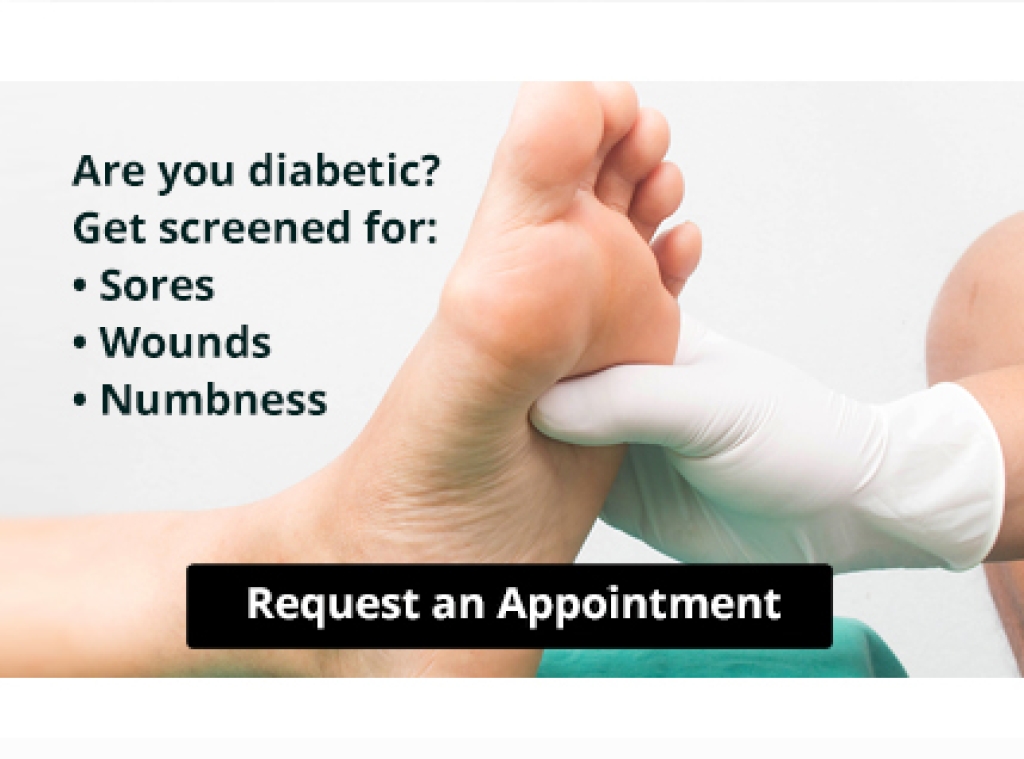
Your feet are covered most of the day. If you're diabetic, periodic screening is important for good health. Numbness is often a sign of diabetic foot and can mask a sore or wound.

The Benefits of Weight Loss on the Feet

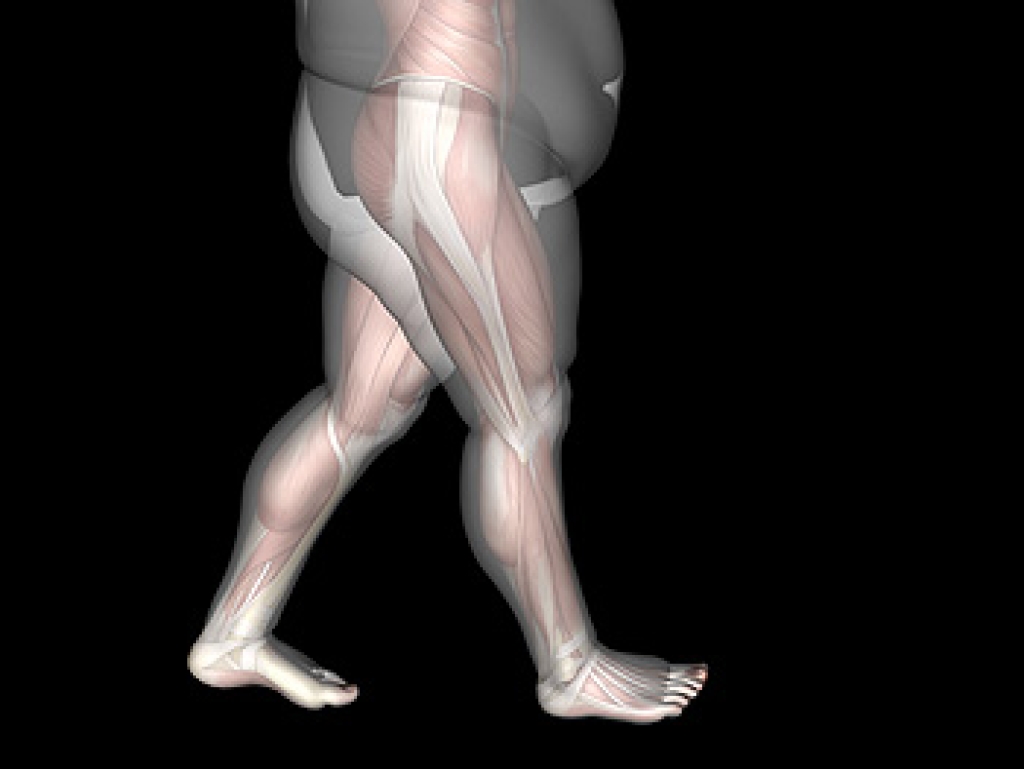
Patients who are obese may notice their feet have become larger. This can cause foot pain and the added weight the body endures can wear away at the fat pads on the bottom of the feet. People who have lost a significant amount of weight may find their shoes looser, despite the fact that the foot structure remains the same. The feet can reap the rewards when additional weight is lost. It may help to prevent gout, which is a painful foot condition. foot pain and foot inflammation due to circulatory issues may also improve. Additionally, the risk of getting osteoarthritis may be reduced when weight is lost. Minimal pain in the feet may lead to an increase in performing a frequent exercise, which can add strength to the feet. If you would like more information about how losing weight can benefit the feet please consult with a podiatrist who can answer any questions you may have.

The more you weigh, the harder your feet must work to support your body. If you’re an obese individual and are concerned about your feet, contact Kevin Powers, DPM from The Center for Lower Extremity Nerve Surgery. Our doctor can provide the care you need to keep you pain-free and on your feet.

Obesity and Your Feet

People who are overweight are putting more pressure on their ankles, knees, and hips as well as their feet. This unfortunately can lead to variety of different issues.

Problems & Complications Stemming from Obesity

  • When the body is overweight, it tries to compensate by changing the way that it moves. An obese person may lean forward and put extra weight on the wrong part of the foot. This puts unnecessary stress on the feet.
  • Obese people are also more likely to develop type II diabetes which is a condition that causes a lot of foot problems. People with diabetes often don’t feel the cuts and sores that they may have on their feet, which can lead to more complicated and severe issues.
  • Plantar fasciitis is another foot condition that can be caused by obesity. Plantar fasciitis is an inflammation of the tissue along the bottom of the foot, which causes pain and stiffness while walking and climbing stairs.

If you have any questions please contact our offices located in Indianapolis and Bloomington, IN . We offer the newest diagnostic and treatment technologies for all your foot and ankle needs.

Read more about Obesity and the Feet

Foot Conditions That May Come From Wearing High Heels

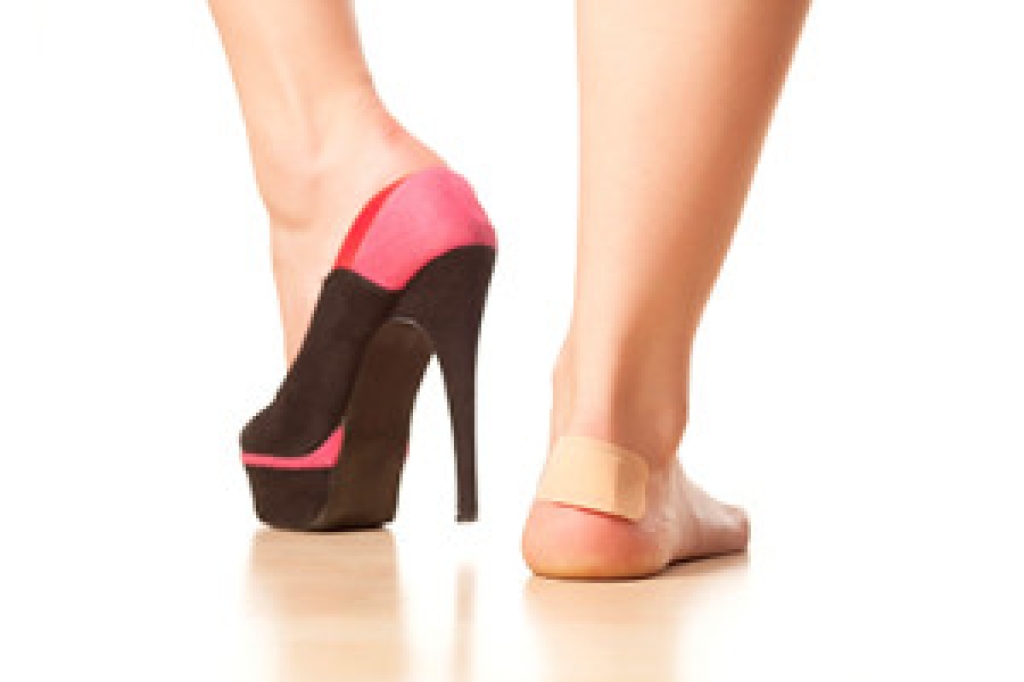
Many people stopped wearing high heels during last year's lockdown. People who have chosen to resume wearing high heels as more social and workplaces open up may be experiencing foot pain. This may be a result of a shortened Achilles tendon and may take time to adjust when high heels are worn again. There are foot conditions that may develop as a result of frequently wearing high heels, including plantar fasciitis, bunions, and hammertoes. Additionally, ailments consisting of Morton’s neuroma and corns may cause pain from wearing high heels. The good news is that high heels can be worn as desired when the heels that are chosen are not higher than an inch and a half. This can give the appearance that is wanted and the feet can be protected at the same time. If you have questions about how high heels can affect the feet, please feel free to confer with a podiatrist who can address any concerns you may have. 

High heels have a history of causing foot and ankle problems. If you have any concerns about your feet or ankles, contact Kevin Powers, DPM from The Center for Lower Extremity Nerve Surgery. Our doctor can provide the care you need to keep you pain-free and on your feet.

Effects of High Heels on the Feet

High heels are popular shoes among women because of their many styles and societal appeal.  Despite this, high heels can still cause many health problems if worn too frequently.

Which Parts of My Body Will Be Affected by High Heels?

  • Ankle Joints
  • Achilles Tendon – May shorten and stiffen with prolonged wear
  • Balls of the Feet
  • Knees – Heels cause the knees to bend constantly, creating stress on them
  • Back – They decrease the spine’s ability to absorb shock, which may lead to back pain.  The vertebrae of the lower back may compress.

What Kinds of Foot Problems Can Develop from Wearing High Heels?

  • Corns
  • Calluses
  • Hammertoe
  • Bunions
  • Morton’s Neuroma
  • Plantar Fasciitis

How Can I Still Wear High Heels and Maintain Foot Health?

If you want to wear high heeled shoes, make sure that you are not wearing them every day, as this will help prevent long term physical problems.  Try wearing thicker heels as opposed to stilettos to distribute weight more evenly across the feet.  Always make sure you are wearing the proper shoes for the right occasion, such as sneakers for exercising.  If you walk to work, try carrying your heels with you and changing into them once you arrive at work.  Adding inserts to your heels can help cushion your feet and absorb shock. Full foot inserts or metatarsal pads are available. 

If you have any questions, please feel free to contact our offices located in Indianapolis and Bloomington, IN . We offer the newest diagnostic and treatment technologies for all your foot care needs.
Read more about Why High Heels Are Not Ideal for Healthy Feet

Ways to Avoid Getting Blisters Caused by Running

Blisters are a common occurrence for runners, and it is a good idea to find ways to avoid getting them. A blister is caused by continuous rubbing of the skin of the feet and toes against the inside of the running shoe. As the skin is disturbed it forms a pocket that fills with fluid, which if ignored will likely pop and possibly become infected. It also can become extremely painful. To avoid blisters, take a look at your footwear. Choose a running shoe that provides ample room for your toes and properly supports the arch. It is suggested that you break in your new shoes gently before taking a long run. It is equally important to wear socks that minimize friction, offer additional support for your feet, and wick moisture, all of which can help to combat the formation of blisters. Further, some running experts recommend moisturizing your feet prior to a run, to reduce friction. If you have a history of blisters, or if you have one that is causing extreme pain, please see a podiatrist as soon as possible for other treatment options. 

Exercising your feet regularly with the proper foot wear is a great way to prevent injuries. If you have any concerns about your feet, contact Kevin Powers, DPM of The Center for Lower Extremity Nerve Surgery. Our doctor will treat your foot and ankle needs.

How to Prevent Running Injuries

Many common running injuries are caused by overuse and overtraining. When the back of the kneecap starts wearing out and starts causing pain in your knee, this is commonly referred to as runner’s knee. Runner’s knee is a decrease in strength in your quadriceps and can occur if you’re not wearing properly fitted or supporting shoes. To prevent runner’s knee, focusing on hip strengthening is a good idea, as well as strengthening your quads to keep the kneecaps aligned.

What Are Some Causes of Running Injuries? 
- One cause of a common running injury is called iliotibial band syndrome.
- Plantar fasciitis is also another common injury.
- Stress fractures can occur from overtraining, lack of calcium, or even your running style.

Best Ways to Prevent Running Injuries
- Wear footwear that fits properly and suits your running needs.
- Running shoes are the only protective gear that runners have to safeguard them from injury.
- Make a training schedule. Adding strengthening exercises as well as regular stretching can help keep you strong and limber and can lessen the possibility of injuries.
- Stretching keeps muscles limber; this will help you gain better flexibility.

If you have any questions, please feel free to contact our offices located in Indianapolis and Bloomington, IN . We offer the newest diagnostic and treatment technologies for all your foot care needs.
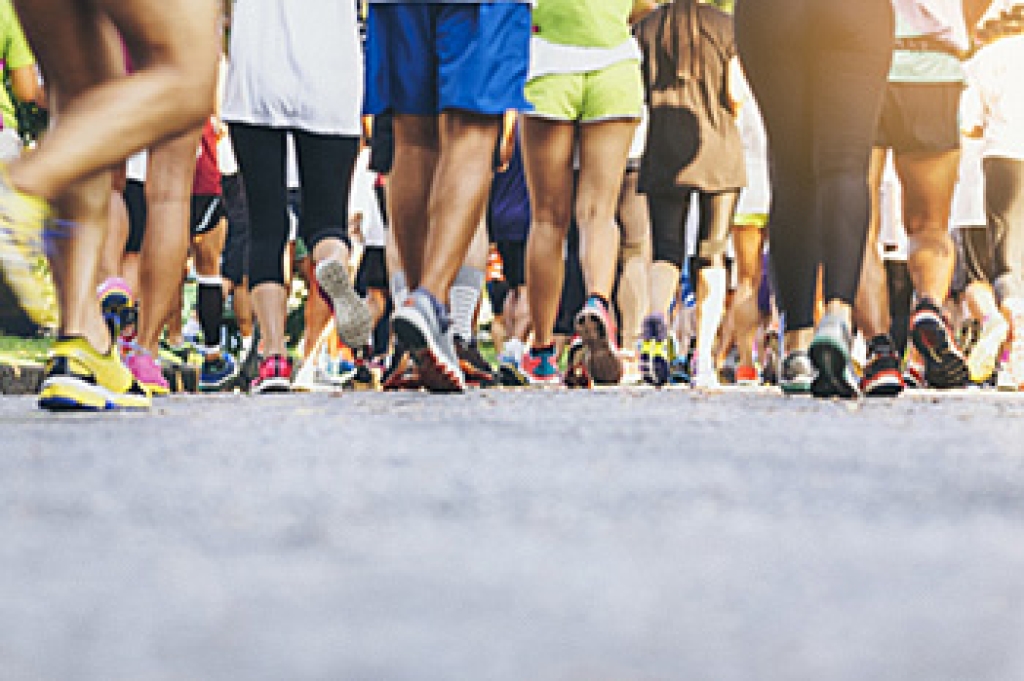
Read more about How to Prevent Running Injuries

Connect With Us