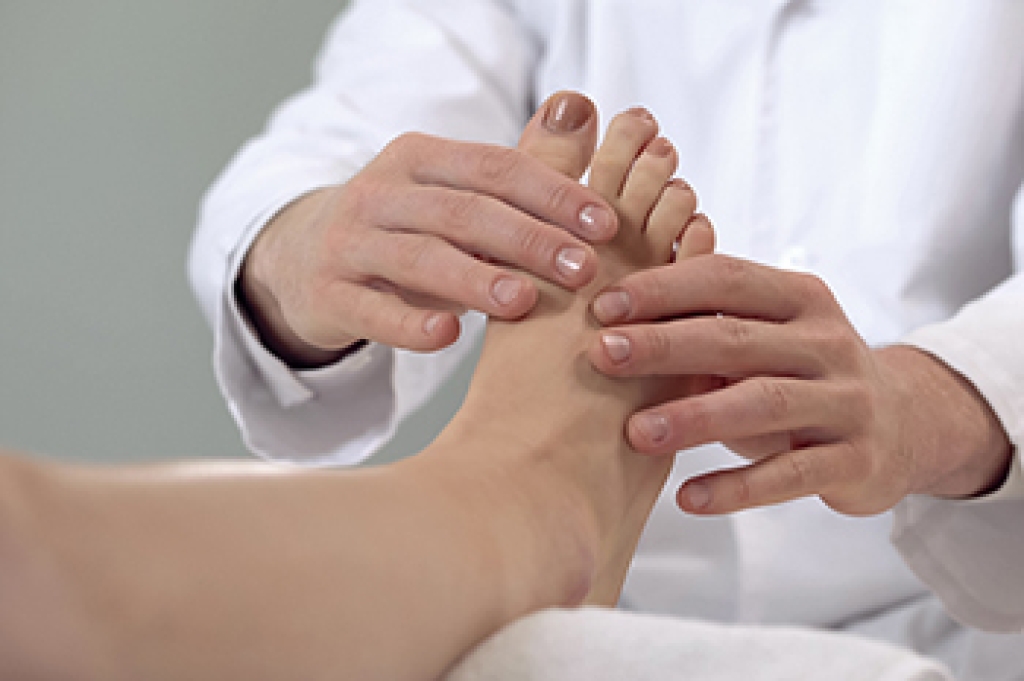
Contagious Athlete’s Foot

The foot condition known as athlete’s foot can be uncomfortable and many people are embarrassed at how their feet look when they are afflicted with this ailment. It is caused by a fungus that lives in warm and moist environments including shower room floors, public swimming pools, and locker rooms. The fungus can invade the body through small cracks in the skin on the feet and initial symptoms of athlete’s foot can consist of itchiness and redness. It is suggested to wear appropriate shoes while in these types of areas as this may help to control the spread of athlete's foot. It is a contagious foot condition, and it is suggested that towels, shoes, and socks should not be shared. The symptoms of untreated athlete’s foot may gradually worsen and if you suffer from this ailment, it is strongly suggested that you are under the care of a podiatrist who can offer you the correct treatment methods.

Athlete’s Foot

Athlete’s foot is often an uncomfortable condition to experience. Thankfully, podiatrists specialize in treating athlete’s foot and offer the best treatment options. If you have any questions about athlete’s foot, consult with Kevin Powers, DPM from The Center for Lower Extremity Nerve Surgery. Our doctor will assess your condition and provide you with quality treatment.

What Is Athlete’s Foot?

Tinea pedis, more commonly known as athlete’s foot, is a non-serious and common fungal infection of the foot. Athlete’s foot is contagious and can be contracted by touching someone who has it or infected surfaces. The most common places contaminated by it are public showers, locker rooms, and swimming pools. Once contracted, it grows on feet that are left inside moist, dark, and warm shoes and socks.

Prevention

The most effective ways to prevent athlete’s foot include:

  • Thoroughly washing and drying feet
  • Avoid going barefoot in locker rooms and public showers
  • Using shower shoes in public showers
  • Wearing socks that allow the feet to breathe
  • Changing socks and shoes frequently if you sweat a lot

Symptoms

Athlete’s foot initially occurs as a rash between the toes. However, if left undiagnosed, it can spread to the sides and bottom of the feet, toenails, and if touched by hand, the hands themselves. Symptoms include:

  • Redness
  • Burning
  • Itching
  • Scaly and peeling skin

Diagnosis and Treatment

Diagnosis is quick and easy. Skin samples will be taken and either viewed under a microscope or sent to a lab for testing. Sometimes, a podiatrist can diagnose it based on simply looking at it. Once confirmed, treatment options include oral and topical antifungal medications.

If you have any questions, please feel free to contact our offices located in Indianapolis and Bloomington, IN . We offer the newest diagnostic and treatment technologies for all your foot care needs.

Read more about How to Deal with Athlete's Foot

Are You Suffering From Nerve Damage?

Neuropathy is a condition that can lead to numbness or loss of sensation in the feet, but it can also cause pain. This condition is more likely to develop for those who are diabetic, obese, or with high blood pressure.

Orthotics and Overpronation

Overpronation is a type of gait that occurs when an individual’s feet roll excessively downward or inward during movement. To mitigate overpronation, you might be able to use orthotics, which are shoe inserts that correct foot or gait abnormalities. If you have overpronation, you may benefit from using custom-made orthotics that are designed after conducting an analysis of your individual walking style and tendencies. In some cases, individuals who wore orthotics to correct their overpronation demonstrated better balance and even a reduction in pain. If you suspect that you have overpronation, contact a podiatrist (a foot specialist) who can determine whether wearing supportive orthotics can positively impact your gait. 

If you are having discomfort in your feet and would like to try orthotics, contact Kevin Powers, DPM from The Center for Lower Extremity Nerve Surgery. Our doctor can provide the care you need to keep you pain-free and on your feet.

What Are Orthotics?

Orthotics are inserts you can place into your shoes to help with a variety of foot problems such as flat feet or foot pain. Orthotics provide relief and comfort for minor foot and heel pain but can’t correct serious biomechanical problems in your feet.

Over-the-Counter Inserts

Orthotics come in a wide variety of over-the-counter inserts that are used to treat foot pain, heel pain, and minor problems. For example, arch supports can be inserted into your shoes to help correct overarched or flat feet, while gel insoles are often used because they provide comfort and relief from foot and heel pain by alleviating pressure.

Prescription Orthotics

If over-the-counter inserts don’t work for you or if you have a more severe foot concern, it is possible to have your podiatrist prescribe custom orthotics. These high-quality inserts are designed to treat problems such as abnormal motion, plantar fasciitis, and severe forms of heel pain. They can even be used to help patients suffering from diabetes by treating foot ulcers and painful calluses and are usually molded to your feet individually, which allows them to provide full support and comfort.

If you are experiencing minor to severe foot or heel pain, it’s recommended to speak with your podiatrist about the possibilities of using orthotics. A podiatrist can determine which type of orthotic is right for you and allow you to take the first steps towards being pain-free.

If you have any questions, please feel free to contact our offices located in Indianapolis and Bloomington, IN . We offer the newest diagnostic and treatment technologies for all your foot care needs.
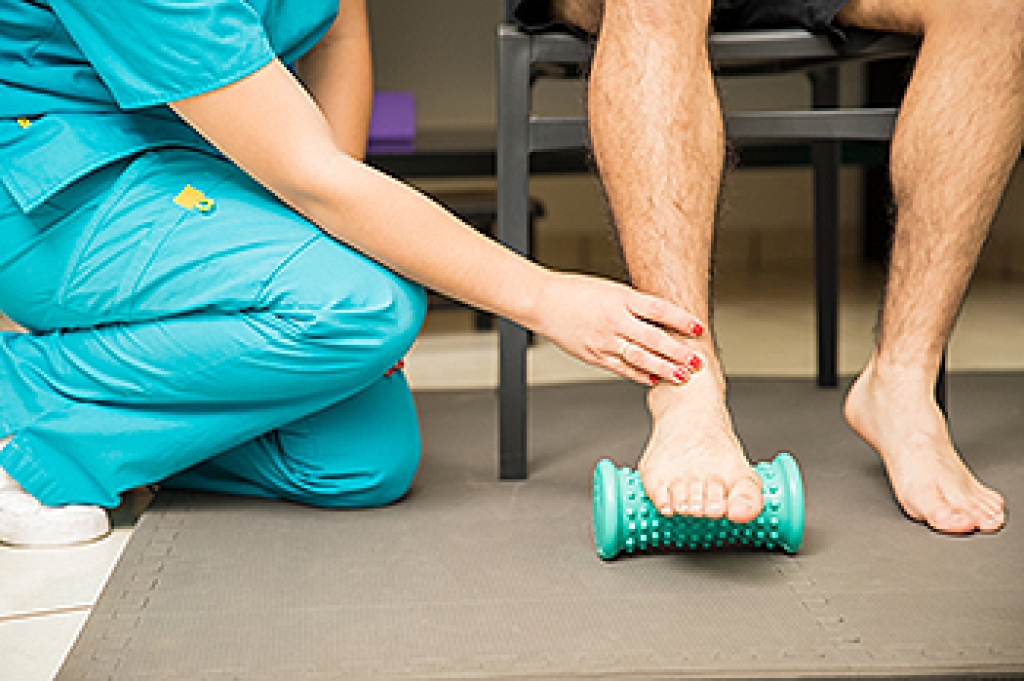
Read more about Ankle Foot Orthotics for Athletes

Prevention of Plantar Fasciitis

Plantar fasciitis is a condition condition involving inflammation in the ligament that extends from the toes to the heels. It is one of the most common causes of heel pain. This affliction can cause sharp pain, especially when arising in the morning, and can interfere with walking or exercise. Plantar fasciitis is caused by activities that place stress on the heel, such as running or jumping, and standing on hard surfaces for a prolonged period of time. Additionally, obesity and aging may contribute significantly to developing plantar fasciitis. Preventive measures that can be taken may include varying exercise routines to work different muscles and including low impact exercise options to reduce stress on the heel. It may be beneficial to wear a night splint on the affected foot to keep the foot and ankle in the optimal position. If you believe that you have plantar fasciitis, it is strongly suggested that you visit a podiatrist who can properly diagnose this condition and obtain treatment that may be more effective for you.

Plantar fasciitis can be very painful and inconvenient. If you are experiencing heel pain or symptoms of plantar fasciitis, contact Kevin Powers, DPM  from The Center for Lower Extremity Nerve Surgery. Our doctor can provide the care you need to keep you pain-free and on your feet.

What Is Plantar Fasciitis?

Plantar fasciitis is the inflammation of the thick band of tissue that runs along the bottom of your foot, known as the plantar fascia, and causes mild to severe heel pain.

What Causes Plantar Fasciitis?

  • Excessive running
  • Non-supportive shoes
  • Overpronation
  • Repeated stretching and tearing of the plantar fascia

How Can It Be Treated?

  • Conservative measures – anti-inflammatories, ice packs, stretching exercises, physical therapy, orthotic devices
  • Shockwave therapy – sound waves are sent to the affected area to facilitate healing and are usually used for chronic cases of plantar fasciitis
  • Surgery – usually only used as a last resort when all else fails. The plantar fascia can be surgically detached from the heel

While very treatable, plantar fasciitis is definitely not something that should be ignored. Especially in severe cases, speaking to your doctor right away is highly recommended to avoid complications and severe heel pain. Your podiatrist can work with you to provide the appropriate treatment options tailored to your condition.

If you have any questions, please feel free to contact our offices located in Indianapolis and Bloomington, IN . We offer the newest diagnostic and treatment technologies for all your foot care needs.
Read more about Plantar Fasciitis

Flip Flops and Foot Pain

Despite the fact that flip-flops are perhaps one of the most widespread and popular forms of footwear during the summer months, flip-flops can also negatively impact your feet. For example, wearing flip-flops for too long and during prolonged periods of physical activity might contribute to foot pain. Since an individual must tighten and scrunch up their toes to prevent their flip-flops from falling off, this prolonged tension can contribute significantly to foot pain. Also, flip-flops offer a substantially low level of foot support. As the shoe is essentially a mere piece of foam, the wearer does not benefit from any cushioning or padding found in other forms of footwear. This lack of padding can aggravate conditions such as plantar fasciitis, which can cause heel pain. Plantar fasciitis occurs when the plantar fascia, which is a band of tissue running through the arch of the foot, becomes inflamed and strained. Like all things, flip-flops are perhaps best worn in moderation. For instance, if you are taking a walk up the block to go to the beach, wearing flip-flops might be an appropriate choice. However, if you are about to embark on a long walk or hike, selecting a more supportive shoe might be the better option. If you wear flip-flops and experience some kind of foot pain, consider reaching out to a podiatrist who can help you.

Flip-flops are not always the best choice of footwear. If you have any concerns about your feet or ankles, contact Kevin Powers, DPM from The Center for Lower Extremity Nerve Surgery. Our doctor will assist you with all of your foot and ankle needs.

Flip-Flops and Feet

When the weather starts warming up, people enjoy wearing flip-flops.  Flip-flops are comfortable, stylish, and easy to slip on and off; they're perfect for any summer beach goer.  However, these shoes can cause harm to the feet.

How Can Flip-Flops Affect Me Long-Term?

  • Ankle problems
  • Hip problems
  • Lower back problems
  • Pain in the balls of the feet
  • Problems with foot arches
  • Changes in the way you walk

Are There Injuries Associated with Flip-Flops?

Yes.  Since flip-flops are relatively weak and do not provide the same amount of support as sneakers, people who wear flip-flops regularly are more susceptible to injuries. On top of that, the open nature of the shoe makes your feet more prone to other problems, such as cuts and even infections.  Common injuries and ailments include:

  • Sprained ankles
  • Blisters
  • Infections
  • Cuts and Scrapes

I like Wearing Flip-Flops. Are There Safe Alternatives?

When buying flip-flops, try to find ones that have sturdy soles and that are made of high-quality materials that will support for your feet.  These flip-flops will cost more but will also last longer as a result.

If you have any questions, please feel free to contact our offices located in Indianapolis and Bloomington, IN . We offer the newest diagnostic and treatment technologies for all your foot care needs.

Read more about Flip Flops and Your Feet

Connect With Us