Complications of Peripheral Neuropathy

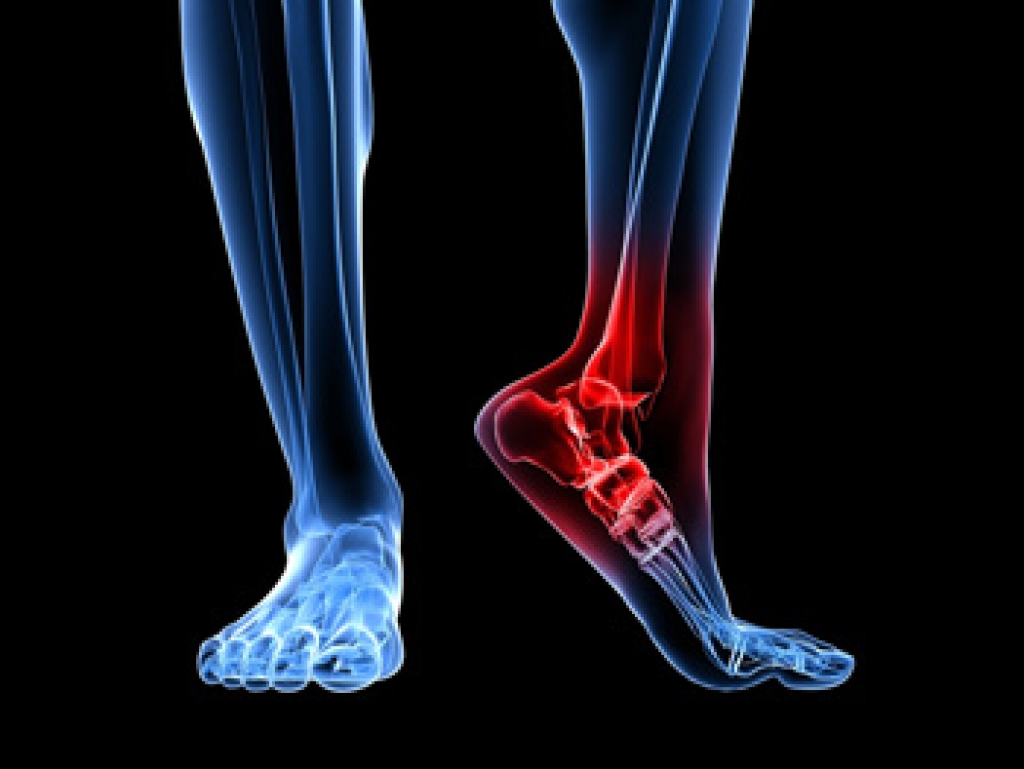
When the nerves in the extremities (feet and hands) are damaged, a condition known as peripheral neuropathy can develop. Diabetes is thought to be a major contributor to peripheral neuropathy. Symptoms can include numbness, shooting pain, tingling, and swelling. Among the most serious complications of this condition are developing foot ulcers, gangrene, and cardiovascular problems. A diabetic foot ulcer is simply a wound (usually on the foot) that takes a long time to heal. Because the foot is numb, it is often difficult to know when you have been injured or developed blisters. These sores can easily become infected, and if left untreated can then develop into gangrene. In extreme cases, gangrene can lead to amputation or even death. If you have a sore that won’t heal, have diabetes, or feel numbness in your feet and toes, it is extremely important to see a podiatrist as soon as possible for an exam, diagnosis and treatment options.   

Neuropathy

Neuropathy can be a potentially serious condition, especially if it is left undiagnosed. If you have any concerns that you may be experiencing nerve loss in your feet, consult with Kevin Powers, DPM from The Center for Lower Extremity Nerve Surgery. Our doctor will assess your condition and provide you with quality foot and ankle treatment for neuropathy.

What Is Neuropathy?

Neuropathy is a condition that leads to damage to the nerves in the body. Peripheral neuropathy, or neuropathy that affects your peripheral nervous system, usually occurs in the feet. Neuropathy can be triggered by a number of different causes. Such causes include diabetes, infections, cancers, disorders, and toxic substances.

Symptoms of Neuropathy Include:

  • Numbness
  • Sensation loss
  • Prickling and tingling sensations
  • Throbbing, freezing, burning pains
  • Muscle weakness

Those with diabetes are at serious risk due to being unable to feel an ulcer on their feet. Diabetics usually also suffer from poor blood circulation. This can lead to the wound not healing, infections occurring, and the limb may have to be amputated.

Treatment

To treat neuropathy in the foot, podiatrists will first diagnose the cause of the neuropathy. Figuring out the underlying cause of the neuropathy will allow the podiatrist to prescribe the best treatment, whether it be caused by diabetes, toxic substance exposure, infection, etc. If the nerve has not died, then it’s possible that sensation may be able to return to the foot.

Pain medication may be issued for pain. Electrical nerve stimulation can be used to stimulate nerves. If the neuropathy is caused from pressure on the nerves, then surgery may be necessary.

If you have any questions, please feel free to contact our offices located in Indianapolis and Bloomington, IN . We offer the newest diagnostic and treatment technologies for all your foot care needs.


Read more about Neuropathy

Why Live with Pain and Numbness in Your Feet?

Suffering from this type of pain? You may have the foot condition known as Morton's neuroma. Morton's neuroma may develop as a result of ill-fitting footwear and existing foot deformities. We can help.

How You Can Protect Your Limbs as a Diabetic

While complications of diabetes, such as poor circulation and neuropathy, can make a wound easier to develop and harder to detect and heal, there are many preventative measures you and your podiatrist can take to reduce your risk of amputation. On your end, make foot care a priority. Wear shoes and socks that fit well and don’t rub against any part of your feet or cut off circulation. Avoid walking barefoot. Elevate your feet and wiggle your toes frequently to keep the blood flowing. Eat a balanced diet and exercise to help manage your sugar levels and maintain a healthy body weight. Don’t smoke. Inspect your feet twice a day, using a mirror if needed, to see the bottom of your feet. Get to your podiatrist right away if you spot anything unusual. Early recognition/treatment of a problem can greatly reduce your risk of amputation. Some wounds may be avoided by getting regular foot screenings and having a podiatrist trim your toenails and treat any corns or calluses. They may also prescribe diabetic shoes and create custom orthotics to prevent foot injuries. If a wound does develop, your podiatrist can dress your wound appropriately, remove dead skin and tissue (debridement), reduce pressure and friction on the wound, and help restore adequate blood flow. They can also advise you on how to properly care for your wound at home. In cases where a higher level of wound care is necessary, your podiatrist may be able to use skin or bone grafts, or perform reconstructive surgery to replace or rebuild infected or necrotic bones, tendons and tissue.

Limb salvage can be an effective way in preventing the need for limb amputation. If you have diabetes, cancer, or any other condition that could lead to foot amputation if left unchecked, consult with Kevin Powers, DPM from The Center for Lower Extremity Nerve Surgery. Our doctor will assess your condition and provide you with quality foot and ankle treatment.

What Is Limb Salvage?

Limb salvage is the attempt of saving a limb, such as the foot from amputation. Podiatrists also try to make sure that there is enough function in the foot after the salvage that it is still usable. Diabetes is the number one cause of non-traumatic amputations in the United States. Those with diabetes experience poor blood circulation, which prevents proper healing of an ulcer. If the ulcer is left uncheck, it could become infected, which could result in the need for amputation.

However, there are other causes as well, such as cancer and traumatic injury. Links between higher mortality rates and amputation have been found. This translates into higher healthcare costs, and a reduced quality of life and mobility for amputees. Podiatrists have attempted to increase the prevalence of limb salvage in an attempt to solve these issues.

Diagnosis and Treatment

Limb salvage teams have grown in recent years that utilize a number of different treatments to save the infected limb. This includes podiatrists that specialize in wound care, rehabilitation, orthotics, and surgery. Through a combination of these methods, limb salvage has been found to be an effective treatment for infected limbs, and as an alternative to amputation. Podiatrists will first evaluate the potential for limb salvage and determine if the limb can be saved or must be amputated. 

If you have any questions, please feel free to contact our offices located in Indianapolis and Bloomington, IN . We offer the newest diagnostic and treatment technologies for all your foot care needs.
Read more about Limb Salvage

What Can I Do About Athlete’s Foot?

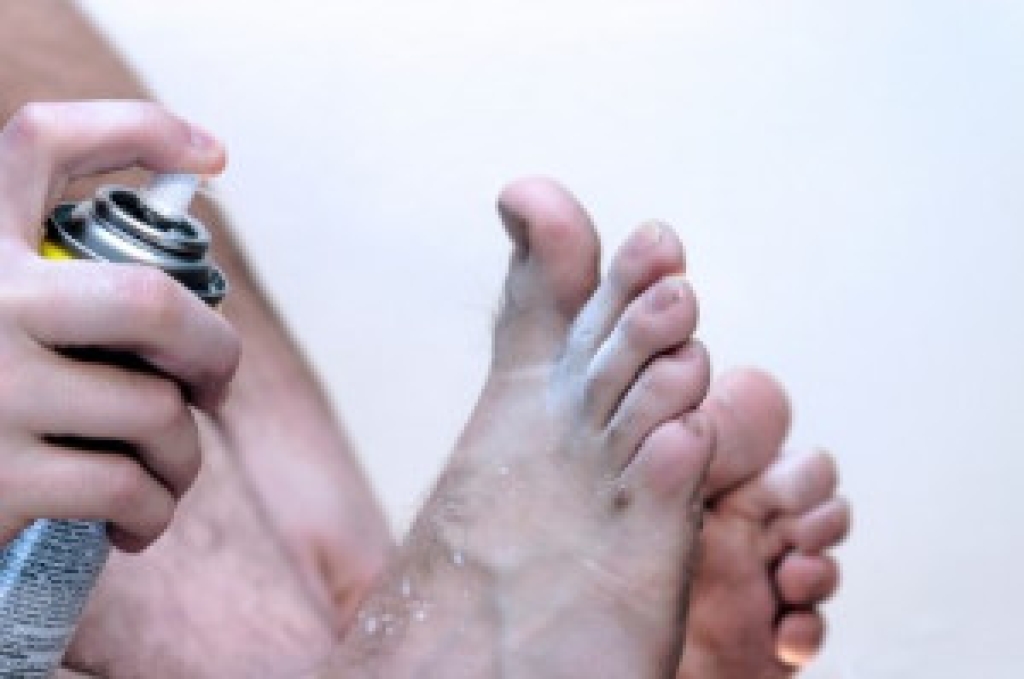
Anyone can get athlete’s foot, particularly if they have damp or sweaty feet, because it is a fungal infection that thrives in warm, moist conditions. The main symptoms are itchy blisters, redness, and scaling either between the toes or on the soles of the feet. Athlete’s foot, known as tinea pedis, is extremely contagious and most apt to be spread in gym locker rooms, pool showers, or anywhere infected people walk barefoot. While athlete’s foot is not particularly serious, it can become a problem because it can easily spread to other parts of the body, such as toenails and hands. The best way to prevent it is to wear foot coverings in places where it is likely to spread. Second, it’s a good idea to make sure your feet are clean and completely dry and wear absorbent socks. If it is too late, there are numerous anti-fungal sprays available over the counter that can help to reduce symptoms. If the condition lingers or your toenails or foot becomes infected, it is strongly suggested that you see a podiatrist as soon as possible for more aggressive treatment options. 

Athlete’s foot is an inconvenient condition that can be easily reduced with the proper treatment. If you have any concerns about your feet and ankles, contact Kevin Powers, DPM from The Center for Lower Extremity Nerve Surgery.  Our doctor will treat your foot and ankle needs.

Athlete’s Foot: The Sole Story

Athlete's foot, also known as tinea pedis, can be an extremely contagious foot infection. It is commonly contracted in public changing areas and bathrooms, dormitory style living quarters, around locker rooms and public swimming pools, or anywhere your feet often come into contact with other people.

Solutions to Combat Athlete’s Foot

  • Hydrate your feet by using lotion
  • Exfoliate
  • Buff off nails
  • Use of anti-fungal products
  • Examine your feet and visit your doctor if any suspicious blisters or cuts develop

Athlete’s foot can cause many irritating symptoms such as dry and flaking skin, itching, and redness. Some more severe symptoms can include bleeding and cracked skin, intense itching and burning, and even pain when walking. In the worst cases, Athlete’s foot can cause blistering as well. Speak to your podiatrist for a better understanding of the different causes of Athlete’s foot, as well as help in determining which treatment options are best for you.

If you have any questions please feel free to contact our offices located in Indianapolis and Bloomington, IN . We offer the newest diagnostic and treatment technologies for all your foot and ankle needs.

Read more about How to Deal with Athlete's Foot

What Is Tarsal Tunnel Syndrome?

If you feel numbness, pins and needles, or pain in the bottom of your foot, you may have a condition known as tarsal tunnel syndrome. These symptoms may also extend to the toes and heel. The cause is likely to be an obstruction under the band of tissue that attaches the inner ankle to the heel and forms the tarsal tunnel. A number of blood vessels and tendons, along with the tibial nerve, pass through the tunnel. Pressure on the posterior tibial nerve may be caused by excess fluid following an ankle injury, fallen arches, footwear that is too tight, obesity, cysts, or bone spurs. A podiatrist can help determine the exact cause of the pain and offer treatment options such as steroid injections, orthotics, and/or braces. In some cases, surgery is necessary. It is a good idea to consult a podiatrist for an examination and diagnosis.

Tarsal tunnel syndrome can be very uncomfortable to live with. If you are experiencing tarsal tunnel syndrome, contact Kevin Powers, DPM of The Center for Lower Extremity Nerve Surgery. Our doctor can provide the care you need to keep you pain-free and on your feet.

Tarsal Tunnel Syndrome

Tarsal tunnel syndrome, which can also be called tibial nerve dysfunction, is an uncommon condition of misfiring peripheral nerves in the foot. The tibial nerve is the peripheral nerve in the leg responsible for sensation and movement of the foot and calf muscles. In tarsal tunnel syndrome, the tibial nerve is damaged, causing problems with movement and feeling in the foot of the affected leg.

Common Cause of Tarsal Tunnel Syndrome

  • Involves pressure or an injury, direct pressure on the tibial nerve for an extended period of time, sometimes caused by other body structures close by or near the knee.
  • Diseases that damage nerves, including diabetes, may cause tarsal tunnel syndrome.
  • At times, tarsal tunnel syndrome can appear without an obvious cause in some cases.

The Effects of Tarsal Tunnel Syndrome

  • Different sensations, an afflicted person may experience pain, tingling, burning or other unusual sensations in the foot of the affected leg.
  • The foot muscles, toes and ankle become weaker, and curling your toes or flexing your foot can become difficult.
  • If condition worsens, infections and ulcers may develop on the foot that is experiencing the syndrome.

A physical exam of the leg can help identify the presence of tarsal tunnel syndrome. Medical tests, such as a nerve biopsy, are also used to diagnose the condition. Patients may receive physical therapy and prescriptive medication. In extreme cases, some may require surgery.

If you have any questions please contact our offices located in Indianapolis and Bloomington, IN . We offer the newest diagnostic and treatment technologies for all your foot and ankle needs.

Read more about Treating Tarsal Tunnel Syndrome

Aftereffects of a Sprained Ankle

Sometimes after a sprained ankle begins to heal, the ankle joint may still hurt and become swollen. It also may click or lock and become stiff. The pain worsens when bearing weight. The cause may be an overlooked fracture of the cartilage that sits just under the lower leg bone (tibia) and the top ankle bone (talus). The fancy name for this condition is osteochondral lesions of the talus, and another bone scan or MRI may be necessary to properly diagnose it. The injury is likely to occur when the tibia lands directly on the talus, thereby compressing the cartilage in between the two bones. In some cases a bit of cartilage breaks off but remains in place. There are five levels of severity and treatment, ranging from non-surgical methods to arthroscopic surgery. If left untreated, osteochondral lesions of the talus may cause chronic pain and swelling, limit joint motion, or result in bone damage. If such ankle problems continue following a sprain, it is a good idea to see a podiatrist for in-depth investigation and diagnosis of the injured site.

Sports related foot and ankle injuries require proper treatment before players can go back to their regular routines. For more information, contact Kevin Powers, DPM of The Center for Lower Extremity Nerve Surgery. Our doctor can provide the care you need to keep you pain-free and on your feet.

Sports Related Foot and Ankle Injuries

Foot and ankle injuries are a common occurrence when it comes to athletes of any sport. While many athletes dismiss the initial aches and pains, the truth is that ignoring potential foot and ankle injuries can lead to serious problems. As athletes continue to place pressure and strain the area further, a mild injury can turn into something as serious as a rupture and may lead to a permanent disability. There are many factors that contribute to sports related foot and ankle injuries, which include failure to warm up properly, not providing support or wearing bad footwear. Common injuries and conditions athletes face, including:

  • Plantar Fasciitis
  • Achilles Tendinitis
  • Achilles Tendon Rupture
  • Ankle Sprains

Sports related injuries are commonly treated using the RICE method. This includes rest, applying ice to the injured area, compression and elevating the ankle. More serious sprains and injuries may require surgery, which could include arthroscopic and reconstructive surgery. Rehabilitation and therapy may also be required in order to get any recovering athlete to become fully functional again. Any unusual aches and pains an athlete sustains must be evaluated by a licensed, reputable medical professional.

If you have any questions please contact our offices located in Indianapolis and Bloomington, IN . We offer the newest diagnostic and treatment technologies for all your foot and ankle needs.

Read more about Sports Related Foot and Ankle Injuries

Heel Pain in the Morning?

Heel pain can negatively affect your day-to-day life. Simple activities like walking can become incredibly uncomfortable or painful due to heel pain.

Don’t live with heel pain and get treated.

Can Exercise Strengthen My Feet?

Exercise keeps our bodies strong! Given that our feet are an integral part of everyday life and getting us where we need to be, it stands to reason that exercising our feet is necessary to keep them strong and healthy. After all, they are relatively small appendages to carry our weight. In addition to improving your overall health, exercising your feet on a regular basis can reduce the risk of injury. When problems arise in your feet causing pain or gait instability, various exercises can be done to improve the issue. A podiatrist can examine your feet, diagnose any current or emerging problems, and suggest exercises to help.

Exercising your feet regularly with the proper foot wear is a great way to prevent injuries and build strength. If you have any concerns about your feet, contact Kevin Powers, DPM from The Center for Lower Extremity Nerve Surgery. Our doctor can provide the care you need to keep you pain-free and on your feet.

Exercise for Your Feet

Exercise for your feet can help you gain strength, mobility and flexibility in your feet. They say that strengthening your feet can be just as rewarding as strengthening another part of the body. Your feet are very important, and we often forget about them in our daily tasks. But it is because of our feet that are we able to get going and do what we need to. For those of us fortunate enough to not have any foot problems, it is an important gesture to take care of them to ensure good health in the long run.

Some foot health exercises can include ankle pumps, tip-toeing, toe rises, lifting off the floor doing reps and sets, and flexing the toes. It is best to speak with Our doctor to determine an appropriate regimen for your needs. Everyone’s needs and bodies are different, and the activities required to maintain strength in the feet vary from individual to individual. 

Once you get into a routine of doing regular exercise, you may notice a difference in your feet and how strong they may become.

If you have any questions, please feel free to contact our offices located in Indianapolis and Bloomington, IN . We offer the newest diagnostic and treatment technologies for all your foot care needs.

Read more about Exercise for Your Feet

Why Pain From Plantar Fasciitis Is Worse in the Morning

Plantar fasciitis will affect 1 in 10 people, mostly between the ages of 40-60, or younger if they are runners, athletes or dancers. The plantar fascia is the web-like fibrous tissue connecting the heel bone with the toes on the sole of the feet. Stress, micro-tears or other damage to the plantar fascia can cause it to become inflamed, which results in plantar fasciitis. This inflammation, in turn, causes the plantar fascia to tighten during periods of rest or inactivity and typically produces a sharp, stabbing pain towards the middle of heel, where the plantar fascia attaches to it. Initially, once activity is resumed (after waking in the morning, for example), and the plantar fascia begins to stretch, the pain may subside, but will reoccur later in the day. Contributing factors to plantar fasciitis include obesity, foot structure disorders such as flat feet or high arches, having to stand for prolonged periods, and participating in sporting activities with repetitive stress on the plantar fascia (i.e., running and jogging). If you have heel pain, it is a good idea to make an appointment with a podiatrist who can determine if plantar fasciitis is the cause and create a treatment plan to reduce your pain and help repair the plantar fascia.

Plantar fasciitis is a common foot condition that is often caused by a strain injury. If you are experiencing heel pain or symptoms of plantar fasciitis, contact Kevin Powers, DPM from The Center for Lower Extremity Nerve Surgery. Our doctor can provide the care you need to keep you pain-free and on your feet.

What Is Plantar Fasciitis?

Plantar fasciitis is one of the most common causes of heel pain. The plantar fascia is a ligament that connects your heel to the front of your foot. When this ligament becomes inflamed, plantar fasciitis is the result. If you have plantar fasciitis you will have a stabbing pain that usually occurs with your first steps in the morning. As the day progresses and you walk around more, this pain will start to disappear, but it will return after long periods of standing or sitting.

What Causes Plantar Fasciitis?

  • Excessive running
  • Having high arches in your feet
  • Other foot issues such as flat feet
  • Pregnancy (due to the sudden weight gain)
  • Being on your feet very often

There are some risk factors that may make you more likely to develop plantar fasciitis compared to others. The condition most commonly affects adults between the ages of 40 and 60. It also tends to affect people who are obese because the extra pounds result in extra stress being placed on the plantar fascia.

Prevention

  • Take good care of your feet – Wear shoes that have good arch support and heel cushioning.
  • Maintain a healthy weight
  • If you are a runner, alternate running with other sports that won’t cause heel pain

There are a variety of treatment options available for plantar fasciitis along with the pain that accompanies it. Additionally, physical therapy is a very important component in the treatment process. It is important that you meet with your podiatrist to determine which treatment option is best for you.

If you have any questions, please feel free to contact our offices located in Indianapolis and Bloomington, IN . We offer the newest diagnostic and treatment technologies for all your foot care needs.

 

Read more about Plantar Fasciitis

Connect With Us