Connect With Us
There are several types of foot and ankle injuries that can occur when playing sports. The most common sports injury is an ankle sprain. It is important for ankle sprains to be diagnosed and treated professionally, as an improperly healed sprain can lead to additional sprains, chronic ankle instability, and arthritis. Another type of injury athletes face involves the Achilles tendon, which can become inflamed, injured, torn, or even ruptured from repetitive activity or trauma. An inflammation of the plantar fascia on the sole of the foot (plantar fasciitis) can be caused by overuse or wearing shoes that are worn out or inappropriate for the sport being played. Running and court sports can lead to a compression of the nerve between the third and fourth toes. This causes the tissue surrounding the nerve to thicken and, left untreated, may lead to nerve damage. Stress fractures are another type of sports injury where a tiny crack develops over time in a bone due to repetitive activity, poor footwear, changes in activity, or other factors. If you have suffered any type of foot or ankle injury while playing sports, it is suggested that you contact a podiatrist as soon as possible.
Sports related foot and ankle injuries require proper treatment before players can go back to their regular routines. For more information, contact Kevin Powers, DPM of The Center for Lower Extremity Nerve Surgery. Our doctor can provide the care you need to keep you pain-free and on your feet.
Sports Related Foot and Ankle Injuries
Foot and ankle injuries are a common occurrence when it comes to athletes of any sport. While many athletes dismiss the initial aches and pains, the truth is that ignoring potential foot and ankle injuries can lead to serious problems. As athletes continue to place pressure and strain the area further, a mild injury can turn into something as serious as a rupture and may lead to a permanent disability. There are many factors that contribute to sports related foot and ankle injuries, which include failure to warm up properly, not providing support or wearing bad footwear. Common injuries and conditions athletes face, including:
Sports related injuries are commonly treated using the RICE method. This includes rest, applying ice to the injured area, compression and elevating the ankle. More serious sprains and injuries may require surgery, which could include arthroscopic and reconstructive surgery. Rehabilitation and therapy may also be required in order to get any recovering athlete to become fully functional again. Any unusual aches and pains an athlete sustains must be evaluated by a licensed, reputable medical professional.
If you have any questions please contact our offices located in Indianapolis and Bloomington, IN . We offer the newest diagnostic and treatment technologies for all your foot and ankle needs.

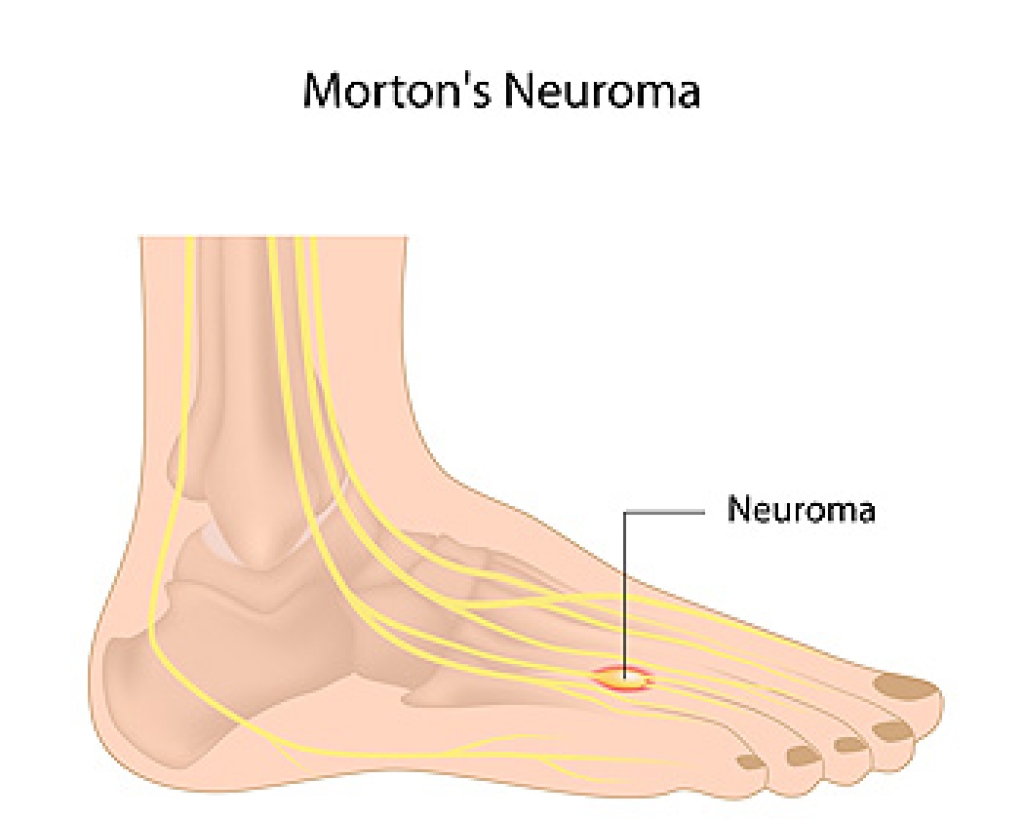
Morton’s neuroma occurs when the tissue surrounding a nerve in the toes thickens in response to the nerve becoming entrapped, or otherwise irritated. This usually occurs between the third and fourth toes, however, it can also occur between the second and third toes. Morton’s neuroma can cause a burning pain in the ball of the foot. People with this condition sometimes explain the pain they feel as walking on a pebble or having a bunched-up sock in the front of their shoe. The toes may also feel numb or tingling, and there may be difficulty walking. Wearing shoes that are too tight or that compress your toes may sometimes contribute to the formation of Morton’s neuroma. This can include ski boots and ballet slippers too. Other foot dysfunctions that squeeze or put pressure on the toes can be contributing factors, such as flat feet, bunions, hammertoes, and high arches. Certain repetitive sporting activities may also be responsible. If you ever experience any of the symptoms mentioned here, call a podiatrist. They will examine you and run diagnostics to rule out other possible conditions and create a treatment plan to relieve pain and treat the underlying thickened tissue and nerve compression.
Morton’s neuroma is a very uncomfortable condition to live with. If you think you have Morton’s neuroma, contact Kevin Powers, DPM of The Center for Lower Extremity Nerve Surgery. Our doctor will attend to all of your foot care needs and answer any of your related questions.
Morton’s Neuroma
Morton's neuroma is a painful foot condition that commonly affects the areas between the second and third or third and fourth toe, although other areas of the foot are also susceptible. Morton’s neuroma is caused by an inflamed nerve in the foot that is being squeezed and aggravated by surrounding bones.
What Increases the Chances of Having Morton’s Neuroma?
Morton’s neuroma is a very treatable condition. Orthotics and shoe inserts can often be used to alleviate the pain on the forefront of the feet. In more severe cases, corticosteroids can also be prescribed. In order to figure out the best treatment for your neuroma, it’s recommended to seek the care of a podiatrist who can diagnose your condition and provide different treatment options.
If you have any questions, please feel free to contact our offices located in Indianapolis and Bloomington, IN . We offer the newest diagnostic and treatment technologies for all your foot care needs.
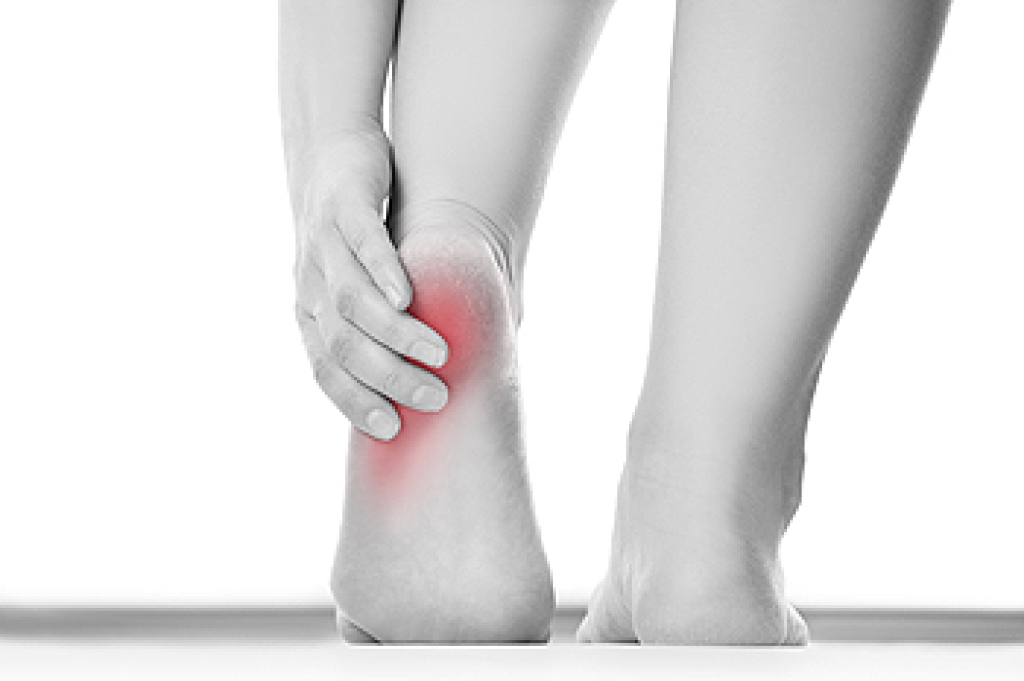
As the foundation of the body, the foot and ankle are complex, amazing structures made up of many ligaments, nerves, tendons, joints, and bones—including the largest bone in the foot, the heel. The heel helps form the arch and manages stress during walking and running. All of this use and stress can lead to painful conditions of the heel and its surrounding tendons and ligaments. Plantar fasciitis, the most common form of heel pain, is an inflammation of the connective tissue that spans the bottom of the foot (plantar fascia). Another common form of heel pain occurs with Achilles tendonitis, which causes inflammation and pain in the (Achilles) tendon that attaches the heel with the calf muscles. A loss of cushioning in the plantar fat pad can cause the heel to become bruised, and the heel bone can also fracture, causing intense pain. Retrocalcaneal Bursitis is an inflammation of the fluid-filled bursa sac that cushions the back of the heel bone. Any type of heel pain should be diagnosed by a podiatrist. who can assess the situation and create an appropriate treatment plan based on their findings.
Many people suffer from bouts of heel pain. For more information, contact Kevin Powers, DPM of The Center for Lower Extremity Nerve Surgery. Our doctor can provide the care you need to keep you pain-free and on your feet.
Causes of Heel Pain
Heel pain is often associated with plantar fasciitis. The plantar fascia is a band of tissues that extends along the bottom of the foot. A rip or tear in this ligament can cause inflammation of the tissue.
Achilles tendonitis is another cause of heel pain. Inflammation of the Achilles tendon will cause pain from fractures and muscle tearing. Lack of flexibility is also another symptom.
Heel spurs are another cause of pain. When the tissues of the plantar fascia undergo a great deal of stress, it can lead to ligament separation from the heel bone, causing heel spurs.
Why Might Heel Pain Occur?
Treatments
Heel pain should be treated as soon as possible for immediate results. Keeping your feet in a stress-free environment will help. If you suffer from Achilles tendonitis or plantar fasciitis, applying ice will reduce the swelling. Stretching before an exercise like running will help the muscles. Using all these tips will help make heel pain a condition of the past.
If you have any questions, please feel free to contact our offices located in Indianapolis and Bloomington, IN . We offer the newest diagnostic and treatment technologies for all your foot care needs.
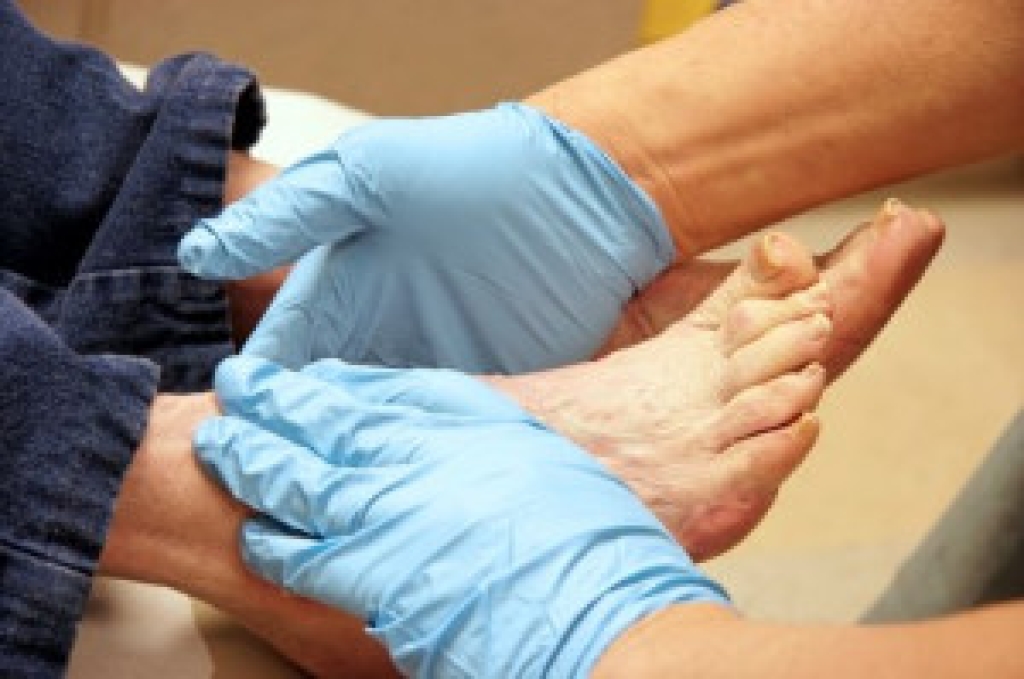
Diabetes can affect the flow of blood to the foot and ankles which can cause a variety of serious foot problems. If you are a caretaker for a person with diabetes, it’s critical to take care of their feet to avoid complications, which can worsen and lead to limb loss or worse in severe cases. You’ll need to visually and physically inspect their feet daily, looking for any breaks or pressure points in the skin where a sore may develop. Do not allow the person to walk barefoot, and be careful not to expose their feet to extreme hot or cold temperatures, especially if neuropathy has caused a loss of sensitivity. Their feet should be kept clean and dry, especially between the toes. Toenails should be trimmed straight across and not too short, which could encourage the nail to grow into the skin. If they have a corn, callus or wart, schedule an appointment with a podiatrist for proper treatment. In fact, regular visits with a podiatrist are suggested as part of maintaining the diabetic’s overall foot health.
Diabetic foot care is important in preventing foot ailments such as ulcers. If you are suffering from diabetes or have any other concerns about your feet, contact Kevin Powers, DPM from The Center for Lower Extremity Nerve Surgery. Our doctor can provide the care you need to keep you pain-free and on your feet.
Diabetic Foot Care
Diabetes affects millions of people every year. The condition can damage blood vessels in many parts of the body, especially the feet. Because of this, taking care of your feet is essential if you have diabetes, and having a podiatrist help monitor your foot health is highly recommended.
The Importance of Caring for Your Feet
Patients with diabetes should have their doctor monitor their blood levels, as blood sugar levels play such a huge role in diabetic care. Monitoring these levels on a regular basis is highly advised.
It is always best to inform your healthcare professional of any concerns you may have regarding your feet, especially for diabetic patients. Early treatment and routine foot examinations are keys to maintaining proper health, especially because severe complications can arise if proper treatment is not applied.
If you have any questions, please feel free to contact our offices located in Indianapolis and Bloomington, IN . We offer the newest diagnostic and treatment technologies for all your foot care needs.
Connect With Us