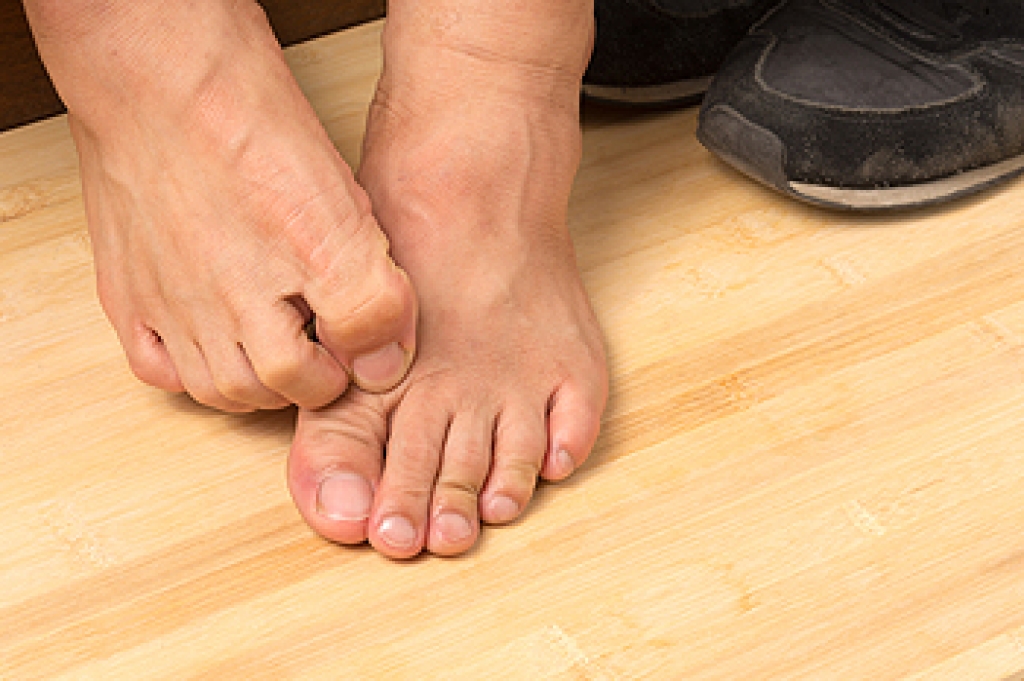
Avoiding Athlete's Foot in the Locker Room

Athlete’s foot is an infection of the skin on the feet that is caused by a fungus. Fungi thrive in warm, moist environments, such as locker room floors, and the fungus that causes athlete’s foot is highly contagious. Does this mean that you should avoid the gym? Not necessarily. Even if you frequent the locker room, there are steps that you can take to prevent a fungal infection. These prevention techniques include wearing flip-flops or other shoes while walking in the locker room, standing on a clean towel while changing to avoid direct contact between your feet and the floor, and washing and drying your feet thoroughly after exercising. If you or someone you know has developed athlete’s foot, it is suggested that you call and schedule an appointment with a podiatrist who can help treat this condition and teach you additional preventive measures.

Athlete’s foot is an inconvenient condition that can be easily reduced with the proper treatment. If you have any concerns about your feet and ankles, contact Kevin Powers, DPM from The Center for Lower Extremity Nerve Surgery.  Our doctor will treat your foot and ankle needs.

Athlete’s Foot: The Sole Story

Athlete's foot, also known as tinea pedis, can be an extremely contagious foot infection. It is commonly contracted in public changing areas and bathrooms, dormitory style living quarters, around locker rooms and public swimming pools, or anywhere your feet often come into contact with other people.

Solutions to Combat Athlete’s Foot

  • Hydrate your feet by using lotion
  • Exfoliate
  • Buff off nails
  • Use of anti-fungal products
  • Examine your feet and visit your doctor if any suspicious blisters or cuts develop

Athlete’s foot can cause many irritating symptoms such as dry and flaking skin, itching, and redness. Some more severe symptoms can include bleeding and cracked skin, intense itching and burning, and even pain when walking. In the worst cases, Athlete’s foot can cause blistering as well. Speak to your podiatrist for a better understanding of the different causes of Athlete’s foot, as well as help in determining which treatment options are best for you.

If you have any questions please feel free to contact our offices located in Indianapolis and Bloomington, IN . We offer the newest diagnostic and treatment technologies for all your foot and ankle needs.

Read more about Athlete's Foot

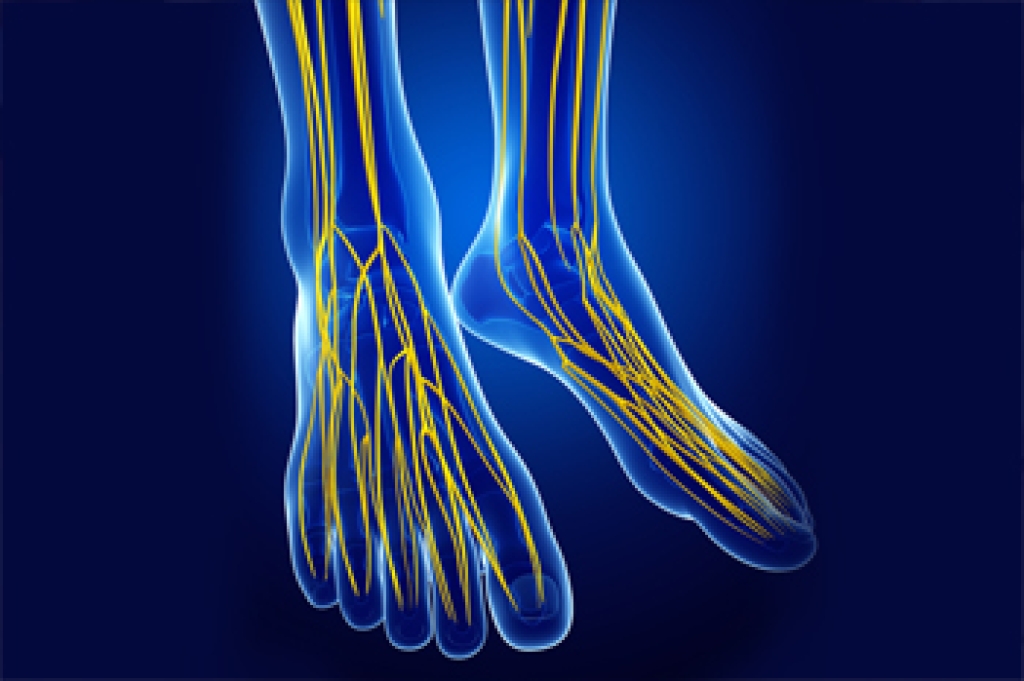
Neuropathy and the Feet

Damage to the nerves in the hands and feet is known as neuropathy. Generally, neuropathy causes a loss of sensation and feeling in the toes which affects the ability to feel pain or temperature. Other common symptoms of neuropathy include numbness or tingling, a burning and stabbing pain, and weakness in the affected area. While neuropathy’s most common cause is diabetes, it can also be caused by inflammatory diseases, kidney problems, and vitamin deficiencies. Because of this, diabetic patients should also have regular checkups with a podiatrist to monitor the potential development of neuropathy. Any patient who believes that they are experiencing symptoms of neuropathy should consult with a podiatrist for a proper diagnosis and treatment method.

Neuropathy

Neuropathy can be a potentially serious condition, especially if it is left undiagnosed. If you have any concerns that you may be experiencing nerve loss in your feet, consult with Kevin Powers, DPM from The Center for Lower Extremity Nerve Surgery. Our doctor will assess your condition and provide you with quality foot and ankle treatment for neuropathy.

What Is Neuropathy?

Neuropathy is a condition that leads to damage to the nerves in the body. Peripheral neuropathy, or neuropathy that affects your peripheral nervous system, usually occurs in the feet. Neuropathy can be triggered by a number of different causes. Such causes include diabetes, infections, cancers, disorders, and toxic substances.

Symptoms of Neuropathy Include:

  • Numbness
  • Sensation loss
  • Prickling and tingling sensations
  • Throbbing, freezing, burning pains
  • Muscle weakness

Those with diabetes are at serious risk due to being unable to feel an ulcer on their feet. Diabetics usually also suffer from poor blood circulation. This can lead to the wound not healing, infections occurring, and the limb may have to be amputated.

Treatment

To treat neuropathy in the foot, podiatrists will first diagnose the cause of the neuropathy. Figuring out the underlying cause of the neuropathy will allow the podiatrist to prescribe the best treatment, whether it be caused by diabetes, toxic substance exposure, infection, etc. If the nerve has not died, then it’s possible that sensation may be able to return to the foot.

Pain medication may be issued for pain. Electrical nerve stimulation can be used to stimulate nerves. If the neuropathy is caused from pressure on the nerves, then surgery may be necessary.

If you have any questions, please feel free to contact our offices located in Indianapolis and Bloomington, IN . We offer the newest diagnostic and treatment technologies for all your foot care needs.

Read more about Neuropathy

Ankle Joints, The Achilles Tendon, and High Heels

The ankles may suffer for women who choose to frequently wear high heels. This can be a result of the amount of body weight the ankle joints bear, and is generally increased when high heels are worn. Research has shown that arthritis may develop in women who enjoy wearing high heels, which can cause severe pain and discomfort. Additionally, the Achilles tendon can be affected. This is the tendon that is located in the back of the leg, and connects the calf muscles to the heel. Consistent wearing of high heels, can make this tendon feel stiff. If you would like additional information about the effect high heels have on the feet, please confer with a podiatrist.

High heels have a history of causing foot and ankle problems. If you have any concerns about your feet or ankles, contact Kevin Powers, DPM from The Center for Lower Extremity Nerve Surgery. Our doctor can provide the care you need to keep you pain-free and on your feet.

Effects of High Heels on the Feet

High heels are popular shoes among women because of their many styles and societal appeal.  Despite this, high heels can still cause many health problems if worn too frequently.

Which Parts of My Body Will Be Affected by High Heels?

  • Ankle Joints
  • Achilles Tendon – May shorten and stiffen with prolonged wear
  • Balls of the Feet
  • Knees – Heels cause the knees to bend constantly, creating stress on them
  • Back – They decrease the spine’s ability to absorb shock, which may lead to back pain.  The vertebrae of the lower back may compress.

What Kinds of Foot Problems Can Develop from Wearing High Heels?

  • Corns
  • Calluses
  • Hammertoe
  • Bunions
  • Morton’s Neuroma
  • Plantar Fasciitis

How Can I Still Wear High Heels and Maintain Foot Health?

If you want to wear high heeled shoes, make sure that you are not wearing them every day, as this will help prevent long term physical problems.  Try wearing thicker heels as opposed to stilettos to distribute weight more evenly across the feet.  Always make sure you are wearing the proper shoes for the right occasion, such as sneakers for exercising.  If you walk to work, try carrying your heels with you and changing into them once you arrive at work.  Adding inserts to your heels can help cushion your feet and absorb shock. Full foot inserts or metatarsal pads are available. 

If you have any questions, please feel free to contact our offices located in Indianapolis and Bloomington, IN . We offer the newest diagnostic and treatment technologies for all your foot care needs.

Read more about Effect of High Heels on the Feet

Conditions Treated by Podiatrists

The foot is made up of a complex system that includes 26 bones, 33 joints and over 100 tendons. There are a variety of conditions that can arise and affect this system, and a podiatrist has the proper training and expertise to help. Podiatrists are able to treat heel pain from conditions such as plantar fasciitis (inflammation of the tissue along the bottom of the foot) and heel spurs (bony growths on the bottom of the heel). Foot pain caused by sesamoiditis, bunions, or a neuroma, can be diagnosed and treated by a podiatrist too. Most podiatrists are even trained and equipped to handle different ailments involving the ankles. When an individual is afflicted with an ankle sprain or fracture, a podiatrist who is board certified in foot surgery can take X-rays to determine the severity, and perform surgery when deemed necessary. Podiatrists are also experienced with biomechanics and gait analysis. Some foot specialists even offer custom made orthotics in their office! If you develop any type of pain in your foot or ankle or notice something as common as a corn, callus, or ingrown toenail, be sure to consult with a podiatrist for a proper diagnosis as well as various treatment options. 

If you are dealing with pain in your feet and ankles, you may want to seek help from a podiatrist. Feel free to contact Kevin Powers, DPM from The Center for Lower Extremity Nerve Surgery. Our doctor can provide the care you need to keep you pain-free and on your feet.

What Is a Podiatrist?

A podiatrist is a doctor of podiatric medicine who diagnoses and treats conditions of the foot, ankle, and related structures of the leg. Your podiatrist may specialize in a certain field such as sports medicine, wound care, pediatrics, and diabetic care. Podiatrists have the ability to become board certified through training, clinical experience, and then taking an exam.

What Do Podiatrists Do?

On a daily basis, a podiatrist may perform the following activities:

  • Diagnose foot ailments such as ulcers, tumors, fractures, etc.
  • Use innovative methods to treat conditions
  • Use corrective orthotics, casts, and strappings to correct deformities
  • Correct walking patterns and balance
  • Provide individual consultations to patients

It is very important that you take care of your feet. It’s easy to take having healthy feet for granted, however foot problems tend to be among the most common health conditions. Podiatrists can help diagnose and treat a variety of feet related conditions, so it is crucial that you visit one if you need assistance.

If you have any questions, please feel free to contact our offices located in Indianapolis and Bloomington, IN . We offer the newest diagnostic and treatment technologies for all your foot care needs.

Read more about What is a Podiatrist?

Connect With Us