High Heels Can Be Harmful

Most little girls can’t wait for the day that they are able to wear high-heeled shoes. And while high heels often look attractive, down the road, they can eventually cause painful foot conditions. Aside from the obvious possibilities of falling or spraining an ankle, wearing high heels for extended periods of time can also lead to lower back and knee pain. If 5-inch heels are causing a problem, rather than switching to flats, a middle-of-the-road approach is suggested. Flat shoes can cause the Achilles tendon to become inflamed, and this may hurt the back of the heel. Wearing lower heels somewhere between 1 and 2 inches can help alleviate symptoms as well as a wider toe box. If your feet hurt, whether you wear high heels or not, it is a good idea to consult a podiatrist for an evaluation and treatment plan.

High heels have a history of causing foot and ankle problems. If you have any concerns about your feet or ankles, contact Kevin Powers, DPM from The Center for Lower Extremity Nerve Surgery. Our doctor can provide the care you need to keep you pain-free and on your feet.

Effects of High Heels on the Feet

High heels are popular shoes among women because of their many styles and societal appeal.  Despite this, high heels can still cause many health problems if worn too frequently.

Which Parts of My Body Will Be Affected by High Heels?

  • Ankle Joints
  • Achilles Tendon – May shorten and stiffen with prolonged wear
  • Balls of the Feet
  • Knees – Heels cause the knees to bend constantly, creating stress on them
  • Back – They decrease the spine’s ability to absorb shock, which may lead to back pain.  The vertebrae of the lower back may compress.

What Kinds of Foot Problems Can Develop from Wearing High Heels?

  • Corns
  • Calluses
  • Hammertoe
  • Bunions
  • Morton’s Neuroma
  • Plantar Fasciitis

How Can I Still Wear High Heels and Maintain Foot Health?

If you want to wear high heeled shoes, make sure that you are not wearing them every day, as this will help prevent long term physical problems.  Try wearing thicker heels as opposed to stilettos to distribute weight more evenly across the feet.  Always make sure you are wearing the proper shoes for the right occasion, such as sneakers for exercising.  If you walk to work, try carrying your heels with you and changing into them once you arrive at work.  Adding inserts to your heels can help cushion your feet and absorb shock. Full foot inserts or metatarsal pads are available. 

If you have any questions, please feel free to contact our offices located in Indianapolis and Bloomington, IN . We offer the newest diagnostic and treatment technologies for all your foot care needs.
Read more about Effect of High Heels on the Feet

Why Do I Have Plantar Fasciitis?

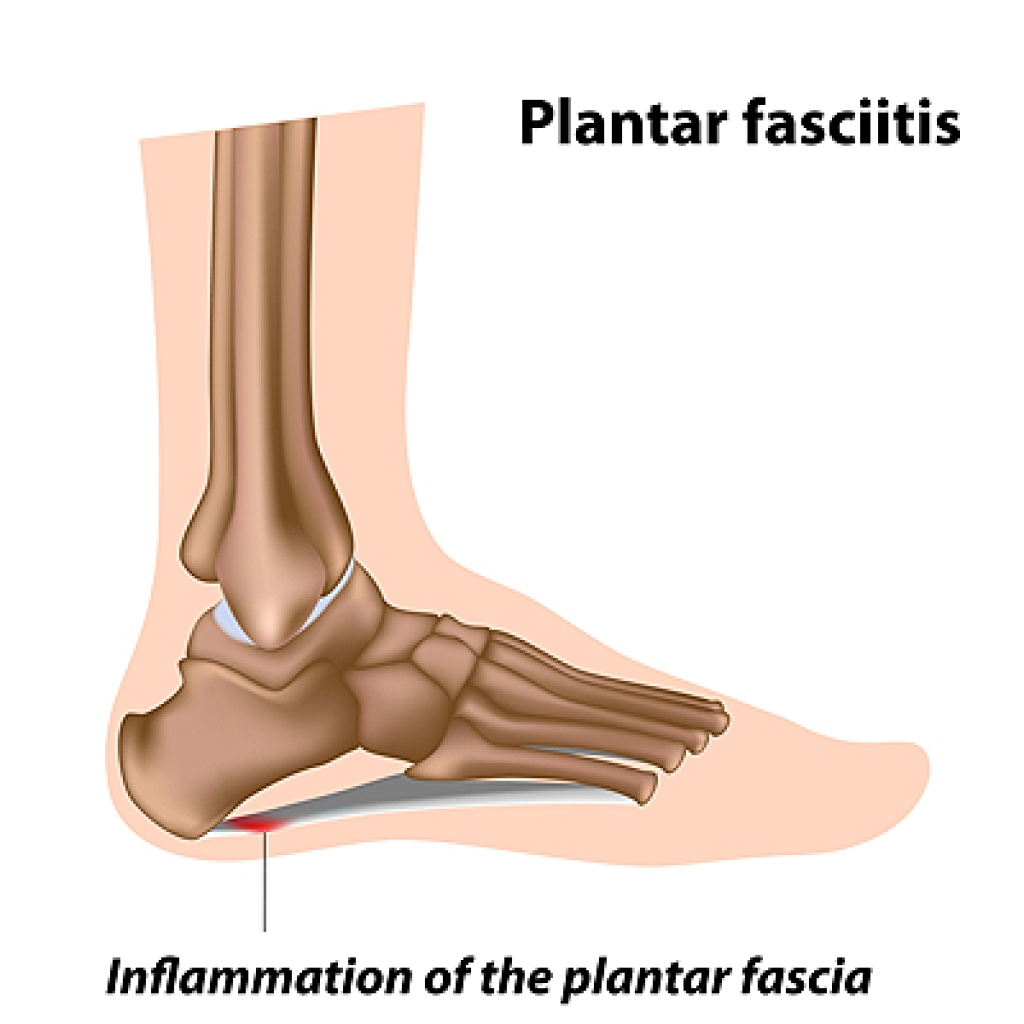
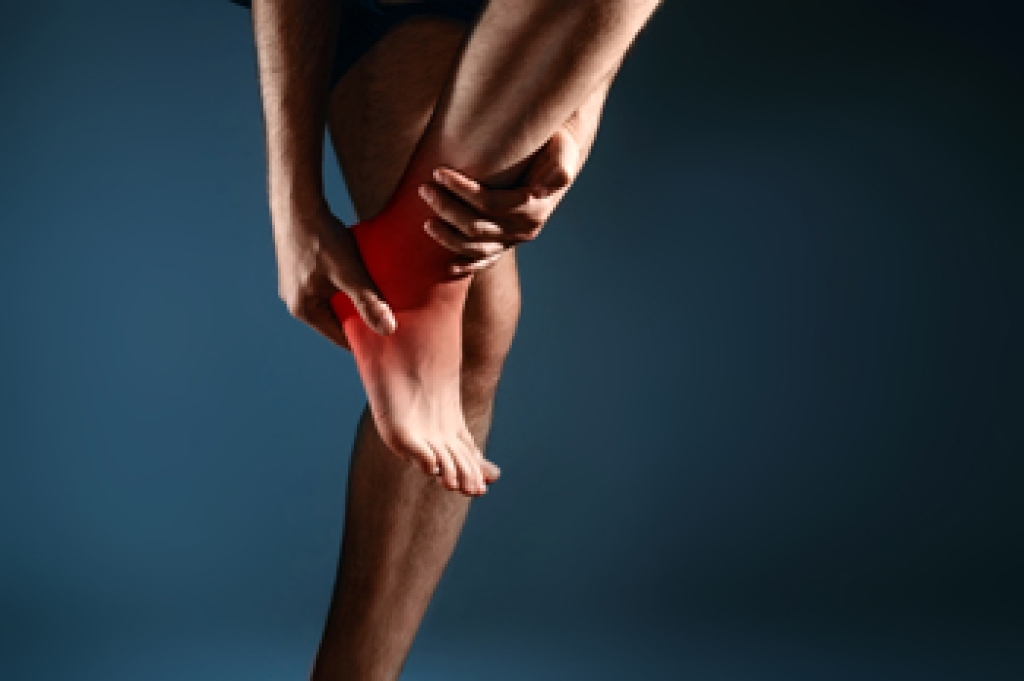
Plantar fasciitis, the inflammation of the ligament that runs along the bottom of the foot and connects the toes to the heel bone, is a common cause of heel pain. When the plantar fascia is injured through repetitive strain, excessive exercise, prolonged standing, wearing uncomfortable shoes, or obesity, it may lead to stabbing heel pain that is typically at its worst when taking the first few steps after a long rest. Other possible causes of plantar fasciitis include structural abnormalities in the foot, such as having flat feet, high arches, overpronation, or leg length differences. Foot changes associated with aging or pregnancy may also be to blame in some cases. If you are suffering from heel pain, don’t hesitate to schedule an appointment with a podiatrist near you. 

Plantar fasciitis can be very painful and inconvenient. If you are experiencing heel pain or symptoms of plantar fasciitis, contact Kevin Powers, DPM  from The Center for Lower Extremity Nerve Surgery. Our doctor can provide the care you need to keep you pain-free and on your feet.

What Is Plantar Fasciitis?

Plantar fasciitis is the inflammation of the thick band of tissue that runs along the bottom of your foot, known as the plantar fascia, and causes mild to severe heel pain.

What Causes Plantar Fasciitis?

  • Excessive running
  • Non-supportive shoes
  • Overpronation
  • Repeated stretching and tearing of the plantar fascia

How Can It Be Treated?

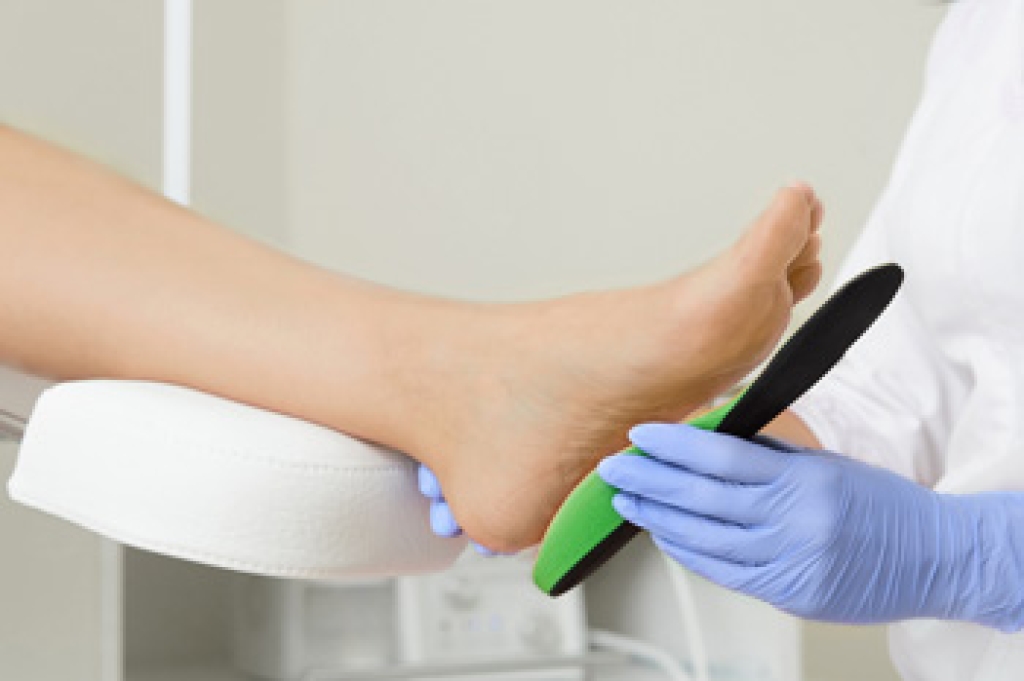
  • Conservative measures – anti-inflammatories, ice packs, stretching exercises, physical therapy, orthotic devices
  • Shockwave therapy – sound waves are sent to the affected area to facilitate healing and are usually used for chronic cases of plantar fasciitis
  • Surgery – usually only used as a last resort when all else fails. The plantar fascia can be surgically detached from the heel

While very treatable, plantar fasciitis is definitely not something that should be ignored. Especially in severe cases, speaking to your doctor right away is highly recommended to avoid complications and severe heel pain. Your podiatrist can work with you to provide the appropriate treatment options tailored to your condition.

If you have any questions, please feel free to contact our offices located in Indianapolis and Bloomington, IN . We offer the newest diagnostic and treatment technologies for all your foot care needs.
Read more about Plantar Fasciitis

What Is the Tarsal Tunnel and Why Is It Causing Me Pain?

The tarsal tunnel is a narrow passageway on the inside of the ankle that is made of a thick band of fibrous tissue (flexor retinaculum) and ankle bones. Veins, arteries, muscles, tendons, and the tibial nerve pass through the tarsal tunnel. Certain conditions such as a ganglion cyst, nerve sheath tumors, fibrosis, and even injuries can tighten the already-narrow space within the tunnel and compress the tibial nerve. This can cause burning pain or tingling (paresthesias) along the tibial nerve, the inside of the ankle, or bottom (plantar) part of the foot. If you are experiencing this type of discomfort, contact a podiatrist. They will perform a physical examination and may suggest that an MRI be performed to visualize lesions that may be present within the tunnel. Both conservative and surgical treatments will be considered depending on the cause and severity of the condition and will focus on reducing pressure on the nerve and relieving pain.

Tarsal tunnel syndrome can be very uncomfortable to live with. If you are experiencing tarsal tunnel syndrome, contact Kevin Powers, DPM of The Center for Lower Extremity Nerve Surgery. Our doctor can provide the care you need to keep you pain-free and on your feet.

Tarsal Tunnel Syndrome

Tarsal tunnel syndrome, which can also be called tibial nerve dysfunction, is an uncommon condition of misfiring peripheral nerves in the foot. The tibial nerve is the peripheral nerve in the leg responsible for sensation and movement of the foot and calf muscles. In tarsal tunnel syndrome, the tibial nerve is damaged, causing problems with movement and feeling in the foot of the affected leg.

Common Cause of Tarsal Tunnel Syndrome

  • Involves pressure or an injury, direct pressure on the tibial nerve for an extended period of time, sometimes caused by other body structures close by or near the knee.
  • Diseases that damage nerves, including diabetes, may cause tarsal tunnel syndrome.
  • At times, tarsal tunnel syndrome can appear without an obvious cause in some cases.

The Effects of Tarsal Tunnel Syndrome

  • Different sensations, an afflicted person may experience pain, tingling, burning or other unusual sensations in the foot of the affected leg.
  • The foot muscles, toes and ankle become weaker, and curling your toes or flexing your foot can become difficult.
  • If condition worsens, infections and ulcers may develop on the foot that is experiencing the syndrome.

A physical exam of the leg can help identify the presence of tarsal tunnel syndrome. Medical tests, such as a nerve biopsy, are also used to diagnose the condition. Patients may receive physical therapy and prescriptive medication. In extreme cases, some may require surgery.

If you have any questions please contact our offices located in Indianapolis and Bloomington, IN . We offer the newest diagnostic and treatment technologies for all your foot and ankle needs.

Read more about Treating Tarsal Tunnel Syndrome

What Do Orthotics Do?

Shoe inserts that are designed to relieve pain caused by various foot conditions are known as orthotics. Common foot conditions treated by orthotics may include corns and calluses, tendonitis, bunions, heel pain, and stress fractures. Orthotics can also help non-foot related issues such as correcting posture and alignment. Orthotics come in a variety of types, including custom made ones, cushioned ones that absorb shock, and pressure relieving orthotics that distribute body weight across the sole of the foot. A podiatrist will consider many factors when prescribing orthotics, which include any existing foot conditions, the structure of the foot, biomechanics, and the patient’s lifestyle. If you believe that orthotics are right for you, a podiatrist will be able to help point you in the right direction. 

If you are having discomfort in your feet and would like to try orthotics, contact Kevin Powers, DPM from The Center for Lower Extremity Nerve Surgery. Our doctor can provide the care you need to keep you pain-free and on your feet.

What Are Orthotics?

Orthotics are inserts you can place into your shoes to help with a variety of foot problems such as flat feet or foot pain. Orthotics provide relief and comfort for minor foot and heel pain but can’t correct serious biomechanical problems in your feet.

Over-the-Counter Inserts

Orthotics come in a wide variety of over-the-counter inserts that are used to treat foot pain, heel pain, and minor problems. For example, arch supports can be inserted into your shoes to help correct overarched or flat feet, while gel insoles are often used because they provide comfort and relief from foot and heel pain by alleviating pressure.

Prescription Orthotics

If over-the-counter inserts don’t work for you or if you have a more severe foot concern, it is possible to have your podiatrist prescribe custom orthotics. These high-quality inserts are designed to treat problems such as abnormal motion, plantar fasciitis, and severe forms of heel pain. They can even be used to help patients suffering from diabetes by treating foot ulcers and painful calluses and are usually molded to your feet individually, which allows them to provide full support and comfort.

If you are experiencing minor to severe foot or heel pain, it’s recommended to speak with your podiatrist about the possibilities of using orthotics. A podiatrist can determine which type of orthotic is right for you and allow you to take the first steps towards being pain-free.

If you have any questions, please feel free to contact our offices located in Indianapolis and Bloomington, IN . We offer the newest diagnostic and treatment technologies for all your foot care needs.

Read more about Foot Orthotics

Wounds That Don't Heal Need to Be Checked

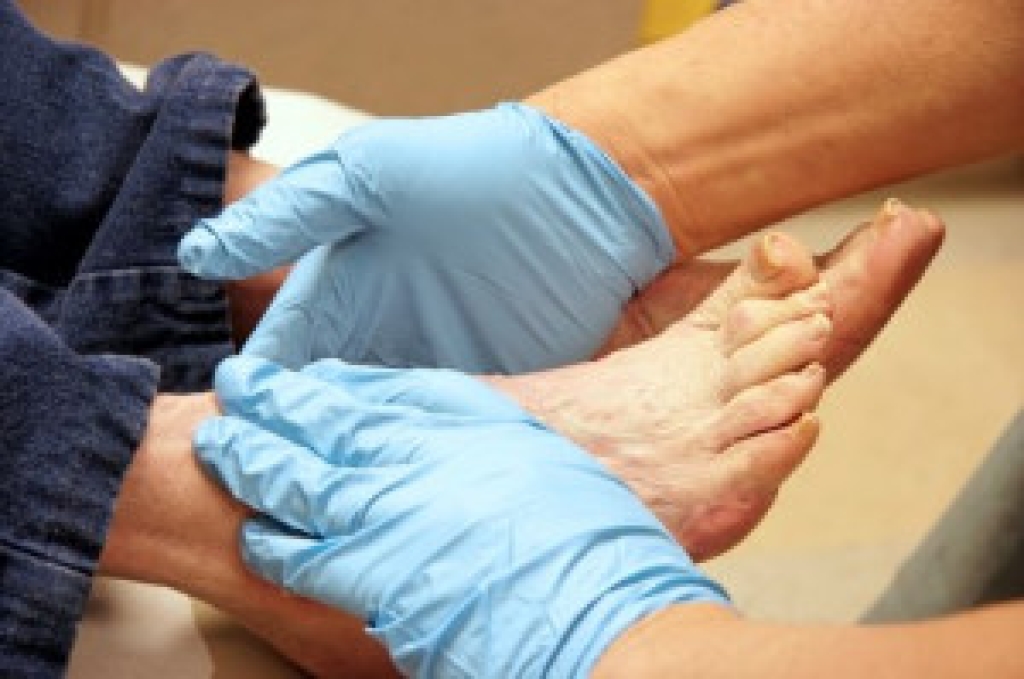
Your feet are covered most of the day. If you're diabetic, periodic screening is important for good health. Numbness is often a sign of diabetic foot and can mask a sore or wound.

The Importance of Foot Care For Diabetics

Neuropathy, a form of nerve damage, is known for causing a loss of feeling in the feet, and roughly half of all diabetic patients have some type of neuropathy. Because of this lack of feeling, many small problems with the feet may not be noticed and thus lead to the development of serious issues. To help avoid missing the small issues that can occur with the feet, there are some daily things that diabetic patients can do. Daily checks for cuts and wounds, regularly washing the feet, wearing shoes that fit right, and avoiding going barefoot are a few of the things that can be done to help care for the feet once they have lost some feeling. Along with regular checkups, diabetic patients should consult with a podiatrist if they notice a loss of sensation in the feet, a change in shape or color to the feet, or loss of hair on the feet.   

Diabetic foot care is important in preventing foot ailments such as ulcers. If you are suffering from diabetes or have any other concerns about your feet, contact Kevin Powers, DPM from The Center for Lower Extremity Nerve Surgery. Our doctor can provide the care you need to keep you pain-free and on your feet.

Diabetic Foot Care

Diabetes affects millions of people every year. The condition can damage blood vessels in many parts of the body, especially the feet. Because of this, taking care of your feet is essential if you have diabetes, and having a podiatrist help monitor your foot health is highly recommended.

The Importance of Caring for Your Feet

  • Routinely inspect your feet for bruises or sores.
  • Wear socks that fit your feet comfortably.
  • Wear comfortable shoes that provide adequate support.

Patients with diabetes should have their doctor monitor their blood levels, as blood sugar levels play such a huge role in diabetic care. Monitoring these levels on a regular basis is highly advised.

It is always best to inform your healthcare professional of any concerns you may have regarding your feet, especially for diabetic patients. Early treatment and routine foot examinations are keys to maintaining proper health, especially because severe complications can arise if proper treatment is not applied.

If you have any questions, please feel free to contact our offices located in Indianapolis and Bloomington, IN . We offer the newest diagnostic and treatment technologies for all your foot care needs.
Read more about Diabetic Foot Conditions

What Is an Achilles Tendon Rupture?

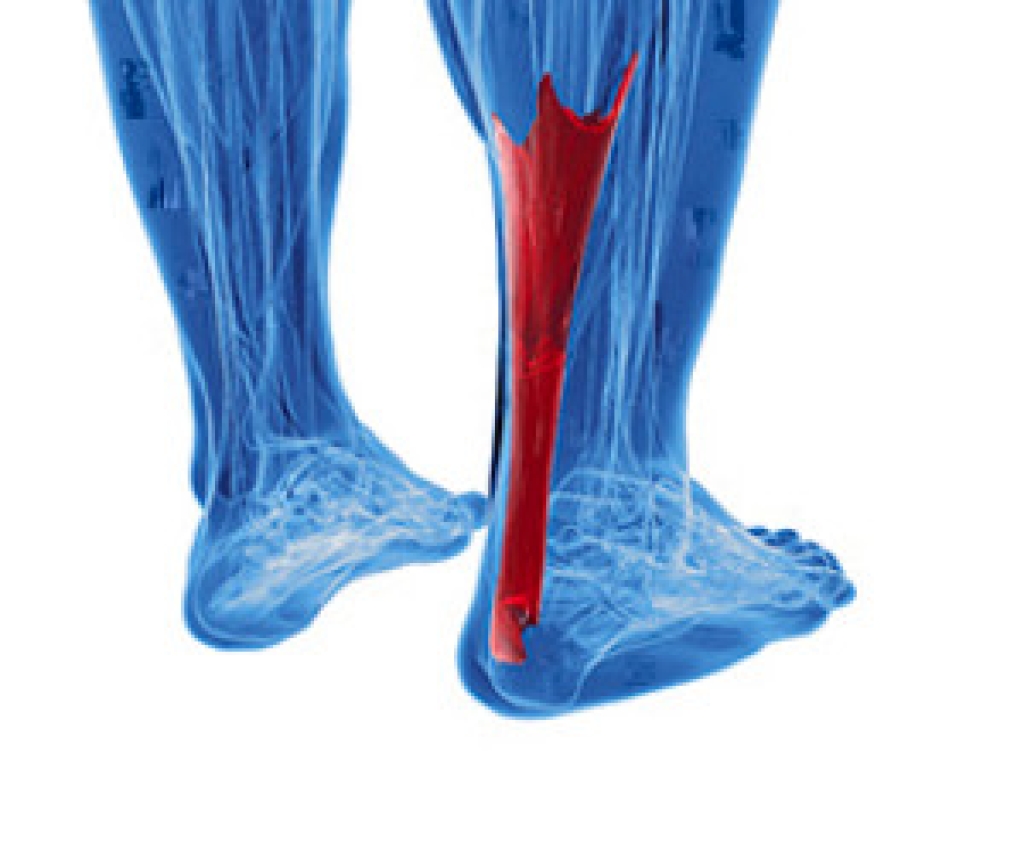
The Achilles tendon connects the heel bone with the calf muscles. It is the largest tendon in the body and is capable of absorbing a great deal of force. It is instrumental in helping the body walk, run, and stand up onto the toes. Under certain conditions, when the Achilles tendon is under severe stress, it may tear or rupture. This may be caused by playing sports such as tennis or basketball (which involve a lot of starting and stopping), being older or overweight, using steroids, or taking certain antibiotics. All of these factors can weaken the Achilles tendon and make it more susceptible to injuries. If you have ruptured your Achilles tendon, you may have severe pain or swelling near the heel, or you may be unable to stand on the affected leg. You may have even heard a popping sound at the moment of injury. There are a variety of treatment options available for a ruptured Achilles tendon. A podiatrist can determine what course of treatment is best for you after examining and diagnosing your condition.

Achilles tendon injuries need immediate attention to avoid future complications. If you have any concerns, contact Kevin Powers, DPM of The Center for Lower Extremity Nerve Surgery. Our doctor can provide the care you need to keep you pain-free and on your feet.

What Is the Achilles Tendon?

The Achilles tendon is a tendon that connects the lower leg muscles and calf to the heel of the foot. It is the strongest tendon in the human body and is essential for making movement possible. Because this tendon is such an integral part of the body, any injuries to it can create immense difficulties and should immediately be presented to a doctor.

What Are the Symptoms of an Achilles Tendon Injury?

There are various types of injuries that can affect the Achilles tendon. The two most common injuries are Achilles tendinitis and ruptures of the tendon.

Achilles Tendinitis Symptoms

  • Inflammation
  • Dull to severe pain
  • Increased blood flow to the tendon
  • Thickening of the tendon

Rupture Symptoms

  • Extreme pain and swelling in the foot
  • Total immobility

Treatment and Prevention

Achilles tendon injuries are diagnosed by a thorough physical evaluation, which can include an MRI. Treatment involves rest, physical therapy, and in some cases, surgery. However, various preventative measures can be taken to avoid these injuries, such as:

  • Thorough stretching of the tendon before and after exercise
  • Strengthening exercises like calf raises, squats, leg curls, leg extensions, leg raises, lunges, and leg presses

If you have any questions please feel free to contact our offices located in Indianapolis and Bloomington, IN . We offer the newest diagnostic tools and technology to treat your foot and ankle needs.

Read more about Achilles Tendon Injuries

Jones Fractures 101

When the midsection of the 5th metatarsal bone on the foot (or the little toe) is fractured, a Jones fracture occurs. This type of injury is very common in basketball and the surgery is one of the most common surgeries performed on NBA players. Jones fractures often take place as a result of repeated stress over a long period of time. When left untreated, pain and swelling will resume. Due to the limited supply of blood flow to the pinky toe, Jones fractures often take quite some time to heal, making the possibility of another injury to the same area very high. Because of this, many athletes who are afflicted with a Jones fracture choose to have surgery performed. Patients who are dealing with an injury to their feet should consult with a podiatrist for a proper diagnosis and treatment plan.

Ankle and foot injuries are common among athletes and in many sports. They can be caused by several problems and may be potentially serious. If you are feeling pain or think you were injured in a sporting event or when exercising, consult with Kevin Powers, DPM from The Center for Lower Extremity Nerve Surgery. Our doctor will assess your condition and provide you with quality foot and ankle treatment.

Common Injuries

The most common injuries that occur in sporting activities include:

  • Achilles Tendonitis
  • Achilles Tendon Rupture
  • Ankle Sprains
  • Broken Foot
  • Plantar Fasciitis
  • Stress Fractures
  • Turf Toe

Symptoms

Symptoms vary depending upon the injury and in some cases, there may be no symptoms at all. However, in most cases, some form of symptom is experienced. Pain, aching, burning, bruising, tenderness, tightness or stiffness, sensation loss, difficulty moving, and swelling are the most common symptoms.

Treatment

Just as symptoms vary depending upon the injury, so do treatment options. A common treatment method is known as the RICE method. This method involves rest, applying ice, compression and elevating the afflicted foot or ankle. If the injury appears to be more serious, surgery might be required, such as arthroscopic or reconstructive surgery. Lastly, rehabilitation or therapy might be needed to gain full functionality in the afflicted area. Any discomfort experienced by an athlete must be evaluated by a licensed, reputable medical professional.  

If you have any questions please contact our offices located in Indianapolis and Bloomington, IN . We offer the newest diagnostic and treatment technologies for all your foot and ankle needs.

Read more about Sports Related Foot and Ankle Injuries

Lessening the Impact Flip Flops Have On Your Feet

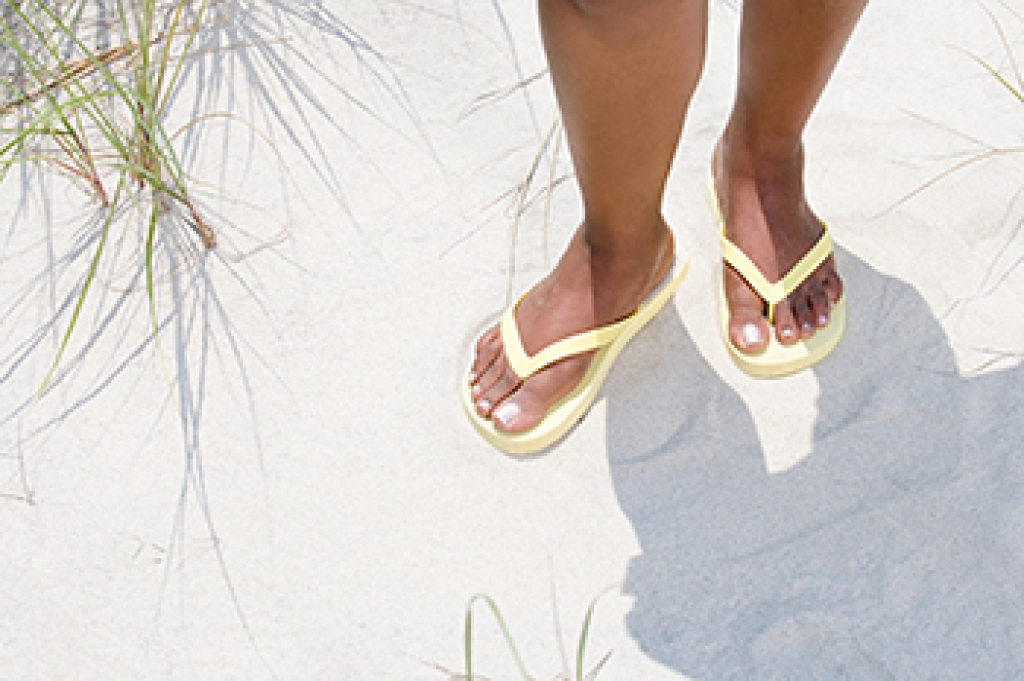
Flip-flops are not the best type of footwear because they typically do not offer the support, structure, or cushioning your feet need. However, wearing them in places like public pools, locker rooms, and showers is a good way to protect your feet from infections like athlete’s foot and toenail fungus—provided the flip-flops are well-made and you wear them in moderation. The following tips will help you purchase flip-flops that are less harmful to your feet. Look for a contoured footbed that is anatomically shaped with great cushioning to help with shock absorption, plenty of support for the arch, and a heel cup. There are advanced construction and material features in better flip-flops that restrict your foot from rolling inwardly and flattening your arches (pronation)—which often occurs when wearing flip-flops. Also, a wider footbed will allow the toes to move. Outsoles should be slip-resistant and durable. Padding or lining on the thong provides additional comfort and prevents rubbing or chafing between the toes. A podiatrist can offer additional advice on choosing footwear that is appropriate for your type of foot.

Flip-flops are not always the best choice of footwear. If you have any concerns about your feet or ankles, contact Kevin Powers, DPM from The Center for Lower Extremity Nerve Surgery. Our doctor will assist you with all of your foot and ankle needs.

Flip-Flops and Feet

When the weather starts warming up, people enjoy wearing flip-flops.  Flip-flops are comfortable, stylish, and easy to slip on and off; they're perfect for any summer beach goer.  However, these shoes can cause harm to the feet.

How Can Flip-Flops Affect Me Long-Term?

  • Ankle problems
  • Hip problems
  • Lower back problems
  • Pain in the balls of the feet
  • Problems with foot arches
  • Changes in the way you walk

Are There Injuries Associated with Flip-Flops?

Yes.  Since flip-flops are relatively weak and do not provide the same amount of support as sneakers, people who wear flip-flops regularly are more susceptible to injuries. On top of that, the open nature of the shoe makes your feet more prone to other problems, such as cuts and even infections.  Common injuries and ailments include:

  • Sprained ankles
  • Blisters
  • Infections
  • Cuts and Scrapes

I like Wearing Flip-Flops. Are There Safe Alternatives?

When buying flip-flops, try to find ones that have sturdy soles and that are made of high-quality materials that will support for your feet.  These flip-flops will cost more but will also last longer as a result.

If you have any questions, please feel free to contact our offices located in Indianapolis and Bloomington, IN . We offer the newest diagnostic and treatment technologies for all your foot care needs.
Read more about Flip Flops and Feet

Connect With Us