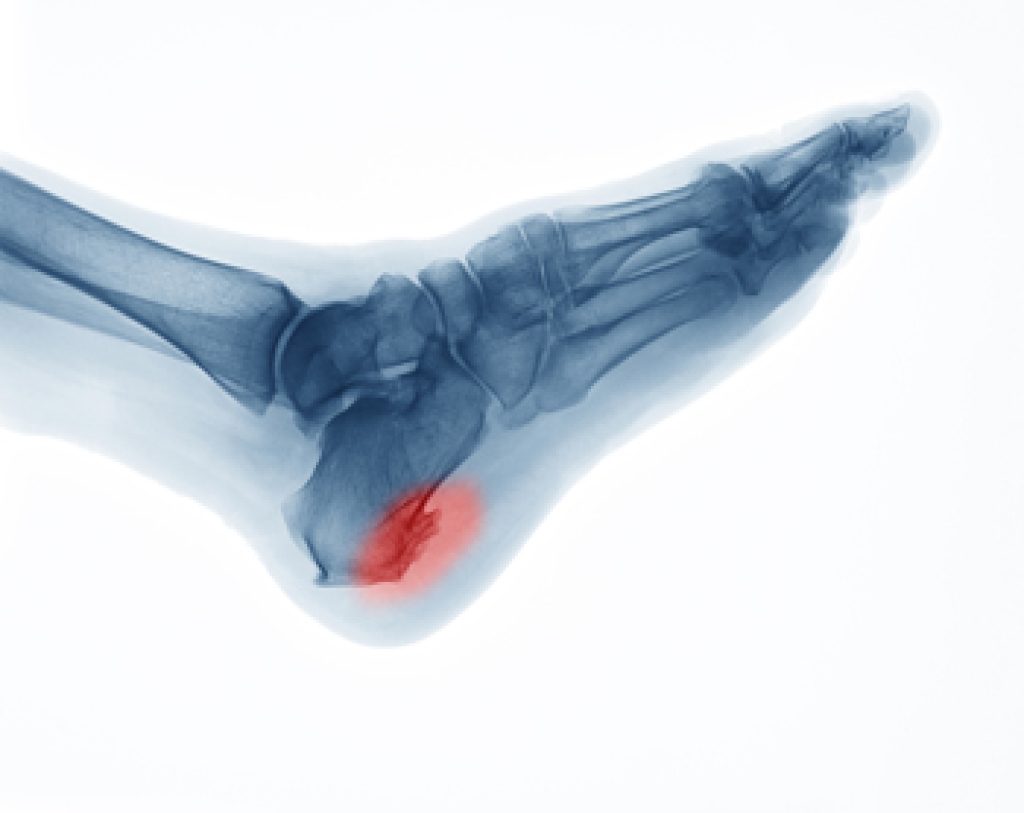
How Did I Get a Heel Spur?

A spur is a bony growth that may develop due to repetitive irritation or stress. As its name suggests, a heel spur develops on the heel bone or calcaneus. More specifically, it typically forms in one of two places on the heel bone. An inferior calcaneal spur forms underneath the heel bone and is associated with plantar fasciitis, a common ligament injury in the foot. A posterior calcaneal spur forms on the back of the heel bone and is associated with Achilles tendonitis. Heel spurs can be asymptomatic or cause sharp pain, dull aches, stiffness, and numbness in the affected heel. Corns and calluses also often form over the affected area. If you have painful heels, please see a podiatrist for a diagnosis and treatment. 

Heel spurs can be incredibly painful and sometimes may make you unable to participate in physical activities. To get medical care for your heel spurs, contact Kevin Powers, DPM from The Center for Lower Extremity Nerve Surgery. Our doctor will do everything possible to treat your condition.

Heels Spurs

Heel spurs are formed by calcium deposits on the back of the foot where the heel is. This can also be caused by small fragments of bone breaking off one section of the foot, attaching onto the back of the foot. Heel spurs can also be bone growth on the back of the foot and may grow in the direction of the arch of the foot.

Older individuals usually suffer from heel spurs and pain sometimes intensifies with age. One of the main condition's spurs are related to is plantar fasciitis.

Pain

The pain associated with spurs is often because of weight placed on the feet. When someone is walking, their entire weight is concentrated on the feet. Bone spurs then have the tendency to affect other bones and tissues around the foot. As the pain continues, the feet will become tender and sensitive over time.

Treatments

There are many ways to treat heel spurs. If one is suffering from heel spurs in conjunction with pain, there are several methods for healing. Medication, surgery, and herbal care are some options.

If you have any questions, please feel free to contact our offices located in Indianapolis and Bloomington, IN . We offer the newest diagnostic and treatment technologies for all your foot care needs.

Read more about How to Treat Heel Spurs

Charcot Marie Tooth Disease and the Feet

Charcot Marie Tooth (CMT) disease is a neurological condition characterized by a weakness and loss of sensation in the legs, hands, and feet due to nerve damage. This condition is genetic, affecting approximately 1 in every 2500 people. CMT develops gradually over time and progressively worsens. While there is no cure, a podiatrist can help you manage the symptoms of CMT in your feet. People with this condition may experience a change in the structure of their feet, developing high arches and hammertoes. Pain, muscle weakness, altered sensation, and muscle cramps are also common. Your podiatrist may recommend a treatment program consisting of foot strengthening and stretching exercises, orthotics, pain medication, and possibly surgery to reduce symptoms and maintain your mobility and quality of life. If you suffer from CMT disease, seeing a podiatrist can help. 

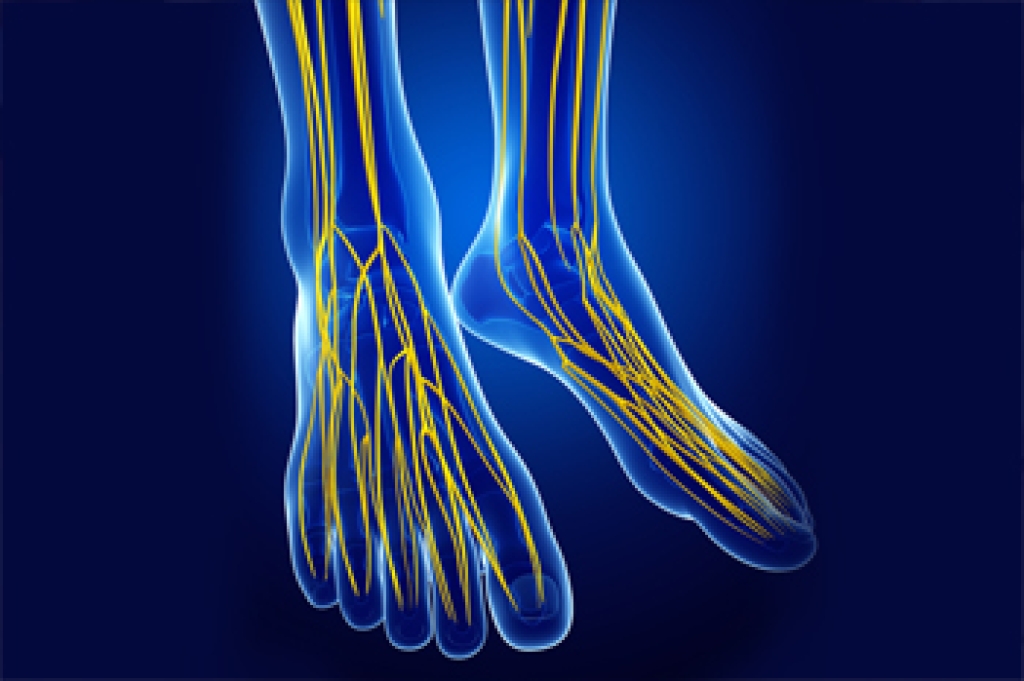
Neuropathy

Neuropathy can be a potentially serious condition, especially if it is left undiagnosed. If you have any concerns that you may be experiencing nerve loss in your feet, consult with Kevin Powers, DPM from The Center for Lower Extremity Nerve Surgery. Our doctor will assess your condition and provide you with quality foot and ankle treatment for neuropathy.

What Is Neuropathy?

Neuropathy is a condition that leads to damage to the nerves in the body. Peripheral neuropathy, or neuropathy that affects your peripheral nervous system, usually occurs in the feet. Neuropathy can be triggered by a number of different causes. Such causes include diabetes, infections, cancers, disorders, and toxic substances.

Symptoms of Neuropathy Include:

  • Numbness
  • Sensation loss
  • Prickling and tingling sensations
  • Throbbing, freezing, burning pains
  • Muscle weakness

Those with diabetes are at serious risk due to being unable to feel an ulcer on their feet. Diabetics usually also suffer from poor blood circulation. This can lead to the wound not healing, infections occurring, and the limb may have to be amputated.

Treatment

To treat neuropathy in the foot, podiatrists will first diagnose the cause of the neuropathy. Figuring out the underlying cause of the neuropathy will allow the podiatrist to prescribe the best treatment, whether it be caused by diabetes, toxic substance exposure, infection, etc. If the nerve has not died, then it’s possible that sensation may be able to return to the foot.

Pain medication may be issued for pain. Electrical nerve stimulation can be used to stimulate nerves. If the neuropathy is caused from pressure on the nerves, then surgery may be necessary.

If you have any questions, please feel free to contact our offices located in Indianapolis and Bloomington, IN . We offer the newest diagnostic and treatment technologies for all your foot care needs.

Read more about Neuropathy

Podiatrists: Experts in Foot and Ankle Care

A podiatrist is a medical professional who specializes in foot, ankle, and lower limb conditions/disorders. Podiatrists diagnose, treat, manage, and prevent various foot and ankle conditions. These can include injuries such as an Achilles tendon rupture, ankle sprain, or foot fracture. Skin and nail conditions treated may consist of athlete’s foot, plantar warts, or fungal nail infections. Some deformities foot specialists see everyday are bunions and hammertoes, and they may also see chronic conditions like arthritis, nerve damage, or peripheral artery disease. The majority of podiatrists are also very familiar with diabetic foot care, including detecting, managing, and preventing foot wounds also known as diabetic foot ulcers. If you have developed any type of foot or ankle condition, it is suggested that you schedule an appointment with a podiatrist near you. 

If you are experiencing pain in the feet or ankles, don’t join the stubborn majority refusing treatment. Feel free to contact Kevin Powers, DPM from The Center for Lower Extremity Nerve Surgery. Our doctor can provide the care you need to keep you pain-free and on your feet.

What Is a Podiatrist?

Someone would seek the care of a podiatrist if they have suffered a foot injury or have common foot ailments such as heal spurs, bunions, arch problems, deformities, ingrown toenails, corns, foot and ankle problems, etc.

Podiatric Treatment

A podiatrist will treat the problematic areas of the feet, ankle or lower leg by prescribing the following:

  • Physical therapy
  • Drugs
  • Orthotic inserts or soles
  • Surgery on lower extremity fractures

A common podiatric procedure a podiatrist will use is a scanner or force plate which will allow the podiatrist to know the designs of orthotics. Patients are then told to follow a series of tasks to complete the treatment. The computer will scan the foot a see which areas show weight distribution and pressure points. The podiatrist will read the analysis and then determine which treatment plans are available.

If you have any questions, please feel free to contact our offices located in Indianapolis and Bloomington, IN . We offer the newest diagnostic and treatment technologies for all your foot care needs.

Read more about What is a Podiatrist?

How Extra Body Weight Affects Foot and Ankle Health

There are many reasons for trying to lose weight. You may want to lower your cholesterol, bring down your blood pressure, increase your energy, or just feel more comfortable in your clothes. You can also add improving your foot and ankle health to the list. Being heavy can place a tremendous amount of strain on your feet and ankles, making you more likely to suffer from heel pain. Carrying excessive weight on your body can set the stage for conditions such as plantar fasciitis, heel spurs, hammertoes, bunions, flat feet, and more. You are also at an increased risk of developing systemic diseases that affect foot and ankle health such as diabetes and gout. While you are working hard to take that extra weight off, it is suggested that you consult with a podiatrist who has various methods of easing pain, while reducing pressure and distributing weight more evenly on your feet.

Obesity has become very problematic at this point in time and can have extremely negative effects on the feet. If you’re an obese individual and are concerned about your feet, contact Kevin Powers, DPM from The Center for Lower Extremity Nerve Surgery. Our doctor can provide the care you need to keep you pain-free and on your feet.

Obesity and Your Feet

Since your feet are what support your entire weight when standing, any additional weight can result in pain and swelling. Being overweight is one of the main contributors to foot complications.

Problems & Complications

Extra Weight – Even putting on just a few extra pounds could create serious complications for your feet. As your weight increases, your balance and body will shift, creating new stresses on your feet. This uneven weight distribution can cause pain, even while doing the simplest tasks, such as walking.

Diabetes – People who are overweight are at serious risk of developing type-2 diabetes, which has a drastic impact on the health of your feet. As you get older, your diabetes might worsen, which could lead to loss of feeling in your feet, sores, and bruises. You could also become more prone to various infections.

Plantar fasciitis – Pressure and stress that is placed on muscles, joints, and tendons can trigger plantar fasciitis, which is an inflammation of tissue that forms along the bottom of the foot. 

If you have any questions, please feel free to contact our offices located in Indianapolis and Bloomington, IN . We offer the newest diagnostic and treatment technologies for all your foot care needs.
Read more about How Obesity Affects Your Feet

Why Live with Pain and Numbness in Your Feet?

Suffering from this type of pain? You may have the foot condition known as Morton's neuroma. Morton's neuroma may develop as a result of ill-fitting footwear and existing foot deformities. We can help.

What Can Cause an Achilles Tendon Injury?

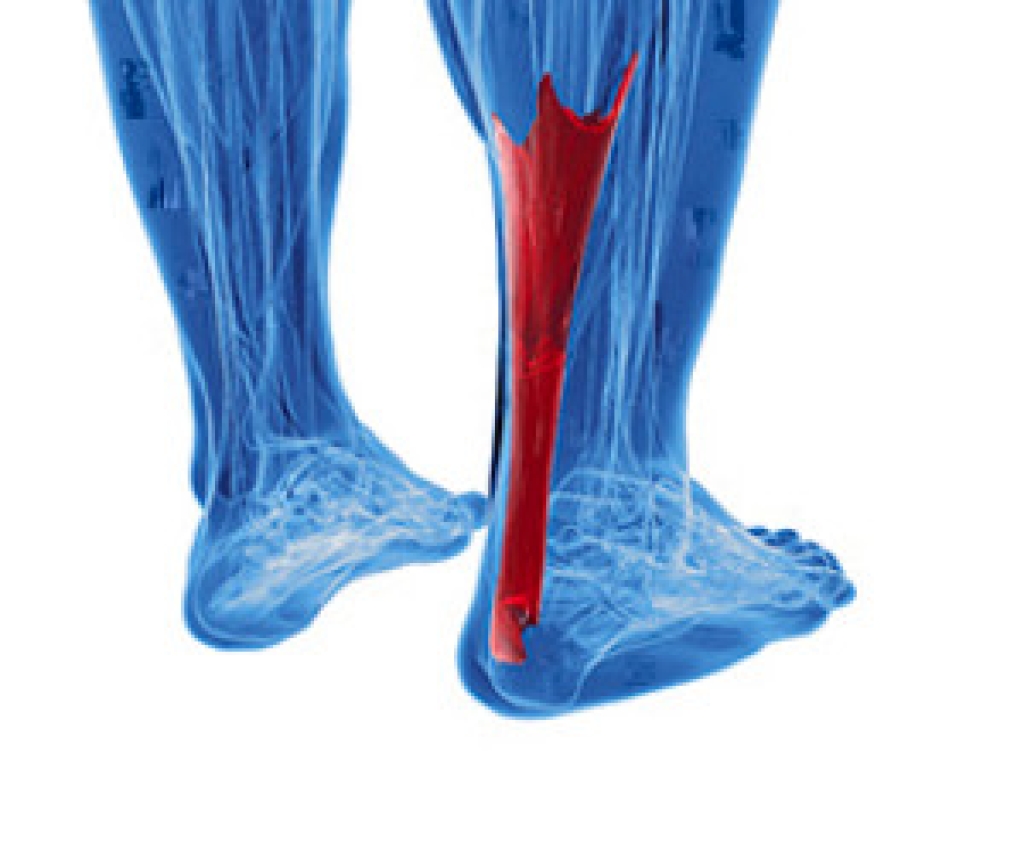
The flexibility and strength of the Achilles tendon is a necessary component in completing running and jumping activities. It is located in the back of the leg and connects the calf muscles to the heel. Many patients can experience an Achilles tendon injury, and this can happen as a result of improper warming up and cooling down after increasing the intensity of a new sport. Additionally, this type of injury may occur if there are existing heel spurs, exercising on an uneven surface, or from wearing shoes that do not fit correctly. Some of the symptoms that are associated with an Achilles tendon injury can consist of difficulty in flexing and pointing the affected foot, and pain that gradually worsens as the day progresses. If you think you have incurred an Achilles tendon injury, please seek the counsel of a podiatrist who can guide you toward the correct treatment techniques.

Achilles tendon injuries need immediate attention to avoid future complications. If you have any concerns, contact Kevin Powers, DPM of The Center for Lower Extremity Nerve Surgery. Our doctor can provide the care you need to keep you pain-free and on your feet.

What Is the Achilles Tendon?

The Achilles tendon is a tendon that connects the lower leg muscles and calf to the heel of the foot. It is the strongest tendon in the human body and is essential for making movement possible. Because this tendon is such an integral part of the body, any injuries to it can create immense difficulties and should immediately be presented to a doctor.

What Are the Symptoms of an Achilles Tendon Injury?

There are various types of injuries that can affect the Achilles tendon. The two most common injuries are Achilles tendinitis and ruptures of the tendon.

Achilles Tendinitis Symptoms

  • Inflammation
  • Dull to severe pain
  • Increased blood flow to the tendon
  • Thickening of the tendon

Rupture Symptoms

  • Extreme pain and swelling in the foot
  • Total immobility

Treatment and Prevention

Achilles tendon injuries are diagnosed by a thorough physical evaluation, which can include an MRI. Treatment involves rest, physical therapy, and in some cases, surgery. However, various preventative measures can be taken to avoid these injuries, such as:

  • Thorough stretching of the tendon before and after exercise
  • Strengthening exercises like calf raises, squats, leg curls, leg extensions, leg raises, lunges, and leg presses

If you have any questions please feel free to contact our offices located in Indianapolis and Bloomington, IN . We offer the newest diagnostic tools and technology to treat your foot and ankle needs.

Read more about What are Achilles Tendon Injuries

A Common Symptom of Tarsal Tunnel Syndrome

The tarsal tunnel is an area of the foot that is found below that ankle, and if it becomes inflamed as a result of an injury, tarsal tunnel syndrome may develop. This is caused by nerve that is located inside of the tarsal tunnel, called the tibial nerve, becoming pressed. A common symptom that is associated with this condition can consist of a burning sensation under the foot, and it could radiate to the toes and the heels. Walking may intensify this ailment, as it causes pressure to be put on the tibial nerve. If you have this type of pain, and it is hindering accomplishing daily activities, there are many options that are available for treatment.  Please consult with a podiatrist who can recommend the best type of treatment for you.

Tarsal tunnel syndrome can be very uncomfortable to live with. If you are experiencing tarsal tunnel syndrome, contact Kevin Powers, DPM of The Center for Lower Extremity Nerve Surgery. Our doctor can provide the care you need to keep you pain-free and on your feet.

Tarsal Tunnel Syndrome

Tarsal tunnel syndrome, which can also be called tibial nerve dysfunction, is an uncommon condition of misfiring peripheral nerves in the foot. The tibial nerve is the peripheral nerve in the leg responsible for sensation and movement of the foot and calf muscles. In tarsal tunnel syndrome, the tibial nerve is damaged, causing problems with movement and feeling in the foot of the affected leg.

Common Cause of Tarsal Tunnel Syndrome

  • Involves pressure or an injury, direct pressure on the tibial nerve for an extended period of time, sometimes caused by other body structures close by or near the knee.
  • Diseases that damage nerves, including diabetes, may cause tarsal tunnel syndrome.
  • At times, tarsal tunnel syndrome can appear without an obvious cause in some cases.

The Effects of Tarsal Tunnel Syndrome

  • Different sensations, an afflicted person may experience pain, tingling, burning or other unusual sensations in the foot of the affected leg.
  • The foot muscles, toes and ankle become weaker, and curling your toes or flexing your foot can become difficult.
  • If condition worsens, infections and ulcers may develop on the foot that is experiencing the syndrome.

A physical exam of the leg can help identify the presence of tarsal tunnel syndrome. Medical tests, such as a nerve biopsy, are also used to diagnose the condition. Patients may receive physical therapy and prescriptive medication. In extreme cases, some may require surgery.

If you have any questions please contact our offices located in Indianapolis and Bloomington, IN . We offer the newest diagnostic and treatment technologies for all your foot and ankle needs.

Read more about Tarsal Tunnel Syndrome

Preventing Tinea Pedis

Tinea pedis, also known as athlete’s foot, is a common fungal infection which affects the skin of the feet. Athlete’s foot causes the skin to become red, itchy, painful, cracked, or flaky. The skin may also peel. More severe infections can involve oozing blisters and a foul odor coming from the feet. Although it is contagious, this very unpleasant fungal infection can be prevented. Fungus thrives in warm, moist places like public pools, locker rooms, and showers. If you frequent these areas, avoid doing so barefoot. Always wear shoes to protect your feet. Keeping your feet cool and dry is also key to making them inhospitable to fungi. Wear shoes that allow your feet to breathe, and moisture-wicking socks. You should also avoid sharing personal items like shoes, socks, or towels with others, as fungi can spread through indirect contact with an infected person. If you have symptoms of athlete’s foot, please seek the care of a podiatrist. 

Athlete’s Foot

Athlete’s foot is often an uncomfortable condition to experience. Thankfully, podiatrists specialize in treating athlete’s foot and offer the best treatment options. If you have any questions about athlete’s foot, consult with Kevin Powers, DPM from The Center for Lower Extremity Nerve Surgery. Our doctor will assess your condition and provide you with quality treatment.

What Is Athlete’s Foot?

Tinea pedis, more commonly known as athlete’s foot, is a non-serious and common fungal infection of the foot. Athlete’s foot is contagious and can be contracted by touching someone who has it or infected surfaces. The most common places contaminated by it are public showers, locker rooms, and swimming pools. Once contracted, it grows on feet that are left inside moist, dark, and warm shoes and socks.

Prevention

The most effective ways to prevent athlete’s foot include:

  • Thoroughly washing and drying feet
  • Avoid going barefoot in locker rooms and public showers
  • Using shower shoes in public showers
  • Wearing socks that allow the feet to breathe
  • Changing socks and shoes frequently if you sweat a lot

Symptoms

Athlete’s foot initially occurs as a rash between the toes. However, if left undiagnosed, it can spread to the sides and bottom of the feet, toenails, and if touched by hand, the hands themselves. Symptoms include:

  • Redness
  • Burning
  • Itching
  • Scaly and peeling skin

Diagnosis and Treatment

Diagnosis is quick and easy. Skin samples will be taken and either viewed under a microscope or sent to a lab for testing. Sometimes, a podiatrist can diagnose it based on simply looking at it. Once confirmed, treatment options include oral and topical antifungal medications.

If you have any questions, please feel free to contact our offices located in Indianapolis and Bloomington, IN . We offer the newest diagnostic and treatment technologies for all your foot care needs.
Read more about Athlete’s Foot

Diabetes and Podiatry

If you have diabetes, it is suggested that you see a podiatrist regularly. This is because diabetics need to be extra vigilant about the health of their feet. Diabetes can cause poor circulation and diabetic neuropathy (a type of nerve damage that impairs sensation in the feet) to be more likely. These two complications can make it very difficult to detect other foot problems since they both interfere with the body’s ability to heal. When diabetes is left undetected and untreated, many common foot conditions can become particularly dangerous. Some of these conditions include sores or foot ulcers, corns, calluses, cracked heels, hammertoes, bunions, ingrown toenails, skin or bone infections, and abscesses. If you are afflicted with diabetes, it is highly suggested that you consult with a podiatrist who can help you manage and maintain proper foot health.

Diabetic foot care is important in preventing foot ailments such as ulcers. If you are suffering from diabetes or have any other concerns about your feet, contact Kevin Powers, DPM from The Center for Lower Extremity Nerve Surgery. Our doctor can provide the care you need to keep you pain-free and on your feet.

Diabetic Foot Care

Diabetes affects millions of people every year. The condition can damage blood vessels in many parts of the body, especially the feet. Because of this, taking care of your feet is essential if you have diabetes, and having a podiatrist help monitor your foot health is highly recommended.

The Importance of Caring for Your Feet

  • Routinely inspect your feet for bruises or sores.
  • Wear socks that fit your feet comfortably.
  • Wear comfortable shoes that provide adequate support.

Patients with diabetes should have their doctor monitor their blood levels, as blood sugar levels play such a huge role in diabetic care. Monitoring these levels on a regular basis is highly advised.

It is always best to inform your healthcare professional of any concerns you may have regarding your feet, especially for diabetic patients. Early treatment and routine foot examinations are keys to maintaining proper health, especially because severe complications can arise if proper treatment is not applied.

If you have any questions, please feel free to contact our offices located in Indianapolis and Bloomington, IN . We offer the newest diagnostic and treatment technologies for all your foot care needs.
Read more about Diabetic Foot Care

Facts About Orthotics

Orthotics are inserts that you wear inside your shoes. They can be used to treat or manage a variety of foot conditions, such as plantar fasciitis and acquired flat foot. Orthotics are typically not used to prevent overuse injuries like stress fractures or tendonitis. There are two types of orthotics: over the counter and custom. Over the counter orthotics can be bought in most major drug, department, and shoe stores. Custom orthotics are made especially for your foot. The type of orthotic you should get depends on the specific foot problems that you are dealing with. Over the counter orthotics that are appropriately selected can be beneficial for treating a variety of common foot problems, while custom orthotics are especially useful for those who have foot deformities. To find out if orthotics are right for you, please consult with a podiatrist.

If you are having discomfort in your feet and would like to try orthotics, contact Kevin Powers, DPM from The Center for Lower Extremity Nerve Surgery. Our doctor can provide the care you need to keep you pain-free and on your feet.

What Are Orthotics?

Orthotics are inserts you can place into your shoes to help with a variety of foot problems such as flat feet or foot pain. Orthotics provide relief and comfort for minor foot and heel pain but can’t correct serious biomechanical problems in your feet.

Over-the-Counter Inserts

Orthotics come in a wide variety of over-the-counter inserts that are used to treat foot pain, heel pain, and minor problems. For example, arch supports can be inserted into your shoes to help correct overarched or flat feet, while gel insoles are often used because they provide comfort and relief from foot and heel pain by alleviating pressure.

Prescription Orthotics

If over-the-counter inserts don’t work for you or if you have a more severe foot concern, it is possible to have your podiatrist prescribe custom orthotics. These high-quality inserts are designed to treat problems such as abnormal motion, plantar fasciitis, and severe forms of heel pain. They can even be used to help patients suffering from diabetes by treating foot ulcers and painful calluses and are usually molded to your feet individually, which allows them to provide full support and comfort.

If you are experiencing minor to severe foot or heel pain, it’s recommended to speak with your podiatrist about the possibilities of using orthotics. A podiatrist can determine which type of orthotic is right for you and allow you to take the first steps towards being pain-free.

If you have any questions, please feel free to contact our offices located in Indianapolis and Bloomington, IN . We offer the newest diagnostic and treatment technologies for all your foot care needs.
Read more about Ankle Foot Orthotics for Athletes

Connect With Us