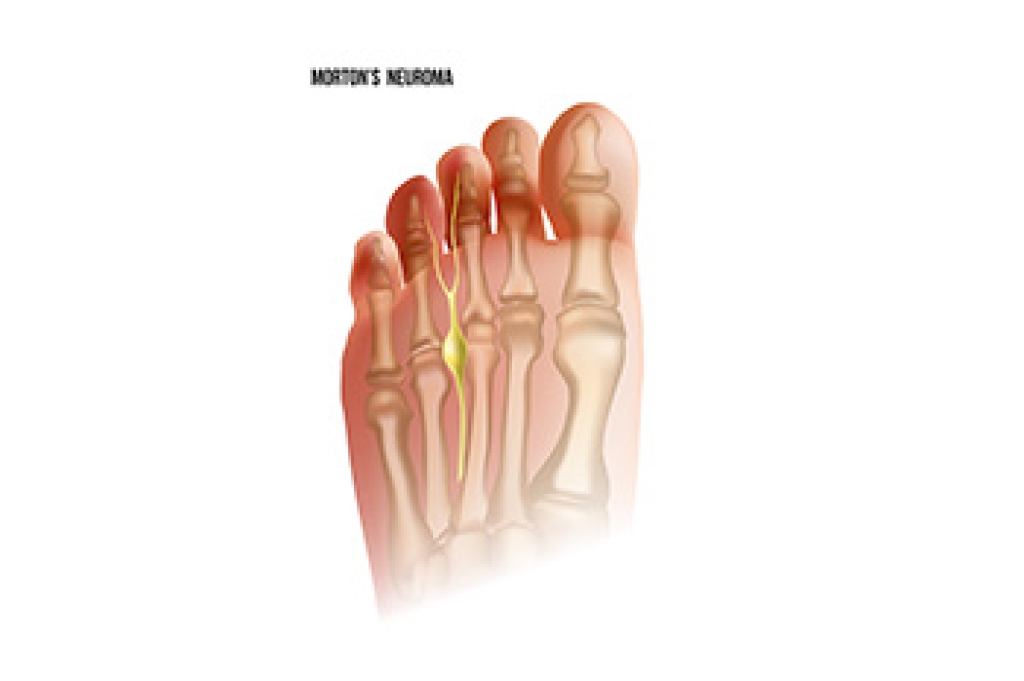
Symptoms of Morton’s Neuroma

The nerve found between the third and fourth toes can be affected by a foot condition known as Morton’s neuroma. This is an ailment that compresses or irritates the nerve and is considered to be benign. The majority of patients who develop Morton’s neuroma have severe pain and discomfort, and it can be difficult to walk. Morton's neuroma may be common in women who frequently wear high heels. These types of shoes have limited room in the toe area and this can cause the toes to shift toward each other, affecting the nerve. The pain is often felt in the ball of the foot and can be noticed while standing and walking. Additionally, a burning or tingling sensation can affect the toes, and it may feel like there is a small pebble in the shoe or sock. If you have pain in this area of your foot, it is suggested that you seek the counsel of a podiatrist who can perform a diagnosis and offer the proper treatment options.

Morton’s neuroma is a very uncomfortable condition to live with. If you think you have Morton’s neuroma, contact Kevin Powers, DPM of The Center for Lower Extremity Nerve Surgery. Our doctor will attend to all of your foot care needs and answer any of your related questions.  

Morton’s Neuroma

Morton's neuroma is a painful foot condition that commonly affects the areas between the second and third or third and fourth toe, although other areas of the foot are also susceptible. Morton’s neuroma is caused by an inflamed nerve in the foot that is being squeezed and aggravated by surrounding bones.

What Increases the Chances of Having Morton’s Neuroma?

  • Ill-fitting high heels or shoes that add pressure to the toe or foot
  • Jogging, running or any sport that involves constant impact to the foot
  • Flat feet, bunions, and any other foot deformities

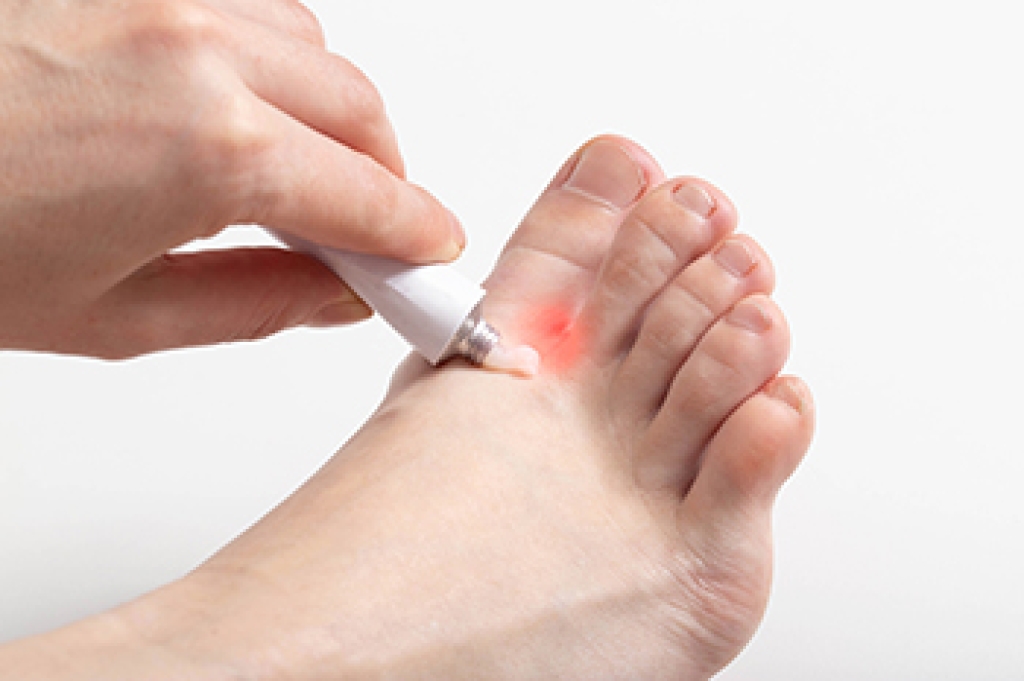
Morton’s neuroma is a very treatable condition. Orthotics and shoe inserts can often be used to alleviate the pain on the forefront of the feet. In more severe cases, corticosteroids can also be prescribed. In order to figure out the best treatment for your neuroma, it’s recommended to seek the care of a podiatrist who can diagnose your condition and provide different treatment options.

If you have any questions, please feel free to contact our offices located in Indianapolis and Bloomington, IN . We offer the newest diagnostic and treatment technologies for all your foot care needs.
Read more about Morton's Neuroma

Different Types of Athlete’s Foot

Athlete’s foot, also known as tinea pedis, is a fungal infection that results in inflammation, redness, itchiness, and scaling between the toes. It can also cause blistering on the bottom of the feet. This is a highly contagious infection and can be brought on by wearing wet or sweaty shoes or by walking barefoot on contaminated wet floors. Common areas to pick up athlete’s foot are pools, locker rooms, and public showers. Athlete’s foot can be difficult to cure and may come back again or turn into a bacterial infection if left untreated. There is more than one type of athlete’s foot. The three types of this fungal infection are interdigital, moccasin, and vestibular infections. An interdigital infection affects the skin between the toes. A moccasin infection covers the sole of the foot and can spread to the heel and edges of the feet. A vestibular infection can appear between the toes or the soles of the feet and can cause blisters or vesicles filled with pus that can burst open and cause open sores. Because athlete’s foot can sometimes be misdiagnosed, it is suggested that if you have these types of symptoms, an appointment is made with a podiatrist who can accurately diagnose and offer treatment options for athlete’s foot.

Athlete’s Foot

Athlete’s foot is often an uncomfortable condition to experience. Thankfully, podiatrists specialize in treating athlete’s foot and offer the best treatment options. If you have any questions about athlete’s foot, consult with Kevin Powers, DPM from The Center for Lower Extremity Nerve Surgery. Our doctor will assess your condition and provide you with quality treatment.

What Is Athlete’s Foot?

Tinea pedis, more commonly known as athlete’s foot, is a non-serious and common fungal infection of the foot. Athlete’s foot is contagious and can be contracted by touching someone who has it or infected surfaces. The most common places contaminated by it are public showers, locker rooms, and swimming pools. Once contracted, it grows on feet that are left inside moist, dark, and warm shoes and socks.

Prevention

The most effective ways to prevent athlete’s foot include:

  • Thoroughly washing and drying feet
  • Avoid going barefoot in locker rooms and public showers
  • Using shower shoes in public showers
  • Wearing socks that allow the feet to breathe
  • Changing socks and shoes frequently if you sweat a lot

Symptoms

Athlete’s foot initially occurs as a rash between the toes. However, if left undiagnosed, it can spread to the sides and bottom of the feet, toenails, and if touched by hand, the hands themselves. Symptoms include:

  • Redness
  • Burning
  • Itching
  • Scaly and peeling skin

Diagnosis and Treatment

Diagnosis is quick and easy. Skin samples will be taken and either viewed under a microscope or sent to a lab for testing. Sometimes, a podiatrist can diagnose it based on simply looking at it. Once confirmed, treatment options include oral and topical antifungal medications.

If you have any questions, please feel free to contact our offices located in Indianapolis and Bloomington, IN . We offer the newest diagnostic and treatment technologies for all your foot care needs.

Read more about Athlete's Foot

Definition of a Plantar Fibroma

The foot condition known as plantar fibromatosis is rare. A plantar fibroma is a fibrous, hardened area in the shape of a circle that develops in the arch. It is a benign growth, and it may form in both feet. Many patients don't report pain unless they walk barefoot or their shoe pushes against it. A plantar fibroma may occur if an injury has happened to the sole or from the consistent pressure the feet endure while running. Research has indicated it may happen from taking certain medications, such as anti-seizure medicine, beta-blockers, or excessive doses of vitamin C. An MRI is generally performed that can correctly diagnose a plantar fibroma and may be followed with a biopsy. Mild relief may be found when custom-made orthotics are worn, in addition to taking anti-inflammatory medication. If you have discovered a lump on the sole of your foot, it is suggested that you speak to a podiatrist who can accurately diagnose and treat a plantar fibroma.

A plantar fibroma may disrupt your daily activities. If you have any concerns, contact Kevin Powers, DPM of The Center for Lower Extremity Nerve Surgery. Our doctor can provide the care you need to keep you pain-free and on your feet.

Plantar Fibroma

A plantar fibroma is a fibrous knot in the arch of the foot. It is embedded in the plantar fascia which is a band of tissue that extends from the heel to the toes along the bottom of the foot. There can be multiple plantar fibromas in the feet at the same time. There are no known causes for this condition. If you have a plantar fibroma, there will be a bump in the arch of your foot that cannot be missed. Any associated pain is most often due to a shoe rubbing against the nodule. Non-surgical options, such as steroid injections, physical therapy, and orthotics should be tried first. Surgery is a last resort and is the only thing that will remove a plantar fibroma entirely. Consult with a podiatrist for a proper diagnosis and to determine the treatment regimen that is right for you.

What Causes a Plantar Fibroma?

While there are no specific causes identified, a plantar fibroma can possibly come from genetic predisposition or the formation of scar tissue that forms from healing the tears in the plantar fascia.

What Are the Symptoms of a Plantar Fibroma?

There will be a noticeable lump in the arch of the foot that may or may not cause pain. If pain is felt, it is typically because a shoe is rubbing up against the lump or when walking or standing barefoot.

Treatment and Prevention

A plantar fibroma will not disappear without treatment, but it can get smaller and be a non-issue. If pain persists, a podiatrist examines the foot and when the arch of the foot is pressed, pain can be felt down to the toes. An MRI or biopsy might be performed to help diagnose or evaluate the plantar fibroma. The following non-surgical options are generally enough to reduce the size and pain of these nodules:

  • Steroid injections
  • Orthotics
  • Physical therapy to help apply anti-inflammatory creams on the bump 

Surgery is considered if the mass increases in size and the patient continues to feel pain after non-surgical methods are tried.

If you have any questions, please feel free to contact our offices located in Indianapolis and Bloomington, IN . We offer the newest diagnostic and treatment technologies for all your foot care needs.
Read more about Plantar Fibroma

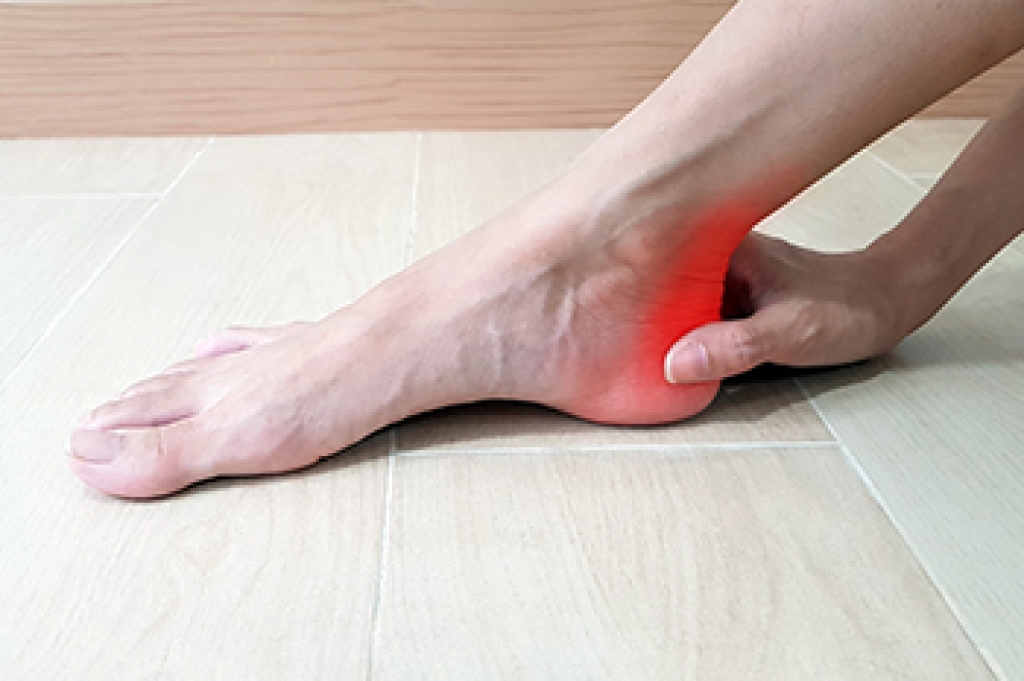
Heel Pain in the Morning?

Heel pain can negatively affect your day-to-day life. Simple activities like walking can become incredibly uncomfortable or painful due to heel pain.

Don’t live with heel pain and get treated.

Achilles Tendon Rupture Test

There are many different types of Achilles tendon injuries. For example, a common type of Achilles tendon injury is known as an Achilles tendon rupture. This condition can occur when the tendon above the heel is disrupted partially or entirely. A medical professional can perform specific tests that can determine whether or not an individual has an Achilles tendon rupture. Namely, the Matles test advises that if a patient cannot easily stand on their tiptoes, it may indicate an Achilles tendon rupture. Additionally, the Simmonds–Thompson test can be performed when a medical professional squeezes the calf muscle. If there is no downward motion in the foot, this may also indicate an Achilles tendon rupture has occurred. If you are someone that thinks they may be living with an Achilles tendon injury, it is suggested that you schedule an appointment with a podiatrist today.

Achilles tendon injuries need immediate attention to avoid future complications. If you have any concerns, contact Kevin Powers, DPM of The Center for Lower Extremity Nerve Surgery. Our doctor can provide the care you need to keep you pain-free and on your feet.

What Is the Achilles Tendon?

The Achilles tendon is a tendon that connects the lower leg muscles and calf to the heel of the foot. It is the strongest tendon in the human body and is essential for making movement possible. Because this tendon is such an integral part of the body, any injuries to it can create immense difficulties and should immediately be presented to a doctor.

What Are the Symptoms of an Achilles Tendon Injury?

There are various types of injuries that can affect the Achilles tendon. The two most common injuries are Achilles tendinitis and ruptures of the tendon.

Achilles Tendinitis Symptoms

  • Inflammation
  • Dull to severe pain
  • Increased blood flow to the tendon
  • Thickening of the tendon

Rupture Symptoms

  • Extreme pain and swelling in the foot
  • Total immobility

Treatment and Prevention

Achilles tendon injuries are diagnosed by a thorough physical evaluation, which can include an MRI. Treatment involves rest, physical therapy, and in some cases, surgery. However, various preventative measures can be taken to avoid these injuries, such as:

  • Thorough stretching of the tendon before and after exercise
  • Strengthening exercises like calf raises, squats, leg curls, leg extensions, leg raises, lunges, and leg presses

If you have any questions please feel free to contact our offices located in Indianapolis and Bloomington, IN . We offer the newest diagnostic tools and technology to treat your foot and ankle needs.

Read more about The Causes, Types, and Treatments of Achilles Tendon Injuries

Connect With Us