
Your feet are covered most of the day. If you're diabetic, periodic screening is important for good health. Numbness is often a sign of diabetic foot and can mask a sore or wound.
Your feet are covered most of the day. If you're diabetic, periodic screening is important for good health. Numbness is often a sign of diabetic foot and can mask a sore or wound.

High heels are a popular type of shoe to wear, despite the foot conditions that may develop. Blisters are a common ailment that many women get, and they can occur on the back of the heels, or the sides of the feet. This can happen if the shoe doesn’t fit correctly, and women may use methods such as putting cotton balls in the shoes, or bandages where blisters would develop. Wearing high heels that do not have enough room in the toe area may cause Morton’s neuroma to develop. This is defined as irritation and thickening of the nerve that lies between the third and fourth toes. It can cause severe pain and discomfort, and the pain may be temporarily alleviated when lower-heeled shoes are worn. Additionally, these types of shoes can put stress on the joints and bones, possibly leading to getting a stress fracture. Any type of foot pain that comes from wearing high heels is treated by a podiatrist, and it is suggested that you consult with this type of doctor who can offer relief tactics, and recommend shoes that are better for your feet.
High heels have a history of causing foot and ankle problems. If you have any concerns about your feet or ankles, contact Kevin Powers, DPM from The Center for Lower Extremity Nerve Surgery. Our doctor can provide the care you need to keep you pain-free and on your feet.
Effects of High Heels on the Feet
High heels are popular shoes among women because of their many styles and societal appeal. Despite this, high heels can still cause many health problems if worn too frequently.
Which Parts of My Body Will Be Affected by High Heels?
What Kinds of Foot Problems Can Develop from Wearing High Heels?
How Can I Still Wear High Heels and Maintain Foot Health?
If you want to wear high heeled shoes, make sure that you are not wearing them every day, as this will help prevent long term physical problems. Try wearing thicker heels as opposed to stilettos to distribute weight more evenly across the feet. Always make sure you are wearing the proper shoes for the right occasion, such as sneakers for exercising. If you walk to work, try carrying your heels with you and changing into them once you arrive at work. Adding inserts to your heels can help cushion your feet and absorb shock. Full foot inserts or metatarsal pads are available.
If you have any questions, please feel free to contact our offices located in Indianapolis and Bloomington, IN . We offer the newest diagnostic and treatment technologies for all your foot care needs.

The majority of plantar fasciitis symptoms will worsen without medical treatment. This condition is the inflammation of the plantar fascia, and it is considered to be one of the most common causes of heel pain. This is the portion of tissue that is located on the sole of the foot and connects the heels to the toes. The plantar fascia is responsible for shock absorption in addition to supporting the arch and the bottom of the foot. This condition can happen when the plantar fascia is stretched beyond its normal range, and it can happen from wearing shoes that do not fit correctly. Additionally, it is common among people who frequently run long distances, run on uneven surfaces, or stand for the majority of the day. The symptoms that many people experience with this condition can include severe pain and tenderness, swelling, and it can be difficult to walk. This may be worse in the morning upon arising, or after sitting for long periods of time. Plantar fasciitis generally gets worse before medical attention is sought. If you are afflicted with this condition, please consult with a podiatrist who can properly treat this condition.
Plantar fasciitis can be very painful and inconvenient. If you are experiencing heel pain or symptoms of plantar fasciitis, contact Kevin Powers, DPM from The Center for Lower Extremity Nerve Surgery. Our doctor can provide the care you need to keep you pain-free and on your feet.
What Is Plantar Fasciitis?
Plantar fasciitis is the inflammation of the thick band of tissue that runs along the bottom of your foot, known as the plantar fascia, and causes mild to severe heel pain.
What Causes Plantar Fasciitis?
How Can It Be Treated?
While very treatable, plantar fasciitis is definitely not something that should be ignored. Especially in severe cases, speaking to your doctor right away is highly recommended to avoid complications and severe heel pain. Your podiatrist can work with you to provide the appropriate treatment options tailored to your condition.
If you have any questions, please feel free to contact our offices located in Indianapolis and Bloomington, IN . We offer the newest diagnostic and treatment technologies for all your foot care needs.
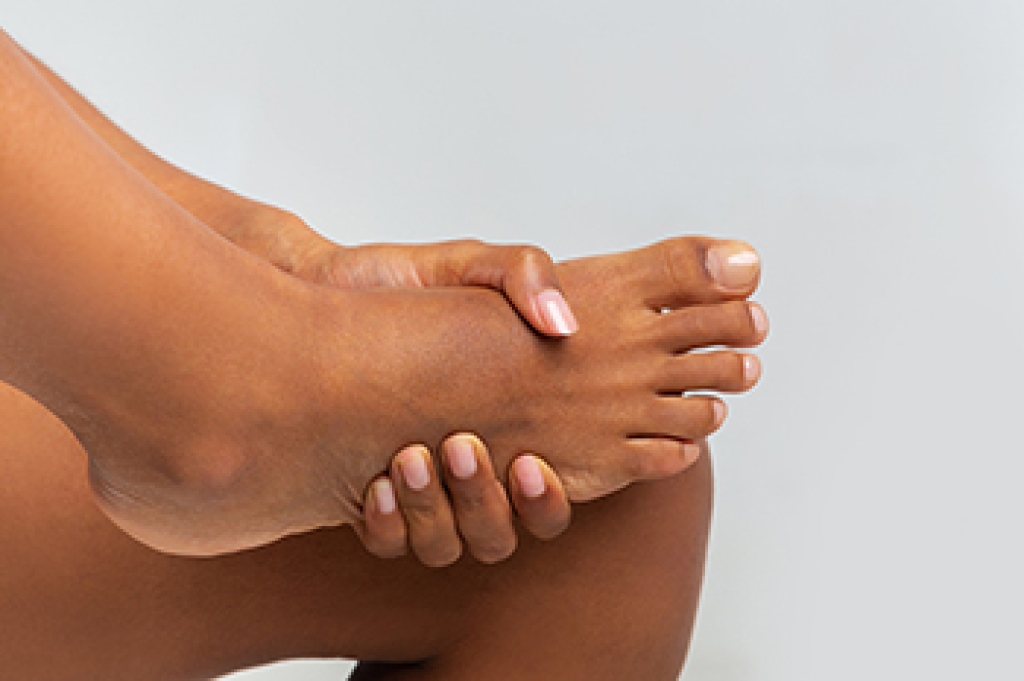
Synovitis is inflammation of the tissues that line a joint. Those with gout or another form of arthritis may be at risk for synovitis. It is also a result of overuse or trauma to a joint. Symptoms include redness, swelling, warmth, and pain with joint motion. Since pain or synovitis might mimic that of other afflictions, like fractures or infections, it is important to see a podiatrist and have the feet evaluated. Treatment often includes rest, immobilization, and medications. Surgery may be necessary for synovitis that has persisted. If you feel pain in your feet and ankle joints, see a podiatrist to get a proper diagnosis and learn about treatment options.
Some foot conditions may require additional professional care. If you have any concerns, contact Kevin Powers, DPM of The Center for Lower Extremity Nerve Surgery. Our doctor can provide the care you need to keep you pain-free and on your feet.
Rare Foot Conditions
The majority of foot conditions are common and can be treated by a podiatrist. Standard diagnostic procedures are generally used to identify specific conditions and treatment can be rendered. A podiatrist also treats rare foot conditions which can be difficult to diagnose and may need extra attention and care.
There are many rare foot conditions that can affect children. Some of these can include:
Freiberg’s disease - This can be seen as a deterioration and flattening of a metatarsal bone that exists in the ball of the foot. It typically affects pre-teen and teenage girls, but can affect anyone at any age. Symptoms that can accompany this can be swelling, stiffness, and the patient may limp.
Kohler’s disease - This often targets the bone in the arch of the foot and affects younger boys. It can lead to an interruption of the blood supply which ultimately can lead to bone deterioration. The patient may limp or experience tenderness, swelling, and redness.
Maffucci syndrome - This affects the long bones in a child’s foot leading to the development of abnormal bone lesions. They are benign growths and typically develop in early childhood and the bones may be susceptible to breaking.
A podiatrist can properly diagnose and treat all types of rare foot conditions. If your child is affected by any of these symptoms or conditions, please don’t hesitate to call our office so the correct treatment method can begin.
If you have any questions, please feel free to contact our offices located in Indianapolis and Bloomington, IN . We offer the newest diagnostic and treatment technologies for all your foot care needs.
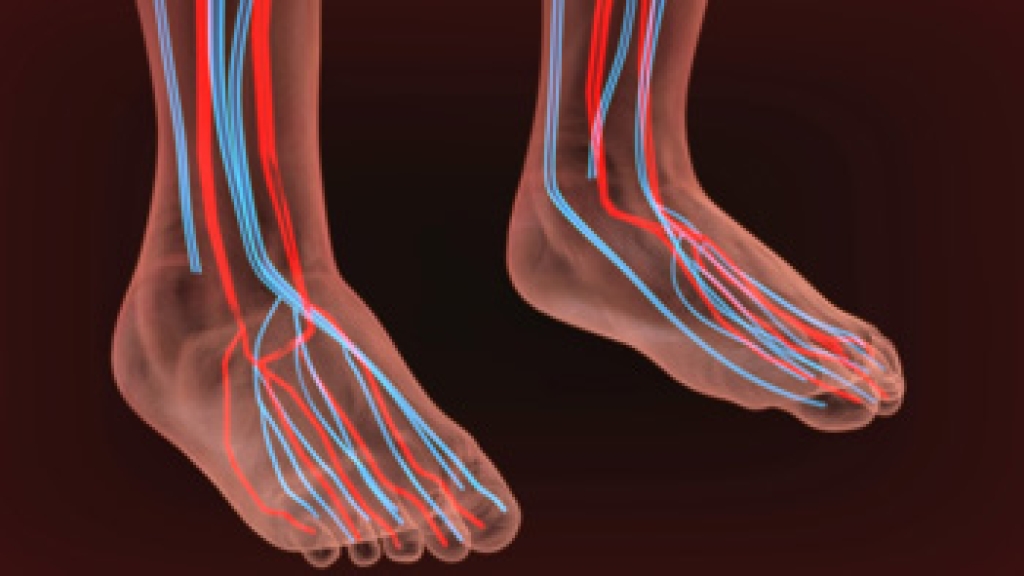
One of the first symptoms that patients can experience with poor circulation is cold feet. There may also be a pins and needles sensation, and the feet can turn blue or purple. There are various reasons why poor circulation may develop, including age, smoking, and obesity. Existing medical conditions such as diabetes, peripheral artery disease (PAD), and deep vein thrombosis (DVT) may significantly contribute to getting poor circulation. This condition can indicate there may be a heart condition, and there are things that can be done to improve poor circulation. It is beneficial to frequently perform a gentle exercise routine, and caregivers may be able to move the patients legs if unable to do so. Additionally, incorporating a healthy diet into the regime and stopping smoking will help tremendously. The feet can feel better when they are elevated, and wearing compression socks or stockings may help to reduce poor circulation. If you are suffering from this condition, it is strongly advised that you are under the care of a podiatrist who can effectively treat poor circulation of the feet.
While poor circulation itself isn’t a condition; it is a symptom of another underlying health condition you may have. If you have any concerns with poor circulation in your feet contact Kevin Powers, DPM of The Center for Lower Extremity Nerve Surgery. Our doctor will treat your foot and ankle needs.
Poor Circulation in the Feet
Peripheral artery disease (PAD) can potentially lead to poor circulation in the lower extremities. PAD is a condition that causes the blood vessels and arteries to narrow. In a linked condition called atherosclerosis, the arteries stiffen up due to a buildup of plaque in the arteries and blood vessels. These two conditions can cause a decrease in the amount of blood that flows to your extremities, therefore resulting in pain.
Symptoms
Some of the most common symptoms of poor circulation are:
Treatment for poor circulation often depends on the underlying condition that causes it. Methods for treatment may include insulin for diabetes, special exercise programs, surgery for varicose veins, or compression socks for swollen legs.
As always, see a podiatrist as he or she will assist in finding a regimen that suits you. A podiatrist can also prescribe you any needed medication.
If you have any questions, please feel free to contact our offices located in Indianapolis and Bloomington, IN . We offer the newest diagnostic and treatment technologies for all your foot care needs.
Connect With Us
