
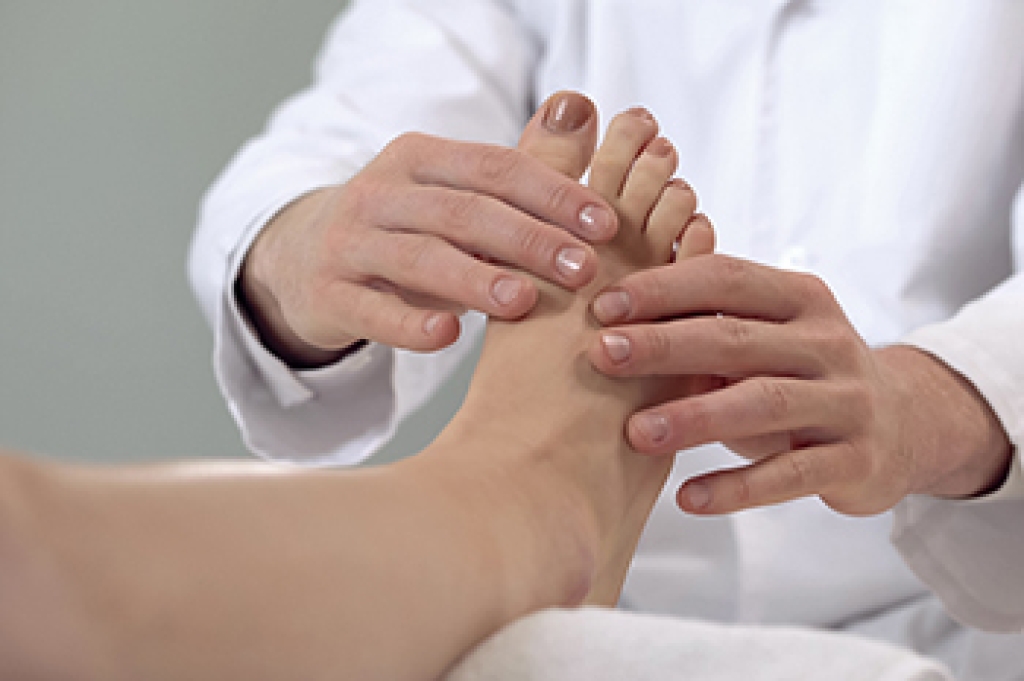
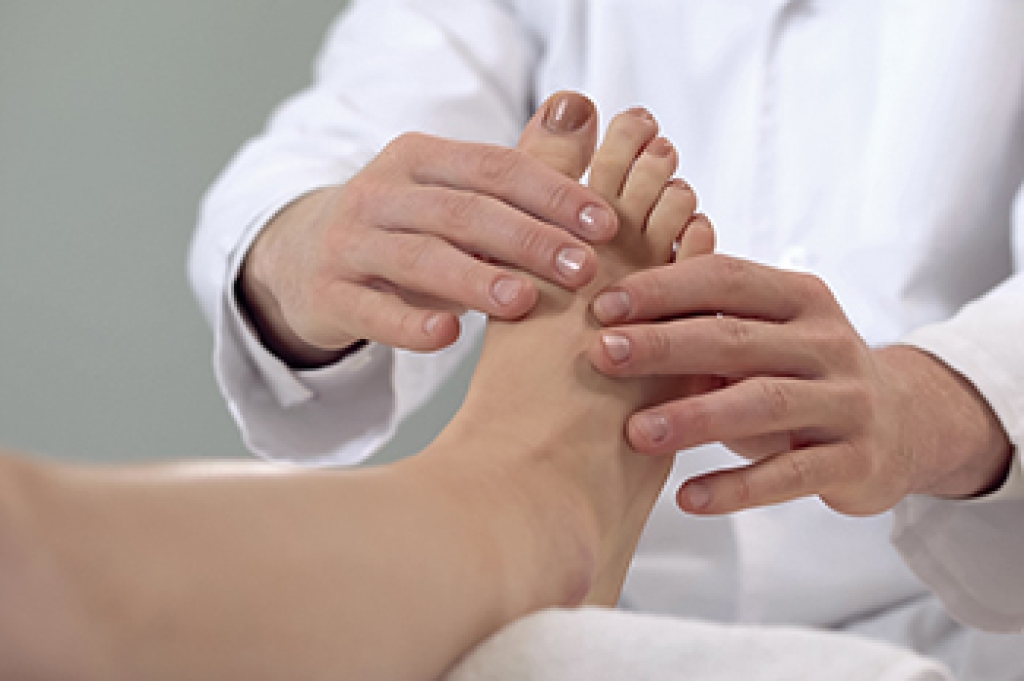
Heel pain can negatively affect your day-to-day life. Simple activities like walking can become incredibly uncomfortable or painful due to heel pain.
Don’t live with heel pain and get treated.
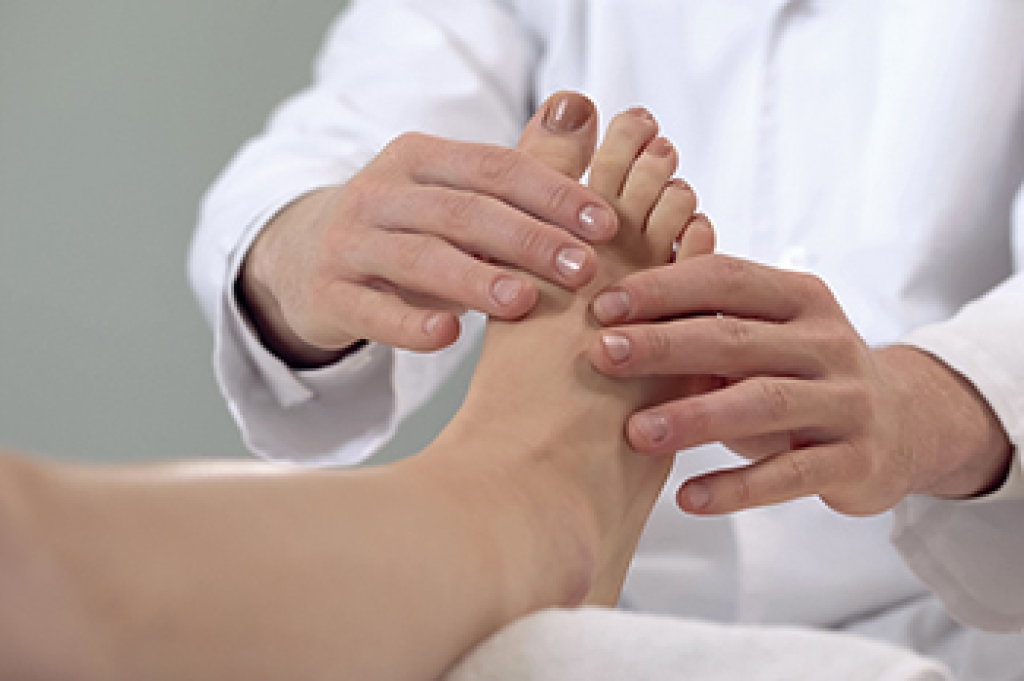
Heel pain can negatively affect your day-to-day life. Simple activities like walking can become incredibly uncomfortable or painful due to heel pain.
Don’t live with heel pain and get treated.
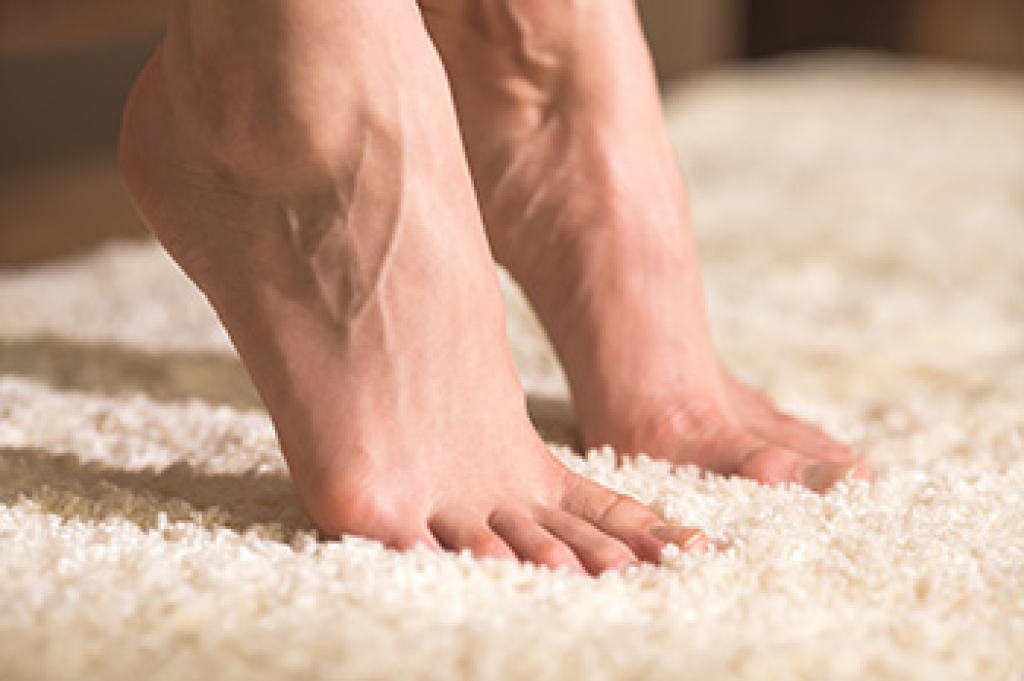
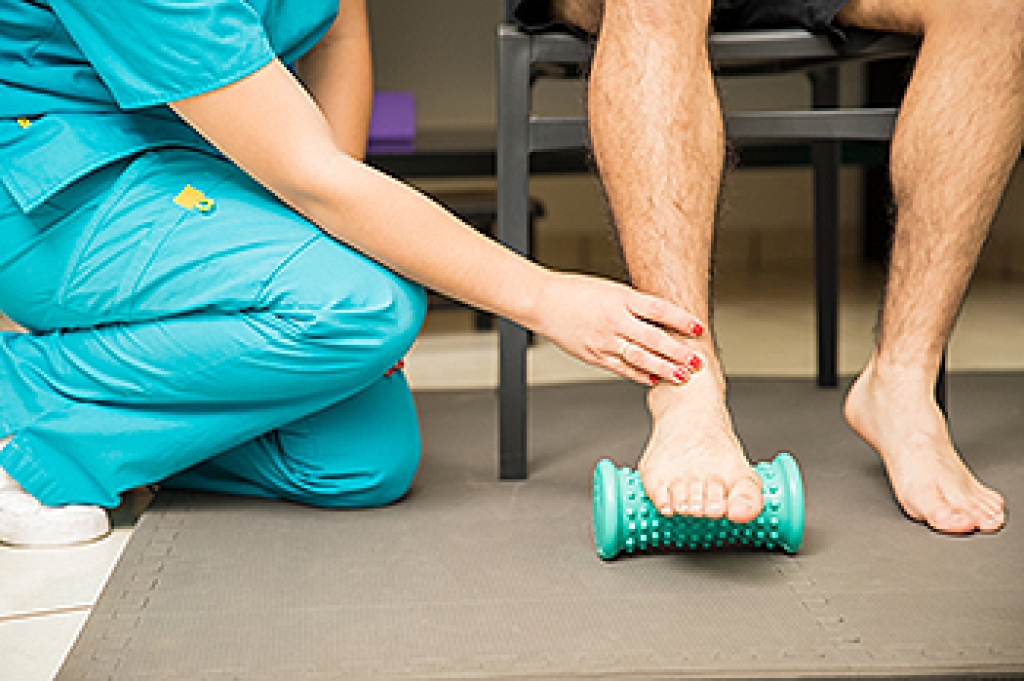
There are many benefits to frequently performing foot exercises. Stretching and exercising the feet make them stronger, and this can be helpful in possibly preventing falls, in addition to reducing existing foot and ankle pain. The range of motion is often improved, and slow stretching can improve flexibility. When the toes are raised, pointed, and curled, it may help to strengthen the Achilles tendon, which is connected to the heel. This can be done by sitting in a chair, and alternating pointing, raising, and curling the toes. Each position can be held for a few seconds, then repeated approximately 10 times. An effective stretch for the toes is called the toe splay and is also done while sitting in a chair. The heels can be firmly resting on the ground, and the toes are stretched out and moved several times. The entire foot can be strengthened when toe extensions are performed. While one leg is crossed over the other, take one hand and manually move the toes back until a gentle stretch is felt. If you would like more information about the benefits of exercising the feet, please speak with a podiatrist who can recommend specific stretches for you.
Exercising your feet regularly with the proper foot wear is a great way to prevent injuries and build strength. If you have any concerns about your feet, contact Kevin Powers, DPM from The Center for Lower Extremity Nerve Surgery. Our doctor can provide the care you need to keep you pain-free and on your feet.
Exercise for Your Feet
Exercise for your feet can help you gain strength, mobility and flexibility in your feet. They say that strengthening your feet can be just as rewarding as strengthening another part of the body. Your feet are very important, and we often forget about them in our daily tasks. But it is because of our feet that are we able to get going and do what we need to. For those of us fortunate enough to not have any foot problems, it is an important gesture to take care of them to ensure good health in the long run.
Some foot health exercises can include ankle pumps, tip-toeing, toe rises, lifting off the floor doing reps and sets, and flexing the toes. It is best to speak with Our doctor to determine an appropriate regimen for your needs. Everyone’s needs and bodies are different, and the activities required to maintain strength in the feet vary from individual to individual.
Once you get into a routine of doing regular exercise, you may notice a difference in your feet and how strong they may become.
If you have any questions, please feel free to contact our offices located in Indianapolis and Bloomington, IN . We offer the newest diagnostic and treatment technologies for all your foot care needs.
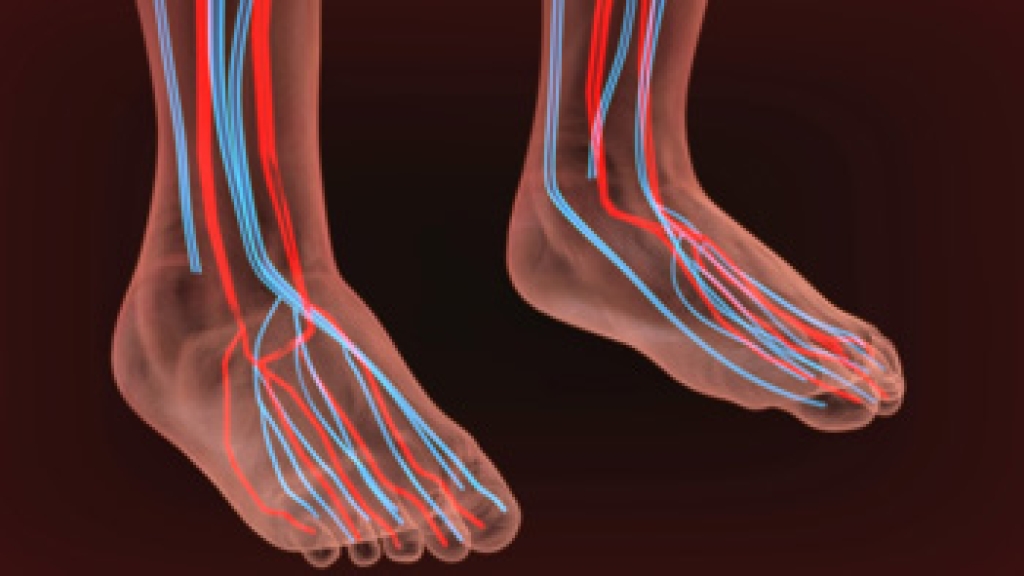
Healthy blood flow, which is known as circulation, is an important part of how we live. The purpose of the circulatory system is to deliver oxygen and nutrients throughout our cells, in addition to clearing out waste materials in the body. The feet are often the first parts of the body to notice if poor circulation exists, and they may become blue, cold, or swollen. Some people develop a tingling sensation or their feet may become numb. Poor circulation is often seen in diabetic patients, and this may be a result of hardened and narrowed arteries. Additionally, people who sit for extended periods may develop poor circulation and it is suggested to walk for small amounts of time during the day to provide adequate movement. Mild relief may occur when compression socks are worn and these may help restore blood flow to the feet. If you suffer from poor circulation in the feet, please confer with a podiatrist who can determine what the cause is as well as provide effective treatment options.
Poor circulation is a serious condition and needs immediate medical attention. If you have any concerns with poor circulation in your feet contact Kevin Powers, DPM of The Center for Lower Extremity Nerve Surgery. Our doctor will treat your foot and ankle needs.
Poor Circulation in the Feet
Poor blood circulation in the feet and legs is can be caused by peripheral artery disease (PAD), which is the result of a buildup of plaque in the arteries.
Plaque buildup or atherosclerosis results from excess calcium and cholesterol in the bloodstream. This can restrict the amount of blood which can flow through the arteries. Poor blood circulation in the feet and legs are sometimes caused by inflammation in the blood vessels, known as vasculitis.
Causes
Lack of oxygen and oxygen from poor blood circulation restricts muscle growth and development. It can also cause:
Those who have diabetes or smoke are at greatest risk for poor circulation, as are those who are over 50. If you have poor circulation in the feet and legs it may be caused by PAD and is important to make changes to your lifestyle in order to reduce risk of getting a heart attack or stroke. Exercise and maintaining a healthy lifestyle will dramatically improve conditions.
As always, see a podiatrist as he or she will assist in finding a regimen that suits you. A podiatrist can also prescribe you any needed medication.
If you have any questions, please feel free to contact our offices located in Indianapolis and Bloomington, IN . We offer the newest diagnostic and treatment technologies for all your foot care needs.
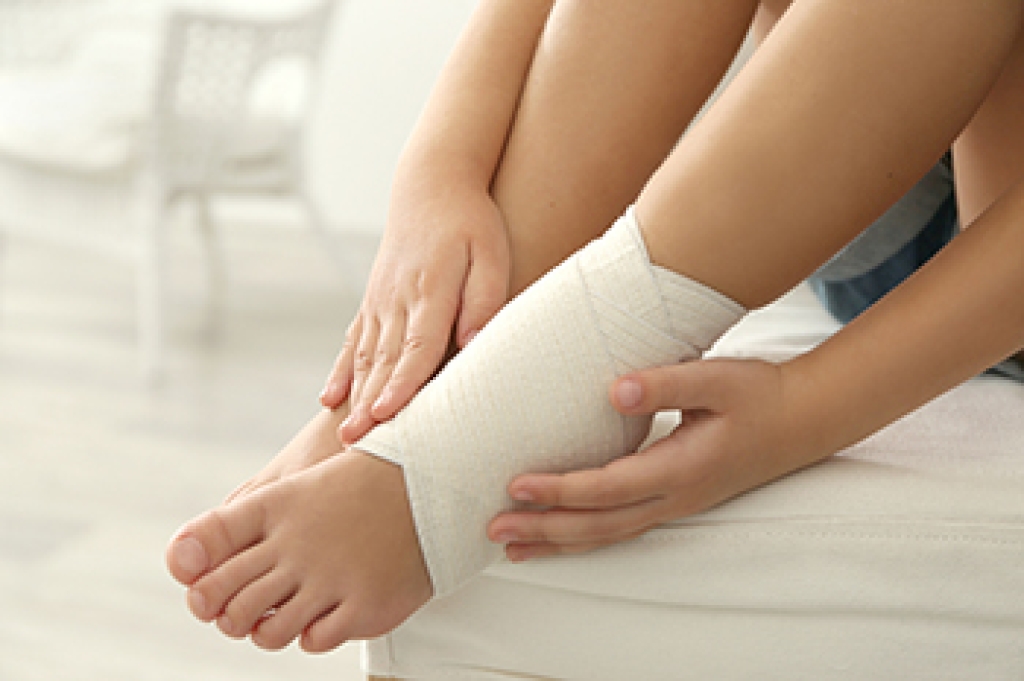 Different martial arts can lead to different injuries. Martial arts seem safe for young athletes, especially at beginner and intermediate levels. The risk of injury with these sports is lower than other sports but can still happen. Strains, sprains, and bruising can occur when practicing martial arts. Strains can occur in both muscles and tendons from sudden and extreme force. Foot injuries usually result from kicks, jumps, or sparring. The toes can be jammed, leading to bruising, dislocation, or fractures. Ankle injuries are less common, however, some martial arts movements such as the stand and kick or step and punch may place the ankle at risk. Ankle sprains can happen while participating in these sports and often involve inversion injury to the lateral ankle ligaments as the participant bears weight on the outer edge of the foot. These same ligaments can be hurt by striking the heel so hard that the foot is pushed into plantarflexion. This can happen from heel kicking the floor as one lands to break a fall or by landing on the opponent’s foot. If you participate or plan to participate in martial arts, it would be helpful to see a podiatrist to learn how to prevent or treat foot injuries common to these sports.
Sports related foot and ankle injuries require proper treatment before players can go back to their regular routines. For more information, contact Kevin Powers, DPM of The Center for Lower Extremity Nerve Surgery. Our doctor can provide the care you need to keep you pain-free and on your feet.
Sports Related Foot and Ankle Injuries
Foot and ankle injuries are a common occurrence when it comes to athletes of any sport. While many athletes dismiss the initial aches and pains, the truth is that ignoring potential foot and ankle injuries can lead to serious problems. As athletes continue to place pressure and strain the area further, a mild injury can turn into something as serious as a rupture and may lead to a permanent disability. There are many factors that contribute to sports related foot and ankle injuries, which include failure to warm up properly, not providing support or wearing bad footwear. Common injuries and conditions athletes face, including:
Sports related injuries are commonly treated using the RICE method. This includes rest, applying ice to the injured area, compression and elevating the ankle. More serious sprains and injuries may require surgery, which could include arthroscopic and reconstructive surgery. Rehabilitation and therapy may also be required in order to get any recovering athlete to become fully functional again. Any unusual aches and pains an athlete sustains must be evaluated by a licensed, reputable medical professional.
If you have any questions please contact our offices located in Indianapolis and Bloomington, IN . We offer the newest diagnostic and treatment technologies for all your foot and ankle needs.
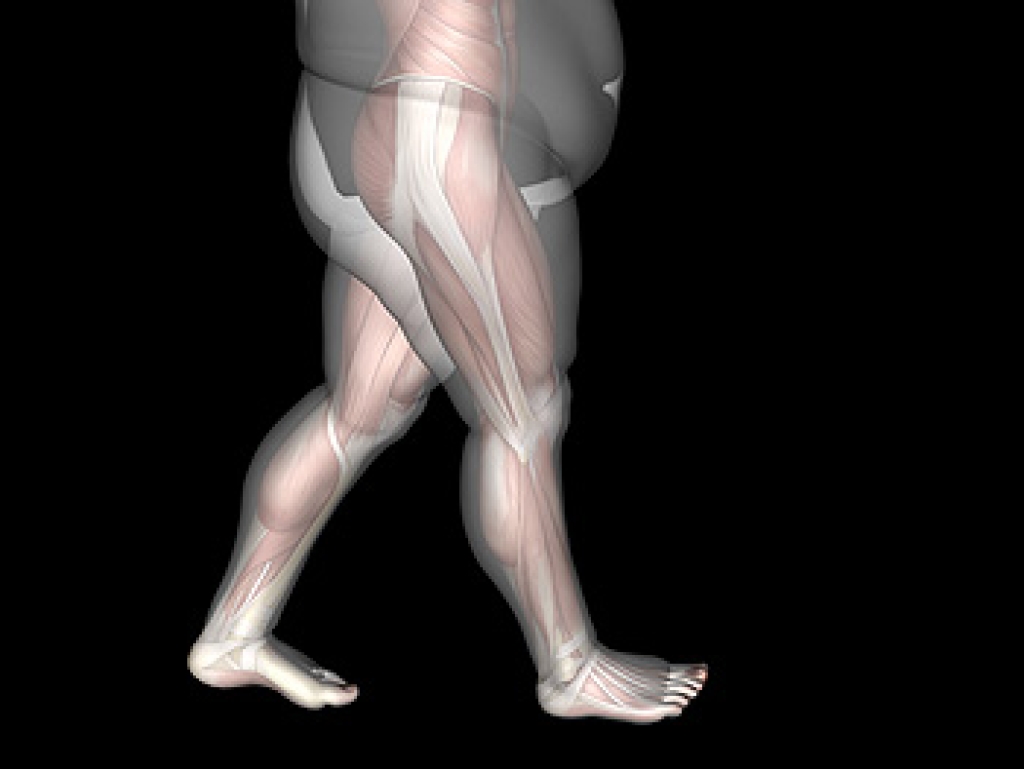
People who have gained weight may be concerned that their feet have gotten larger. Weight gain generally affects the overall body, and the feet are no exception. They may increase in length and width, and larger shoes often need to be purchased, which may be bothersome to some people. However, the feet will feel better when comfortable shoes are worn. It is suggested that a healthy diet be consumed, which may start the process of weight reduction, including in the feet. Drinking plenty of water daily, and implementing a gentle exercise routine may accelerate the desired weight loss. Additionally, elevating the feet frequently may reduce excess fluid build-up. Research has shown it may be beneficial to purchase running shoes that are larger, which may help to accommodate the size of the feet as a result of increased blood flow while running. If you would like more information about obesity and how it can affect the feet, please confer with a podiatrist.
Obesity has become very problematic at this point in time and can have extremely negative effects on the feet. If you’re an obese individual and are concerned about your feet, contact Kevin Powers, DPM from The Center for Lower Extremity Nerve Surgery. Our doctor can provide the care you need to keep you pain-free and on your feet.
Obesity and Your Feet
Since your feet are what support your entire weight when standing, any additional weight can result in pain and swelling. Being overweight is one of the main contributors to foot complications.
Problems & Complications
Extra Weight – Even putting on just a few extra pounds could create serious complications for your feet. As your weight increases, your balance and body will shift, creating new stresses on your feet. This uneven weight distribution can cause pain, even while doing the simplest tasks, such as walking.
Diabetes – People who are overweight are at serious risk of developing type-2 diabetes, which has a drastic impact on the health of your feet. As you get older, your diabetes might worsen, which could lead to loss of feeling in your feet, sores, and bruises. You could also become more prone to various infections.
Plantar fasciitis – Pressure and stress that is placed on muscles, joints, and tendons can trigger plantar fasciitis, which is an inflammation of tissue that forms along the bottom of the foot.
If you have any questions, please feel free to contact our offices located in Indianapolis and Bloomington, IN . We offer the newest diagnostic and treatment technologies for all your foot care needs.
The foot condition known as athlete’s foot can be uncomfortable and many people are embarrassed at how their feet look when they are afflicted with this ailment. It is caused by a fungus that lives in warm and moist environments including shower room floors, public swimming pools, and locker rooms. The fungus can invade the body through small cracks in the skin on the feet and initial symptoms of athlete’s foot can consist of itchiness and redness. It is suggested to wear appropriate shoes while in these types of areas as this may help to control the spread of athlete's foot. It is a contagious foot condition, and it is suggested that towels, shoes, and socks should not be shared. The symptoms of untreated athlete’s foot may gradually worsen and if you suffer from this ailment, it is strongly suggested that you are under the care of a podiatrist who can offer you the correct treatment methods.
Athlete’s Foot
Athlete’s foot is often an uncomfortable condition to experience. Thankfully, podiatrists specialize in treating athlete’s foot and offer the best treatment options. If you have any questions about athlete’s foot, consult with Kevin Powers, DPM from The Center for Lower Extremity Nerve Surgery. Our doctor will assess your condition and provide you with quality treatment.
What Is Athlete’s Foot?
Tinea pedis, more commonly known as athlete’s foot, is a non-serious and common fungal infection of the foot. Athlete’s foot is contagious and can be contracted by touching someone who has it or infected surfaces. The most common places contaminated by it are public showers, locker rooms, and swimming pools. Once contracted, it grows on feet that are left inside moist, dark, and warm shoes and socks.
Prevention
The most effective ways to prevent athlete’s foot include:
Symptoms
Athlete’s foot initially occurs as a rash between the toes. However, if left undiagnosed, it can spread to the sides and bottom of the feet, toenails, and if touched by hand, the hands themselves. Symptoms include:
Diagnosis and Treatment
Diagnosis is quick and easy. Skin samples will be taken and either viewed under a microscope or sent to a lab for testing. Sometimes, a podiatrist can diagnose it based on simply looking at it. Once confirmed, treatment options include oral and topical antifungal medications.
If you have any questions, please feel free to contact our offices located in Indianapolis and Bloomington, IN . We offer the newest diagnostic and treatment technologies for all your foot care needs.

Neuropathy is a condition that can lead to numbness or loss of sensation in the feet, but it can also cause pain. This condition is more likely to develop for those who are diabetic, obese, or with high blood pressure.
Overpronation is a type of gait that occurs when an individual’s feet roll excessively downward or inward during movement. To mitigate overpronation, you might be able to use orthotics, which are shoe inserts that correct foot or gait abnormalities. If you have overpronation, you may benefit from using custom-made orthotics that are designed after conducting an analysis of your individual walking style and tendencies. In some cases, individuals who wore orthotics to correct their overpronation demonstrated better balance and even a reduction in pain. If you suspect that you have overpronation, contact a podiatrist (a foot specialist) who can determine whether wearing supportive orthotics can positively impact your gait.
If you are having discomfort in your feet and would like to try orthotics, contact Kevin Powers, DPM from The Center for Lower Extremity Nerve Surgery. Our doctor can provide the care you need to keep you pain-free and on your feet.
What Are Orthotics?
Orthotics are inserts you can place into your shoes to help with a variety of foot problems such as flat feet or foot pain. Orthotics provide relief and comfort for minor foot and heel pain but can’t correct serious biomechanical problems in your feet.
Over-the-Counter Inserts
Orthotics come in a wide variety of over-the-counter inserts that are used to treat foot pain, heel pain, and minor problems. For example, arch supports can be inserted into your shoes to help correct overarched or flat feet, while gel insoles are often used because they provide comfort and relief from foot and heel pain by alleviating pressure.
Prescription Orthotics
If over-the-counter inserts don’t work for you or if you have a more severe foot concern, it is possible to have your podiatrist prescribe custom orthotics. These high-quality inserts are designed to treat problems such as abnormal motion, plantar fasciitis, and severe forms of heel pain. They can even be used to help patients suffering from diabetes by treating foot ulcers and painful calluses and are usually molded to your feet individually, which allows them to provide full support and comfort.
If you are experiencing minor to severe foot or heel pain, it’s recommended to speak with your podiatrist about the possibilities of using orthotics. A podiatrist can determine which type of orthotic is right for you and allow you to take the first steps towards being pain-free.
If you have any questions, please feel free to contact our offices located in Indianapolis and Bloomington, IN . We offer the newest diagnostic and treatment technologies for all your foot care needs.
Plantar fasciitis is a condition condition involving inflammation in the ligament that extends from the toes to the heels. It is one of the most common causes of heel pain. This affliction can cause sharp pain, especially when arising in the morning, and can interfere with walking or exercise. Plantar fasciitis is caused by activities that place stress on the heel, such as running or jumping, and standing on hard surfaces for a prolonged period of time. Additionally, obesity and aging may contribute significantly to developing plantar fasciitis. Preventive measures that can be taken may include varying exercise routines to work different muscles and including low impact exercise options to reduce stress on the heel. It may be beneficial to wear a night splint on the affected foot to keep the foot and ankle in the optimal position. If you believe that you have plantar fasciitis, it is strongly suggested that you visit a podiatrist who can properly diagnose this condition and obtain treatment that may be more effective for you.
Plantar fasciitis can be very painful and inconvenient. If you are experiencing heel pain or symptoms of plantar fasciitis, contact Kevin Powers, DPM from The Center for Lower Extremity Nerve Surgery. Our doctor can provide the care you need to keep you pain-free and on your feet.
What Is Plantar Fasciitis?
Plantar fasciitis is the inflammation of the thick band of tissue that runs along the bottom of your foot, known as the plantar fascia, and causes mild to severe heel pain.
What Causes Plantar Fasciitis?
How Can It Be Treated?
While very treatable, plantar fasciitis is definitely not something that should be ignored. Especially in severe cases, speaking to your doctor right away is highly recommended to avoid complications and severe heel pain. Your podiatrist can work with you to provide the appropriate treatment options tailored to your condition.
If you have any questions, please feel free to contact our offices located in Indianapolis and Bloomington, IN . We offer the newest diagnostic and treatment technologies for all your foot care needs.
Despite the fact that flip-flops are perhaps one of the most widespread and popular forms of footwear during the summer months, flip-flops can also negatively impact your feet. For example, wearing flip-flops for too long and during prolonged periods of physical activity might contribute to foot pain. Since an individual must tighten and scrunch up their toes to prevent their flip-flops from falling off, this prolonged tension can contribute significantly to foot pain. Also, flip-flops offer a substantially low level of foot support. As the shoe is essentially a mere piece of foam, the wearer does not benefit from any cushioning or padding found in other forms of footwear. This lack of padding can aggravate conditions such as plantar fasciitis, which can cause heel pain. Plantar fasciitis occurs when the plantar fascia, which is a band of tissue running through the arch of the foot, becomes inflamed and strained. Like all things, flip-flops are perhaps best worn in moderation. For instance, if you are taking a walk up the block to go to the beach, wearing flip-flops might be an appropriate choice. However, if you are about to embark on a long walk or hike, selecting a more supportive shoe might be the better option. If you wear flip-flops and experience some kind of foot pain, consider reaching out to a podiatrist who can help you.
Flip-flops are not always the best choice of footwear. If you have any concerns about your feet or ankles, contact Kevin Powers, DPM from The Center for Lower Extremity Nerve Surgery. Our doctor will assist you with all of your foot and ankle needs.
Flip-Flops and Feet
When the weather starts warming up, people enjoy wearing flip-flops. Flip-flops are comfortable, stylish, and easy to slip on and off; they're perfect for any summer beach goer. However, these shoes can cause harm to the feet.
How Can Flip-Flops Affect Me Long-Term?
Are There Injuries Associated with Flip-Flops?
Yes. Since flip-flops are relatively weak and do not provide the same amount of support as sneakers, people who wear flip-flops regularly are more susceptible to injuries. On top of that, the open nature of the shoe makes your feet more prone to other problems, such as cuts and even infections. Common injuries and ailments include:
I like Wearing Flip-Flops. Are There Safe Alternatives?
When buying flip-flops, try to find ones that have sturdy soles and that are made of high-quality materials that will support for your feet. These flip-flops will cost more but will also last longer as a result.
If you have any questions, please feel free to contact our offices located in Indianapolis and Bloomington, IN . We offer the newest diagnostic and treatment technologies for all your foot care needs.
Connect With Us
