Stay Safe While Being Active This Summer

For many, summertime means time to get out and get active. Before trying a new sport or physical activity, be sure to properly stretch and gradually increase intensity to prevent injuries.

If you need treatment for an injury or would like to learn about injury prevention, schedule an appointment.

Parts of a Running Shoe

If you are a runner looking for the ideal pair of shoes that best fit your specific needs, it may help to have an understanding of the different parts of a running shoe and what they do. The “upper” is any part of the shoe above the sole. When shoe shopping, you should look for shoes with an upper that is smooth and shaped like your foot. The “ankle collar” is the wrap at the top part of the shoe opening. Its function is to hold the heel in place. You should look for an ankle collar that prevents your heel from slipping and sliding and doesn’t irritate the back of your ankle. The “toe box” encompasses the area between the laces and the front of the shoe. Look for a toe box that allows your toes to flex and spread out, without rubbing against it. To learn more about how to find the right running shoes, please consult with a podiatrist.

If you are a runner, wearing the right running shoe is essential. For more information, contact Kevin Powers, DPM from The Center for Lower Extremity Nerve Surgery. Our doctor can provide the care you need to keep you pain-free and on your feet.

Choosing the Right Running Shoe for Your Foot Type

To increase performance and avoid the risk of injury, it is important to choose the right running shoe based on your foot type. The general design of running shoes revolves around pronation, which is how the ankle rolls from outside to inside when the foot strikes the ground.

  • Neutral runners are able to choose from a wide variety of shoes, including minimalist shoes or even going barefoot.
  • Runners who overpronate, or experience an over-abundance of ankle rolling, should choose shoes that provide extra motion control and stability.
  • Runners who underpronate, or supinate, have feet that have high arches and lack flexibility, preventing shock absorption. They require shoes with more flexibility and cushion.

If you have any questions, please feel free to contact our offices located in Indianapolis and Bloomington, IN . We offer the newest diagnostic and treatment technologies for all your foot care needs.


Read more about Choosing the Right Running Shoe for Your Foot Type

The Podiatrist and You

Many people endure foot and ankle injuries, pain, biomechanical problems, deformities, infections, and damage from systemic conditions that affect the lower limbs, but are hesitant to talk to their primary care doctors about it, thinking that an aching heel or a bunion has no bearing to their overall health. This is patently untrue. The feet are the foundation of the body, supporting its weight and carrying you throughout your daily life. If you have any foot or ankle problems, you should not suffer in silence. Instead, schedule an appointment with a podiatrist. Podiatrists are foot and ankle specialists who diagnose, treat, and assist patients in managing a huge variety of foot and ankle conditions. These include fractures, sprains, plantar fasciitis, bunions, hammertoes, diabetic neuropathy and foot ulcers, ingrown toenails, and much more. If you have a foot problem bothering you, consult with a podiatrist today.

If you are dealing with pain in your feet and ankles, you may want to seek help from a podiatrist. Feel free to contact Kevin Powers, DPM from The Center for Lower Extremity Nerve Surgery. Our doctor can provide the care you need to keep you pain-free and on your feet.

What Is a Podiatrist?

A podiatrist is a doctor of podiatric medicine who diagnoses and treats conditions of the foot, ankle, and related structures of the leg. Your podiatrist may specialize in a certain field such as sports medicine, wound care, pediatrics, and diabetic care. Podiatrists have the ability to become board certified through training, clinical experience, and then taking an exam.

What Do Podiatrists Do?

On a daily basis, a podiatrist may perform the following activities:

  • Diagnose foot ailments such as ulcers, tumors, fractures, etc.
  • Use innovative methods to treat conditions
  • Use corrective orthotics, casts, and strappings to correct deformities
  • Correct walking patterns and balance
  • Provide individual consultations to patients

It is very important that you take care of your feet. It’s easy to take having healthy feet for granted, however foot problems tend to be among the most common health conditions. Podiatrists can help diagnose and treat a variety of feet related conditions, so it is crucial that you visit one if you need assistance.

If you have any questions, please feel free to contact our offices located in Indianapolis and Bloomington, IN . We offer the newest diagnostic and treatment technologies for all your foot care needs.

Read more about What is a Podiatrist?

What Causes Plantar Fasciitis?

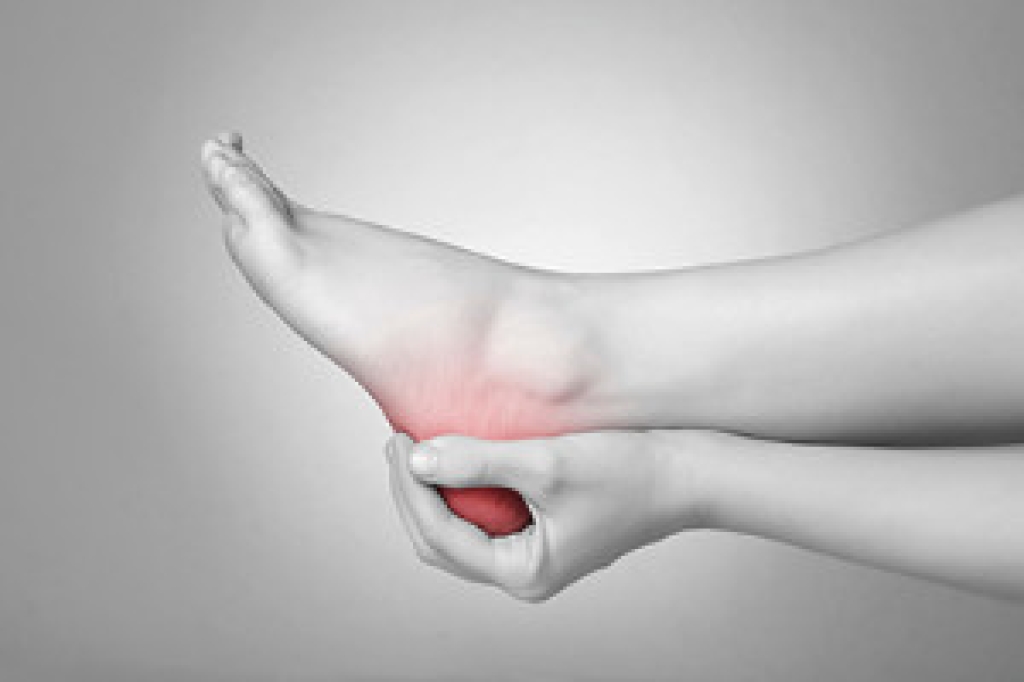
Plantar fasciitis is the most common source of heel pain. It occurs when the plantar fascia, the band of tissue running along the bottom of the foot that connects the heel to the toes, becomes inflamed. Plantar fasciitis is usually a result of repetitive overstretching of the plantar fascia. Common contributing factors include having high arches or flat feet, standing on hard surfaces for a long period of time, age (between 40 and 60), being overweight, wearing high heels, and a sudden change in activity level. Plantar fasciitis pain is most prevalent in the middle of the heel and it is usually worse after waking up in the morning or after taking a long rest. Patients who are experiencing heel pain should consult with a podiatrist for a proper diagnosis and to determine what route of treatment should be implemented.

Plantar fasciitis is a common foot condition that is often caused by a strain injury. If you are experiencing heel pain or symptoms of plantar fasciitis, contact Kevin Powers, DPM from The Center for Lower Extremity Nerve Surgery. Our doctor can provide the care you need to keep you pain-free and on your feet.

What Is Plantar Fasciitis?

Plantar fasciitis is one of the most common causes of heel pain. The plantar fascia is a ligament that connects your heel to the front of your foot. When this ligament becomes inflamed, plantar fasciitis is the result. If you have plantar fasciitis you will have a stabbing pain that usually occurs with your first steps in the morning. As the day progresses and you walk around more, this pain will start to disappear, but it will return after long periods of standing or sitting.

What Causes Plantar Fasciitis?

  • Excessive running
  • Having high arches in your feet
  • Other foot issues such as flat feet
  • Pregnancy (due to the sudden weight gain)
  • Being on your feet very often

There are some risk factors that may make you more likely to develop plantar fasciitis compared to others. The condition most commonly affects adults between the ages of 40 and 60. It also tends to affect people who are obese because the extra pounds result in extra stress being placed on the plantar fascia.

Prevention

  • Take good care of your feet – Wear shoes that have good arch support and heel cushioning.
  • Maintain a healthy weight
  • If you are a runner, alternate running with other sports that won’t cause heel pain

There are a variety of treatment options available for plantar fasciitis along with the pain that accompanies it. Additionally, physical therapy is a very important component in the treatment process. It is important that you meet with your podiatrist to determine which treatment option is best for you.

If you have any questions, please feel free to contact our offices located in Indianapolis and Bloomington, IN . We offer the newest diagnostic and treatment technologies for all your foot care needs.


Read more about Plantar Fasciitis

Causes of Plantar Fasciitis

Plantar fasciitis, an inflammation of the tendon that runs along the bottom of the foot, is the most common cause of heel pain. This condition can develop following long hours of standing, walking, running, or participating in sports. In rarer cases, an acute injury to the bottom of the foot can damage the plantar fascia and bring forth early stages of this condition. Having flat or overpronated feet, high arches, wearing ill-fitting and uncomfortable shoes, having tight calf muscles, or being overweight or obese can also cause plantar fasciitis. If you are suffering from heel pain, it is strongly suggested that you schedule an appointment with a podiatrist near you.

Many people suffer from bouts of heel pain. For more information, contact Kevin Powers, DPM of The Center for Lower Extremity Nerve Surgery. Our doctor can provide the care you need to keep you pain-free and on your feet.

Causes of Heel Pain

Heel pain is often associated with plantar fasciitis. The plantar fascia is a band of tissues that extends along the bottom of the foot. A rip or tear in this ligament can cause inflammation of the tissue.

Achilles tendonitis is another cause of heel pain. Inflammation of the Achilles tendon will cause pain from fractures and muscle tearing. Lack of flexibility is also another symptom.

Heel spurs are another cause of pain. When the tissues of the plantar fascia undergo a great deal of stress, it can lead to ligament separation from the heel bone, causing heel spurs.

Why Might Heel Pain Occur?

  • Wearing ill-fitting shoes                
  • Wearing non-supportive shoes
  • Weight change           
  • Excessive running

Treatments

Heel pain should be treated as soon as possible for immediate results. Keeping your feet in a stress-free environment will help. If you suffer from Achilles tendonitis or plantar fasciitis, applying ice will reduce the swelling. Stretching before an exercise like running will help the muscles. Using all these tips will help make heel pain a condition of the past.

If you have any questions, please feel free to contact our offices located in Indianapolis and Bloomington, IN . We offer the newest diagnostic and treatment technologies for all your foot care needs.

Read more about Heel Pain

What Can Cause A Heel Spur?

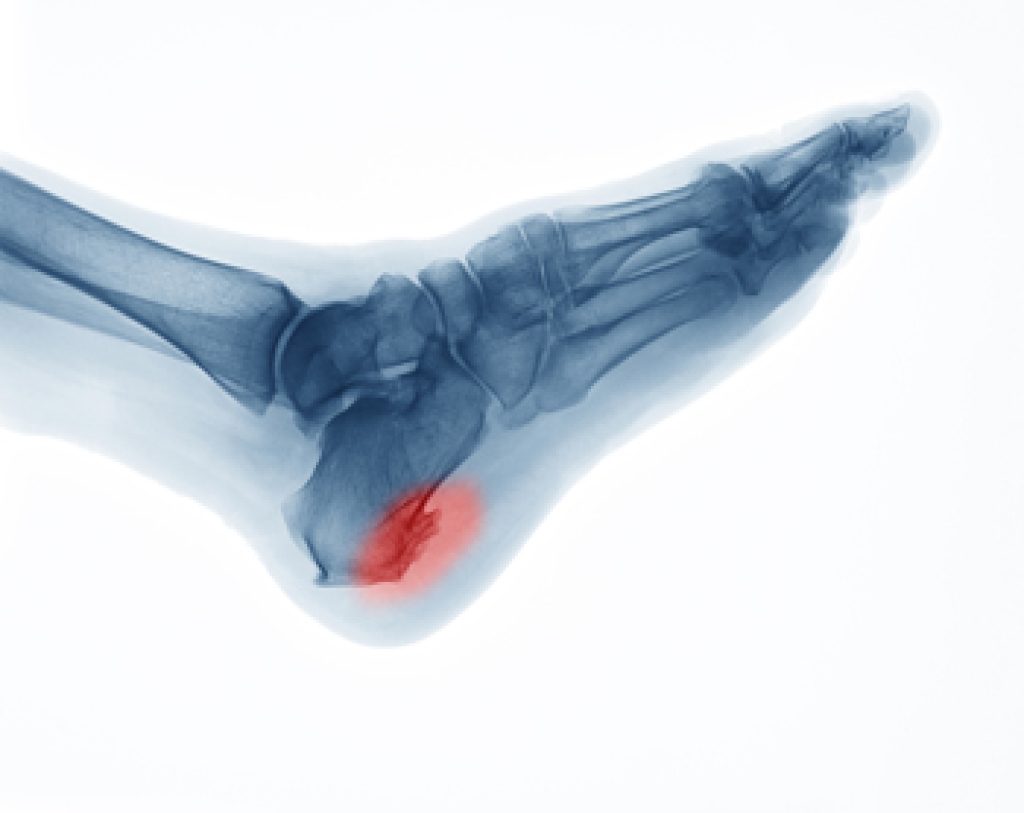
Patients who have a calcium build-up on the heel bone most likely have a heel spur. It can come from the medical condition that is known as plantar fasciitis, or there may be an abnormal amount of calcium accumulation under the heel. A heel spur looks like a small hook, and having an X-ray taken will generally identify this ailment. It can gradually produce chronic pain, and walking can be difficult. A common cause of heel spurs is when the connective tissue starts to become thin. This can happen as a result of wearing shoes that do not fit correctly, or possibly from having existing medical conditions like arthritis. There are several treatment methods that are available for heel spurs. If you suffer from heel pain, it is suggested that you consult with a podiatrist who can make a proper diagnosis, and offer the treatment techniques that are best for you.

Heel spurs can be incredibly painful and sometimes may make you unable to participate in physical activities. To get medical care for your heel spurs, contact Kevin Powers, DPM from The Center for Lower Extremity Nerve Surgery. Our doctor will do everything possible to treat your condition.

Heels Spurs

Heel spurs are formed by calcium deposits on the back of the foot where the heel is. This can also be caused by small fragments of bone breaking off one section of the foot, attaching onto the back of the foot. Heel spurs can also be bone growth on the back of the foot and may grow in the direction of the arch of the foot.

Older individuals usually suffer from heel spurs and pain sometimes intensifies with age. One of the main condition's spurs are related to is plantar fasciitis.

Pain

The pain associated with spurs is often because of weight placed on the feet. When someone is walking, their entire weight is concentrated on the feet. Bone spurs then have the tendency to affect other bones and tissues around the foot. As the pain continues, the feet will become tender and sensitive over time.

Treatments

There are many ways to treat heel spurs. If one is suffering from heel spurs in conjunction with pain, there are several methods for healing. Medication, surgery, and herbal care are some options.

If you have any questions, please feel free to contact our offices located in Indianapolis and Bloomington, IN . We offer the newest diagnostic and treatment technologies for all your foot care needs.

Read more about Heel Spurs

The Relationship Between Weight and Foot Health

Obesity is a worldwide health concern. Being obese, which means your body mass index (BMI) is 30 or higher, is particularly troublesome for foot health. There is an important correlation between foot health and body weight, and obesity negatively impacts that relationship. Obesity can put excessive pressure on the feet and impact their functionality, while increasing the risk of developing plantar fasciitis, flat feet, Achilles tendinitis and more. Obesity can also lead to arthritis and diabetes—both of which are known to create foot and ankle problems. If you are experiencing pain or reduced mobility in the feet due to obesity, call a podiatrist who may be able to create custom orthotics to redistribute weight more evenly across your feet, while easing foot pain, and helping you walk better.

The more you weigh, the harder your feet must work to support your body. If you’re an obese individual and are concerned about your feet, contact Kevin Powers, DPM from The Center for Lower Extremity Nerve Surgery. Our doctor can provide the care you need to keep you pain-free and on your feet.

Obesity and Your Feet

People who are overweight are putting more pressure on their ankles, knees, and hips as well as their feet. This unfortunately can lead to variety of different issues.

Problems & Complications Stemming from Obesity

  • When the body is overweight, it tries to compensate by changing the way that it moves. An obese person may lean forward and put extra weight on the wrong part of the foot. This puts unnecessary stress on the feet.
  • Obese people are also more likely to develop type II diabetes which is a condition that causes a lot of foot problems. People with diabetes often don’t feel the cuts and sores that they may have on their feet, which can lead to more complicated and severe issues.
  • Plantar fasciitis is another foot condition that can be caused by obesity. Plantar fasciitis is an inflammation of the tissue along the bottom of the foot, which causes pain and stiffness while walking and climbing stairs.

If you have any questions please contact our offices located in Indianapolis and Bloomington, IN . We offer the newest diagnostic and treatment technologies for all your foot and ankle needs.

Read more about Obesity and the Feet

The Four Types of Athlete's Foot

Athlete’s foot, or tinea pedis, is a fungal infection of the skin fn the feet. There are four main types of athlete’s foot, all of which have a different clinical presentation. Chronic hyperkeratotic tinea pedis causes scaling and thickening of the skin on the soles of the feet. Chronic intertriginous tinea pedis causes scaling, redness, and peeling of the skin between and under the toes. Acute ulcerative tinea pedis is characterized by wet, swollen, pruney skin lesions with scaly borders between the toes. This type of athlete’s foot is more likely to get a secondary bacterial infection. Vesiculobullous tinea pedis is characterized by blisters forming on the soles of the feet. If you suspect that you have athlete’s foot, see a podiatrist for a proper diagnosis and treatment.

Athlete’s foot is an inconvenient condition that can be easily reduced with the proper treatment. If you have any concerns about your feet and ankles, contact Kevin Powers, DPM from The Center for Lower Extremity Nerve Surgery.  Our doctor will treat your foot and ankle needs.

Athlete’s Foot: The Sole Story

Athlete's foot, also known as tinea pedis, can be an extremely contagious foot infection. It is commonly contracted in public changing areas and bathrooms, dormitory style living quarters, around locker rooms and public swimming pools, or anywhere your feet often come into contact with other people.

Solutions to Combat Athlete’s Foot

  • Hydrate your feet by using lotion
  • Exfoliate
  • Buff off nails
  • Use of anti-fungal products
  • Examine your feet and visit your doctor if any suspicious blisters or cuts develop

Athlete’s foot can cause many irritating symptoms such as dry and flaking skin, itching, and redness. Some more severe symptoms can include bleeding and cracked skin, intense itching and burning, and even pain when walking. In the worst cases, Athlete’s foot can cause blistering as well. Speak to your podiatrist for a better understanding of the different causes of Athlete’s foot, as well as help in determining which treatment options are best for you.

If you have any questions please feel free to contact our offices located in Indianapolis and Bloomington, IN . We offer the newest diagnostic and treatment technologies for all your foot and ankle needs.

Read more about How to Deal with Athlete's Foot

Feet Can Be Affected by Diabetes

Diabetic patients can suffer serious medical complications if a foot wound is left untreated. This is because high blood sugar levels can impact the circulatory and nervous systems, leading to poor circulation and nerve damage, particularly in the feet. There are methods that can be implemented which can help to prevent complications from diabetes. These can include washing and drying the feet thoroughly, wearing shoes that fit correctly, and trimming the toenails properly. If you have diabetes, it is strongly suggested that you are under the care of a podiatrist who can help you to effectively manage your foot health. 

Diabetic foot care is important in preventing foot ailments such as ulcers. If you are suffering from diabetes or have any other concerns about your feet, contact Kevin Powers, DPM from The Center for Lower Extremity Nerve Surgery. Our doctor can provide the care you need to keep you pain-free and on your feet.

Diabetic Foot Care

Diabetes affects millions of people every year. The condition can damage blood vessels in many parts of the body, especially the feet. Because of this, taking care of your feet is essential if you have diabetes, and having a podiatrist help monitor your foot health is highly recommended.

The Importance of Caring for Your Feet

  • Routinely inspect your feet for bruises or sores.
  • Wear socks that fit your feet comfortably.
  • Wear comfortable shoes that provide adequate support.

Patients with diabetes should have their doctor monitor their blood levels, as blood sugar levels play such a huge role in diabetic care. Monitoring these levels on a regular basis is highly advised.

It is always best to inform your healthcare professional of any concerns you may have regarding your feet, especially for diabetic patients. Early treatment and routine foot examinations are keys to maintaining proper health, especially because severe complications can arise if proper treatment is not applied.

If you have any questions, please feel free to contact our offices located in Indianapolis and Bloomington, IN . We offer the newest diagnostic and treatment technologies for all your foot care needs.

Read more about How to Care for Diabetic Foot

Connect With Us