Stay Safe While Being Active This Summer

For many, summertime means time to get out and get active. Before trying a new sport or physical activity, be sure to properly stretch and gradually increase intensity to prevent injuries.

If you need treatment for an injury or would like to learn about injury prevention, schedule an appointment.

Parts of a Running Shoe

If you are a runner looking for the ideal pair of shoes that best fit your specific needs, it may help to have an understanding of the different parts of a running shoe and what they do. The “upper” is any part of the shoe above the sole. When shoe shopping, you should look for shoes with an upper that is smooth and shaped like your foot. The “ankle collar” is the wrap at the top part of the shoe opening. Its function is to hold the heel in place. You should look for an ankle collar that prevents your heel from slipping and sliding and doesn’t irritate the back of your ankle. The “toe box” encompasses the area between the laces and the front of the shoe. Look for a toe box that allows your toes to flex and spread out, without rubbing against it. To learn more about how to find the right running shoes, please consult with a podiatrist.

If you are a runner, wearing the right running shoe is essential. For more information, contact Kevin Powers, DPM from The Center for Lower Extremity Nerve Surgery. Our doctor can provide the care you need to keep you pain-free and on your feet.

Choosing the Right Running Shoe for Your Foot Type

To increase performance and avoid the risk of injury, it is important to choose the right running shoe based on your foot type. The general design of running shoes revolves around pronation, which is how the ankle rolls from outside to inside when the foot strikes the ground.

  • Neutral runners are able to choose from a wide variety of shoes, including minimalist shoes or even going barefoot.
  • Runners who overpronate, or experience an over-abundance of ankle rolling, should choose shoes that provide extra motion control and stability.
  • Runners who underpronate, or supinate, have feet that have high arches and lack flexibility, preventing shock absorption. They require shoes with more flexibility and cushion.

If you have any questions, please feel free to contact our offices located in Indianapolis and Bloomington, IN . We offer the newest diagnostic and treatment technologies for all your foot care needs.


Read more about Choosing the Right Running Shoe for Your Foot Type

The Podiatrist and You

Many people endure foot and ankle injuries, pain, biomechanical problems, deformities, infections, and damage from systemic conditions that affect the lower limbs, but are hesitant to talk to their primary care doctors about it, thinking that an aching heel or a bunion has no bearing to their overall health. This is patently untrue. The feet are the foundation of the body, supporting its weight and carrying you throughout your daily life. If you have any foot or ankle problems, you should not suffer in silence. Instead, schedule an appointment with a podiatrist. Podiatrists are foot and ankle specialists who diagnose, treat, and assist patients in managing a huge variety of foot and ankle conditions. These include fractures, sprains, plantar fasciitis, bunions, hammertoes, diabetic neuropathy and foot ulcers, ingrown toenails, and much more. If you have a foot problem bothering you, consult with a podiatrist today.

If you are dealing with pain in your feet and ankles, you may want to seek help from a podiatrist. Feel free to contact Kevin Powers, DPM from The Center for Lower Extremity Nerve Surgery. Our doctor can provide the care you need to keep you pain-free and on your feet.

What Is a Podiatrist?

A podiatrist is a doctor of podiatric medicine who diagnoses and treats conditions of the foot, ankle, and related structures of the leg. Your podiatrist may specialize in a certain field such as sports medicine, wound care, pediatrics, and diabetic care. Podiatrists have the ability to become board certified through training, clinical experience, and then taking an exam.

What Do Podiatrists Do?

On a daily basis, a podiatrist may perform the following activities:

  • Diagnose foot ailments such as ulcers, tumors, fractures, etc.
  • Use innovative methods to treat conditions
  • Use corrective orthotics, casts, and strappings to correct deformities
  • Correct walking patterns and balance
  • Provide individual consultations to patients

It is very important that you take care of your feet. It’s easy to take having healthy feet for granted, however foot problems tend to be among the most common health conditions. Podiatrists can help diagnose and treat a variety of feet related conditions, so it is crucial that you visit one if you need assistance.

If you have any questions, please feel free to contact our offices located in Indianapolis and Bloomington, IN . We offer the newest diagnostic and treatment technologies for all your foot care needs.
Read more about What is a Podiatrist?

What Causes Plantar Fasciitis?

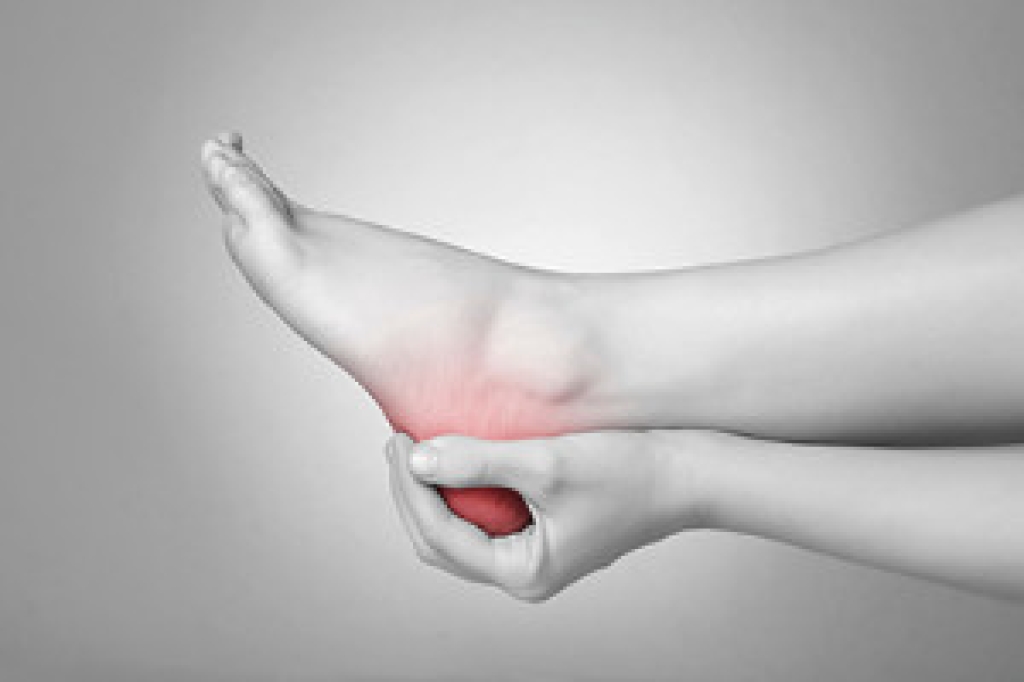
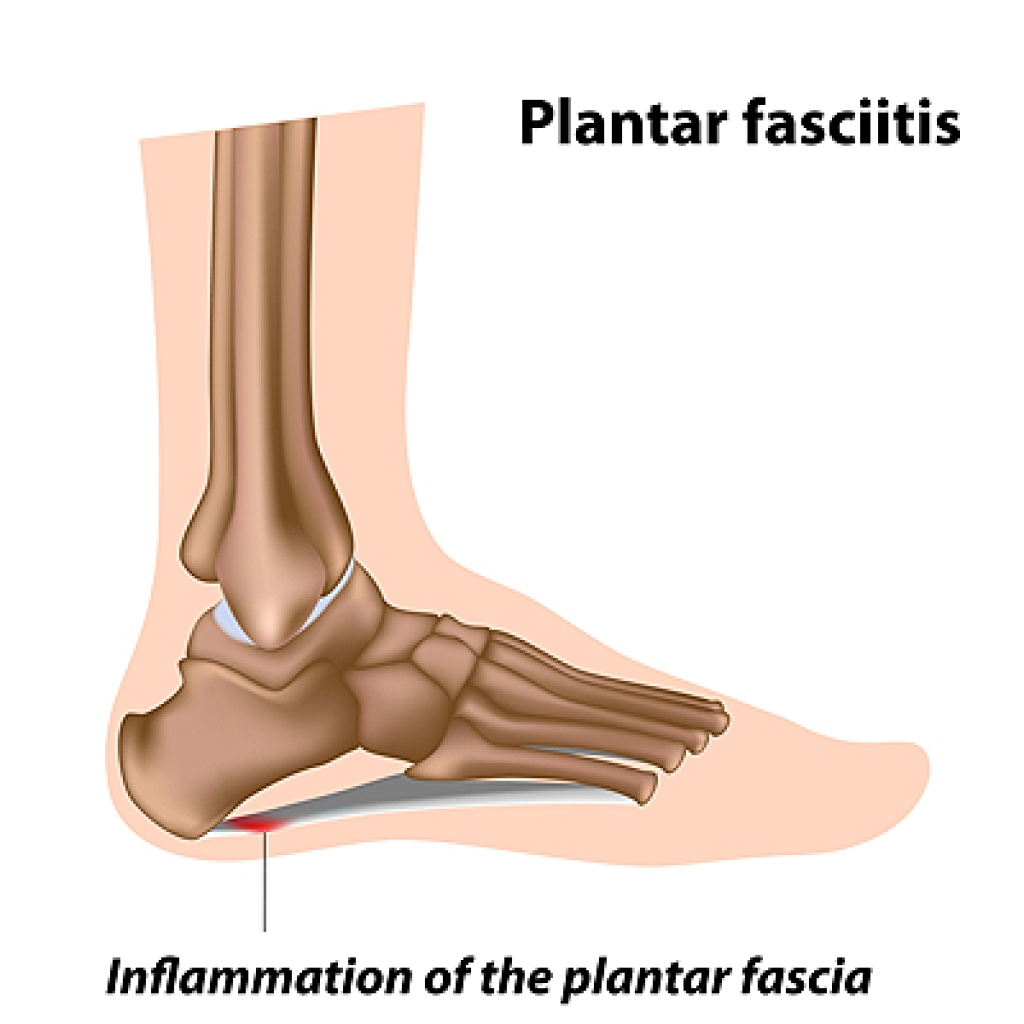
Plantar fasciitis is the most common source of heel pain. It occurs when the plantar fascia, the band of tissue running along the bottom of the foot that connects the heel to the toes, becomes inflamed. Plantar fasciitis is usually a result of repetitive overstretching of the plantar fascia. Common contributing factors include having high arches or flat feet, standing on hard surfaces for a long period of time, age (between 40 and 60), being overweight, wearing high heels, and a sudden change in activity level. Plantar fasciitis pain is most prevalent in the middle of the heel and it is usually worse after waking up in the morning or after taking a long rest. Patients who are experiencing heel pain should consult with a podiatrist for a proper diagnosis and to determine what route of treatment should be implemented.

Plantar fasciitis is a common foot condition that is often caused by a strain injury. If you are experiencing heel pain or symptoms of plantar fasciitis, contact Kevin Powers, DPM from The Center for Lower Extremity Nerve Surgery. Our doctor can provide the care you need to keep you pain-free and on your feet.

What Is Plantar Fasciitis?

Plantar fasciitis is one of the most common causes of heel pain. The plantar fascia is a ligament that connects your heel to the front of your foot. When this ligament becomes inflamed, plantar fasciitis is the result. If you have plantar fasciitis you will have a stabbing pain that usually occurs with your first steps in the morning. As the day progresses and you walk around more, this pain will start to disappear, but it will return after long periods of standing or sitting.

What Causes Plantar Fasciitis?

  • Excessive running
  • Having high arches in your feet
  • Other foot issues such as flat feet
  • Pregnancy (due to the sudden weight gain)
  • Being on your feet very often

There are some risk factors that may make you more likely to develop plantar fasciitis compared to others. The condition most commonly affects adults between the ages of 40 and 60. It also tends to affect people who are obese because the extra pounds result in extra stress being placed on the plantar fascia.

Prevention

  • Take good care of your feet – Wear shoes that have good arch support and heel cushioning.
  • Maintain a healthy weight
  • If you are a runner, alternate running with other sports that won’t cause heel pain

There are a variety of treatment options available for plantar fasciitis along with the pain that accompanies it. Additionally, physical therapy is a very important component in the treatment process. It is important that you meet with your podiatrist to determine which treatment option is best for you.

If you have any questions, please feel free to contact our offices located in Indianapolis and Bloomington, IN . We offer the newest diagnostic and treatment technologies for all your foot care needs.


Read more about Plantar Fasciitis

Causes of Plantar Fasciitis

Plantar fasciitis, an inflammation of the tendon that runs along the bottom of the foot, is the most common cause of heel pain. This condition can develop following long hours of standing, walking, running, or participating in sports. In rarer cases, an acute injury to the bottom of the foot can damage the plantar fascia and bring forth early stages of this condition. Having flat or overpronated feet, high arches, wearing ill-fitting and uncomfortable shoes, having tight calf muscles, or being overweight or obese can also cause plantar fasciitis. If you are suffering from heel pain, it is strongly suggested that you schedule an appointment with a podiatrist near you.

Many people suffer from bouts of heel pain. For more information, contact Kevin Powers, DPM of The Center for Lower Extremity Nerve Surgery. Our doctor can provide the care you need to keep you pain-free and on your feet.

Causes of Heel Pain

Heel pain is often associated with plantar fasciitis. The plantar fascia is a band of tissues that extends along the bottom of the foot. A rip or tear in this ligament can cause inflammation of the tissue.

Achilles tendonitis is another cause of heel pain. Inflammation of the Achilles tendon will cause pain from fractures and muscle tearing. Lack of flexibility is also another symptom.

Heel spurs are another cause of pain. When the tissues of the plantar fascia undergo a great deal of stress, it can lead to ligament separation from the heel bone, causing heel spurs.

Why Might Heel Pain Occur?

  • Wearing ill-fitting shoes                
  • Wearing non-supportive shoes
  • Weight change           
  • Excessive running

Treatments

Heel pain should be treated as soon as possible for immediate results. Keeping your feet in a stress-free environment will help. If you suffer from Achilles tendonitis or plantar fasciitis, applying ice will reduce the swelling. Stretching before an exercise like running will help the muscles. Using all these tips will help make heel pain a condition of the past.

If you have any questions, please feel free to contact our offices located in Indianapolis and Bloomington, IN . We offer the newest diagnostic and treatment technologies for all your foot care needs.

Read more about Heel Pain

Connect With Us