
Heel pain can negatively affect your day-to-day life. Simple activities like walking can become incredibly uncomfortable or painful due to heel pain.
Don’t live with heel pain and get treated.
Heel pain can negatively affect your day-to-day life. Simple activities like walking can become incredibly uncomfortable or painful due to heel pain.
Don’t live with heel pain and get treated.

The navicular bone is a small, boat-shaped bone that is located in the middle part of the foot near the ankle bone. When this bone develops tiny cracks, the resulting condition is known as a navicular stress fracture. This type of fracture is typically caused by overuse from putting excess stress on the foot while doing repetitive activities like running or playing high impact sports. The symptoms of a navicular stress fracture include dull, aching pain in the ankle, middle, or top part of the foot, swelling or bruising over the middle part of the foot, and difficulty bearing weight. Initially, pain may only occur during physical activity, but left untreated, stress fractures may progress and the pain may become constant. If you are experiencing the symptoms of a navicular stress fracture, please seek the care of a podiatrist.
Sports related foot and ankle injuries require proper treatment before players can go back to their regular routines. For more information, contact Kevin Powers, DPM of The Center for Lower Extremity Nerve Surgery. Our doctor can provide the care you need to keep you pain-free and on your feet.
Sports Related Foot and Ankle Injuries
Foot and ankle injuries are a common occurrence when it comes to athletes of any sport. While many athletes dismiss the initial aches and pains, the truth is that ignoring potential foot and ankle injuries can lead to serious problems. As athletes continue to place pressure and strain the area further, a mild injury can turn into something as serious as a rupture and may lead to a permanent disability. There are many factors that contribute to sports related foot and ankle injuries, which include failure to warm up properly, not providing support or wearing bad footwear. Common injuries and conditions athletes face, including:
Sports related injuries are commonly treated using the RICE method. This includes rest, applying ice to the injured area, compression and elevating the ankle. More serious sprains and injuries may require surgery, which could include arthroscopic and reconstructive surgery. Rehabilitation and therapy may also be required in order to get any recovering athlete to become fully functional again. Any unusual aches and pains an athlete sustains must be evaluated by a licensed, reputable medical professional.
If you have any questions please contact our offices located in Indianapolis and Bloomington, IN . We offer the newest diagnostic and treatment technologies for all your foot and ankle needs.
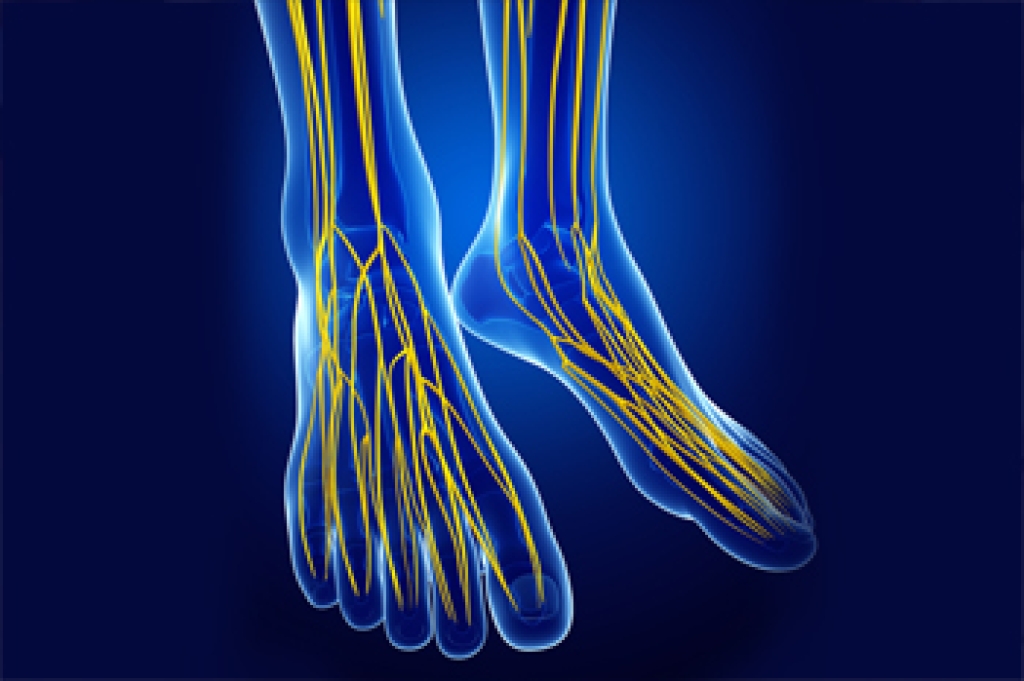 Tarsal tunnel syndrome is a nerve disorder in which the posterior tibial nerve, located near the heel of the foot, is compressed. This is usually caused by participating in repetitive activities, such as running or jumping, that put stress on the nerve and surrounding areas. However, it can also be the result of a trauma, having flat feet, or being overweight. Tarsal tunnel syndrome causes foot and ankle pain, burning, tingling, and numbness. The pain usually worsens while walking and can improve with rest. There are several treatments for tarsal tunnel syndrome, including resting and icing the affected leg, taking oral pain medications, injecting steroids into the area, immobilizing the leg, wearing an orthotic, or physical therapy. In more severe cases, surgery may be needed to decompress the posterior tibial nerve. If you are experiencing the symptoms of tarsal tunnel syndrome, please seek the care of a podiatrist.
Tarsal tunnel syndrome can be very uncomfortable to live with. If you are experiencing tarsal tunnel syndrome, contact Kevin Powers, DPM of The Center for Lower Extremity Nerve Surgery. Our doctor can provide the care you need to keep you pain-free and on your feet.
Tarsal Tunnel Syndrome
Tarsal tunnel syndrome, which can also be called tibial nerve dysfunction, is an uncommon condition of misfiring peripheral nerves in the foot. The tibial nerve is the peripheral nerve in the leg responsible for sensation and movement of the foot and calf muscles. In tarsal tunnel syndrome, the tibial nerve is damaged, causing problems with movement and feeling in the foot of the affected leg.
Common Cause of Tarsal Tunnel Syndrome
The Effects of Tarsal Tunnel Syndrome
A physical exam of the leg can help identify the presence of tarsal tunnel syndrome. Medical tests, such as a nerve biopsy, are also used to diagnose the condition. Patients may receive physical therapy and prescriptive medication. In extreme cases, some may require surgery.
If you have any questions please contact our offices located in Indianapolis and Bloomington, IN . We offer the newest diagnostic and treatment technologies for all your foot and ankle needs.
 The proper name for a doctor who specializes in foot and ankle disorders is known as a podiatrist. The technical term is a doctor of podiatric medicine, and the letters “DPM” follow the doctor’s name. The education that is needed to pursue this form of medicine consists of four years of medical school after obtaining a bachelor's degree. Residency training will take approximately three years, and this is accomplished in hospitals and clinics. Some of the specialties podiatrists are qualified for can include wound care, treating diabetic foot conditions, and performing foot surgery. Common foot conditions many patients seek the expertise of a podiatrist can consist of bunions, hammertoes, heel pain, and various foot infections. If pursuing a career in podiatry is of interest, it is suggested that you speak with a podiatrist who can address any questions you may have.
If you are experiencing pain in the feet or ankles, don’t join the stubborn majority refusing treatment. Feel free to contact Kevin Powers, DPM from The Center for Lower Extremity Nerve Surgery. Our doctor can provide the care you need to keep you pain-free and on your feet.
What Is a Podiatrist?
Someone would seek the care of a podiatrist if they have suffered a foot injury or have common foot ailments such as heal spurs, bunions, arch problems, deformities, ingrown toenails, corns, foot and ankle problems, etc.
Podiatric Treatment
A podiatrist will treat the problematic areas of the feet, ankle or lower leg by prescribing the following:
A common podiatric procedure a podiatrist will use is a scanner or force plate which will allow the podiatrist to know the designs of orthotics. Patients are then told to follow a series of tasks to complete the treatment. The computer will scan the foot a see which areas show weight distribution and pressure points. The podiatrist will read the analysis and then determine which treatment plans are available.
If you have any questions, please feel free to contact our offices located in Indianapolis and Bloomington, IN . We offer the newest diagnostic and treatment technologies for all your foot care needs.

Orthotics are inserts for your shoes that provide additional support, cushioning and structure for your feet. There are over-the-counter varieties as well as custom-made orthotics. Custom orthotics from a podiatrist are specifically sized and manufactured for your individual foot structure and specific foot malady. They may help correct any misalignment issues or alleviate certain foot disorders such as plantar fasciitis—when the connective tissue on the bottom of feet (from heel-to-toe) becomes painful and inflamed. Since every person’s feet are different, a custom orthotic can offer better, more targeted structure and support than a one-size-fits-all OTC insole. If you have any pain in your heel or feet, make an appointment with a podiatrist for a thorough exam and diagnosis, and to see if custom orthotics can provide the relief you need.
If you are having discomfort in your feet and would like to try orthotics, contact Kevin Powers, DPM from The Center for Lower Extremity Nerve Surgery. Our doctor can provide the care you need to keep you pain-free and on your feet.
What Are Orthotics?
Orthotics are inserts you can place into your shoes to help with a variety of foot problems such as flat feet or foot pain. Orthotics provide relief and comfort for minor foot and heel pain but can’t correct serious biomechanical problems in your feet.
Over-the-Counter Inserts
Orthotics come in a wide variety of over-the-counter inserts that are used to treat foot pain, heel pain, and minor problems. For example, arch supports can be inserted into your shoes to help correct overarched or flat feet, while gel insoles are often used because they provide comfort and relief from foot and heel pain by alleviating pressure.
Prescription Orthotics
If over-the-counter inserts don’t work for you or if you have a more severe foot concern, it is possible to have your podiatrist prescribe custom orthotics. These high-quality inserts are designed to treat problems such as abnormal motion, plantar fasciitis, and severe forms of heel pain. They can even be used to help patients suffering from diabetes by treating foot ulcers and painful calluses and are usually molded to your feet individually, which allows them to provide full support and comfort.
If you are experiencing minor to severe foot or heel pain, it’s recommended to speak with your podiatrist about the possibilities of using orthotics. A podiatrist can determine which type of orthotic is right for you and allow you to take the first steps towards being pain-free.
If you have any questions, please feel free to contact our offices located in Indianapolis and Bloomington, IN . We offer the newest diagnostic and treatment technologies for all your foot care needs.
Connect With Us
