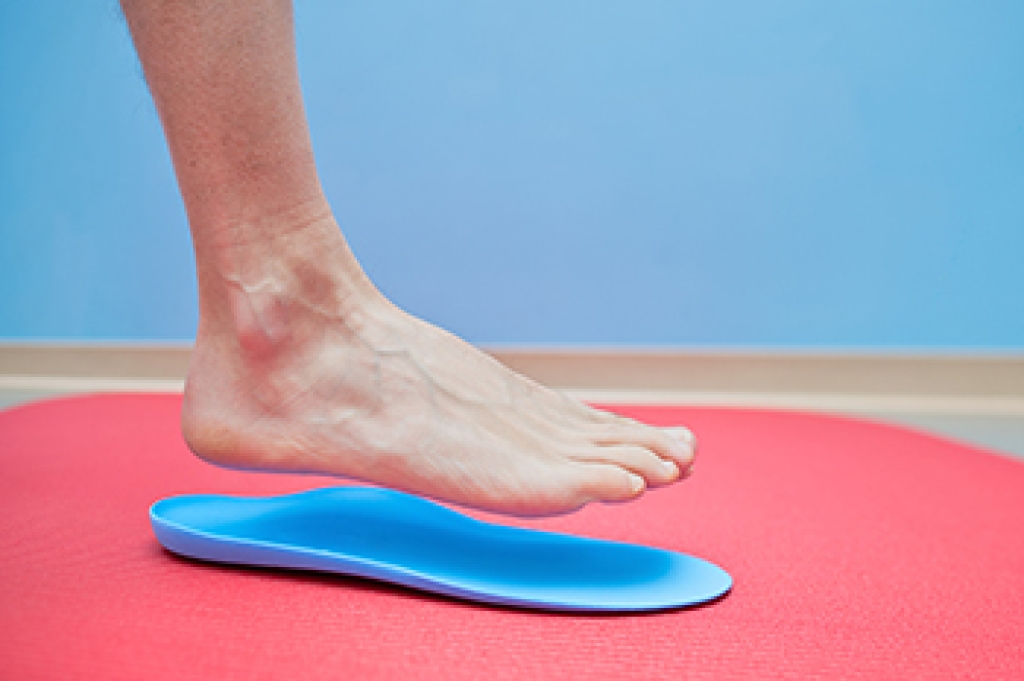
What Can Custom Orthotics Do for My Foot Condition?

Custom orthotics are prescription devices that fit in shoes and are designed to distribute weight more evenly across the feet and minimize pressure on any given area. They can also correct an abnormal gait, reduce pain, and improve foot alignment. Since they are designed to address specific conditions and the individual foot structure of the patient, fit is critical. After a podiatrist examines the patient and diagnoses their underlying condition, they may determine that orthotics can be beneficial. They will then take an impression of the patient’s foot, usually with a 3D laser scan or plaster cast. Specific materials will be chosen to address the patient’s particular condition, and the orthotic will be created. The patient will come in for a fitting and any further customizations needed to ensure the device fits the patient’s shoes and is comfortable will be made. Orthotics can be prescribed for conditions such as arthritis, plantar fasciitis, heel spurs, bunions, hammertoes, flat feet, high arches and more. If you have any of these conditions, it is suggested that you make an appointment with a podiatrist to see if orthotics may be beneficial for you.

If you are having discomfort in your feet and would like to try orthotics, contact Kevin Powers, DPM from The Center for Lower Extremity Nerve Surgery. Our doctor can provide the care you need to keep you pain-free and on your feet.

What Are Orthotics?

Orthotics are inserts you can place into your shoes to help with a variety of foot problems such as flat feet or foot pain. Orthotics provide relief and comfort for minor foot and heel pain but can’t correct serious biomechanical problems in your feet.

Over-the-Counter Inserts

Orthotics come in a wide variety of over-the-counter inserts that are used to treat foot pain, heel pain, and minor problems. For example, arch supports can be inserted into your shoes to help correct overarched or flat feet, while gel insoles are often used because they provide comfort and relief from foot and heel pain by alleviating pressure.

Prescription Orthotics

If over-the-counter inserts don’t work for you or if you have a more severe foot concern, it is possible to have your podiatrist prescribe custom orthotics. These high-quality inserts are designed to treat problems such as abnormal motion, plantar fasciitis, and severe forms of heel pain. They can even be used to help patients suffering from diabetes by treating foot ulcers and painful calluses and are usually molded to your feet individually, which allows them to provide full support and comfort.

If you are experiencing minor to severe foot or heel pain, it’s recommended to speak with your podiatrist about the possibilities of using orthotics. A podiatrist can determine which type of orthotic is right for you and allow you to take the first steps towards being pain-free.

If you have any questions, please feel free to contact our offices located in Indianapolis and Bloomington, IN . We offer the newest diagnostic and treatment technologies for all your foot care needs.

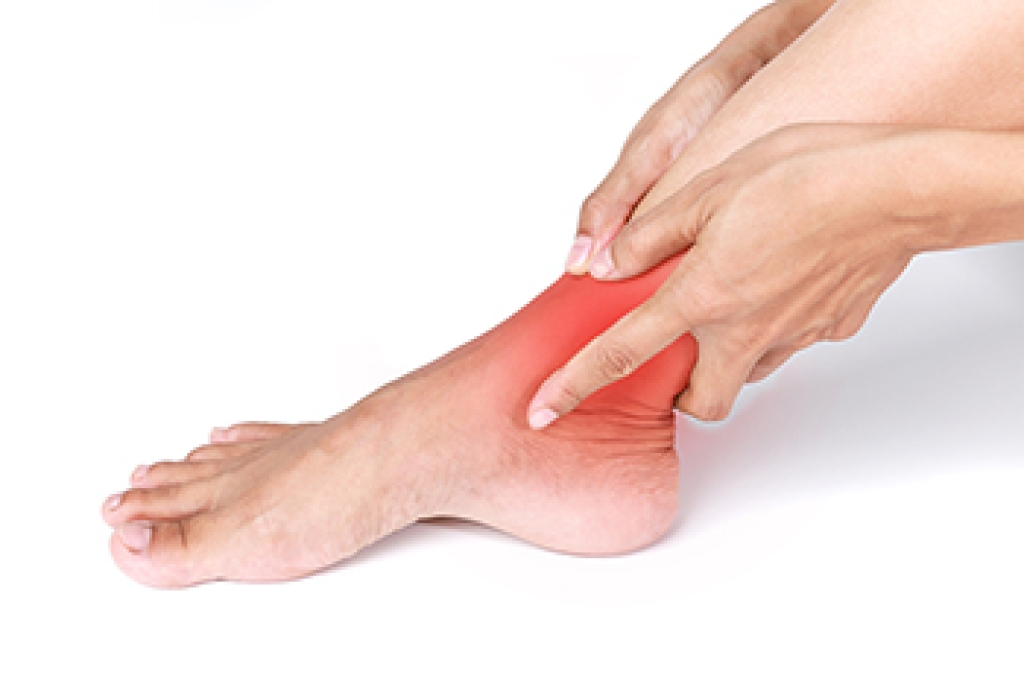
Read more about Ankle Foot Orthotics for Athletes

How Neuropathy Affects Feet

Neuropathy occurs when the nerves in the hands and feet get damaged. This usually causes the extremities affected to lose their sensation and feeling, thus their ability to feel pain and temperature. Numbness, tingling, a burning/stabbing pain, and weakness are all also common signs of neuropathy. Neuropathy can have a variety of causes including inflammatory diseases, kidney problems, and vitamin deficiencies, but the most common cause is diabetes. Because of this, diabetic patients should also have regular checkups with a podiatrist to monitor the potential development of neuropathy. If you are noticing the symptoms of neuropathy in your feet, please consult with a podiatrist for a proper diagnosis and treatment method. 

Neuropathy

Neuropathy can be a potentially serious condition, especially if it is left undiagnosed. If you have any concerns that you may be experiencing nerve loss in your feet, consult with Kevin Powers, DPM from The Center for Lower Extremity Nerve Surgery. Our doctor will assess your condition and provide you with quality foot and ankle treatment for neuropathy.

What Is Neuropathy?

Neuropathy is a condition that leads to damage to the nerves in the body. Peripheral neuropathy, or neuropathy that affects your peripheral nervous system, usually occurs in the feet. Neuropathy can be triggered by a number of different causes. Such causes include diabetes, infections, cancers, disorders, and toxic substances.

Symptoms of Neuropathy Include:

  • Numbness
  • Sensation loss
  • Prickling and tingling sensations
  • Throbbing, freezing, burning pains
  • Muscle weakness

Those with diabetes are at serious risk due to being unable to feel an ulcer on their feet. Diabetics usually also suffer from poor blood circulation. This can lead to the wound not healing, infections occurring, and the limb may have to be amputated.

Treatment

To treat neuropathy in the foot, podiatrists will first diagnose the cause of the neuropathy. Figuring out the underlying cause of the neuropathy will allow the podiatrist to prescribe the best treatment, whether it be caused by diabetes, toxic substance exposure, infection, etc. If the nerve has not died, then it’s possible that sensation may be able to return to the foot.

Pain medication may be issued for pain. Electrical nerve stimulation can be used to stimulate nerves. If the neuropathy is caused from pressure on the nerves, then surgery may be necessary.

If you have any questions, please feel free to contact our offices located in Indianapolis and Bloomington, IN . We offer the newest diagnostic and treatment technologies for all your foot care needs.

Read more about Neuropathy

Understanding Tarsal Tunnel Syndrome

On the inside of the ankle lies a narrow passageway created by soft tissue and bone, called the tarsal tunnel. Traveling through the tarsal tunnel are tendons, blood vessels, and nerves—including the tibial nerve. This nerve can become compressed within the narrow space of the tarsal tunnel by a variety of conditions that take up space within it. These conditions include lesions or masses, enlarged veins, benign bony growths, and tumors of nerve fibers or ganglion cells. Certain injuries or trauma, as well as having flat feet can contribute to the development of tarsal tunnel syndrome. Tarsal tunnel syndrome can cause pain, tingling, or burning anywhere on the tibial nerve, which runs from the ankle up through the back of the leg. If you believe you may have tarsal tunnel syndrome, schedule an appointment with a podiatrist who will examine you, and may also use nerve tests and imaging to help diagnose the issue. Treatment for tarsal tunnel syndrome may include icing, resting, anti-inflammatory medicines, custom orthotics, and physical therapy. More severe cases may require steroid injections or even surgery to increase space within the tunnel and reduce pressure on the nerve.

Tarsal tunnel syndrome can be very uncomfortable to live with. If you are experiencing tarsal tunnel syndrome, contact Kevin Powers, DPM of The Center for Lower Extremity Nerve Surgery. Our doctor can provide the care you need to keep you pain-free and on your feet.

Tarsal Tunnel Syndrome

Tarsal tunnel syndrome, which can also be called tibial nerve dysfunction, is an uncommon condition of misfiring peripheral nerves in the foot. The tibial nerve is the peripheral nerve in the leg responsible for sensation and movement of the foot and calf muscles. In tarsal tunnel syndrome, the tibial nerve is damaged, causing problems with movement and feeling in the foot of the affected leg.

Common Cause of Tarsal Tunnel Syndrome

  • Involves pressure or an injury, direct pressure on the tibial nerve for an extended period of time, sometimes caused by other body structures close by or near the knee.
  • Diseases that damage nerves, including diabetes, may cause tarsal tunnel syndrome.
  • At times, tarsal tunnel syndrome can appear without an obvious cause in some cases.

The Effects of Tarsal Tunnel Syndrome

  • Different sensations, an afflicted person may experience pain, tingling, burning or other unusual sensations in the foot of the affected leg.
  • The foot muscles, toes and ankle become weaker, and curling your toes or flexing your foot can become difficult.
  • If condition worsens, infections and ulcers may develop on the foot that is experiencing the syndrome.

A physical exam of the leg can help identify the presence of tarsal tunnel syndrome. Medical tests, such as a nerve biopsy, are also used to diagnose the condition. Patients may receive physical therapy and prescriptive medication. In extreme cases, some may require surgery.

If you have any questions please contact our offices located in Indianapolis and Bloomington, IN . We offer the newest diagnostic and treatment technologies for all your foot and ankle needs.

Read more about Tarsal Tunnel Syndrome

Keep Your Feet Healthy So You Can Stay Active

Have your feet inspected by a professional before starting a new sport or physical activity. Taking charge of your foot health will keep you in good physical condition and can help you avoid a potential injury, such as a fracture or sprained ankle.

Prevent injuries and see a foot specialist.

Sports Related Injuries of the Foot and Ankle

There are several types of foot and ankle injuries that can occur when playing sports. The most common sports injury is an ankle sprain. It is important for ankle sprains to be diagnosed and treated professionally, as an improperly healed sprain can lead to additional sprains, chronic ankle instability, and arthritis. Another type of injury athletes face involves the Achilles tendon, which can become inflamed, injured, torn, or even ruptured from repetitive activity or trauma. An inflammation of the plantar fascia on the sole of the foot (plantar fasciitis) can be caused by overuse or wearing shoes that are worn out or inappropriate for the sport being played. Running and court sports can lead to a compression of the nerve between the third and fourth toes. This causes the tissue surrounding the nerve to thicken and, left untreated, may lead to nerve damage. Stress fractures are another type of sports injury where a tiny crack develops over time in a bone due to repetitive activity, poor footwear, changes in activity, or other factors. If you have suffered any type of foot or ankle injury while playing sports, it is suggested that you contact a podiatrist as soon as possible.

Sports related foot and ankle injuries require proper treatment before players can go back to their regular routines. For more information, contact Kevin Powers, DPM of The Center for Lower Extremity Nerve Surgery. Our doctor can provide the care you need to keep you pain-free and on your feet.

Sports Related Foot and Ankle Injuries

Foot and ankle injuries are a common occurrence when it comes to athletes of any sport. While many athletes dismiss the initial aches and pains, the truth is that ignoring potential foot and ankle injuries can lead to serious problems. As athletes continue to place pressure and strain the area further, a mild injury can turn into something as serious as a rupture and may lead to a permanent disability. There are many factors that contribute to sports related foot and ankle injuries, which include failure to warm up properly, not providing support or wearing bad footwear. Common injuries and conditions athletes face, including:

  • Plantar Fasciitis
  • Achilles Tendinitis
  • Achilles Tendon Rupture
  • Ankle Sprains

Sports related injuries are commonly treated using the RICE method. This includes rest, applying ice to the injured area, compression and elevating the ankle. More serious sprains and injuries may require surgery, which could include arthroscopic and reconstructive surgery. Rehabilitation and therapy may also be required in order to get any recovering athlete to become fully functional again. Any unusual aches and pains an athlete sustains must be evaluated by a licensed, reputable medical professional.

If you have any questions please contact our offices located in Indianapolis and Bloomington, IN . We offer the newest diagnostic and treatment technologies for all your foot and ankle needs.

Read more about Sports Related Foot And Ankle Injuries

Connect With Us