Obesity Negatively Affects the Feet

Studies have shown there is a negative relationship between body mass index, foot biomechanics, and the feet. In short, the heavier you are, the more likely you are to experience foot, heel, and ankle pain. Excess weight can also contribute to gout, osteoarthritis, plantar fasciitis, flat feet, and overpronation. It is commonly held that the feet can absorb from three to six times the weight of your body in force, such as walking, running, and jumping. A BMI over 30 doubles the risk of an ankle injury, but losing even five pounds can reduce the amount of pressure in the feet and ankles by 30 pounds. Some simple foot strengthening exercises such as scrunching up a towel with your toes can help reduce the effects of obesity. In addition, experts suggest wearing shoes that fit properly, provide ample arch support, and have adequate heel cushioning. And finally, a gradual weight loss regime can help to lighten the pressure on your feet. For more information on dealing with obesity and the resulting problems it may cause in the feet and ankles, please consult a podiatrist.

The more you weigh, the harder your feet must work to support your body. If you’re an obese individual and are concerned about your feet, contact Kevin Powers, DPM from The Center for Lower Extremity Nerve Surgery. Our doctor can provide the care you need to keep you pain-free and on your feet.

Obesity and Your Feet

People who are overweight are putting more pressure on their ankles, knees, and hips as well as their feet. This unfortunately can lead to variety of different issues.

Problems & Complications Stemming from Obesity

  • When the body is overweight, it tries to compensate by changing the way that it moves. An obese person may lean forward and put extra weight on the wrong part of the foot. This puts unnecessary stress on the feet.
  • Obese people are also more likely to develop type II diabetes which is a condition that causes a lot of foot problems. People with diabetes often don’t feel the cuts and sores that they may have on their feet, which can lead to more complicated and severe issues.
  • Plantar fasciitis is another foot condition that can be caused by obesity. Plantar fasciitis is an inflammation of the tissue along the bottom of the foot, which causes pain and stiffness while walking and climbing stairs.

If you have any questions please contact our offices located in Indianapolis and Bloomington, IN . We offer the newest diagnostic and treatment technologies for all your foot and ankle needs.

Read more about How Obesity Affects Your Feet

Several Reasons for an Achilles Tendon Injury

The Achilles tendon is located in the calf, and when injured, it can become extremely painful. This tendon connects the heel to the calf muscles and is the largest tendon in the body. An injury to this tendon can make it difficult, if not impossible, to walk, and prompt medical attention is often sought. An Achilles tendon injury can occur from gradual overuse, and it may be common in people who increase speed and distance too quickly while running. The symptoms that many people experience with this type of injury can include pain at the back of the heel, and the affected area may be warm and tender. There may be additional reasons why this condition may happen. These can consist of being overweight, wearing shoes that do not fit properly, or possibly having flat feet. If you have pain in this part of your foot, it is strongly urged that you are under the care of a podiatrist who can perform a diagnosis, and offer correct treatment options.

Achilles tendon injuries need immediate attention to avoid future complications. If you have any concerns, contact Kevin Powers, DPM of The Center for Lower Extremity Nerve Surgery. Our doctor can provide the care you need to keep you pain-free and on your feet.

What Is the Achilles Tendon?

The Achilles tendon is a tendon that connects the lower leg muscles and calf to the heel of the foot. It is the strongest tendon in the human body and is essential for making movement possible. Because this tendon is such an integral part of the body, any injuries to it can create immense difficulties and should immediately be presented to a doctor.

What Are the Symptoms of an Achilles Tendon Injury?

There are various types of injuries that can affect the Achilles tendon. The two most common injuries are Achilles tendinitis and ruptures of the tendon.

Achilles Tendinitis Symptoms

  • Inflammation
  • Dull to severe pain
  • Increased blood flow to the tendon
  • Thickening of the tendon

Rupture Symptoms

  • Extreme pain and swelling in the foot
  • Total immobility

Treatment and Prevention

Achilles tendon injuries are diagnosed by a thorough physical evaluation, which can include an MRI. Treatment involves rest, physical therapy, and in some cases, surgery. However, various preventative measures can be taken to avoid these injuries, such as:

  • Thorough stretching of the tendon before and after exercise
  • Strengthening exercises like calf raises, squats, leg curls, leg extensions, leg raises, lunges, and leg presses

If you have any questions please feel free to contact our offices located in Indianapolis and Bloomington, IN . We offer the newest diagnostic tools and technology to treat your foot and ankle needs.

Read more about Achilles Tendon Injuries

Shoes Differ for Running and Walking

The foot moves differently while walking than it does when running. Podiatrists suggest buying shoes that would best serve the foot for the intended sport. When people run, the feet typically support approximately twice the weight of the body, and there are times when the foot is completely in the air. This is followed by an impact on the ground, and running shoes are designed to distribute weight throughout the foot. This type of shoe is generally constructed with extra mesh and can help to absorb body heat in addition to supporting the foot. People who enjoy walking can purchase lighter shoes. These types of shoes are made with less cushioning than running shoes and have extra shock absorbers in the heel and arch area. This may be beneficial in preventing foot and ankle injuries. If you would like more information about the differences between running and walking shoes, please confer with a podiatrist.

For more information about walking shoes versus running shoes, consult with Kevin Powers, DPM from The Center for Lower Extremity Nerve Surgery. Our doctor can measure your feet to determine what your needs are and help you find an appropriate pair of footwear.

Foot Health: The Differences between Walking & Running Shoes

There are great ways to stay in shape: running and walking are two great exercises to a healthy lifestyle. It is important to know that running shoes and walking shoes are not interchangeable. There is a key difference on how the feet hit the ground when someone is running or walking. This is why one should be aware that a shoe is designed differently for each activity.

You may be asking yourself what the real differences are between walking and running shoes and the answers may shock you.

Differences

Walking doesn’t involve as much stress or impact on the feet as running does. However, this doesn’t mean that you should be any less prepared. When you’re walking, you land on your heels and have your foot roll forward. This rolling motion requires additional support to the feet.

Flexibility – Walking shoes are designed to have soft, flexible soles. This allows the walker to push off easily with each step.

If you have any questions, please feel free to contact our offices located in Indianapolis and Bloomington, IN . We offer the newest diagnostic and treatment technologies for all your foot care needs.

Read more about Differences between Walking and Running Shoes

Trimming the Toenails and Checking the Feet

The importance of practicing exceptional foot care for diabetic patients is crucial in preventing dangerous foot wounds from developing. It is beneficial to implement a simple, daily foot care routine. These can include washing and drying the feet, followed by checking the soles for any cuts or bruises that may have happened. Many people find it helpful to use a mirror to accomplish this, or it can also be done with the help of a family member or caregiver. Diabetes is caused by elevated blood sugar levels, and many times can be controlled by implementing healthy eating habits. Additionally, it is suggested for diabetic patients to stop smoking, as this can contribute to foot wounds. The risk can be reduced for an ingrown toenail to develop by properly trimming the toenails once per week. If you have diabetes, it is strongly suggested that you are under the care of a podiatrist who can help you to manage this condition, and guide you toward additional foot care practices.

Diabetic foot care is important in preventing foot ailments such as ulcers. If you are suffering from diabetes or have any other concerns about your feet, contact Kevin Powers, DPM from The Center for Lower Extremity Nerve Surgery. Our doctor can provide the care you need to keep you pain-free and on your feet.

Diabetic Foot Care

Diabetes affects millions of people every year. The condition can damage blood vessels in many parts of the body, especially the feet. Because of this, taking care of your feet is essential if you have diabetes, and having a podiatrist help monitor your foot health is highly recommended.

The Importance of Caring for Your Feet

  • Routinely inspect your feet for bruises or sores.
  • Wear socks that fit your feet comfortably.
  • Wear comfortable shoes that provide adequate support.

Patients with diabetes should have their doctor monitor their blood levels, as blood sugar levels play such a huge role in diabetic care. Monitoring these levels on a regular basis is highly advised.

It is always best to inform your healthcare professional of any concerns you may have regarding your feet, especially for diabetic patients. Early treatment and routine foot examinations are keys to maintaining proper health, especially because severe complications can arise if proper treatment is not applied.

If you have any questions, please feel free to contact our offices located in Indianapolis and Bloomington, IN . We offer the newest diagnostic and treatment technologies for all your foot care needs.

Read more about Diabetic Foot Care

Heel Pain Can Be Treated!

Do you suffer from heel pain when you get up in the morning? If so, you should seek professional help and have a proper diagnosis performed. Heel pain can be caused by several different foot-related conditions.

Causes and Types of Peripheral Neuropathy

Peripheral neuropathy is a nerve-related condition that interferes with messages sent by the brain to the extremities. The result is that the feet do not receive the proper amount of oxygen and nutrients. The most common symptoms of peripheral neuropathy in the feet are a sharp burning pain, numbness, and tingling. This condition is most common in diabetics and people experiencing kidney disease. Mononeuropathy affects a single nerve, while polyneuropathy affects more than one peripheral nerve. Diabetic neuropathy, which is the most common type, is caused by damage to the nerves as the result of high glucose levels over an extended period. Being overweight, excessive alcohol consumption, high blood pressure, and smoking are among the main contributors. A dangerous side effect of peripheral neuropathy is delayed healing of wounds, which can lead to infection and the formation of ulcers. A number of tests are available to detect the presence of peripheral neuropathy. If you believe you may have peripheral neuropathy in your feet or toes, please consult a podiatrist who is trained to deal with this condition.

Neuropathy

Neuropathy can be a potentially serious condition, especially if it is left undiagnosed. If you have any concerns that you may be experiencing nerve loss in your feet, consult with Kevin Powers, DPM from The Center for Lower Extremity Nerve Surgery. Our doctor will assess your condition and provide you with quality foot and ankle treatment for neuropathy.

What Is Neuropathy?

Neuropathy is a condition that leads to damage to the nerves in the body. Peripheral neuropathy, or neuropathy that affects your peripheral nervous system, usually occurs in the feet. Neuropathy can be triggered by a number of different causes. Such causes include diabetes, infections, cancers, disorders, and toxic substances.

Symptoms of Neuropathy Include:

  • Numbness
  • Sensation loss
  • Prickling and tingling sensations
  • Throbbing, freezing, burning pains
  • Muscle weakness

Those with diabetes are at serious risk due to being unable to feel an ulcer on their feet. Diabetics usually also suffer from poor blood circulation. This can lead to the wound not healing, infections occurring, and the limb may have to be amputated.

Treatment

To treat neuropathy in the foot, podiatrists will first diagnose the cause of the neuropathy. Figuring out the underlying cause of the neuropathy will allow the podiatrist to prescribe the best treatment, whether it be caused by diabetes, toxic substance exposure, infection, etc. If the nerve has not died, then it’s possible that sensation may be able to return to the foot.

Pain medication may be issued for pain. Electrical nerve stimulation can be used to stimulate nerves. If the neuropathy is caused from pressure on the nerves, then surgery may be necessary.

If you have any questions, please feel free to contact our offices located in Indianapolis and Bloomington, IN . We offer the newest diagnostic and treatment technologies for all your foot care needs.

Read more about Neuropathy

Three Types of Athlete’s Foot

A rash that develops on the foot may be athlete’s foot. It is an uncomfortable condition that is found between the toes and on the bottom of the foot, and severe itching is a common symptom. Additionally, the skin may turn red, and small blisters can be seen. Athlete’s foot is caused by a fungus that lives in warm environments, such as shower room floors and public swimming pools. It can enter the body through small cracks in the skin, and it is suggested to wear appropriate shoes while in these areas. These can consist of flip-flops or water shoes, and walking barefoot is frowned upon. There are three categories of athlete’s foot which can slightly differ. Peeling or cracked skin that is found between the fourth and fifth toes may indicate a toe web infection has developed. A moccasin-type infection may start with a sore foot, then followed by the skin becoming thick. Blisters that are on the sole of the foot may be the beginning of a vesicular infection and may travel to other parts of the foot. If you are afflicted with any type of athlete's foot, please consult with a podiatrist who can prescribe the necessary medication for complete healing.

Athlete’s foot is an inconvenient condition that can be easily reduced with the proper treatment. If you have any concerns about your feet and ankles, contact Kevin Powers, DPM from The Center for Lower Extremity Nerve Surgery.  Our doctor will treat your foot and ankle needs.

Athlete’s Foot: The Sole Story

Athlete's foot, also known as tinea pedis, can be an extremely contagious foot infection. It is commonly contracted in public changing areas and bathrooms, dormitory style living quarters, around locker rooms and public swimming pools, or anywhere your feet often come into contact with other people.

Solutions to Combat Athlete’s Foot

  • Hydrate your feet by using lotion
  • Exfoliate
  • Buff off nails
  • Use of anti-fungal products
  • Examine your feet and visit your doctor if any suspicious blisters or cuts develop

Athlete’s foot can cause many irritating symptoms such as dry and flaking skin, itching, and redness. Some more severe symptoms can include bleeding and cracked skin, intense itching and burning, and even pain when walking. In the worst cases, Athlete’s foot can cause blistering as well. Speak to your podiatrist for a better understanding of the different causes of Athlete’s foot, as well as help in determining which treatment options are best for you.

If you have any questions please feel free to contact our offices located in Indianapolis and Bloomington, IN . We offer the newest diagnostic and treatment technologies for all your foot and ankle needs.
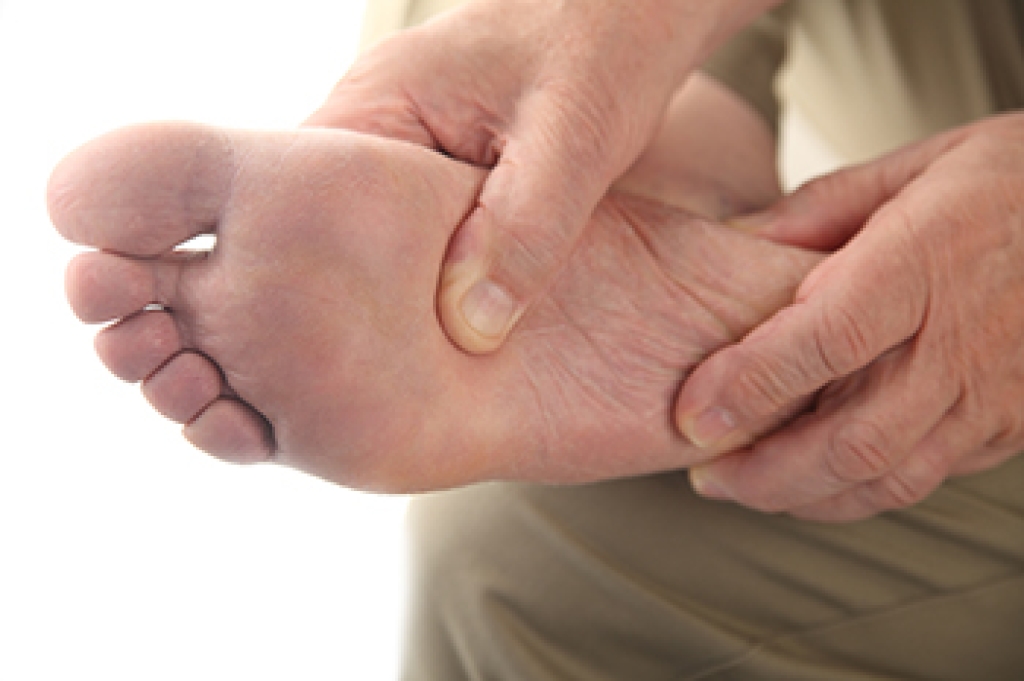
Read more about Athlete’s Foot

Obesity and Foot Swelling

Obese individuals can be more susceptible to developing any number of foot conditions. This is because having an unhealthy level of extra body weight can wreak havoc on the feet and lower legs in different ways. One often overlooked consequence that obesity can have on the feet is swelling, or edema, in the feet. When a person carries an excessive amount of body weight around, they are essentially putting more pressure on the joints, especially those in the feet. Obese individuals can put an extreme amount of pressure on the ankle joints in particular. As a result, there can be a significant amount of fluid retention in the affected areas, as well as the storage of hormones in fat cells. Consequently, the body can experience a pesky kind of swelling in the ankles, feet, and lower legs. If you are someone that struggles with obesity, contact a podiatrist today to learn what you can do to combat any foot swelling that you are currently experiencing.  

Obesity has become very problematic at this point in time and can have extremely negative effects on the feet. If you’re an obese individual and are concerned about your feet, contact Kevin Powers, DPM from The Center for Lower Extremity Nerve Surgery. Our doctor can provide the care you need to keep you pain-free and on your feet.

Obesity and Your Feet

Since your feet are what support your entire weight when standing, any additional weight can result in pain and swelling. Being overweight is one of the main contributors to foot complications.

Problems & Complications

Extra Weight – Even putting on just a few extra pounds could create serious complications for your feet. As your weight increases, your balance and body will shift, creating new stresses on your feet. This uneven weight distribution can cause pain, even while doing the simplest tasks, such as walking.

Diabetes – People who are overweight are at serious risk of developing type-2 diabetes, which has a drastic impact on the health of your feet. As you get older, your diabetes might worsen, which could lead to loss of feeling in your feet, sores, and bruises. You could also become more prone to various infections.

Plantar fasciitis – Pressure and stress that is placed on muscles, joints, and tendons can trigger plantar fasciitis, which is an inflammation of tissue that forms along the bottom of the foot. 

If you have any questions, please feel free to contact our offices located in Indianapolis and Bloomington, IN . We offer the newest diagnostic and treatment technologies for all your foot care needs.

Read more about Obesity and the Feet

High Heels and Morton’s Neuroma

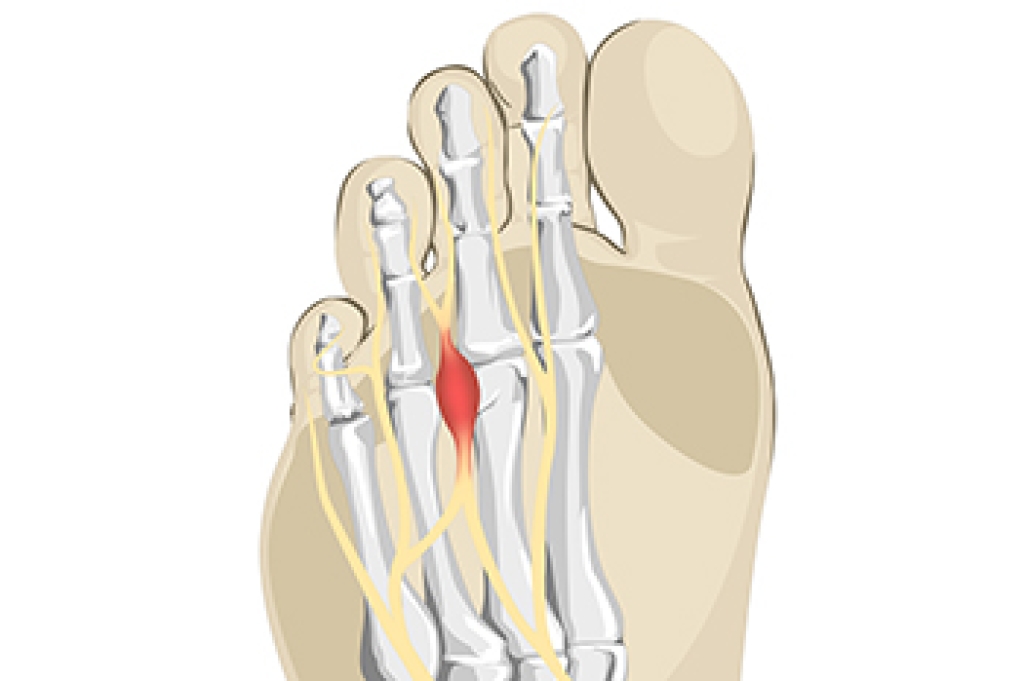
The pain that is felt from the foot condition that is known as Morton’s neuroma cannot be ignored. It is an ailment that affects the nerve that is found between the third and fourth toes, and can happen from frequently wearing high heels. These types of shoes often lack adequate room in the toe area, limiting the room for them to move freely in. This may ultimately lead to irritation and inflammation of the nerves, often causing pain and discomfort. The tissue surrounding the nerve can become thick, and patients may feel a sharp or burning pain. Additionally, people who have this type of pain may liken the sensation to walking on a marble, and often look for relief. This can be found when appropriate shoes are worn, and it is beneficial to frequently rest the affected foot. Maintaining a healthy weight may help to take the stress off of the overall foot. If you believe that you may have this condition, it is strongly suggested that you consult with a podiatrist who can effectively diagnose and treat Morton’s neuroma.

Morton’s neuroma is a very uncomfortable condition to live with. If you think you have Morton’s neuroma, contact Kevin Powers, DPM of The Center for Lower Extremity Nerve Surgery. Our doctor will attend to all of your foot care needs and answer any of your related questions.  

Morton’s Neuroma

Morton's neuroma is a painful foot condition that commonly affects the areas between the second and third or third and fourth toe, although other areas of the foot are also susceptible. Morton’s neuroma is caused by an inflamed nerve in the foot that is being squeezed and aggravated by surrounding bones.

What Increases the Chances of Having Morton’s Neuroma?

  • Ill-fitting high heels or shoes that add pressure to the toe or foot
  • Jogging, running or any sport that involves constant impact to the foot
  • Flat feet, bunions, and any other foot deformities

Morton’s neuroma is a very treatable condition. Orthotics and shoe inserts can often be used to alleviate the pain on the forefront of the feet. In more severe cases, corticosteroids can also be prescribed. In order to figure out the best treatment for your neuroma, it’s recommended to seek the care of a podiatrist who can diagnose your condition and provide different treatment options.

If you have any questions, please feel free to contact our offices located in Indianapolis and Bloomington, IN . We offer the newest diagnostic and treatment technologies for all your foot care needs.

Read more about What is Morton's Neuroma?

A Ruptured Achilles Tendon

Achilles tendonitis is a condition that can occur due to tears in the tendon from overuse. A ruptured Achilles tendon is an injury that happens when a sudden strain overwhelms the Achilles tendon. With a rupture, one will feel sudden and intense pain as well as a possible popping noise. Furthermore, there can be burning, swelling, and stiffness in the area. Sometimes it is hard to distinguish whether the Achilles tendon is ruptured, or if the pain is a result of a pulled muscle. However, if the pain is intense and does not go away or if there is greater than average stiffness in the area it is likely a rupture. It may also be a rupture when one does not pass the Thompson test, where the soleus complex is manipulated. This kind of injury does not heal quickly. One needs to rest and participate in physical therapy for proper healing. Because many of these symptoms can overlap with other afflictions, it is a good idea to make an appointment with a podiatrist for a proper diagnosis and treatment plan.

Achilles tendon injuries need immediate attention to avoid future complications. If you have any concerns, contact Kevin Powers, DPM of The Center for Lower Extremity Nerve Surgery. Our doctor can provide the care you need to keep you pain-free and on your feet.

What Is the Achilles Tendon?

The Achilles tendon is a tendon that connects the lower leg muscles and calf to the heel of the foot. It is the strongest tendon in the human body and is essential for making movement possible. Because this tendon is such an integral part of the body, any injuries to it can create immense difficulties and should immediately be presented to a doctor.

What Are the Symptoms of an Achilles Tendon Injury?

There are various types of injuries that can affect the Achilles tendon. The two most common injuries are Achilles tendinitis and ruptures of the tendon.

Achilles Tendinitis Symptoms

  • Inflammation
  • Dull to severe pain
  • Increased blood flow to the tendon
  • Thickening of the tendon

Rupture Symptoms

  • Extreme pain and swelling in the foot
  • Total immobility

Treatment and Prevention

Achilles tendon injuries are diagnosed by a thorough physical evaluation, which can include an MRI. Treatment involves rest, physical therapy, and in some cases, surgery. However, various preventative measures can be taken to avoid these injuries, such as:

  • Thorough stretching of the tendon before and after exercise
  • Strengthening exercises like calf raises, squats, leg curls, leg extensions, leg raises, lunges, and leg presses

If you have any questions please feel free to contact our offices located in Indianapolis and Bloomington, IN . We offer the newest diagnostic tools and technology to treat your foot and ankle needs.

Read more about The Causes, Types, and Treatments of Achilles Tendon Injuries

Connect With Us