
Tips for Beginning Runners to Prevent Injury

Running as a physical activity can be extremely beneficial to overall health. It can also be a source of injury and pain. For that reason, beginning runners are wise to learn how to protect themselves from harm. First, it may be a good idea to check in with a medical professional before undertaking this strenuous activity. Next, establishing a running routine for maximum safety is encouraged. Starting out slowly with a walk-run is wise, including warming up and cooling down exercises before and after a run. Probably the most important element of safety in running is investing in proper footwear. Wearing shoes especially built for running is not only practical, it is necessary for the health of your toes, feet, and ankles. Further, the type of surface you choose to run on factors into the choice of footwear. Existing foot or ankle ailments may also play a role in shoe selection, and experts suggest having two or more pairs of shoes that can be alternated.  Cross-training with activities, such as swimming, is a good way to give the feet and legs a rest between runs and help ward off injury. For more information on preventing injury from running, it is suggested that you consult a podiatrist.

Exercising your feet regularly with the proper foot wear is a great way to prevent injuries. If you have any concerns about your feet, contact Kevin Powers, DPM of The Center for Lower Extremity Nerve Surgery. Our doctor will treat your foot and ankle needs.

How to Prevent Running Injuries

Many common running injuries are caused by overuse and overtraining. When the back of the kneecap starts wearing out and starts causing pain in your knee, this is commonly referred to as runner’s knee. Runner’s knee is a decrease in strength in your quadriceps and can occur if you’re not wearing properly fitted or supporting shoes. To prevent runner’s knee, focusing on hip strengthening is a good idea, as well as strengthening your quads to keep the kneecaps aligned.

What Are Some Causes of Running Injuries? 
- One cause of a common running injury is called iliotibial band syndrome.
- Plantar fasciitis is also another common injury.
- Stress fractures can occur from overtraining, lack of calcium, or even your running style.

Best Ways to Prevent Running Injuries
- Wear footwear that fits properly and suits your running needs.
- Running shoes are the only protective gear that runners have to safeguard them from injury.
- Make a training schedule. Adding strengthening exercises as well as regular stretching can help keep you strong and limber and can lessen the possibility of injuries.
- Stretching keeps muscles limber; this will help you gain better flexibility.

If you have any questions, please feel free to contact our offices located in Indianapolis and Bloomington, IN . We offer the newest diagnostic and treatment technologies for all your foot care needs.
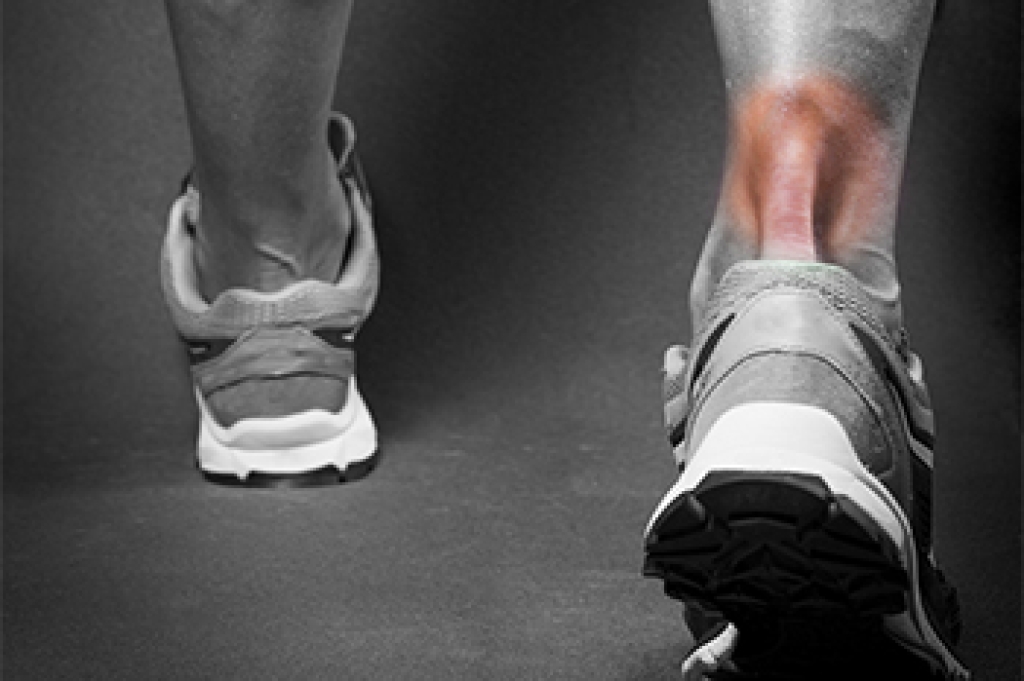
Read more about How to Prevent Running Injuries

Examples of Achilles Tendon Injuries

The Achilles tendon connects the calf muscles to the heel. It is located in the lower part of the calf, and it is responsible for walking, running, and standing on tiptoes. If this tendon becomes injured, it can cause severe pain and discomfort. An injury can happen from increasing speed and distance too quickly, a common injury among runners. The tendon can become partially or completely torn, and there are similar symptoms that can accompany either type. These symptoms can include hearing a popping sound at the time of the injury, and the heel may be swollen, painful, or stiff. There are two types of Achilles tendonitis, and they are classified as non insertional and insertional. The former may be more prevalent among younger people, and it affects the fibers in the middle of the tendon. The latter involves the fibers in the lower part of the tendon, and both can result from overuse. Partial tears may gradually heal on their own, with adequate rest and keeping as much weight off of the foot as possible. If the tendon is completely torn, it is suggested that a podiatrist who can effectively treat an Achilles tendon injury be contacted as quickly as possible .

Achilles tendon injuries need immediate attention to avoid future complications. If you have any concerns, contact Kevin Powers, DPM of The Center for Lower Extremity Nerve Surgery. Our doctor can provide the care you need to keep you pain-free and on your feet.

What Is the Achilles Tendon?

The Achilles tendon is a tendon that connects the lower leg muscles and calf to the heel of the foot. It is the strongest tendon in the human body and is essential for making movement possible. Because this tendon is such an integral part of the body, any injuries to it can create immense difficulties and should immediately be presented to a doctor.

What Are the Symptoms of an Achilles Tendon Injury?

There are various types of injuries that can affect the Achilles tendon. The two most common injuries are Achilles tendinitis and ruptures of the tendon.

Achilles Tendinitis Symptoms

  • Inflammation
  • Dull to severe pain
  • Increased blood flow to the tendon
  • Thickening of the tendon

Rupture Symptoms

  • Extreme pain and swelling in the foot
  • Total immobility

Treatment and Prevention

Achilles tendon injuries are diagnosed by a thorough physical evaluation, which can include an MRI. Treatment involves rest, physical therapy, and in some cases, surgery. However, various preventative measures can be taken to avoid these injuries, such as:

  • Thorough stretching of the tendon before and after exercise
  • Strengthening exercises like calf raises, squats, leg curls, leg extensions, leg raises, lunges, and leg presses

If you have any questions please feel free to contact our offices located in Indianapolis and Bloomington, IN . We offer the newest diagnostic tools and technology to treat your foot and ankle needs.

Read more about What are Achilles Tendon Injuries

What Is a Plantar Fibroma?

A plantar fibroma is a ball of fibrous tissue that develops in the arch of the foot. Though plantar fibromas are benign, they can cause a great deal of pain and interfere with walking and standing. Interestingly, these happen in males more often than females and in middle aged versus older people. When several fibromas develop in the feet, it is called plantar fibromatosis. Pain can worsen as fibromas become larger, from wearing shoes that are too tight, from walking barefoot, or from standing too long. These lumps have no known cause, but may be genetic. They are more common in those of Northern European heritage and less common in Asians. Some experts think trauma and repetitive injuries to the feet may be involved in the development of plantar fibromas. Medical conditions, such as liver disease and diabetes, and lifestyle factors, including alcohol abuse, might also contribute to, but not cause, formation of plantar fibromas. Also, certain medications and supplements are associated with this condition. If you think you have a plantar fibroma, it is suggested that you see a podiatrist for a proper diagnosis and treatment.

A plantar fibroma may disrupt your daily activities. If you have any concerns, contact Kevin Powers, DPM of The Center for Lower Extremity Nerve Surgery. Our doctor can provide the care you need to keep you pain-free and on your feet.

Plantar Fibroma

A plantar fibroma is a fibrous knot in the arch of the foot. It is embedded in the plantar fascia which is a band of tissue that extends from the heel to the toes along the bottom of the foot. There can be multiple plantar fibromas in the feet at the same time. There are no known causes for this condition. If you have a plantar fibroma, there will be a bump in the arch of your foot that cannot be missed. Any associated pain is most often due to a shoe rubbing against the nodule. Non-surgical options, such as steroid injections, physical therapy, and orthotics should be tried first. Surgery is a last resort and is the only thing that will remove a plantar fibroma entirely. Consult with a podiatrist for a proper diagnosis and to determine the treatment regimen that is right for you.

What Causes a Plantar Fibroma?

While there are no specific causes identified, a plantar fibroma can possibly come from genetic predisposition or the formation of scar tissue that forms from healing the tears in the plantar fascia.

What Are the Symptoms of a Plantar Fibroma?

There will be a noticeable lump in the arch of the foot that may or may not cause pain. If pain is felt, it is typically because a shoe is rubbing up against the lump or when walking or standing barefoot.

Treatment and Prevention

A plantar fibroma will not disappear without treatment, but it can get smaller and be a non-issue. If pain persists, a podiatrist examines the foot and when the arch of the foot is pressed, pain can be felt down to the toes. An MRI or biopsy might be performed to help diagnose or evaluate the plantar fibroma. The following non-surgical options are generally enough to reduce the size and pain of these nodules:

  • Steroid injections
  • Orthotics
  • Physical therapy to help apply anti-inflammatory creams on the bump 

Surgery is considered if the mass increases in size and the patient continues to feel pain after non-surgical methods are tried.

If you have any questions, please feel free to contact our offices located in Indianapolis and Bloomington, IN . We offer the newest diagnostic and treatment technologies for all your foot care needs.
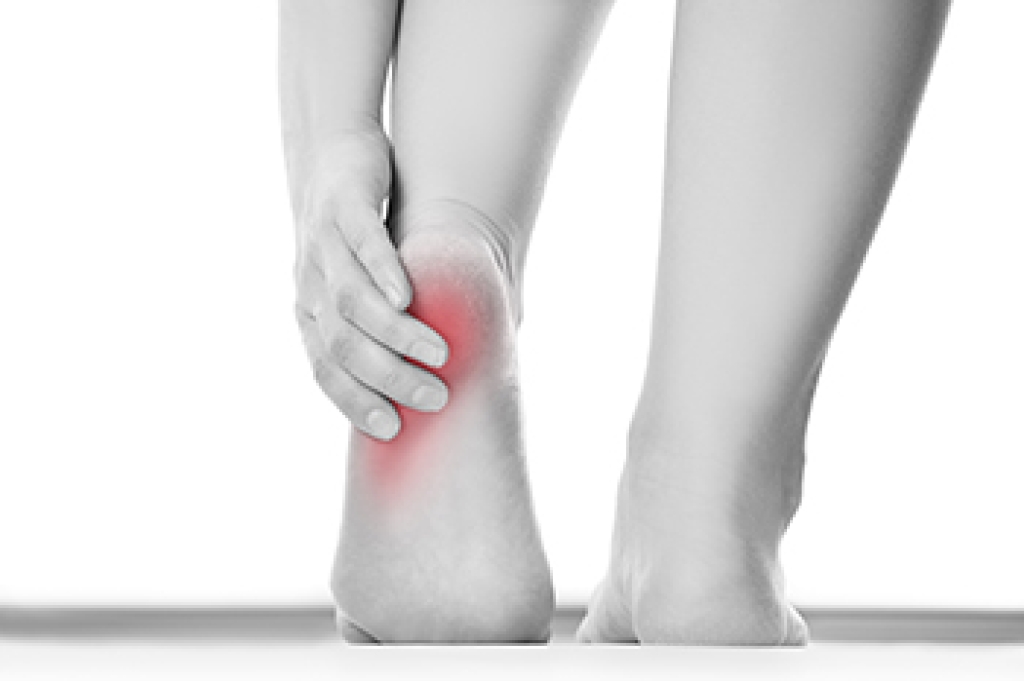
Read more about Plantar Fibroma

Heel Pain and Cancer

Heel pain can be an annoyance for a variety of patients for many different reasons. For example, heel pain may be linked to a condition known as plantar fasciitis. Alternatively, heel pain could be caused by an individual’s obesity and the extent to which their excess weight is putting added pressure on the feet. However, heel pain might also be a side effect of certain cancer treatments. Sometimes, when an individual with cancer receives treatment, heel pain can result. The reason for this is that some treatments lead to a loss of bone density and even muscle wasting. As a result, conditions such as plantar fasciitis can become more likely and ultimately cause heel pain. If you are someone that is receiving cancer treatment and you have heel pain, it is suggested that you contact a podiatrist today.

Many people suffer from bouts of heel pain. For more information, contact Kevin Powers, DPM of The Center for Lower Extremity Nerve Surgery. Our doctor can provide the care you need to keep you pain-free and on your feet.

Causes of Heel Pain

Heel pain is often associated with plantar fasciitis. The plantar fascia is a band of tissues that extends along the bottom of the foot. A rip or tear in this ligament can cause inflammation of the tissue.

Achilles tendonitis is another cause of heel pain. Inflammation of the Achilles tendon will cause pain from fractures and muscle tearing. Lack of flexibility is also another symptom.

Heel spurs are another cause of pain. When the tissues of the plantar fascia undergo a great deal of stress, it can lead to ligament separation from the heel bone, causing heel spurs.

Why Might Heel Pain Occur?

  • Wearing ill-fitting shoes                
  • Wearing non-supportive shoes
  • Weight change           
  • Excessive running

Treatments

Heel pain should be treated as soon as possible for immediate results. Keeping your feet in a stress-free environment will help. If you suffer from Achilles tendonitis or plantar fasciitis, applying ice will reduce the swelling. Stretching before an exercise like running will help the muscles. Using all these tips will help make heel pain a condition of the past.

If you have any questions, please feel free to contact our offices located in Indianapolis and Bloomington, IN . We offer the newest diagnostic and treatment technologies for all your foot care needs.

Read more about Heel Pain

The Relationship Between Diabetes and Itchy Feet

Itchy feet can come from a variety of causes. It can be extremely uncomfortable and disruptive to one’s life, especially if it is chronic. Itchiness, or pruritis, can be cutaneous, systemic, neuropathic, psychogenic, or a combination of these factors. Cutaneous itchiness means the itch results from a problem on the surface of the skin. Systemic itchiness comes from something going on throughout the body. Neuropathic itching is related to the nerves or nervous system. And psychogenic itchiness arises from a psychological issue. One possible reason for itchy feet is diabetic neuropathy. Diabetes involves insulin resistance and high blood sugar levels, which can have serious health consequences. Neuropathy, often associated with diabetes, can cause tingling, itchiness, and numbness in the feet. Poor circulation from diabetes can also cause itchiness. If you have diabetes, it is strongly suggested that you include a podiatrist on your medical team for regular foot examinations and diagnosis of anything abnormal going on with your feet.

Diabetic foot care is important in preventing foot ailments such as ulcers. If you are suffering from diabetes or have any other concerns about your feet, contact Kevin Powers, DPM from The Center for Lower Extremity Nerve Surgery. Our doctor can provide the care you need to keep you pain-free and on your feet.

Diabetic Foot Care

Diabetes affects millions of people every year. The condition can damage blood vessels in many parts of the body, especially the feet. Because of this, taking care of your feet is essential if you have diabetes, and having a podiatrist help monitor your foot health is highly recommended.

The Importance of Caring for Your Feet

  • Routinely inspect your feet for bruises or sores.
  • Wear socks that fit your feet comfortably.
  • Wear comfortable shoes that provide adequate support.

Patients with diabetes should have their doctor monitor their blood levels, as blood sugar levels play such a huge role in diabetic care. Monitoring these levels on a regular basis is highly advised.

It is always best to inform your healthcare professional of any concerns you may have regarding your feet, especially for diabetic patients. Early treatment and routine foot examinations are keys to maintaining proper health, especially because severe complications can arise if proper treatment is not applied.

If you have any questions, please feel free to contact our offices located in Indianapolis and Bloomington, IN . We offer the newest diagnostic and treatment technologies for all your foot care needs.
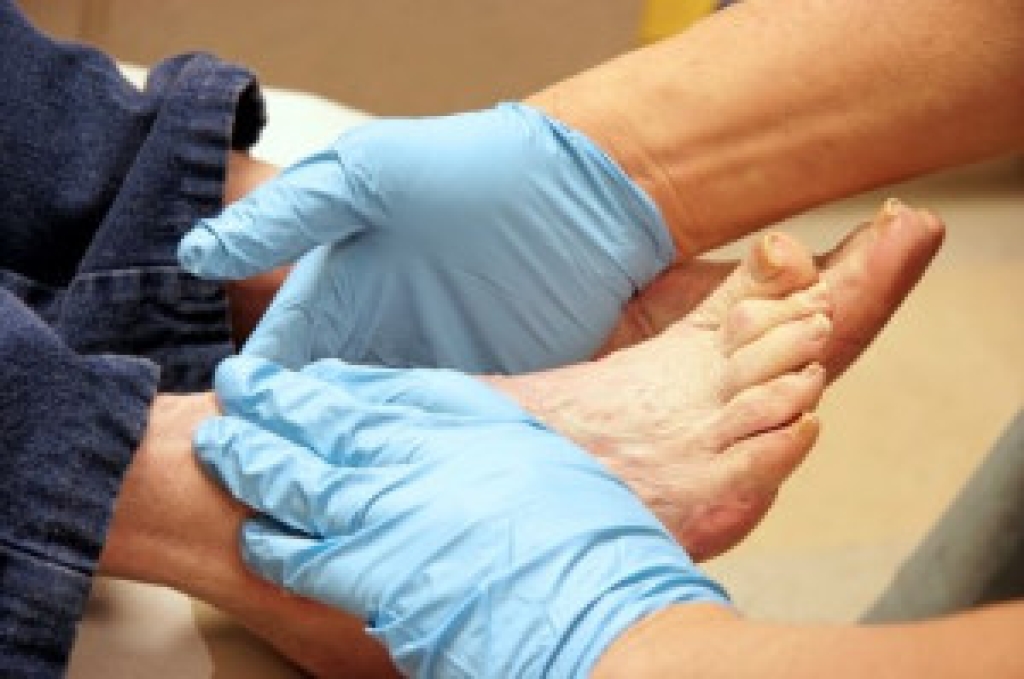
Read more about Diabetic Foot Conditions

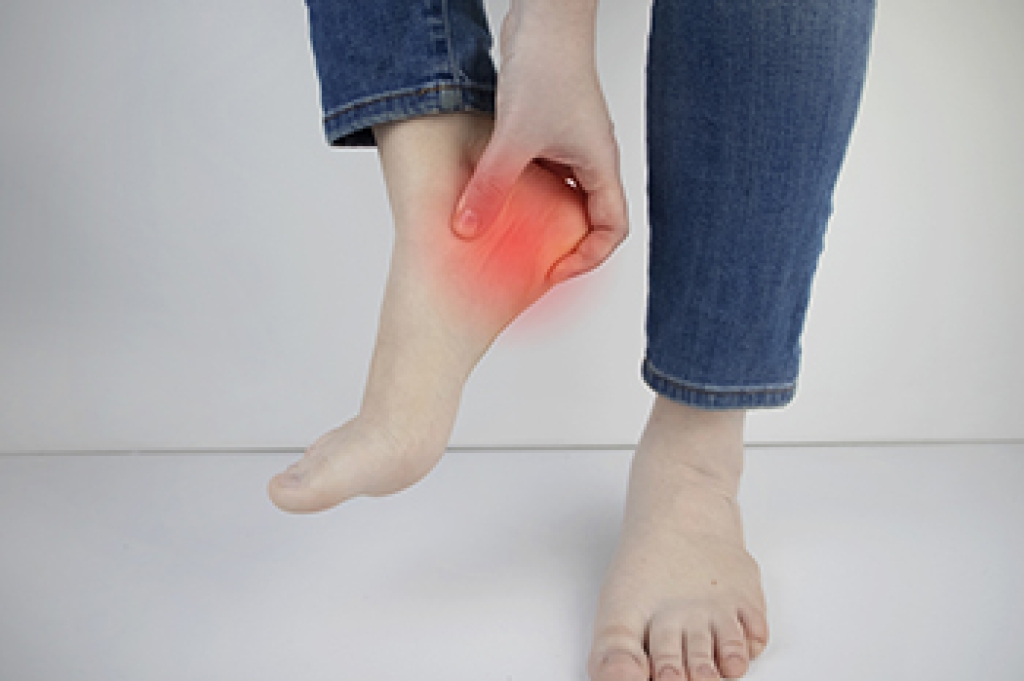
What Is Plantar Fasciitis?

The pain from the foot condition known as plantar fasciitis can be debilitating. This ailment is caused by an inflamed plantar fascia, which is the band of tissue that is found on the soles of the feet. The plantar fascia connects the heel to the toes and may become torn from standing on hard surfaces all day or wearing shoes that lack adequate arch support. Additionally, there may be existing medical conditions such as obesity, abnormal foot structure, or naturally tight calves that may lead to plantar fasciitis. The heel pain associated may be worse in the morning upon arising, or after sitting for a long period. Mild relief may begin with wearing shoes that fit correctly as well as stretches that target the plantar fascia. If you are afflicted with plantar fasciitis, it is suggested that you consult with a podiatrist who can determine the best course of treatment for you.

Plantar fasciitis is a common foot condition that is often caused by a strain injury. If you are experiencing heel pain or symptoms of plantar fasciitis, contact Kevin Powers, DPM from The Center for Lower Extremity Nerve Surgery. Our doctor can provide the care you need to keep you pain-free and on your feet.

What Is Plantar Fasciitis?

Plantar fasciitis is one of the most common causes of heel pain. The plantar fascia is a ligament that connects your heel to the front of your foot. When this ligament becomes inflamed, plantar fasciitis is the result. If you have plantar fasciitis you will have a stabbing pain that usually occurs with your first steps in the morning. As the day progresses and you walk around more, this pain will start to disappear, but it will return after long periods of standing or sitting.

What Causes Plantar Fasciitis?

  • Excessive running
  • Having high arches in your feet
  • Other foot issues such as flat feet
  • Pregnancy (due to the sudden weight gain)
  • Being on your feet very often

There are some risk factors that may make you more likely to develop plantar fasciitis compared to others. The condition most commonly affects adults between the ages of 40 and 60. It also tends to affect people who are obese because the extra pounds result in extra stress being placed on the plantar fascia.

Prevention

  • Take good care of your feet – Wear shoes that have good arch support and heel cushioning.
  • Maintain a healthy weight
  • If you are a runner, alternate running with other sports that won’t cause heel pain

There are a variety of treatment options available for plantar fasciitis along with the pain that accompanies it. Additionally, physical therapy is a very important component in the treatment process. It is important that you meet with your podiatrist to determine which treatment option is best for you.

If you have any questions, please feel free to contact our offices located in Indianapolis and Bloomington, IN . We offer the newest diagnostic and treatment technologies for all your foot care needs.
 

Read more about Plantar Fasciitis

Effective Ways to Prevent Running Injuries

Many people look forward to beginning a new running regime. This can range from running as a form of exercise to training for a marathon. Preventing running injuries is crucial in keeping the enjoyment in running, and this can be done in various ways. It is important to incorporate warming up and cooling down as part of the running routine, in addition to slowly increasing mileage and speed. This can give the body a chance to become stronger, possibly reducing the risk of having a running injury. On the days when running is not done, many people appreciate the benefits of performing a strength training routine that can enhance the entire body. Eating a balanced diet and getting adequate amounts of sleep can help to keep the body strong in preparation for running. Cardiovascular health may be improved by performing low impact activities, such as swimming and cycling, and this may help to enhance running. If you would like additional information about how to prevent running injuries, it is suggested that you speak with a podiatrist.

All runners should take extra precaution when trying to avoid injury. If you have any concerns about your feet, contact Kevin Powers, DPM of The Center for Lower Extremity Nerve Surgery. Our doctor will treat your foot and ankle needs.

How to Prevent Running Injuries

There are a lot of mistakes a runner can make prior to a workout that can induce injury. A lot of athletes tend to overstretch before running, instead of saving those workouts for a post-run routine. Deep lunges and hand-to-toe hamstring pulls should be performed after a workout instead of during a warmup. Another common mistake is jumping into an intense routine before your body is physically prepared for it. You should try to ease your way into long-distance running instead of forcing yourself to rush into it.

More Tips for Preventing Injury

  • Incorporate Strength Training into Workouts - This will help improve the body’s overall athleticism
  • Improve and Maintain Your Flexibility – Stretching everyday will help improve overall performance
  • “Warm Up” Before Running and “Cool Down” Afterward – A warm up of 5-10 minutes helps get rid of lactic acid in the muscles and prevents delayed muscle soreness
  • Cross-Training is Crucial
  • Wear Proper Running Shoes
  • Have a Formal Gait Analysis – Poor biomechanics can easily cause injury

If you have any questions, please feel free to contact our offices located in Indianapolis and Bloomington, IN . We offer the newest diagnostic and treatment technologies for all your foot care needs.

Read more about Preventing Running Injuries

Various Reasons for Toe Pain

The bones in the toes can be easier to fracture than other bones. They are small in size and can be stubbed or jammed against a piece of furniture, often causing pain and discomfort. Additional forms of toe pain can include bunions, ingrown toenails, or the toe may become sprained from an injury. If the toe is thought to be broken or sprained, an X-ray is often performed, which is successful in determining which type of injury it may be. Prompt medical attention is generally sought for an ingrown toenail, and relief may come from partially or completely removing the nail. A bunion is a bony area that develops on the side of the big toe. It may feel better when larger shoes are worn, and a protective pad is worn over it. In severe cases, the bunion may cause the other toes to shift toward each other, and surgery may be a necessary treatment method for permanent removal. If you have toe pain for any reason, it is suggested that you seek the counsel of a podiatrist who can determine what the cause is, and treat it accordingly. 

Toe pain can disrupt your daily activities. If you have any concerns, contact Kevin Powers, DPM of The Center for Lower Extremity Nerve Surgery. Our doctor can provide the care you need to keep you pain-free and on your feet.

What Causes Toe Pain?

Most severe toe pain is caused due to a sports injury, trauma from dropping something heavy on the toe, or bumping into something rigid. Other problems can develop over time for various reasons.

Toe pain can be caused by one or more ailments. The most common include:

  • Trauma
  • Sports injury
  • Wearing shoes that are too tight
  • Arthritis
  • Gout
  • Corns and calluses
  • Hammertoe
  • Bunions
  • Blisters
  • Ingrown toenails
  • Sprains
  • Fractures (broken bones)
  • Dislocations

When to See a Podiatrist

  • Severe pain
  • Persistent pain that lasts more than a week
  • Signs of infection
  • Continued swelling
  • Pain that prevents walking

Diagnosis

In many cases the cause of toe pain is obvious, but in others, a podiatrist may want to use more advanced methods to determine the problem. These can range from simple visual inspections and sensation tests to X-rays and MRI scans. Prior medical history, family medical history, and any recent physical traumatic events will all be taken into consideration for a proper diagnosis.

Treatment

Treatments for toe pain and injuries vary and may include shoe inserts, padding, taping, medicines, injections, and in some cases, surgery. If you believe that you have broken a toe, please see a podiatrist as soon as possible.

If you have any questions please contact our offices located in Indianapolis and Bloomington, IN . We offer the newest diagnostic and treatment technologies for all your foot and ankle needs.

Read more about Toe Pain

Keep Your Feet Healthy So You Can Stay Active

Have your feet inspected by a professional before starting a new sport or physical activity. Taking charge of your foot health will keep you in good physical condition and can help you avoid a potential injury, such as a fracture or sprained ankle.

Prevent injuries and see a foot specialist.

Connect With Us