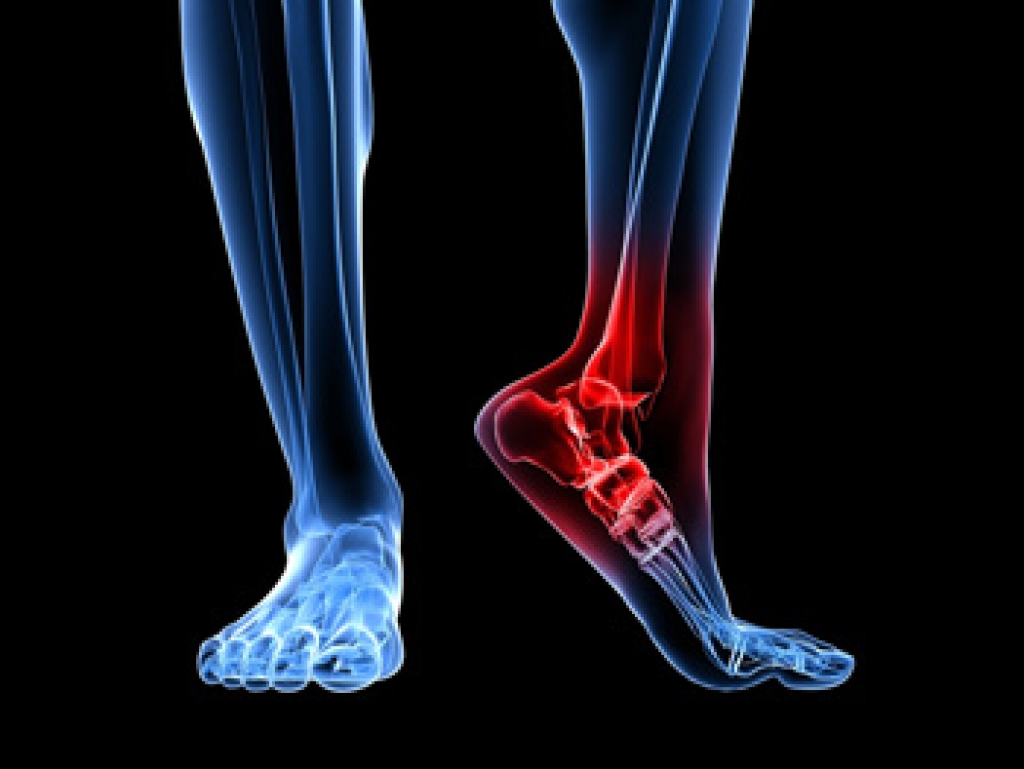
Heel Pain Location May Provide Clues to Its Cause

Heel pain is a very common occurrence. It is usually felt under the heel or at the back of the heel. When pain and inflammation is located on the bottom of the heel toward the front of the foot, plantar fasciitis is typically the cause. Plantar fasciitis is a painful inflammation of the plantar fascia tissue, which runs along the bottom of the foot and connects the heel with the toes. Other causes of heel pain on the bottom of the foot may be attributed to heel pad atrophy or heel spurs. If pain is felt at the back of the heel, Achilles tendonitis is often at the root of the cause. This condition occurs when the Achilles tendon, which attaches to the back of the heel bone, becomes damaged or torn over time, causing pain and swelling. Other possible causes include bursitis, Sever’s disease, and heel bumps. Pain from a heel stress fracture can occur anywhere on the heel, and tarsal tunnel syndrome can cause heel pain underneath the ankle bone. Heel pain can also be caused by neurological issues, infections and arthritis. Unless you suffer an acute injury, heel pain typically starts out mild, but can become severe. If you are experiencing any type of heel pain, don’t hesitate to contact a podiatrist to find out the cause and take measures to keep it from worsening or becoming chronic or debilitating.

Many people suffer from bouts of heel pain. For more information, contact Kevin Powers, DPM of The Center for Lower Extremity Nerve Surgery. Our doctor can provide the care you need to keep you pain-free and on your feet.

Causes of Heel Pain

Heel pain is often associated with plantar fasciitis. The plantar fascia is a band of tissues that extends along the bottom of the foot. A rip or tear in this ligament can cause inflammation of the tissue.

Achilles tendonitis is another cause of heel pain. Inflammation of the Achilles tendon will cause pain from fractures and muscle tearing. Lack of flexibility is also another symptom.

Heel spurs are another cause of pain. When the tissues of the plantar fascia undergo a great deal of stress, it can lead to ligament separation from the heel bone, causing heel spurs.

Why Might Heel Pain Occur?

  • Wearing ill-fitting shoes                
  • Wearing non-supportive shoes
  • Weight change           
  • Excessive running

Treatments

Heel pain should be treated as soon as possible for immediate results. Keeping your feet in a stress-free environment will help. If you suffer from Achilles tendonitis or plantar fasciitis, applying ice will reduce the swelling. Stretching before an exercise like running will help the muscles. Using all these tips will help make heel pain a condition of the past.

If you have any questions, please feel free to contact our offices located in Indianapolis and Bloomington, IN . We offer the newest diagnostic and treatment technologies for all your foot care needs.
Read more about Heel Pain

Achilles Tendon Disorders

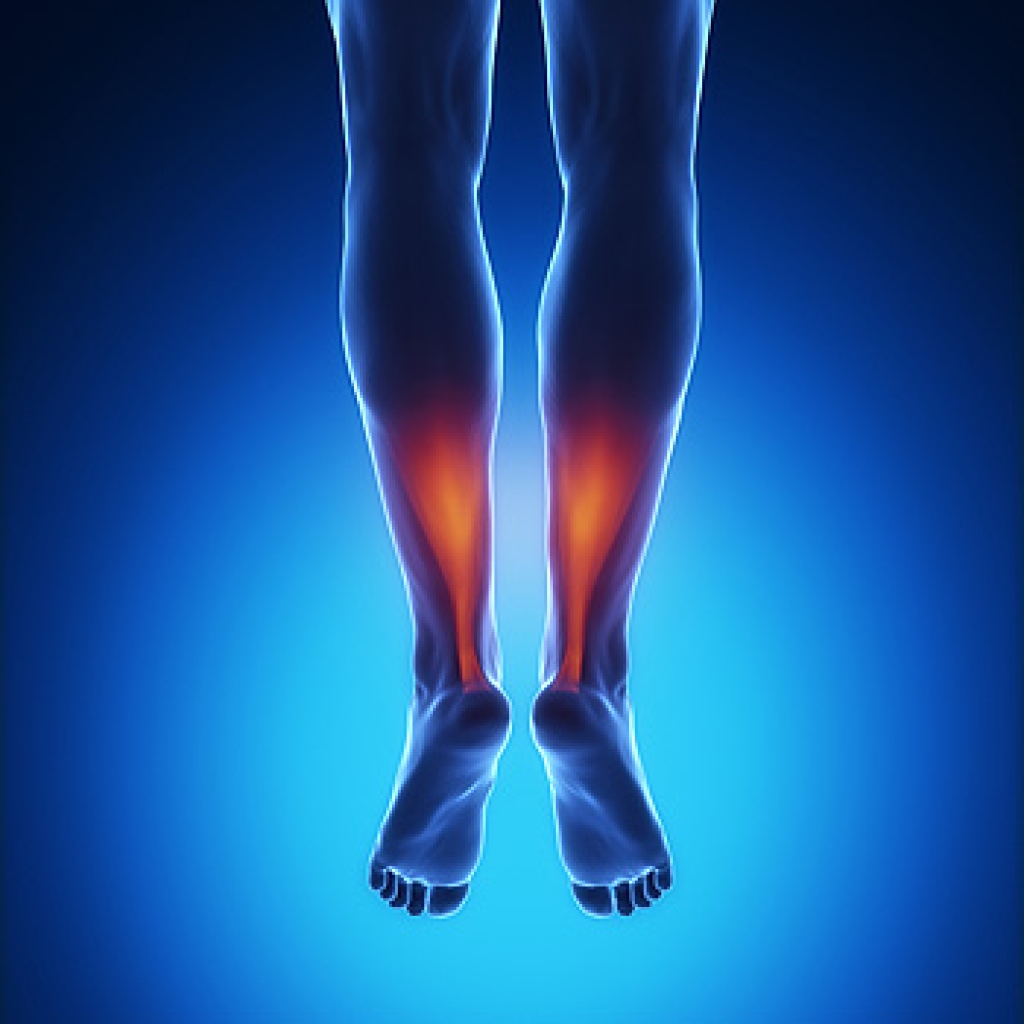
The Achilles tendon is a thick band of fibrous tissue that runs along the back of the lower leg, connecting the heel bone to the calf muscles. When the Achilles tendon is injured, resulting symptoms may include pain, aching, stiffness, soreness or tenderness in the heel or back of the leg, enlargement of the tendon, and damage to the surrounding tissues. There are two main types of Achilles tendon disorders – Achilles tendonitis and Achilles tendonosis. Tendonitis is a typically short-lived inflammation of the tendon. Tendonosis, which can evolve from tendonitis if the former is not treated promptly, can lead to tears in the tendon and degeneration over time. If you have symptoms of an Achilles tendon injury, it is suggested that you consult with a podiatrist.

Achilles tendon injuries need immediate attention to avoid future complications. If you have any concerns, contact Kevin Powers, DPM of The Center for Lower Extremity Nerve Surgery. Our doctor can provide the care you need to keep you pain-free and on your feet.

What Is the Achilles Tendon?

The Achilles tendon is a tendon that connects the lower leg muscles and calf to the heel of the foot. It is the strongest tendon in the human body and is essential for making movement possible. Because this tendon is such an integral part of the body, any injuries to it can create immense difficulties and should immediately be presented to a doctor.

What Are the Symptoms of an Achilles Tendon Injury?

There are various types of injuries that can affect the Achilles tendon. The two most common injuries are Achilles tendinitis and ruptures of the tendon.

Achilles Tendinitis Symptoms

  • Inflammation
  • Dull to severe pain
  • Increased blood flow to the tendon
  • Thickening of the tendon

Rupture Symptoms

  • Extreme pain and swelling in the foot
  • Total immobility

Treatment and Prevention

Achilles tendon injuries are diagnosed by a thorough physical evaluation, which can include an MRI. Treatment involves rest, physical therapy, and in some cases, surgery. However, various preventative measures can be taken to avoid these injuries, such as:

  • Thorough stretching of the tendon before and after exercise
  • Strengthening exercises like calf raises, squats, leg curls, leg extensions, leg raises, lunges, and leg presses

If you have any questions please feel free to contact our offices located in Indianapolis and Bloomington, IN . We offer the newest diagnostic tools and technology to treat your foot and ankle needs.

Read more about What are Achilles Tendon Injuries

Treatment for Infected DFUs

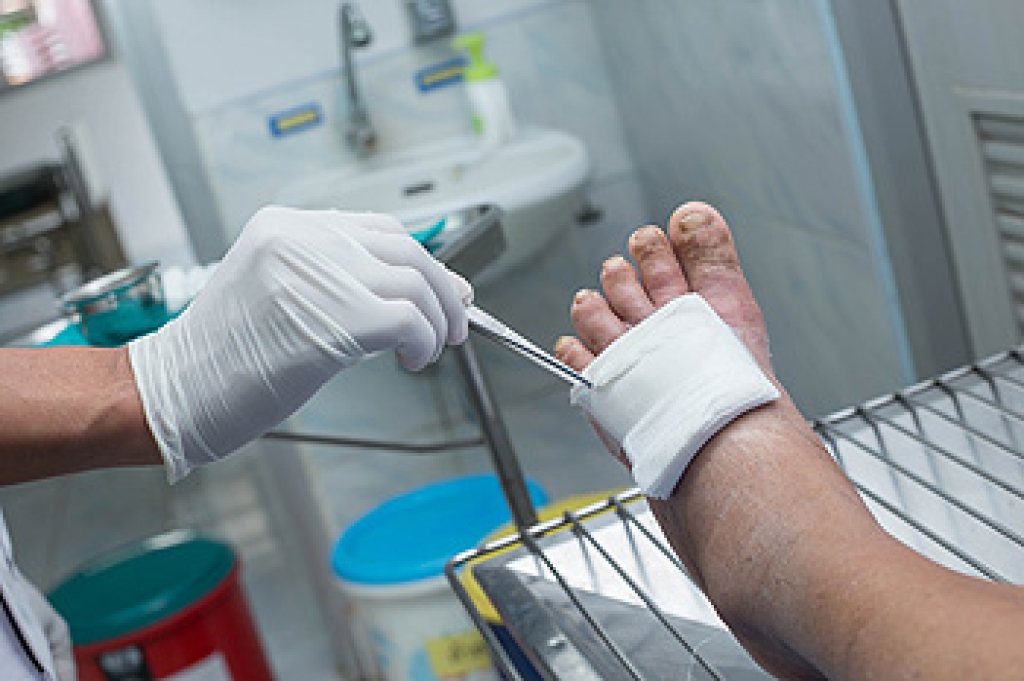
Diabetic foot ulcers (DFUs) unfortunately have a high chance of becoming infected. All DFUs may be treated by cleaning them, then covering them with a protective bandage. Resting the affected foot and not allowing pressure on the wound will also help the DFU heal. Further treatment for an infected DFU depends on the severity of the infection. A mild infection, which involves the upper layer of skin that can cause redness, swelling, and pain, is usually treated with a non-sticky dressing that is applied every one to two days. A moderate infection, which involves deeper layers of the skin, is typically treated with antibiotics as well. A severe infection, which can cause sepsis, often needs to be treated in the hospital. For more information about DFUs and how to treat and prevent them, consult with a podiatrist. 

Diabetic foot care is important in preventing foot ailments such as ulcers. If you are suffering from diabetes or have any other concerns about your feet, contact Kevin Powers, DPM from The Center for Lower Extremity Nerve Surgery. Our doctor can provide the care you need to keep you pain-free and on your feet.

Diabetic Foot Care

Diabetes affects millions of people every year. The condition can damage blood vessels in many parts of the body, especially the feet. Because of this, taking care of your feet is essential if you have diabetes, and having a podiatrist help monitor your foot health is highly recommended.

The Importance of Caring for Your Feet

  • Routinely inspect your feet for bruises or sores.
  • Wear socks that fit your feet comfortably.
  • Wear comfortable shoes that provide adequate support.

Patients with diabetes should have their doctor monitor their blood levels, as blood sugar levels play such a huge role in diabetic care. Monitoring these levels on a regular basis is highly advised.

It is always best to inform your healthcare professional of any concerns you may have regarding your feet, especially for diabetic patients. Early treatment and routine foot examinations are keys to maintaining proper health, especially because severe complications can arise if proper treatment is not applied.

If you have any questions, please feel free to contact our offices located in Indianapolis and Bloomington, IN . We offer the newest diagnostic and treatment technologies for all your foot care needs.

Read more about Diabetic Foot Care

Are You Suffering From Nerve Damage?

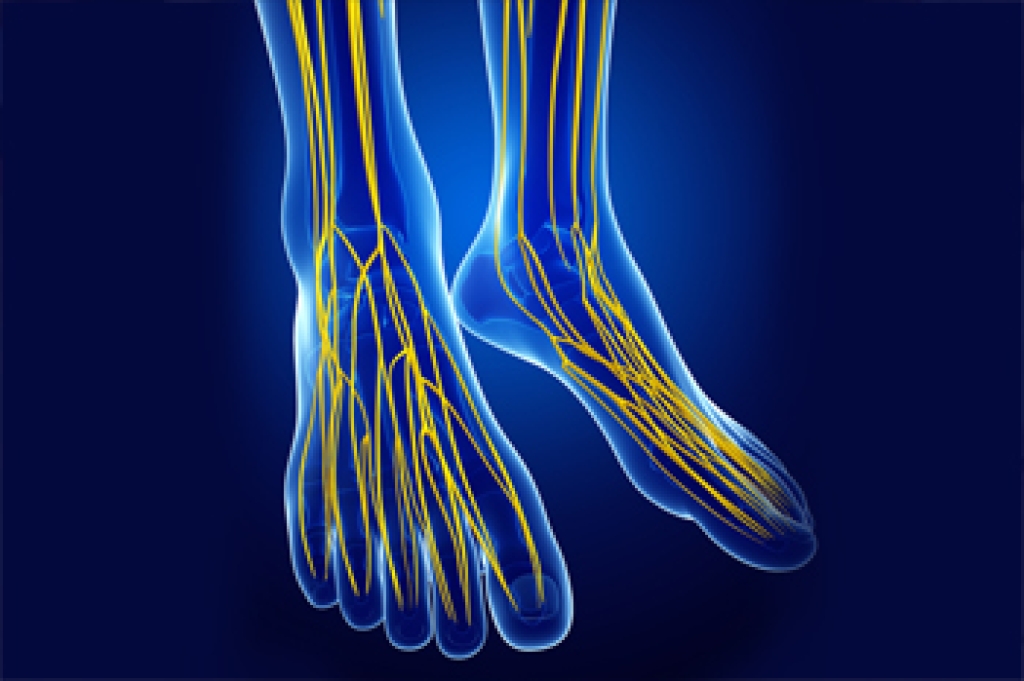
Neuropathy is a condition that can lead to numbness or loss of sensation in the feet, but it can also cause pain. This condition is more likely to develop for those who are diabetic, obese, or with high blood pressure.

What Causes Nerve Damage in the Feet?

Peripheral neuropathy, a type of nerve damage that affects the extremities, is a complication associated with several diseases. One of the most common types of neuropathy is diabetic neuropathy. As its name suggests, this type of nerve damage occurs in people who have diabetes. Approximately 25% of diabetics have experienced pain caused by nerve damage. Other potential causes of peripheral neuropathy include vitamin deficiencies, alcohol abuse, foot injuries, hypothyroidism, kidney disease, Charcot-Marie-Tooth disease, and certain infections. Since neuropathy in the feet can cause a reduction or loss of sensation, the feet are at an increased risk of developing wounds, which may become infected. If you have peripheral neuropathy, it is suggested that you be under the care of a podiatrist. 

Neuropathy

Neuropathy can be a potentially serious condition, especially if it is left undiagnosed. If you have any concerns that you may be experiencing nerve loss in your feet, consult with Kevin Powers, DPM from The Center for Lower Extremity Nerve Surgery. Our doctor will assess your condition and provide you with quality foot and ankle treatment for neuropathy.

What Is Neuropathy?

Neuropathy is a condition that leads to damage to the nerves in the body. Peripheral neuropathy, or neuropathy that affects your peripheral nervous system, usually occurs in the feet. Neuropathy can be triggered by a number of different causes. Such causes include diabetes, infections, cancers, disorders, and toxic substances.

Symptoms of Neuropathy Include:

  • Numbness
  • Sensation loss
  • Prickling and tingling sensations
  • Throbbing, freezing, burning pains
  • Muscle weakness

Those with diabetes are at serious risk due to being unable to feel an ulcer on their feet. Diabetics usually also suffer from poor blood circulation. This can lead to the wound not healing, infections occurring, and the limb may have to be amputated.

Treatment

To treat neuropathy in the foot, podiatrists will first diagnose the cause of the neuropathy. Figuring out the underlying cause of the neuropathy will allow the podiatrist to prescribe the best treatment, whether it be caused by diabetes, toxic substance exposure, infection, etc. If the nerve has not died, then it’s possible that sensation may be able to return to the foot.

Pain medication may be issued for pain. Electrical nerve stimulation can be used to stimulate nerves. If the neuropathy is caused from pressure on the nerves, then surgery may be necessary.

If you have any questions, please feel free to contact our offices located in Indianapolis and Bloomington, IN . We offer the newest diagnostic and treatment technologies for all your foot care needs.
Read more about Neuropathy

Top 4 Conditions That Cause Cold Feet

If your feet always feel cold, it may be due to one of the following four reasons. 1) You may have poor circulation. Feet need a steady flow of blood to keep them warm. Poor circulation causes blood vessels to constrict which limits the amount of blood traveling to the feet. 2) You may have Raynaud’s syndrome. This is a condition where blood vessels that supply the skin with blood constrict and spasm temporarily, thereby limiting blood flow. This may even cause your skin to change colors temporarily as blood flow is cut off and then returns. 3) You may be overly stressed or anxious. The body’s reaction to extreme stress or anxiety may trigger a “fight or flight” response which can direct blood flow towards larger organs—which are more critical to survival—and away from the extremities. 4) You may have anemia, which is an insufficient amount of red blood cells. Anemia reduces the amount of oxygen in the blood, sometimes causing cold feet. If you are concerned about your feet always feeling cold, contact a podiatrist to determine what the underlying cause may be and to get the appropriate treatment.

While poor circulation itself isn’t a condition; it is a symptom of another underlying health condition you may have. If you have any concerns with poor circulation in your feet contact Kevin Powers, DPM of The Center for Lower Extremity Nerve Surgery. Our doctor will treat your foot and ankle needs.

Poor Circulation in the Feet

Peripheral artery disease (PAD) can potentially lead to poor circulation in the lower extremities. PAD is a condition that causes the blood vessels and arteries to narrow. In a linked condition called atherosclerosis, the arteries stiffen up due to a buildup of plaque in the arteries and blood vessels. These two conditions can cause a decrease in the amount of blood that flows to your extremities, therefore resulting in pain.

Symptoms

Some of the most common symptoms of poor circulation are:

  • Numbness
  • Tingling
  • Throbbing or stinging pain in limbs
  • Pain
  • Muscle Cramps

Treatment for poor circulation often depends on the underlying condition that causes it. Methods for treatment may include insulin for diabetes, special exercise programs, surgery for varicose veins, or compression socks for swollen legs.

As always, see a podiatrist as he or she will assist in finding a regimen that suits you. A podiatrist can also prescribe you any needed medication. 

If you have any questions, please feel free to contact our offices located in Indianapolis and Bloomington, IN . We offer the newest diagnostic and treatment technologies for all your foot care needs.

Read more about Causes, Symptoms, and Treatment of Poor Blood Circulation in the Feet

Athlete’s Foot 101

Tinea Pedis,  more commonly known as athlete’s foot, is a fungal infection that affects the feet and toes. The fungi that cause athlete’s foot thrive in warm and moist environments. The condition is very contagious and often spreads in areas such as communal locker rooms, pools, showers, and even sweaty footwear. Common signs of athlete’s foot include scaling, redness, itchiness, and in severe cases, fissuring (or deep cracking) of the skin. Since athlete’s foot can spread easily, patients who believe they have this condition would be wise to consult with a podiatrist for a proper diagnosis and treatment plan. The infection will likely need to be treated with antifungal medications, and measures may need to be implemented to keep the feet clean and dry. 

Athlete’s foot is an inconvenient condition that can be easily reduced with the proper treatment. If you have any concerns about your feet and ankles, contact Kevin Powers, DPM from The Center for Lower Extremity Nerve Surgery.  Our doctor will treat your foot and ankle needs.

Athlete’s Foot: The Sole Story

Athlete's foot, also known as tinea pedis, can be an extremely contagious foot infection. It is commonly contracted in public changing areas and bathrooms, dormitory style living quarters, around locker rooms and public swimming pools, or anywhere your feet often come into contact with other people.

Solutions to Combat Athlete’s Foot

  • Hydrate your feet by using lotion
  • Exfoliate
  • Buff off nails
  • Use of anti-fungal products
  • Examine your feet and visit your doctor if any suspicious blisters or cuts develop

Athlete’s foot can cause many irritating symptoms such as dry and flaking skin, itching, and redness. Some more severe symptoms can include bleeding and cracked skin, intense itching and burning, and even pain when walking. In the worst cases, Athlete’s foot can cause blistering as well. Speak to your podiatrist for a better understanding of the different causes of Athlete’s foot, as well as help in determining which treatment options are best for you.

If you have any questions please feel free to contact our offices located in Indianapolis and Bloomington, IN . We offer the newest diagnostic and treatment technologies for all your foot and ankle needs.

Read more about Athlete's Foot

What Could Be Causing Your Heel Pain?

Heel pain can occur at any age, and it can come from a variety of causes. Plantar fasciitis is the most common source of heel pain. It occurs when the band of tissues that connects the heel to the toes, known as the plantar fascia, becomes inflamed. This condition can then cause the plantar fascia to pull on the heel and give it stress. It can also lead to heel spurs, which are calcium deposits that form on the bottom of the heel bone and become painful when bearing weight. Fat pad atrophy is another common source of heel pain. It occurs when the fat underneath the heel begins to wear away. Growing children who are active between the ages of 8 and 13 are susceptible to Sever’s disease. This is a result of the calf muscles growing faster than the Achilles tendon and causing the muscles to pull on the heel. Because of how debilitating heel pain can be to everyday life, patients who are struggling with any of these conditions may wish to consult with a podiatrist for a proper diagnosis and treatment. 

Many people suffer from bouts of heel pain. For more information, contact Kevin Powers, DPM of The Center for Lower Extremity Nerve Surgery. Our doctor can provide the care you need to keep you pain-free and on your feet.

Causes of Heel Pain

Heel pain is often associated with plantar fasciitis. The plantar fascia is a band of tissues that extends along the bottom of the foot. A rip or tear in this ligament can cause inflammation of the tissue.

Achilles tendonitis is another cause of heel pain. Inflammation of the Achilles tendon will cause pain from fractures and muscle tearing. Lack of flexibility is also another symptom.

Heel spurs are another cause of pain. When the tissues of the plantar fascia undergo a great deal of stress, it can lead to ligament separation from the heel bone, causing heel spurs.

Why Might Heel Pain Occur?

  • Wearing ill-fitting shoes                
  • Wearing non-supportive shoes
  • Weight change           
  • Excessive running

Treatments

Heel pain should be treated as soon as possible for immediate results. Keeping your feet in a stress-free environment will help. If you suffer from Achilles tendonitis or plantar fasciitis, applying ice will reduce the swelling. Stretching before an exercise like running will help the muscles. Using all these tips will help make heel pain a condition of the past.

If you have any questions, please feel free to contact our offices located in Indianapolis and Bloomington, IN . We offer the newest diagnostic and treatment technologies for all your foot care needs.

Read more about Heel Pain

Self-Care for Heel Spurs

Heel spurs are bony bumps that can form on the underside of your heel bone. They are usually painless, but can become painful if the tissue around the heel swells. Pain typically worsens with activity. There are several things that you can do at home to address heel spur pain. First, you should rest your injured foot so that it can heal. Keep weight and pressure off the affected foot if possible, and apply ice to the injury to reduce swelling. Stretch your legs and feet before getting out of bed to loosen the muscles and tendons in your feet. Wearing properly fitting shoes or orthotic inserts can also help to cushion and support your feet, and you may wish to also take over-the-counter medications to reduce pain. If your heel pain doesn’t improve or worsens, it is strongly suggested that you seek the care of a podiatrist for a proper examination.

Heel spurs can be incredibly painful and sometimes may make you unable to participate in physical activities. To get medical care for your heel spurs, contact Kevin Powers, DPM from The Center for Lower Extremity Nerve Surgery. Our doctor will do everything possible to treat your condition.

Heels Spurs

Heel spurs are formed by calcium deposits on the back of the foot where the heel is. This can also be caused by small fragments of bone breaking off one section of the foot, attaching onto the back of the foot. Heel spurs can also be bone growth on the back of the foot and may grow in the direction of the arch of the foot.

Older individuals usually suffer from heel spurs and pain sometimes intensifies with age. One of the main condition's spurs are related to is plantar fasciitis.

Pain

The pain associated with spurs is often because of weight placed on the feet. When someone is walking, their entire weight is concentrated on the feet. Bone spurs then have the tendency to affect other bones and tissues around the foot. As the pain continues, the feet will become tender and sensitive over time.

Treatments

There are many ways to treat heel spurs. If one is suffering from heel spurs in conjunction with pain, there are several methods for healing. Medication, surgery, and herbal care are some options.

If you have any questions, please feel free to contact our offices located in Indianapolis and Bloomington, IN . We offer the newest diagnostic and treatment technologies for all your foot care needs.

Read more about Heel Spurs

Connect With Us