Symptoms of Morton’s Neuroma

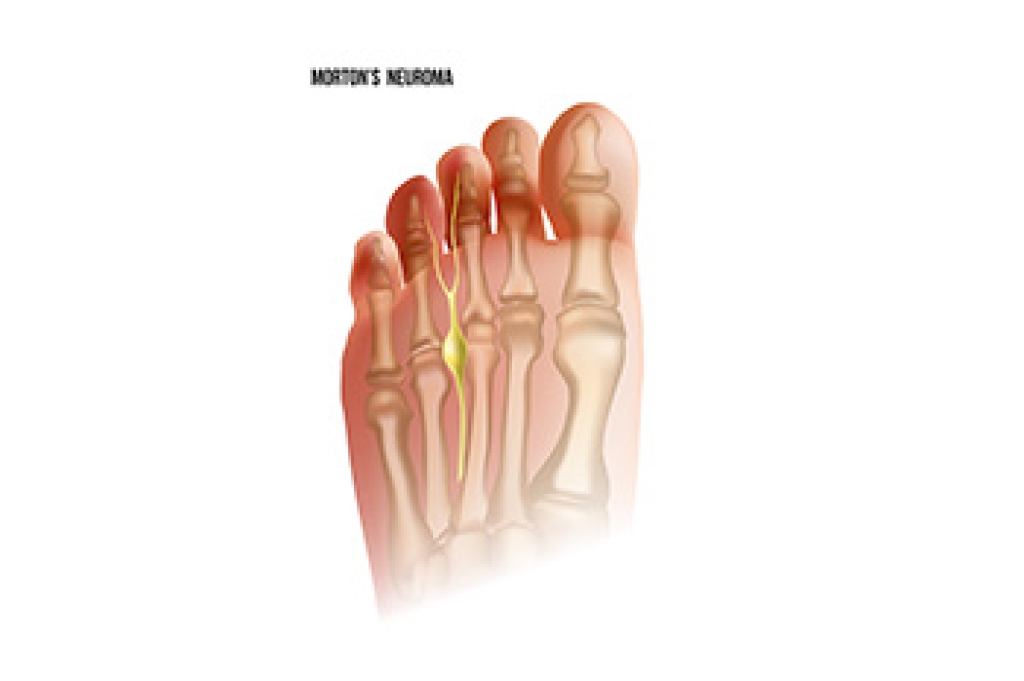
The nerve found between the third and fourth toes can be affected by a foot condition known as Morton’s neuroma. This is an ailment that compresses or irritates the nerve and is considered to be benign. The majority of patients who develop Morton’s neuroma have severe pain and discomfort, and it can be difficult to walk. Morton's neuroma may be common in women who frequently wear high heels. These types of shoes have limited room in the toe area and this can cause the toes to shift toward each other, affecting the nerve. The pain is often felt in the ball of the foot and can be noticed while standing and walking. Additionally, a burning or tingling sensation can affect the toes, and it may feel like there is a small pebble in the shoe or sock. If you have pain in this area of your foot, it is suggested that you seek the counsel of a podiatrist who can perform a diagnosis and offer the proper treatment options.

Morton’s neuroma is a very uncomfortable condition to live with. If you think you have Morton’s neuroma, contact Kevin Powers, DPM of The Center for Lower Extremity Nerve Surgery. Our doctor will attend to all of your foot care needs and answer any of your related questions.  

Morton’s Neuroma

Morton's neuroma is a painful foot condition that commonly affects the areas between the second and third or third and fourth toe, although other areas of the foot are also susceptible. Morton’s neuroma is caused by an inflamed nerve in the foot that is being squeezed and aggravated by surrounding bones.

What Increases the Chances of Having Morton’s Neuroma?

  • Ill-fitting high heels or shoes that add pressure to the toe or foot
  • Jogging, running or any sport that involves constant impact to the foot
  • Flat feet, bunions, and any other foot deformities

Morton’s neuroma is a very treatable condition. Orthotics and shoe inserts can often be used to alleviate the pain on the forefront of the feet. In more severe cases, corticosteroids can also be prescribed. In order to figure out the best treatment for your neuroma, it’s recommended to seek the care of a podiatrist who can diagnose your condition and provide different treatment options.

If you have any questions, please feel free to contact our offices located in Indianapolis and Bloomington, IN . We offer the newest diagnostic and treatment technologies for all your foot care needs.
Read more about Morton's Neuroma

Different Types of Athlete’s Foot

Athlete’s foot, also known as tinea pedis, is a fungal infection that results in inflammation, redness, itchiness, and scaling between the toes. It can also cause blistering on the bottom of the feet. This is a highly contagious infection and can be brought on by wearing wet or sweaty shoes or by walking barefoot on contaminated wet floors. Common areas to pick up athlete’s foot are pools, locker rooms, and public showers. Athlete’s foot can be difficult to cure and may come back again or turn into a bacterial infection if left untreated. There is more than one type of athlete’s foot. The three types of this fungal infection are interdigital, moccasin, and vestibular infections. An interdigital infection affects the skin between the toes. A moccasin infection covers the sole of the foot and can spread to the heel and edges of the feet. A vestibular infection can appear between the toes or the soles of the feet and can cause blisters or vesicles filled with pus that can burst open and cause open sores. Because athlete’s foot can sometimes be misdiagnosed, it is suggested that if you have these types of symptoms, an appointment is made with a podiatrist who can accurately diagnose and offer treatment options for athlete’s foot.

Athlete’s Foot

Athlete’s foot is often an uncomfortable condition to experience. Thankfully, podiatrists specialize in treating athlete’s foot and offer the best treatment options. If you have any questions about athlete’s foot, consult with Kevin Powers, DPM from The Center for Lower Extremity Nerve Surgery. Our doctor will assess your condition and provide you with quality treatment.

What Is Athlete’s Foot?

Tinea pedis, more commonly known as athlete’s foot, is a non-serious and common fungal infection of the foot. Athlete’s foot is contagious and can be contracted by touching someone who has it or infected surfaces. The most common places contaminated by it are public showers, locker rooms, and swimming pools. Once contracted, it grows on feet that are left inside moist, dark, and warm shoes and socks.

Prevention

The most effective ways to prevent athlete’s foot include:

  • Thoroughly washing and drying feet
  • Avoid going barefoot in locker rooms and public showers
  • Using shower shoes in public showers
  • Wearing socks that allow the feet to breathe
  • Changing socks and shoes frequently if you sweat a lot

Symptoms

Athlete’s foot initially occurs as a rash between the toes. However, if left undiagnosed, it can spread to the sides and bottom of the feet, toenails, and if touched by hand, the hands themselves. Symptoms include:

  • Redness
  • Burning
  • Itching
  • Scaly and peeling skin

Diagnosis and Treatment

Diagnosis is quick and easy. Skin samples will be taken and either viewed under a microscope or sent to a lab for testing. Sometimes, a podiatrist can diagnose it based on simply looking at it. Once confirmed, treatment options include oral and topical antifungal medications.

If you have any questions, please feel free to contact our offices located in Indianapolis and Bloomington, IN . We offer the newest diagnostic and treatment technologies for all your foot care needs.

Read more about Athlete's Foot

Definition of a Plantar Fibroma

The foot condition known as plantar fibromatosis is rare. A plantar fibroma is a fibrous, hardened area in the shape of a circle that develops in the arch. It is a benign growth, and it may form in both feet. Many patients don't report pain unless they walk barefoot or their shoe pushes against it. A plantar fibroma may occur if an injury has happened to the sole or from the consistent pressure the feet endure while running. Research has indicated it may happen from taking certain medications, such as anti-seizure medicine, beta-blockers, or excessive doses of vitamin C. An MRI is generally performed that can correctly diagnose a plantar fibroma and may be followed with a biopsy. Mild relief may be found when custom-made orthotics are worn, in addition to taking anti-inflammatory medication. If you have discovered a lump on the sole of your foot, it is suggested that you speak to a podiatrist who can accurately diagnose and treat a plantar fibroma.

A plantar fibroma may disrupt your daily activities. If you have any concerns, contact Kevin Powers, DPM of The Center for Lower Extremity Nerve Surgery. Our doctor can provide the care you need to keep you pain-free and on your feet.

Plantar Fibroma

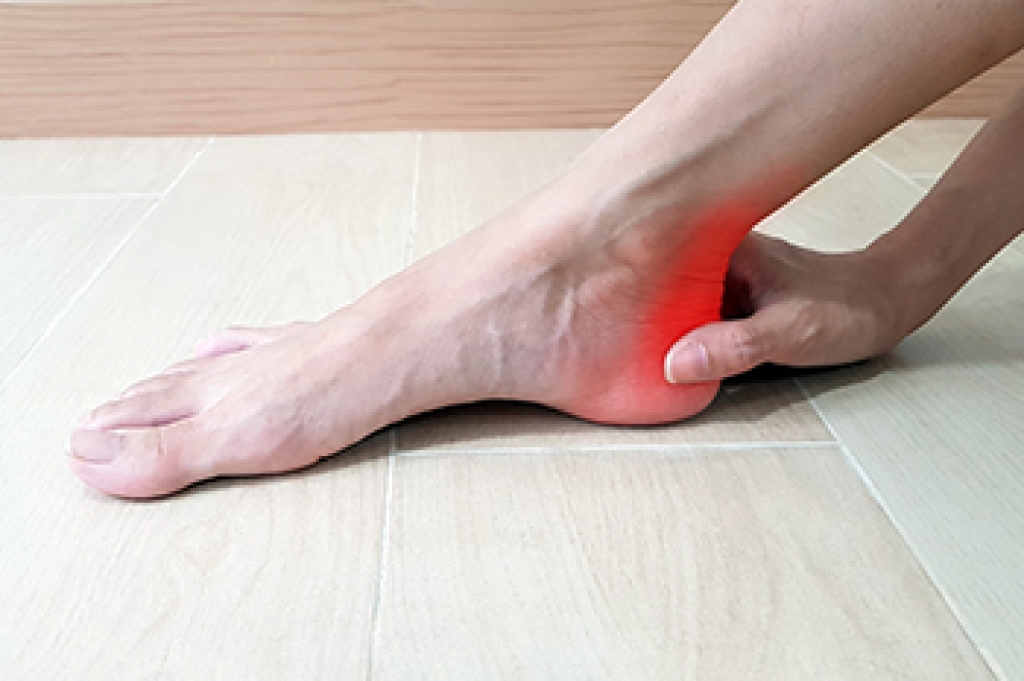
A plantar fibroma is a fibrous knot in the arch of the foot. It is embedded in the plantar fascia which is a band of tissue that extends from the heel to the toes along the bottom of the foot. There can be multiple plantar fibromas in the feet at the same time. There are no known causes for this condition. If you have a plantar fibroma, there will be a bump in the arch of your foot that cannot be missed. Any associated pain is most often due to a shoe rubbing against the nodule. Non-surgical options, such as steroid injections, physical therapy, and orthotics should be tried first. Surgery is a last resort and is the only thing that will remove a plantar fibroma entirely. Consult with a podiatrist for a proper diagnosis and to determine the treatment regimen that is right for you.

What Causes a Plantar Fibroma?

While there are no specific causes identified, a plantar fibroma can possibly come from genetic predisposition or the formation of scar tissue that forms from healing the tears in the plantar fascia.

What Are the Symptoms of a Plantar Fibroma?

There will be a noticeable lump in the arch of the foot that may or may not cause pain. If pain is felt, it is typically because a shoe is rubbing up against the lump or when walking or standing barefoot.

Treatment and Prevention

A plantar fibroma will not disappear without treatment, but it can get smaller and be a non-issue. If pain persists, a podiatrist examines the foot and when the arch of the foot is pressed, pain can be felt down to the toes. An MRI or biopsy might be performed to help diagnose or evaluate the plantar fibroma. The following non-surgical options are generally enough to reduce the size and pain of these nodules:

  • Steroid injections
  • Orthotics
  • Physical therapy to help apply anti-inflammatory creams on the bump 

Surgery is considered if the mass increases in size and the patient continues to feel pain after non-surgical methods are tried.

If you have any questions, please feel free to contact our offices located in Indianapolis and Bloomington, IN . We offer the newest diagnostic and treatment technologies for all your foot care needs.
Read more about Plantar Fibroma

Heel Pain in the Morning?

Heel pain can negatively affect your day-to-day life. Simple activities like walking can become incredibly uncomfortable or painful due to heel pain.

Don’t live with heel pain and get treated.

Achilles Tendon Rupture Test

There are many different types of Achilles tendon injuries. For example, a common type of Achilles tendon injury is known as an Achilles tendon rupture. This condition can occur when the tendon above the heel is disrupted partially or entirely. A medical professional can perform specific tests that can determine whether or not an individual has an Achilles tendon rupture. Namely, the Matles test advises that if a patient cannot easily stand on their tiptoes, it may indicate an Achilles tendon rupture. Additionally, the Simmonds–Thompson test can be performed when a medical professional squeezes the calf muscle. If there is no downward motion in the foot, this may also indicate an Achilles tendon rupture has occurred. If you are someone that thinks they may be living with an Achilles tendon injury, it is suggested that you schedule an appointment with a podiatrist today.

Achilles tendon injuries need immediate attention to avoid future complications. If you have any concerns, contact Kevin Powers, DPM of The Center for Lower Extremity Nerve Surgery. Our doctor can provide the care you need to keep you pain-free and on your feet.

What Is the Achilles Tendon?

The Achilles tendon is a tendon that connects the lower leg muscles and calf to the heel of the foot. It is the strongest tendon in the human body and is essential for making movement possible. Because this tendon is such an integral part of the body, any injuries to it can create immense difficulties and should immediately be presented to a doctor.

What Are the Symptoms of an Achilles Tendon Injury?

There are various types of injuries that can affect the Achilles tendon. The two most common injuries are Achilles tendinitis and ruptures of the tendon.

Achilles Tendinitis Symptoms

  • Inflammation
  • Dull to severe pain
  • Increased blood flow to the tendon
  • Thickening of the tendon

Rupture Symptoms

  • Extreme pain and swelling in the foot
  • Total immobility

Treatment and Prevention

Achilles tendon injuries are diagnosed by a thorough physical evaluation, which can include an MRI. Treatment involves rest, physical therapy, and in some cases, surgery. However, various preventative measures can be taken to avoid these injuries, such as:

  • Thorough stretching of the tendon before and after exercise
  • Strengthening exercises like calf raises, squats, leg curls, leg extensions, leg raises, lunges, and leg presses

If you have any questions please feel free to contact our offices located in Indianapolis and Bloomington, IN . We offer the newest diagnostic tools and technology to treat your foot and ankle needs.

Read more about The Causes, Types, and Treatments of Achilles Tendon Injuries

Is a Heel Spur Painful?

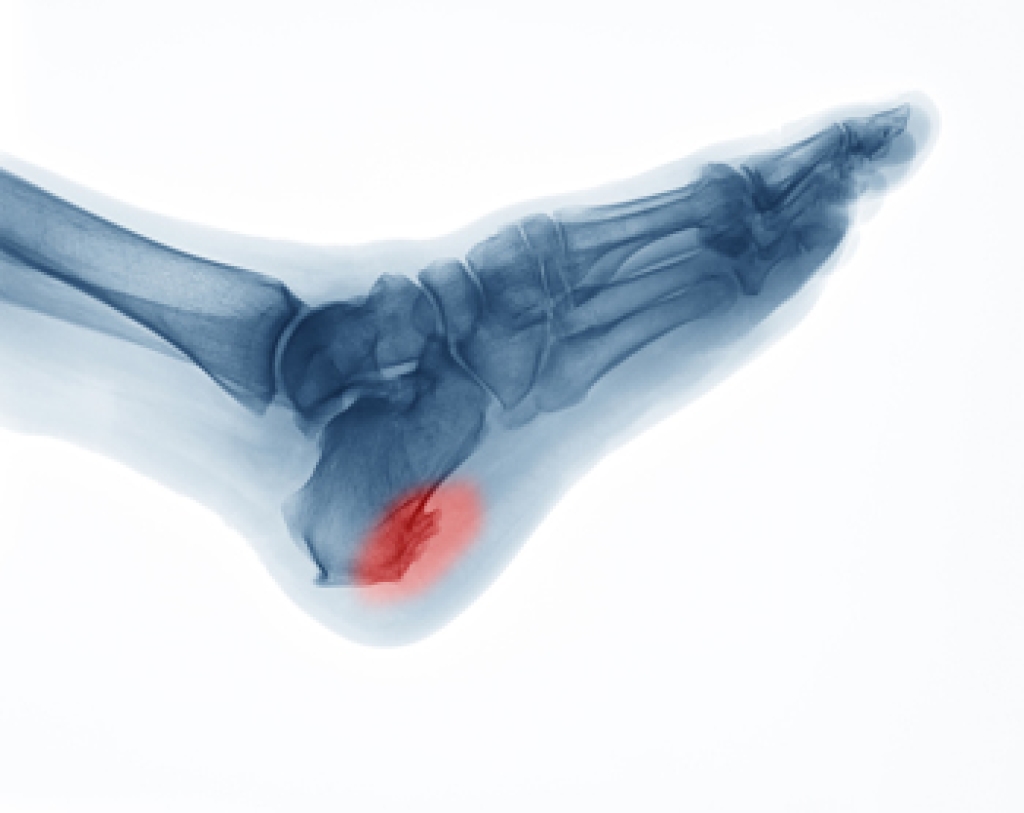
A small, hard growth that develops on the underside of the heel may be a heel spur. It is defined as a calcium deposit and extends between the arch and the heel. Some heel spurs can be up to a half inch long, and may or may not be painful. Some of the symptoms that are associated with a heel spur are swelling surrounding the heel, the skin feeling warm when touched, and being inflamed. The cause of a heel spur is muscle and ligament strain, and can gradually develop as the aging process occurs. They may also happen from wearing shoes that are worn out, having excess body weight, or if there is an abnormal foot structure. An X-ray is often taken that can confirm a heel spur, and can be treated through adequate rest and lifestyle changes. It may be beneficial to perform gentle stretches that can help to strengthen the muscles. If you feel pain or mild discomfort in your heel, it is suggested that you speak with a podiatrist who can accurately diagnose and treat heel spurs.

Heel spurs can be incredibly painful and sometimes may make you unable to participate in physical activities. To get medical care for your heel spurs, contact Kevin Powers, DPM from The Center for Lower Extremity Nerve Surgery. Our doctor will do everything possible to treat your condition.

Heels Spurs

Heel spurs are formed by calcium deposits on the back of the foot where the heel is. This can also be caused by small fragments of bone breaking off one section of the foot, attaching onto the back of the foot. Heel spurs can also be bone growth on the back of the foot and may grow in the direction of the arch of the foot.

Older individuals usually suffer from heel spurs and pain sometimes intensifies with age. One of the main condition's spurs are related to is plantar fasciitis.

Pain

The pain associated with spurs is often because of weight placed on the feet. When someone is walking, their entire weight is concentrated on the feet. Bone spurs then have the tendency to affect other bones and tissues around the foot. As the pain continues, the feet will become tender and sensitive over time.

Treatments

There are many ways to treat heel spurs. If one is suffering from heel spurs in conjunction with pain, there are several methods for healing. Medication, surgery, and herbal care are some options.

If you have any questions, please feel free to contact our offices located in Indianapolis and Bloomington, IN . We offer the newest diagnostic and treatment technologies for all your foot care needs.
Read more about Heel Spurs

Tarsal Tunnel Syndrome

Tarsal tunnel syndrome or TTS is when the posterior tibial nerve in the ankle becomes compressed. This can happen from medical conditions including rheumatoid arthritis and diabetes, repetitive stress activities, other foot conditions, or carrying excessive weight. While there is a higher incidence of this ailment among women and adults, it can happen to anyone. When this happens, pain, tingling, and numbness can radiate to the foot and worsen with walking. Rest is helpful when pain develops. This affliction is relatively uncommon and can be misdiagnosed. Because of this, if you have pain in your ankle or heel, it is strongly suggested that you see a podiatrist who can properly evaluate what is causing it and provide treatment options. 

Tarsal tunnel syndrome can be very uncomfortable to live with. If you are experiencing tarsal tunnel syndrome, contact Kevin Powers, DPM of The Center for Lower Extremity Nerve Surgery. Our doctor can provide the care you need to keep you pain-free and on your feet.

Tarsal Tunnel Syndrome

Tarsal tunnel syndrome, which can also be called tibial nerve dysfunction, is an uncommon condition of misfiring peripheral nerves in the foot. The tibial nerve is the peripheral nerve in the leg responsible for sensation and movement of the foot and calf muscles. In tarsal tunnel syndrome, the tibial nerve is damaged, causing problems with movement and feeling in the foot of the affected leg.

Common Cause of Tarsal Tunnel Syndrome

  • Involves pressure or an injury, direct pressure on the tibial nerve for an extended period of time, sometimes caused by other body structures close by or near the knee.
  • Diseases that damage nerves, including diabetes, may cause tarsal tunnel syndrome.
  • At times, tarsal tunnel syndrome can appear without an obvious cause in some cases.

The Effects of Tarsal Tunnel Syndrome

  • Different sensations, an afflicted person may experience pain, tingling, burning or other unusual sensations in the foot of the affected leg.
  • The foot muscles, toes and ankle become weaker, and curling your toes or flexing your foot can become difficult.
  • If condition worsens, infections and ulcers may develop on the foot that is experiencing the syndrome.

A physical exam of the leg can help identify the presence of tarsal tunnel syndrome. Medical tests, such as a nerve biopsy, are also used to diagnose the condition. Patients may receive physical therapy and prescriptive medication. In extreme cases, some may require surgery.

If you have any questions please contact our offices located in Indianapolis and Bloomington, IN . We offer the newest diagnostic and treatment technologies for all your foot and ankle needs.

Read more about Tarsal Tunnel Syndrome

Decrease Foot Problems and Lose Weight by Exercising

Exercise is important for everyone, as it positively impacts health, boosts mood, and increases self-esteem. If a person is overweight, exercise can be particularly important given that excess weight can increase health risks. These can include high blood pressure, diabetes, and an array of foot problems. Beginning an exercise program can be daunting in the best of cases, but when one is overweight, it can feel especially difficult. Wearing proper workout gear and shoes for the activity to be achieved comfortably is a critical first step. Walking is a good form of exercise for those who are confronting the number on the scale because no special equipment is needed and it can be done anywhere. It also can be done at varying levels based on intensity, fitness level, and it can be easy on the feet. Starting for five to 10 minutes of walking and gradually building up to a 30 minute walk per day is an optimum goal. Speed and pace need not be a concern at the beginning, just consistency. If you have foot pain or have sustained a foot injury and want to exercise to lose weight, it is suggested that you consult a podiatrist for help.

Obesity has become very problematic at this point in time and can have extremely negative effects on the feet. If you’re an obese individual and are concerned about your feet, contact Kevin Powers, DPM from The Center for Lower Extremity Nerve Surgery. Our doctor can provide the care you need to keep you pain-free and on your feet.

Obesity and Your Feet

Since your feet are what support your entire weight when standing, any additional weight can result in pain and swelling. Being overweight is one of the main contributors to foot complications.

Problems & Complications

Extra Weight – Even putting on just a few extra pounds could create serious complications for your feet. As your weight increases, your balance and body will shift, creating new stresses on your feet. This uneven weight distribution can cause pain, even while doing the simplest tasks, such as walking.

Diabetes – People who are overweight are at serious risk of developing type-2 diabetes, which has a drastic impact on the health of your feet. As you get older, your diabetes might worsen, which could lead to loss of feeling in your feet, sores, and bruises. You could also become more prone to various infections.

Plantar fasciitis – Pressure and stress that is placed on muscles, joints, and tendons can trigger plantar fasciitis, which is an inflammation of tissue that forms along the bottom of the foot. 

If you have any questions, please feel free to contact our offices located in Indianapolis and Bloomington, IN . We offer the newest diagnostic and treatment technologies for all your foot care needs.
Read more about Obesity and the Feet

Are You Suffering From Nerve Damage?

Neuropathy is a condition that can lead to numbness or loss of sensation in the feet, but it can also cause pain. This condition is more likely to develop for those who are diabetic, obese, or with high blood pressure.

Bunions May Cause Toe Pain

A bunion is a bony protrusion that forms on the side of the big toe and may cause toe pain. The pain may come from the joints in the big toe as the bunion pushes it out of alignment. The big toe may be swollen, red, and stiff, and may worsen until medical attention is received. This condition is caused by wearing shoes that do not have adequate room for the toes to move freely in. A small bump can develop, causing a deformity in the big toe. This toe contributes significantly to walking, rising up on the balls of the feet, and maintaining the body’s balance. Toe pain can cause difficulty in accomplishing these moves, and relief is often sought. This can begin with choosing shoes that fit correctly and wearing custom-made orthotics may help the affected foot to regain alignment. Large bunions may cause the toes to shift toward each other, and the toe pain may become severe. If you have toe pain, it is suggested that you consult with a podiatrist who can effectively diagnose a bunion, and offer you treatment to alleviate any toe pain it may cause.

Toe pain can disrupt your daily activities. If you have any concerns, contact Kevin Powers, DPM of The Center for Lower Extremity Nerve Surgery. Our doctor can provide the care you need to keep you pain-free and on your feet.

What Causes Toe Pain?

Most severe toe pain is caused due to a sports injury, trauma from dropping something heavy on the toe, or bumping into something rigid. Other problems can develop over time for various reasons.

Toe pain can be caused by one or more ailments. The most common include:

  • Trauma
  • Sports injury
  • Wearing shoes that are too tight
  • Arthritis
  • Gout
  • Corns and calluses
  • Hammertoe
  • Bunions
  • Blisters
  • Ingrown toenails
  • Sprains
  • Fractures (broken bones)
  • Dislocations

When to See a Podiatrist

  • Severe pain
  • Persistent pain that lasts more than a week
  • Signs of infection
  • Continued swelling
  • Pain that prevents walking

Diagnosis

In many cases the cause of toe pain is obvious, but in others, a podiatrist may want to use more advanced methods to determine the problem. These can range from simple visual inspections and sensation tests to X-rays and MRI scans. Prior medical history, family medical history, and any recent physical traumatic events will all be taken into consideration for a proper diagnosis.

Treatment

Treatments for toe pain and injuries vary and may include shoe inserts, padding, taping, medicines, injections, and in some cases, surgery. If you believe that you have broken a toe, please see a podiatrist as soon as possible.

If you have any questions please contact our offices located in Indianapolis and Bloomington, IN . We offer the newest diagnostic and treatment technologies for all your foot and ankle needs.

Read more about Toe Pain

Connect With Us