Definition and Causes of Achilles Tendon Injuries

The world of Achilles tendon injuries is common among athletes across the globe. The Achilles tendon is the band of tissue connecting the calf muscles to the heel bone, enabling us to walk, jump, and run. Achilles tendon injuries are described as tears or strains that happen to this crucial tendon. These injuries can be mild, causing discomfort, or severe pain, possibly causing difficulty in walking. A common cause of an Achilles tendon injury can be from overuse. This can range from increasing speed and mileage too quickly while running to not getting adequate rest.  Wearing improper footwear, such as flip-flops during sporting activities, can also contribute to this painful condition. Additionally, sudden increases in physical activity or tight calf muscles may put stress on the Achilles tendon, leading to injuries. Effective prevention techniques can include stretching, wearing suitable shoes, and listening to your body's limits. If you have endured this type of injury, it is suggested that you visit a podiatrist sooner rather than later who can provide you with relief solutions.

Achilles tendon injuries need immediate attention to avoid future complications. If you have any concerns, contact Kevin Powers, DPM of The Center for Lower Extremity Nerve Surgery. Our doctor can provide the care you need to keep you pain-free and on your feet.

What Is the Achilles Tendon?

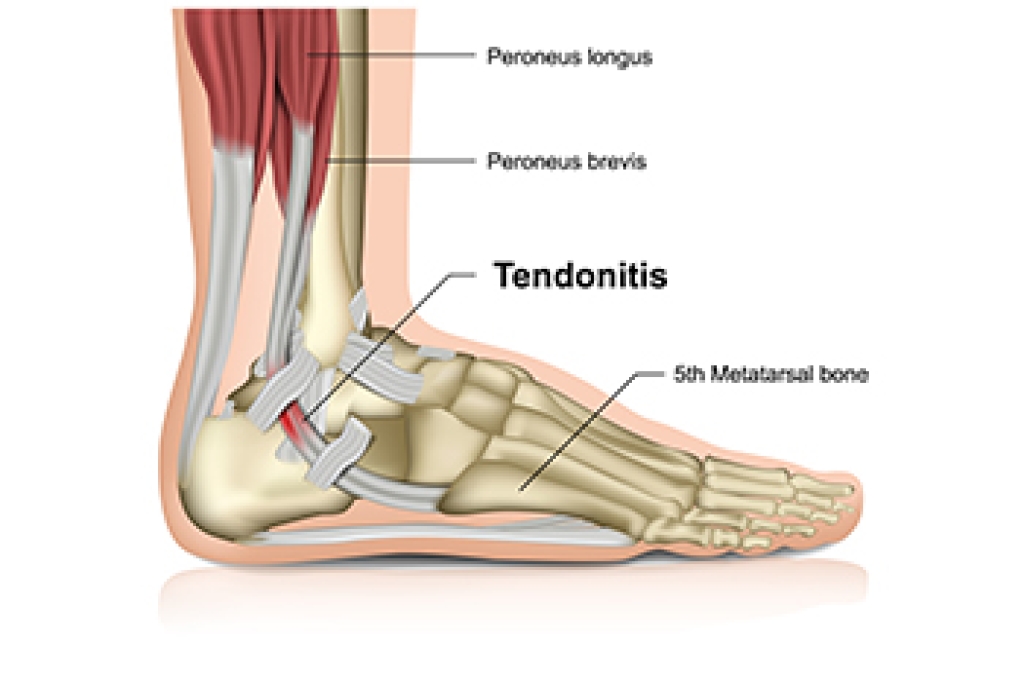
The Achilles tendon is a tendon that connects the lower leg muscles and calf to the heel of the foot. It is the strongest tendon in the human body and is essential for making movement possible. Because this tendon is such an integral part of the body, any injuries to it can create immense difficulties and should immediately be presented to a doctor.

What Are the Symptoms of an Achilles Tendon Injury?

There are various types of injuries that can affect the Achilles tendon. The two most common injuries are Achilles tendinitis and ruptures of the tendon.

Achilles Tendinitis Symptoms

  • Inflammation
  • Dull to severe pain
  • Increased blood flow to the tendon
  • Thickening of the tendon

Rupture Symptoms

  • Extreme pain and swelling in the foot
  • Total immobility

Treatment and Prevention

Achilles tendon injuries are diagnosed by a thorough physical evaluation, which can include an MRI. Treatment involves rest, physical therapy, and in some cases, surgery. However, various preventative measures can be taken to avoid these injuries, such as:

  • Thorough stretching of the tendon before and after exercise
  • Strengthening exercises like calf raises, squats, leg curls, leg extensions, leg raises, lunges, and leg presses

If you have any questions please feel free to contact our offices located in Indianapolis and Bloomington, IN . We offer the newest diagnostic tools and technology to treat your foot and ankle needs.

Read more about Achilles Tendon Injuries

Foot Pain Caused by Morton’s Neuroma

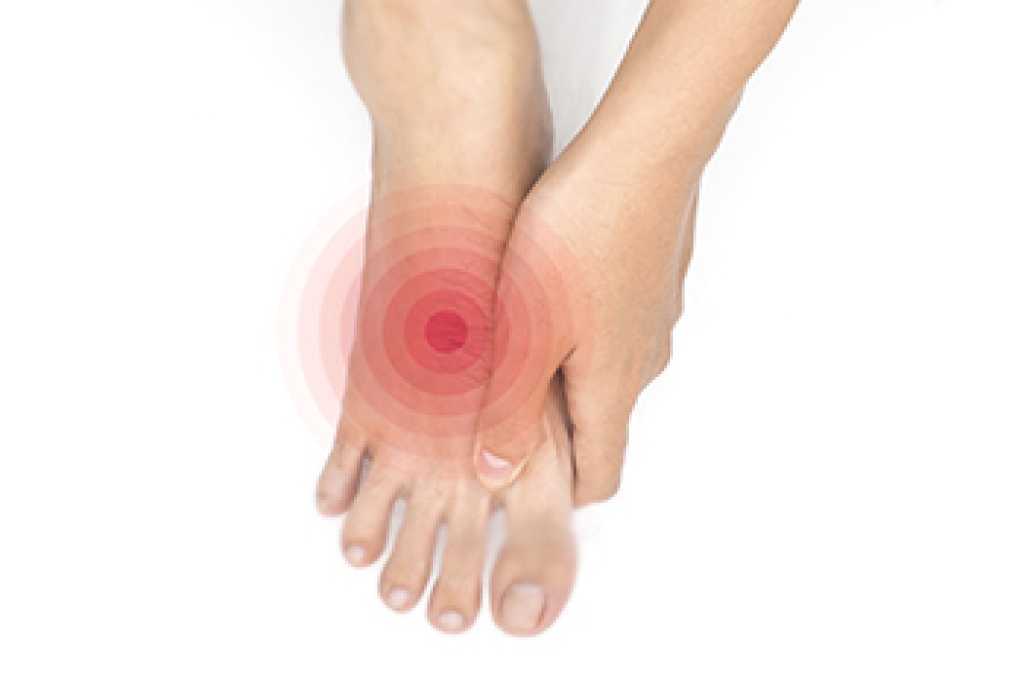
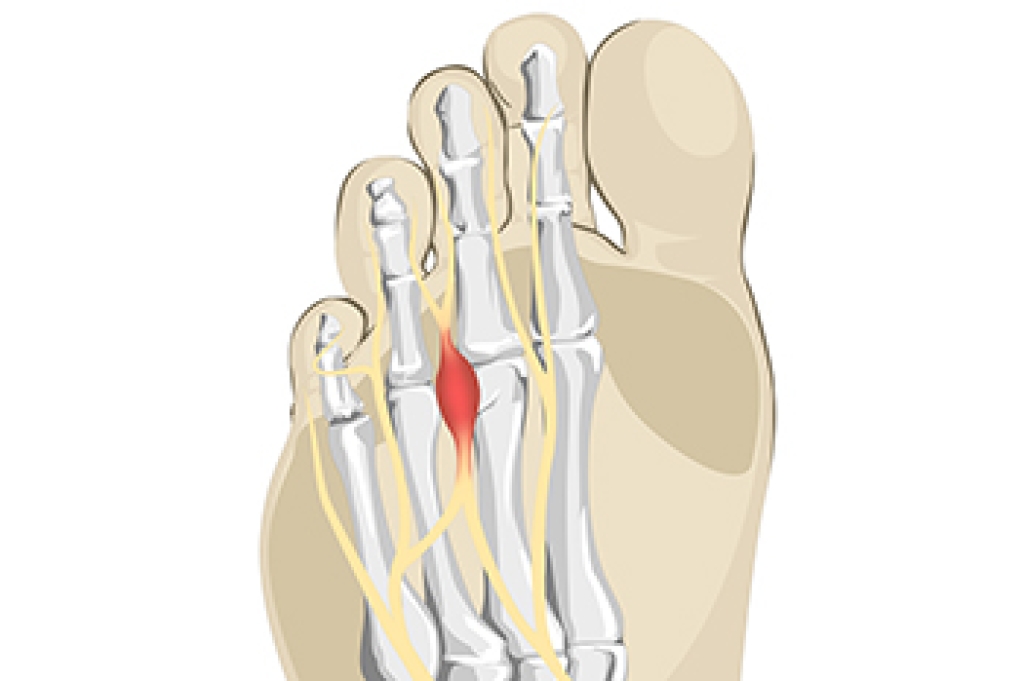
Morton’s neuroma is a thickening of the tissue that surrounds the digital nerve that leads to the toes. It is commonly experienced between the third and fourth toes and can feel as if there is a small pebble in your shoe. A Morton’s neuroma also may be termed an interdigital neuroma, interdigital neuritis, or a plantar neuron. The main symptom is sharp and burning pain in the ball of the foot, especially while walking or running. Some numbness or tingling may also be present. High-heeled shoes, which increase pressure on the ball of the foot, may make the situation worse. Tight or narrow shoes that squeeze the toes can also contribute to the discomfort. Treatments for Morton’s neuroma include changes in footwear, wearing inserts in the shoes, injections of corticosteroid medication, and shockwave therapy. In severe cases, surgery to remove part of the affected nerve or surrounding tissue may be considered. If you are experiencing pain that may be caused by Morton’s neuroma, it is suggested that you make an appointment with a podiatrist.

Morton’s neuroma is a very uncomfortable condition to live with. If you think you have Morton’s neuroma, contact Kevin Powers, DPM of The Center for Lower Extremity Nerve Surgery. Our doctor will attend to all of your foot care needs and answer any of your related questions.  

Morton’s Neuroma

Morton's neuroma is a painful foot condition that commonly affects the areas between the second and third or third and fourth toe, although other areas of the foot are also susceptible. Morton’s neuroma is caused by an inflamed nerve in the foot that is being squeezed and aggravated by surrounding bones.

What Increases the Chances of Having Morton’s Neuroma?

  • Ill-fitting high heels or shoes that add pressure to the toe or foot
  • Jogging, running or any sport that involves constant impact to the foot
  • Flat feet, bunions, and any other foot deformities

Morton’s neuroma is a very treatable condition. Orthotics and shoe inserts can often be used to alleviate the pain on the forefront of the feet. In more severe cases, corticosteroids can also be prescribed. In order to figure out the best treatment for your neuroma, it’s recommended to seek the care of a podiatrist who can diagnose your condition and provide different treatment options.

If you have any questions, please feel free to contact our offices located in Indianapolis and Bloomington, IN . We offer the newest diagnostic and treatment technologies for all your foot care needs.

Read more about Morton's Neuroma

Wounds That Don't Heal Need to Be Checked

Your feet are covered most of the day. If you're diabetic, periodic screening is important for good health. Numbness is often a sign of diabetic foot and can mask a sore or wound.

How the Feet Can Be Impacted by Obesity

Research indicates that approximately one-third of the American population is obese. The feet can be impacted when extra weight is placed on them, and various foot conditions can develop. Obesity can cause the misalignment of various areas in the body, and the feet can feel the brunt of this. It is said that one pound of weight can increase the pressure on the feet and ankles by as much as eight pounds. This can become uncomfortable as the weight increases and may worsen while walking up the steps. A common foot condition that can occur from being obese is overpronation. This is described as the foot rolling inward while walking, which can result from flattened arches. Stress on the joints in the feet may evolve into osteoarthritis caused by excessive wear and tear. The chances of losing weight are increased when a gentle exercise routine is frequently followed. If you have questions about any foot pain you may be experiencing with weight gain, it is suggested that you confer with a podiatrist who can guide you toward a healthier lifestyle.

The more you weigh, the harder your feet must work to support your body. If you’re an obese individual and are concerned about your feet, contact Kevin Powers, DPM from The Center for Lower Extremity Nerve Surgery. Our doctor can provide the care you need to keep you pain-free and on your feet.

Obesity and Your Feet

People who are overweight are putting more pressure on their ankles, knees, and hips as well as their feet. This unfortunately can lead to variety of different issues.

Problems & Complications Stemming from Obesity

  • When the body is overweight, it tries to compensate by changing the way that it moves. An obese person may lean forward and put extra weight on the wrong part of the foot. This puts unnecessary stress on the feet.
  • Obese people are also more likely to develop type II diabetes which is a condition that causes a lot of foot problems. People with diabetes often don’t feel the cuts and sores that they may have on their feet, which can lead to more complicated and severe issues.
  • Plantar fasciitis is another foot condition that can be caused by obesity. Plantar fasciitis is an inflammation of the tissue along the bottom of the foot, which causes pain and stiffness while walking and climbing stairs.

If you have any questions please contact our offices located in Indianapolis and Bloomington, IN . We offer the newest diagnostic and treatment technologies for all your foot and ankle needs.

Read more about How Obesity Affects Your Feet

Common Symptoms of Plantar Fasciitis

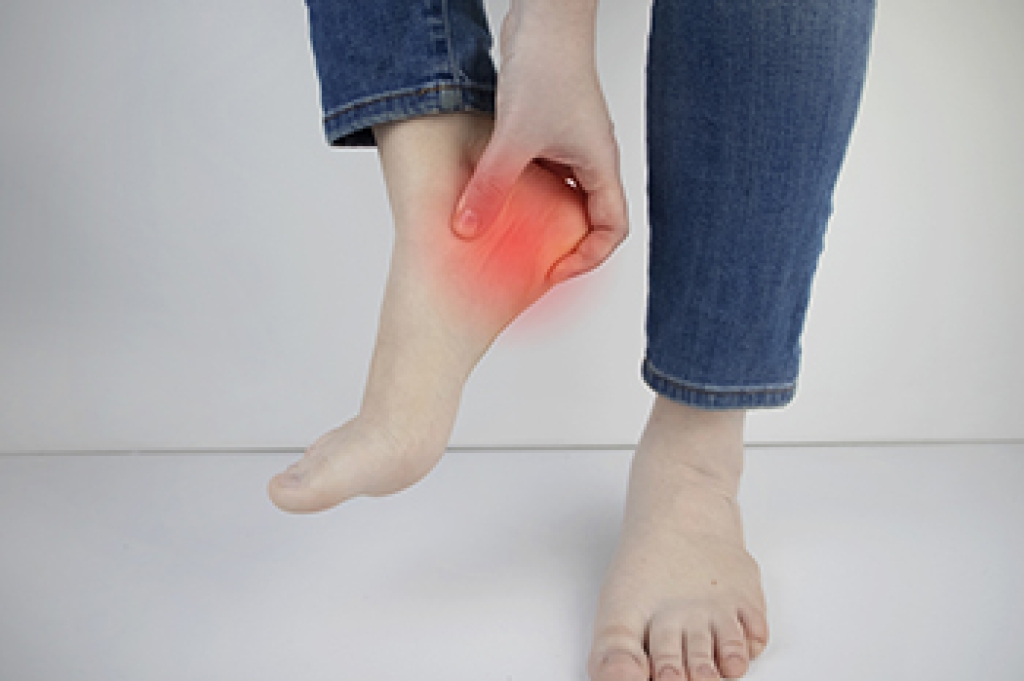
The plantar fascia is found on the sole of the foot and consists of tissues that are tightly packed under the skin. Plantar fasciitis is characterized by heel pain when these tissues become inflamed and irritated from various things. These can include standing on hard or uneven surfaces for most of the day, or wearing shoes that do not fit correctly. It may also happen from weight gain, or from repetitive motion while performing specific activities. Having poor circulation may also lead to developing plantar fasciitis, as a result of reduced blood flow to the plantar fascia. It is beneficial to wear shoes that have a cushioned heel, and this may help to prevent plantar fasciitis. There are also stretches that can be done which can strengthen the plantar fascia. These can include standing on a step while lowering one heel at a time until a gentle stretch is felt. If you have heel pain, it is strongly suggested that you are under the care of a podiatrist who can help you find treatment and relief remedies for plantar fasciitis.

Plantar fasciitis can be very painful and inconvenient. If you are experiencing heel pain or symptoms of plantar fasciitis, contact Kevin Powers, DPM  from The Center for Lower Extremity Nerve Surgery. Our doctor can provide the care you need to keep you pain-free and on your feet.

What Is Plantar Fasciitis?

Plantar fasciitis is the inflammation of the thick band of tissue that runs along the bottom of your foot, known as the plantar fascia, and causes mild to severe heel pain.

What Causes Plantar Fasciitis?

  • Excessive running
  • Non-supportive shoes
  • Overpronation
  • Repeated stretching and tearing of the plantar fascia

How Can It Be Treated?

  • Conservative measures – anti-inflammatories, ice packs, stretching exercises, physical therapy, orthotic devices
  • Shockwave therapy – sound waves are sent to the affected area to facilitate healing and are usually used for chronic cases of plantar fasciitis
  • Surgery – usually only used as a last resort when all else fails. The plantar fascia can be surgically detached from the heel

While very treatable, plantar fasciitis is definitely not something that should be ignored. Especially in severe cases, speaking to your doctor right away is highly recommended to avoid complications and severe heel pain. Your podiatrist can work with you to provide the appropriate treatment options tailored to your condition.

If you have any questions, please feel free to contact our offices located in Indianapolis and Bloomington, IN . We offer the newest diagnostic and treatment technologies for all your foot care needs.

Read more about Plantar Fasciitis

Education for Podiatrists

Podiatry is a field of medicine that specializes in the disorders and treatment of the feet and ankles. There are several painful conditions that can affect the feet, including plantar fasciitis, heel spurs, and ingrown toenails. There are various branches of podiatry that can range from performing foot surgery to working in a hospital or clinic setting. Interested candidates pursuing podiatry will go through an extensive education process. This can begin with obtaining a bachelor's degree, followed by completing a four-year program in a podiatric medical school. At this time, the student will earn a DPM, which is the abbreviation for a Doctor of Podiatric Medicine degree. A residency program begins after the DPM is obtained, and lasts for three years. This will give the student an opportunity to work in podiatry, in addition to learning pertinent information about medicine. If you think you may want to pursue a career in podiatry, it is suggested that you meet with this type of doctor who can answer any questions you may have.

If you are dealing with pain in your feet and ankles, you may want to seek help from a podiatrist. Feel free to contact Kevin Powers, DPM from The Center for Lower Extremity Nerve Surgery. Our doctor can provide the care you need to keep you pain-free and on your feet.

What Is a Podiatrist?

A podiatrist is a doctor of podiatric medicine who diagnoses and treats conditions of the foot, ankle, and related structures of the leg. Your podiatrist may specialize in a certain field such as sports medicine, wound care, pediatrics, and diabetic care. Podiatrists have the ability to become board certified through training, clinical experience, and then taking an exam.

What Do Podiatrists Do?

On a daily basis, a podiatrist may perform the following activities:

  • Diagnose foot ailments such as ulcers, tumors, fractures, etc.
  • Use innovative methods to treat conditions
  • Use corrective orthotics, casts, and strappings to correct deformities
  • Correct walking patterns and balance
  • Provide individual consultations to patients

It is very important that you take care of your feet. It’s easy to take having healthy feet for granted, however foot problems tend to be among the most common health conditions. Podiatrists can help diagnose and treat a variety of feet related conditions, so it is crucial that you visit one if you need assistance.

If you have any questions, please feel free to contact our offices located in Indianapolis and Bloomington, IN . We offer the newest diagnostic and treatment technologies for all your foot care needs.

Read more about What is a Podiatrist?

Benefits of Shoe Inserts for Plantar Fasciitis

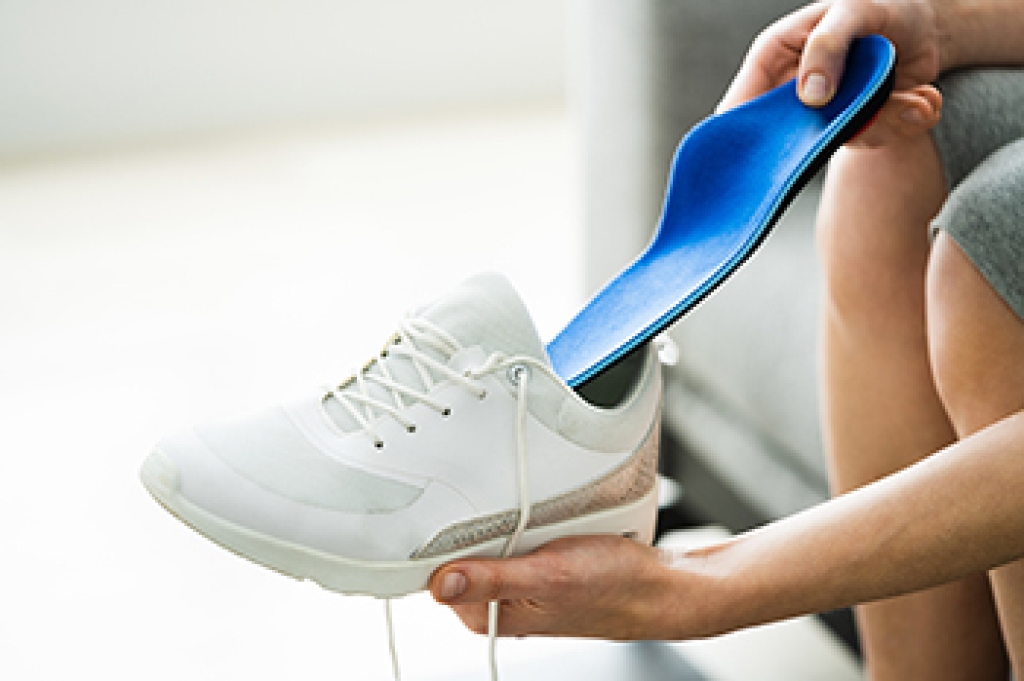
Anyone with plantar fasciitis knows how much pain it can cause, and one of the ways to ease that pain is by using shoe inserts, or orthotics. The plantar fascia is a band of tissue that runs along the sole of the foot. When this tissue is torn from overuse, it becomes inflamed and a stabbing pain is mostly felt in the heel and arch. One of the major causes of plantar fasciitis is improper footwear. It is especially common in runners and women who frequently wear high heels. Shoes should have the proper arch support as well as ample cushioning to absorb shock. Special orthotics may be helpful in this regard, particularly in people with flat feet, high arches, or other biomechanical foot conditions. In these cases, ready-made shoe inserts may not be able to solve the problem. Custom orthotics made by a podiatrist can be exceedingly helpful because they are constructed to fit the contours of your feet perfectly and correct the problem areas. For more information, it is suggested that you make an appointment with a podiatrist for an exam.

If you are having discomfort in your feet and would like to try orthotics, contact Kevin Powers, DPM from The Center for Lower Extremity Nerve Surgery. Our doctor can provide the care you need to keep you pain-free and on your feet.

What Are Orthotics?

Orthotics are inserts you can place into your shoes to help with a variety of foot problems such as flat feet or foot pain. Orthotics provide relief and comfort for minor foot and heel pain but can’t correct serious biomechanical problems in your feet.

Over-the-Counter Inserts

Orthotics come in a wide variety of over-the-counter inserts that are used to treat foot pain, heel pain, and minor problems. For example, arch supports can be inserted into your shoes to help correct overarched or flat feet, while gel insoles are often used because they provide comfort and relief from foot and heel pain by alleviating pressure.

Prescription Orthotics

If over-the-counter inserts don’t work for you or if you have a more severe foot concern, it is possible to have your podiatrist prescribe custom orthotics. These high-quality inserts are designed to treat problems such as abnormal motion, plantar fasciitis, and severe forms of heel pain. They can even be used to help patients suffering from diabetes by treating foot ulcers and painful calluses and are usually molded to your feet individually, which allows them to provide full support and comfort.

If you are experiencing minor to severe foot or heel pain, it’s recommended to speak with your podiatrist about the possibilities of using orthotics. A podiatrist can determine which type of orthotic is right for you and allow you to take the first steps towards being pain-free.

If you have any questions, please feel free to contact our offices located in Indianapolis and Bloomington, IN . We offer the newest diagnostic and treatment technologies for all your foot care needs.

Read more about Foot Orthotics

Diabetes and Podiatry

Diabetes can affect the feet, and complications may ensue. Practicing a daily diabetic foot care routine is crucial in protecting the feet from this serious disease, and there are simple methods that can accomplish this. These can include washing and drying the feet daily, followed by inspecting the soles. Many people use a mirror to do this, or possibly have a family member or caregiver help them, if available. The skin can be kept smooth by using a good moisturizer, and it is important to refrain from applying it between the toes. It may be helpful to wear socks that have extra cushioning and do not have elastic tops. These types of socks are designed for diabetic patients and are also made from materials that can absorb moisture. Nerve damage, or neuropathy can often accompany diabetes, which is the inability to feel existing cuts or scrapes that are on the bottom of the feet. It is advised against walking barefoot at any time, which may help to protect the feet from incurring wounds. If you have diabetes, it is strongly suggested that you are under the care of a podiatrist who can help to manage this condition.

Diabetic foot care is important in preventing foot ailments such as ulcers. If you are suffering from diabetes or have any other concerns about your feet, contact Kevin Powers, DPM from The Center for Lower Extremity Nerve Surgery. Our doctor can provide the care you need to keep you pain-free and on your feet.

Diabetic Foot Care

Diabetes affects millions of people every year. The condition can damage blood vessels in many parts of the body, especially the feet. Because of this, taking care of your feet is essential if you have diabetes, and having a podiatrist help monitor your foot health is highly recommended.

The Importance of Caring for Your Feet

  • Routinely inspect your feet for bruises or sores.
  • Wear socks that fit your feet comfortably.
  • Wear comfortable shoes that provide adequate support.

Patients with diabetes should have their doctor monitor their blood levels, as blood sugar levels play such a huge role in diabetic care. Monitoring these levels on a regular basis is highly advised.

It is always best to inform your healthcare professional of any concerns you may have regarding your feet, especially for diabetic patients. Early treatment and routine foot examinations are keys to maintaining proper health, especially because severe complications can arise if proper treatment is not applied.

If you have any questions, please feel free to contact our offices located in Indianapolis and Bloomington, IN . We offer the newest diagnostic and treatment technologies for all your foot care needs.

Read more about Diabetic Foot Conditions

Why Live with Pain and Numbness in Your Feet?

Suffering from this type of pain? You may have the foot condition known as Morton's neuroma. Morton's neuroma may develop as a result of ill-fitting footwear and existing foot deformities. We can help.

Foot Pain From Treadmill Running

When running on a treadmill, the feet may begin to ache. The first thing to do is to check your form and relax your body from head to toe with the goal of removing any tension. Next, it is important to make sure you are running at your fitness level and have the core muscle strength to sustain the intensity of the workout. If this is the issue, it is suggested that you reduce volume and speed to be more in line with your current abilities and build up from there. The incline of the treadmill may lead to foot pain, particularly when combined with speed and intensity.  Treadmill speed, breath, and heart rate can give you good clues as to whether you are overextending yourself. Your breathing should not be labored. Notice if your foot pain corresponds to the incline of the treadmill and adjust. Of course, foot pain while running on the treadmill may be related to the shoes you are wearing, which may not fit well or be appropriate for this activity. If your foot pain continues or worsens, and if it is also present when you are not running on the treadmill, it is suggested that you visit a podiatrist for an evaluation and recommendations to prevent and treat your discomfort.

Ankle and foot injuries are common among athletes and in many sports. They can be caused by several problems and may be potentially serious. If you are feeling pain or think you were injured in a sporting event or when exercising, consult with Kevin Powers, DPM from The Center for Lower Extremity Nerve Surgery. Our doctor will assess your condition and provide you with quality foot and ankle treatment.

Common Injuries

The most common injuries that occur in sporting activities include:

  • Achilles Tendonitis
  • Achilles Tendon Rupture
  • Ankle Sprains
  • Broken Foot
  • Plantar Fasciitis
  • Stress Fractures
  • Turf Toe

Symptoms

Symptoms vary depending upon the injury and in some cases, there may be no symptoms at all. However, in most cases, some form of symptom is experienced. Pain, aching, burning, bruising, tenderness, tightness or stiffness, sensation loss, difficulty moving, and swelling are the most common symptoms.

Treatment

Just as symptoms vary depending upon the injury, so do treatment options. A common treatment method is known as the RICE method. This method involves rest, applying ice, compression and elevating the afflicted foot or ankle. If the injury appears to be more serious, surgery might be required, such as arthroscopic or reconstructive surgery. Lastly, rehabilitation or therapy might be needed to gain full functionality in the afflicted area. Any discomfort experienced by an athlete must be evaluated by a licensed, reputable medical professional.  

If you have any questions please contact our offices located in Indianapolis and Bloomington, IN . We offer the newest diagnostic and treatment technologies for all your foot and ankle needs.

Read more about Sports Related Foot And Ankle Injuries

Connect With Us