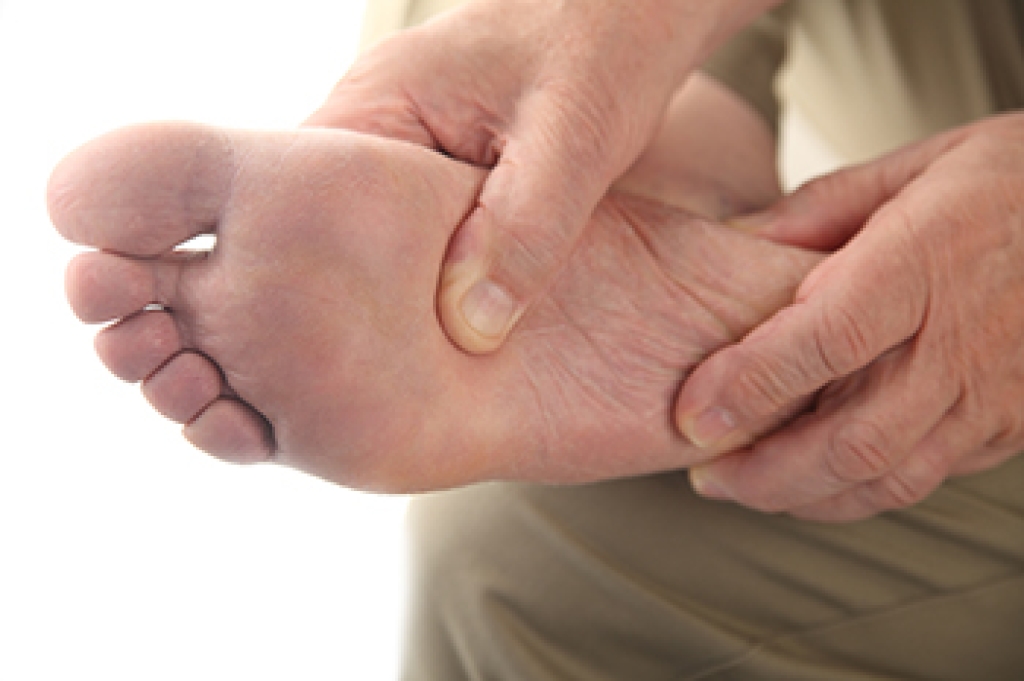
Essential Diabetic Foot Care Tips

For individuals living with diabetes, foot care is an important aspect of managing their overall health. Diabetes can lead to nerve damage and reduced blood flow to the extremities, making the feet particularly vulnerable to injuries and complications. To ensure optimal foot health, regular monitoring is key. This can begin with inspecting your feet daily for signs of blisters, cuts, redness, or swelling. Wash the feet with mild soap, gently pat them dry, and pay attention to the spaces between the toes. Having properly trimmed nails, avoiding walking barefoot, and wearing well-fitting, comfortable shoes are also essential. If you have diabetes, it is strongly suggested that you are under the care of a podiatrist who can perform thorough routine inspections, helping you to manage this condition.

Diabetic foot care is important in preventing foot ailments such as ulcers. If you are suffering from diabetes or have any other concerns about your feet, contact Kevin Powers, DPM from The Center for Lower Extremity Nerve Surgery. Our doctor can provide the care you need to keep you pain-free and on your feet.

Diabetic Foot Care

Diabetes affects millions of people every year. The condition can damage blood vessels in many parts of the body, especially the feet. Because of this, taking care of your feet is essential if you have diabetes, and having a podiatrist help monitor your foot health is highly recommended.

The Importance of Caring for Your Feet

  • Routinely inspect your feet for bruises or sores.
  • Wear socks that fit your feet comfortably.
  • Wear comfortable shoes that provide adequate support.

Patients with diabetes should have their doctor monitor their blood levels, as blood sugar levels play such a huge role in diabetic care. Monitoring these levels on a regular basis is highly advised.

It is always best to inform your healthcare professional of any concerns you may have regarding your feet, especially for diabetic patients. Early treatment and routine foot examinations are keys to maintaining proper health, especially because severe complications can arise if proper treatment is not applied.

If you have any questions, please feel free to contact our offices located in Indianapolis and Bloomington, IN . We offer the newest diagnostic and treatment technologies for all your foot care needs.


Read more about Diabetic Foot Care

Why Flip-Flops Can Pose Dangers to Your Feet

Flip-flops are a beloved summer staple for their casual comfort and easy style, but they also bring hidden dangers to your feet. One of the primary risks is a lack of arch support. These flat sandals offer minimal to no arch support, which can lead to problems such as arch pain and plantar fasciitis. Additionally, the constant gripping motion required to keep flip-flops on can strain the tendons in your feet and result in discomfort. Flip-flops can also leave your feet exposed to injury. Without adequate protection, you may be vulnerable to stubbed toes, cuts, and scrapes from sharp objects or tripping on uneven terrain. The open design can also expose your feet to sunburn, which can be painful and damaging. Furthermore, the lack of ankle support can increase the risk of sprains and other injuries, especially if you are walking on uneven surfaces or participating in physical activities. While wearing flip-flops may be suitable for quick trips to the beach or pool, it is essential to prioritize proper footwear for extended walks or activities that require support and protection for your feet. It is suggested that you speak with a podiatrist who can provide you with useful information about the potential dangers of frequently wearing flip-flops.

Flip-flops are not always the best choice of footwear. If you have any concerns about your feet or ankles, contact Kevin Powers, DPM from The Center for Lower Extremity Nerve Surgery. Our doctor will assist you with all of your foot and ankle needs.

Flip-Flops and Feet

When the weather starts warming up, people enjoy wearing flip-flops.  Flip-flops are comfortable, stylish, and easy to slip on and off; they're perfect for any summer beach goer.  However, these shoes can cause harm to the feet.

How Can Flip-Flops Affect Me Long-Term?

  • Ankle problems
  • Hip problems
  • Lower back problems
  • Pain in the balls of the feet
  • Problems with foot arches
  • Changes in the way you walk

Are There Injuries Associated with Flip-Flops?

Yes.  Since flip-flops are relatively weak and do not provide the same amount of support as sneakers, people who wear flip-flops regularly are more susceptible to injuries. On top of that, the open nature of the shoe makes your feet more prone to other problems, such as cuts and even infections.  Common injuries and ailments include:

  • Sprained ankles
  • Blisters
  • Infections
  • Cuts and Scrapes

I like Wearing Flip-Flops. Are There Safe Alternatives?

When buying flip-flops, try to find ones that have sturdy soles and that are made of high-quality materials that will support for your feet.  These flip-flops will cost more but will also last longer as a result.

If you have any questions, please feel free to contact our offices located in Indianapolis and Bloomington, IN . We offer the newest diagnostic and treatment technologies for all your foot care needs.
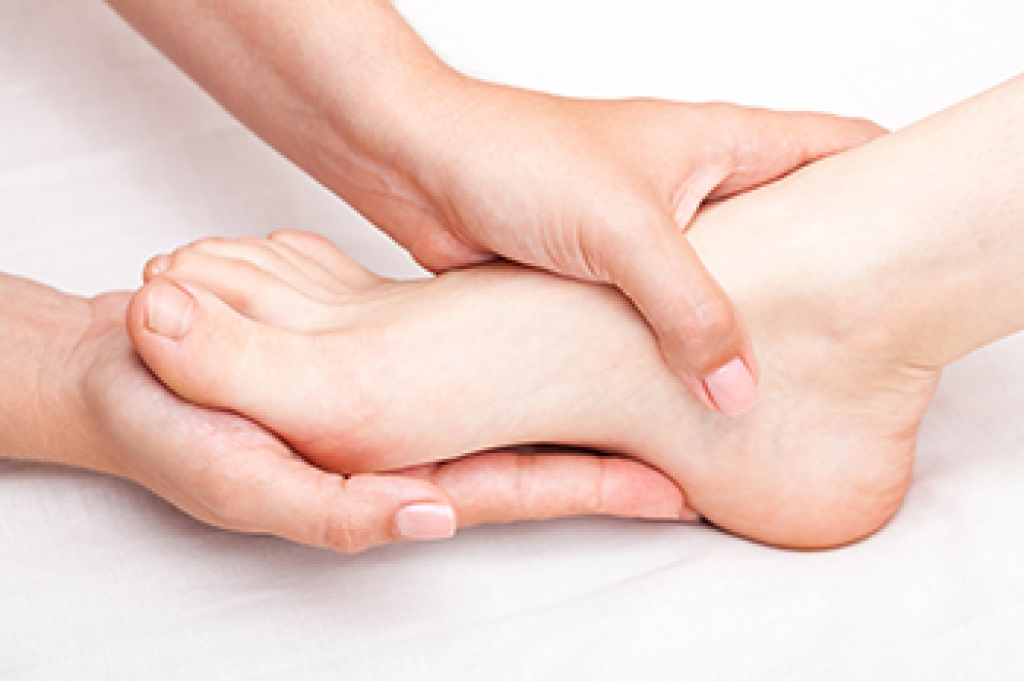
Read more about Flipping Out About Flip Flops

Keep Your Feet Healthy So You Can Stay Active

Have your feet inspected by a professional before starting a new sport or physical activity. Taking charge of your foot health will keep you in good physical condition and can help you avoid a potential injury, such as a fracture or sprained ankle.

Prevent injuries and see a foot specialist.

Understanding the Causes of Tarsal Tunnel Syndrome

Tarsal tunnel syndrome, abbreviated TTS, is a relatively lesser-known but impactful condition affecting the feet. It is comparable to the more recognized carpal tunnel syndrome but occurs in the ankle. TTS is characterized by compression or irritation of the tibial nerve as it passes through the tarsal tunnel, a narrow space on the inside of the ankle, behind the medial malleolus. Various factors can contribute to TTS, with the most common cause being excessive pressure on the nerve due to inflammation or injury. Additional potential causes include overpronation, diabetes, and systemic diseases such as arthritis. Symptoms often include tingling, burning sensations, and pain along the inner ankle and sole that can radiate into the toes. Treatment options for tarsal tunnel syndrome depend on its severity. Conservative approaches include getting adequate rest, taking anti-inflammatory medications, or wearing orthotic devices. These treatments can help to alleviate pressure on the nerve. In severe cases, surgical intervention may be necessary to decompress the tibial nerve. Early diagnosis and appropriate management are essential to relieving the discomfort associated with tarsal tunnel syndrome and restoring normal foot function. If you have this condition, it is strongly suggested that you are under the care of a podiatrist who can effectively manage tarsal tunnel syndrome.

Tarsal tunnel syndrome can be very uncomfortable to live with. If you are experiencing tarsal tunnel syndrome, contact Kevin Powers, DPM of The Center for Lower Extremity Nerve Surgery. Our doctor can provide the care you need to keep you pain-free and on your feet.

Tarsal Tunnel Syndrome

Tarsal tunnel syndrome, which can also be called tibial nerve dysfunction, is an uncommon condition of misfiring peripheral nerves in the foot. The tibial nerve is the peripheral nerve in the leg responsible for sensation and movement of the foot and calf muscles. In tarsal tunnel syndrome, the tibial nerve is damaged, causing problems with movement and feeling in the foot of the affected leg.

Common Cause of Tarsal Tunnel Syndrome

  • Involves pressure or an injury, direct pressure on the tibial nerve for an extended period of time, sometimes caused by other body structures close by or near the knee.
  • Diseases that damage nerves, including diabetes, may cause tarsal tunnel syndrome.
  • At times, tarsal tunnel syndrome can appear without an obvious cause in some cases.

The Effects of Tarsal Tunnel Syndrome

  • Different sensations, an afflicted person may experience pain, tingling, burning or other unusual sensations in the foot of the affected leg.
  • The foot muscles, toes and ankle become weaker, and curling your toes or flexing your foot can become difficult.
  • If condition worsens, infections and ulcers may develop on the foot that is experiencing the syndrome.

A physical exam of the leg can help identify the presence of tarsal tunnel syndrome. Medical tests, such as a nerve biopsy, are also used to diagnose the condition. Patients may receive physical therapy and prescriptive medication. In extreme cases, some may require surgery.

If you have any questions please contact our offices located in Indianapolis and Bloomington, IN . We offer the newest diagnostic and treatment technologies for all your foot and ankle needs.

Read more about Treating Tarsal Tunnel Syndrome

Addressing Congenital Foot Disorders

Newborns come into the world with a sense of wonder and curiosity, but some may also have foot deformities that require attention and care. One common condition is congenital talipes equinovarus, commonly known as clubfoot. This causes the baby's foot to twist inward. This congenital foot condition can be detected through having a prenatal ultrasound performed. Metatarsus adductus is another deformity where the baby's foot curves inward, often due to positioning in the womb, but it usually resolves naturally. In-toeing and out-toeing, where the feet point inward or outward, are relatively common problems that often correct themselves as a child grows. Early detection and intervention are essential in addressing these conditions. Performing gentle stretching exercises, casts, and sometimes surgery can help correct deformities like clubfoot. It is beneficial for parents and podiatrists to work together to ensure the best possible outcome. If your child has been born with a congenital foot condition, it is strongly suggested that you have this type of doctor as part of your child's healthcare team. 

Congenital foot problems require immediate attention to avoid future complications. If you have any concerns, contact Kevin Powers, DPM of The Center for Lower Extremity Nerve Surgery. Our doctor can provide the care you need to keep you pain-free and on your feet.

Congenital foot problems are deformities affecting the feet, toes, and/or ankles that children are born with. Some of these conditions have a genetic cause while others just happen. Some specific foot ailments that children may be born with include clubfeet, polydactyly/macrodactyly, and cleft foot. There are several other foot anomalies that can occur congenitally. What all of these conditions have in common is that a child may experience difficulty walking or performing everyday activities, as well as trouble finding footwear that fits their foot deformity. Some of these conditions are more serious than others. Consulting with a podiatrist as early as possible will help in properly diagnosing a child’s foot condition while getting the necessary treatment underway.

What are Causes of Congenital Foot Problem?

A congenital foot problem is one that happens to a child at birth. These conditions can be caused by a genetic predisposition, developmental or positional abnormalities during gestation, or with no known cause.

What are Symptoms of Congenital Foot Problems?

Symptoms vary by the congenital condition. Symptoms may consist of the following:

  • Clubfoot, where tendons are shortened, bones are shaped differently, and the Achilles tendon is tight, causing the foot to point in and down. It is also possible for the soles of the feet to face each other.
  • Polydactyly, which usually consists of a nubbin or small lump of tissue without a bone, a toe that is partially formed but has no joints, or an extra toe.
  • Vertical talus, where the talus bone forms in the wrong position causing other bones in the foot to line up improperly, the front of the foot to point up, and the bottom of the foot to stiffen, with no arch, and to curve out.
  • Tarsal coalition, when there is an abnormal connection of two or more bones in the foot leading to severe, rigid flatfoot.
  • Cleft foot, where there are missing toes, a V-shaped cleft, and other anatomical differences.
  • Macrodactyly, when the toes are abnormally large due to overgrowth of the underlying bone or soft tissue.

Treatment and Prevention

While there is nothing one can do to prevent congenital foot problems, raising awareness and receiving neonatal screenings are important. Early detection by taking your child to a podiatrist leads to the best outcome possible.

If you have any questions, please feel free to contact our offices located in Indianapolis and Bloomington, IN . We offer the newest diagnostic and treatment technologies for all your foot care needs.

Read more about Congenital Foot Problems

What are the Causes and Treatments for Plantar Fasciitis?

Plantar fasciitis, a prevalent foot condition, can cast a shadow on even the most active lifestyles. It occurs when the plantar fascia, which is defined as the ligament connecting the heel bone to the toes, becomes inflamed or strained. There are various reasons for plantar fasciitis, often stemming from repetitive stress, poor footwear choices, obesity, or abnormal foot structures, such as flat feet. Symptoms encompass sharp heel pain, especially during the first steps in the morning or after periods of inactivity. As painful as this condition can be, there are various options that can be implemented. Treatment methods can range from rest, and taking over-the-counter pain medications to targeted exercises that stretch and strengthen the plantar fascia. In more severe cases, podiatrists may recommend custom orthotics or corticosteroid injections. With proper care and attention, managing plantar fasciitis can help individuals step back into a life unhindered by foot discomfort. If you have developed plantar fasciitis, it is strongly suggested that you are under the care of a podiatrist who can determine what the best course of treatment is for you.

Plantar fasciitis is a common foot condition that is often caused by a strain injury. If you are experiencing heel pain or symptoms of plantar fasciitis, contact Kevin Powers, DPM from The Center for Lower Extremity Nerve Surgery. Our doctor can provide the care you need to keep you pain-free and on your feet.

What Is Plantar Fasciitis?

Plantar fasciitis is one of the most common causes of heel pain. The plantar fascia is a ligament that connects your heel to the front of your foot. When this ligament becomes inflamed, plantar fasciitis is the result. If you have plantar fasciitis you will have a stabbing pain that usually occurs with your first steps in the morning. As the day progresses and you walk around more, this pain will start to disappear, but it will return after long periods of standing or sitting.

What Causes Plantar Fasciitis?

  • Excessive running
  • Having high arches in your feet
  • Other foot issues such as flat feet
  • Pregnancy (due to the sudden weight gain)
  • Being on your feet very often

There are some risk factors that may make you more likely to develop plantar fasciitis compared to others. The condition most commonly affects adults between the ages of 40 and 60. It also tends to affect people who are obese because the extra pounds result in extra stress being placed on the plantar fascia.

Prevention

  • Take good care of your feet – Wear shoes that have good arch support and heel cushioning.
  • Maintain a healthy weight
  • If you are a runner, alternate running with other sports that won’t cause heel pain

There are a variety of treatment options available for plantar fasciitis along with the pain that accompanies it. Additionally, physical therapy is a very important component in the treatment process. It is important that you meet with your podiatrist to determine which treatment option is best for you.

If you have any questions, please feel free to contact our offices located in Indianapolis and Bloomington, IN . We offer the newest diagnostic and treatment technologies for all your foot care needs.
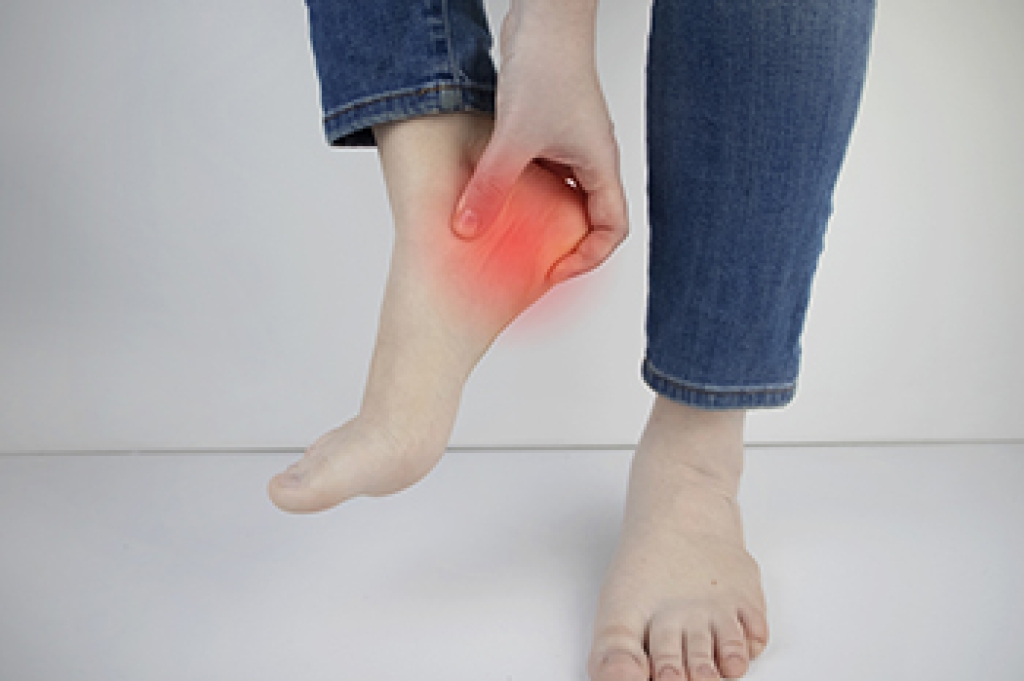
 

Read more about Plantar Fasciitis

What Is a Podiatrist's Job Description?

Podiatrists are medical professionals who play a vital role in foot and ankle health. Their primary focus is diagnosing, treating, and preventing various conditions related to the foot and ankle. From routine checkups to complex surgeries, a podiatrist’s responsibilities encompass a variety of tasks. Podiatrists assess patients' foot and ankle health, conduct thorough examinations, and utilize diagnostic tools to identify issues. They provide personalized treatment plans, including medication, physical therapy, orthotics, and surgical interventions when necessary. As experts in their field, podiatrists are dedicated to ensuring optimal foot health and aiding patients in maintaining mobility, comfort, and overall well-being. If you are interested in pursuing the field of podiatry as a profession, it is suggested that you speak with this type of doctor who can help you make an informed decision about this career choice. 

If you are experiencing pain in the feet or ankles, don’t join the stubborn majority refusing treatment. Feel free to contact Kevin Powers, DPM from The Center for Lower Extremity Nerve Surgery. Our doctor can provide the care you need to keep you pain-free and on your feet.

What Is a Podiatrist?

Someone would seek the care of a podiatrist if they have suffered a foot injury or have common foot ailments such as heal spurs, bunions, arch problems, deformities, ingrown toenails, corns, foot and ankle problems, etc.

Podiatric Treatment

A podiatrist will treat the problematic areas of the feet, ankle or lower leg by prescribing the following:

  • Physical therapy
  • Drugs
  • Orthotic inserts or soles
  • Surgery on lower extremity fractures

A common podiatric procedure a podiatrist will use is a scanner or force plate which will allow the podiatrist to know the designs of orthotics. Patients are then told to follow a series of tasks to complete the treatment. The computer will scan the foot a see which areas show weight distribution and pressure points. The podiatrist will read the analysis and then determine which treatment plans are available.

If you have any questions, please feel free to contact our offices located in Indianapolis and Bloomington, IN . We offer the newest diagnostic and treatment technologies for all your foot care needs.

Read more about What is a Podiatrist?

Heel Pain Can Be Treated!

Do you suffer from heel pain when you get up in the morning? If so, you should seek professional help and have a proper diagnosis performed. Heel pain can be caused by several different foot-related conditions.

Benefits of Orthotics for Cycling

Cycling offers numerous health benefits, including cardiovascular improvement, enhanced joint mobility, and strengthened leg muscles. However, cycling without the proper footwear also can strain your lower limbs. While regular running shoes are suitable for occasional cyclists, dedicated cyclists who spend hours daily on the road or in the gym require specialized cycling shoes. Orthotics can play a pivotal role in boosting cycling performance as they can help to increase pedal efficiency, enhance power output, and improve foot stability. They also can help to reduce foot fatigue, improve arch support, provide better metatarsal padding, and offer relief from plantar fascial tension. Custom-made shoe insoles are an important consideration for cycling enthusiasts with flat feet, supination, pronation issues, or specific conditions like plantar fasciitis. A podiatrist can make a set of orthotics designed to fit your unique foot structure, using custom molds that mirror the exact shape of the foot. For help with custom shoe inserts made specifically for cycling shoes, it is suggested that you make an appointment with a podiatrist.

If you are having discomfort in your feet and would like to try orthotics, contact Kevin Powers, DPM from The Center for Lower Extremity Nerve Surgery. Our doctor can provide the care you need to keep you pain-free and on your feet.

What Are Orthotics?

Orthotics are inserts you can place into your shoes to help with a variety of foot problems such as flat feet or foot pain. Orthotics provide relief and comfort for minor foot and heel pain but can’t correct serious biomechanical problems in your feet.

Over-the-Counter Inserts

Orthotics come in a wide variety of over-the-counter inserts that are used to treat foot pain, heel pain, and minor problems. For example, arch supports can be inserted into your shoes to help correct overarched or flat feet, while gel insoles are often used because they provide comfort and relief from foot and heel pain by alleviating pressure.

Prescription Orthotics

If over-the-counter inserts don’t work for you or if you have a more severe foot concern, it is possible to have your podiatrist prescribe custom orthotics. These high-quality inserts are designed to treat problems such as abnormal motion, plantar fasciitis, and severe forms of heel pain. They can even be used to help patients suffering from diabetes by treating foot ulcers and painful calluses and are usually molded to your feet individually, which allows them to provide full support and comfort.

If you are experiencing minor to severe foot or heel pain, it’s recommended to speak with your podiatrist about the possibilities of using orthotics. A podiatrist can determine which type of orthotic is right for you and allow you to take the first steps towards being pain-free.

If you have any questions, please feel free to contact our offices located in Indianapolis and Bloomington, IN . We offer the newest diagnostic and treatment technologies for all your foot care needs.

Read more about Ankle Foot Orthotics for Athletes

Causes and Treatment of Heel Pain

Heel pain can be a frustrating and debilitating condition that affects individuals of all ages and activity levels. There are several potential causes of heel pain, with plantar fasciitis being the most common culprit. This condition arises due to inflammation of the plantar fascia, a thick band of tissue that supports the arch of the foot. Other causes of heel pain may include Achilles tendinitis, heel spurs, bursitis, or stress fractures. Effective treatment for heel pain depends on the underlying cause. Getting adequate rest and taking over-the-counter pain medications may offer temporary relief. However, addressing the root cause is crucial for long-term improvement. Performing stretching exercises, wearing orthotic inserts and supportive footwear are often recommended to alleviate symptoms and promote healing. Seeking professional medical advice is essential to accurately diagnose the cause of heel pain, which can determine what the most appropriate treatment plan is for a swift recovery. If you have heel pain, it is strongly suggested that you are under the care of a podiatrist who can help you manage this condition.

Many people suffer from bouts of heel pain. For more information, contact Kevin Powers, DPM of The Center for Lower Extremity Nerve Surgery. Our doctor can provide the care you need to keep you pain-free and on your feet.

Causes of Heel Pain

Heel pain is often associated with plantar fasciitis. The plantar fascia is a band of tissues that extends along the bottom of the foot. A rip or tear in this ligament can cause inflammation of the tissue.

Achilles tendonitis is another cause of heel pain. Inflammation of the Achilles tendon will cause pain from fractures and muscle tearing. Lack of flexibility is also another symptom.

Heel spurs are another cause of pain. When the tissues of the plantar fascia undergo a great deal of stress, it can lead to ligament separation from the heel bone, causing heel spurs.

Why Might Heel Pain Occur?

  • Wearing ill-fitting shoes                
  • Wearing non-supportive shoes
  • Weight change           
  • Excessive running

Treatments

Heel pain should be treated as soon as possible for immediate results. Keeping your feet in a stress-free environment will help. If you suffer from Achilles tendonitis or plantar fasciitis, applying ice will reduce the swelling. Stretching before an exercise like running will help the muscles. Using all these tips will help make heel pain a condition of the past.

If you have any questions, please feel free to contact our offices located in Indianapolis and Bloomington, IN . We offer the newest diagnostic and treatment technologies for all your foot care needs.

Read more about Heel Pain

Connect With Us