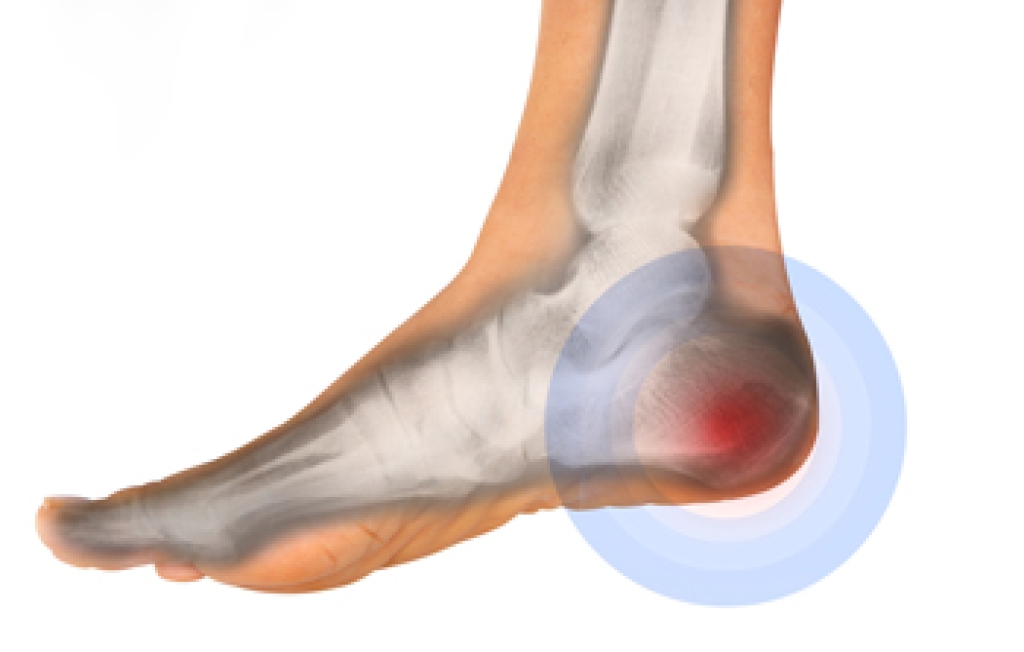
Turf Toe Pain

Although the toes are relatively small parts of the body, they are nevertheless important. Therefore, toe pain is nothing to take lightly. Toe pain has a wide variety of different sources and causes. One of these causes is a condition known as turf toe. Turf toe is essentially a spraining of the big toe joint, and it can occur in an individual after the big toe joint is excessively bent upwards. Football players are particularly prone to developing this foot condition. Typically, an individual can develop turf toe after injuring the big toe joint while playing on artificial turf. This turf can be a hard surface for athletes to land on after jumping or running. When an individual suffers from turf toe, they might notice a wide range of symptoms. Commonly, the patient will experience pain in the big toe and significantly restricted big toe joint agility. If you suspect that you might have turf toe, it could be wise to contact a podiatrist who can help you obtain a proper diagnosis. A condition like turf toe is typically diagnosed through a full examination of the affected foot and an X-ray. Treatment for turf toe could be different depending on the specific case. However, ice, compression, and elevation of the foot are common treatment techniques. Contact a podiatrist if you believe that you have turf toe.

Toe pain can disrupt your daily activities. If you have any concerns, contact Kevin Powers, DPM of The Center for Lower Extremity Nerve Surgery. Our doctor can provide the care you need to keep you pain-free and on your feet.

What Causes Toe Pain?

Most severe toe pain is caused due to a sports injury, trauma from dropping something heavy on the toe, or bumping into something rigid. Other problems can develop over time for various reasons.

Toe pain can be caused by one or more ailments. The most common include:

  • Trauma
  • Sports injury
  • Wearing shoes that are too tight
  • Arthritis
  • Gout
  • Corns and calluses
  • Hammertoe
  • Bunions
  • Blisters
  • Ingrown toenails
  • Sprains
  • Fractures (broken bones)
  • Dislocations

When to See a Podiatrist

  • Severe pain
  • Persistent pain that lasts more than a week
  • Signs of infection
  • Continued swelling
  • Pain that prevents walking

Diagnosis

In many cases the cause of toe pain is obvious, but in others, a podiatrist may want to use more advanced methods to determine the problem. These can range from simple visual inspections and sensation tests to X-rays and MRI scans. Prior medical history, family medical history, and any recent physical traumatic events will all be taken into consideration for a proper diagnosis.

Treatment

Treatments for toe pain and injuries vary and may include shoe inserts, padding, taping, medicines, injections, and in some cases, surgery. If you believe that you have broken a toe, please see a podiatrist as soon as possible.

If you have any questions please contact our offices located in Indianapolis and Bloomington, IN . We offer the newest diagnostic and treatment technologies for all your foot and ankle needs.

Read more about Toe Pain

Facts About Diabetes and Amputation

Nerve and circulatory damage resulting from diabetes is common and can lead to injuries to the feet and lower legs. In extreme cases, amputation is required. Amputations are the end result of foot or leg ulcers that did not heal or cannot heal. Diabetic neuropathy and peripheral artery disease (PAD) are contributing factors to this occurrence. Neuropathy makes it hard to detect cuts and sores, which may become infected. PAD then slows the healing process, causing ulcers, which if left unattended can lead to gangrene. At some point removing the ulcerated area can give way to removing the foot or limb. The two main actions that may help to keep this chain reaction from occurring are blood sugar maintenance and proper foot care. Reducing stress and eating healthy food is a good beginning. Refraining from smoking and alcohol consumption, both of which contribute to nerve damage and poor circulation, is highly recommended by experts. Losing weight and keeping track of blood sugar levels is essential. Daily foot care is imperative, including keeping feet clean and dry and checking for sores, cuts, and blisters. Moving the toes and feet to encourage better blood flow and wearing shoes that fit properly also help. If you have questions regarding proper diabetic foot care, please visit a podiatrist as soon as possible. 

Diabetic Limb Salvage

Diabetic limb salvage can be an effective way in preventing the need for limb amputation. If you have a foot ulcer and diabetes, consult with Kevin Powers, DPM from The Center for Lower Extremity Nerve Surgery. Our doctor will assess your condition and provide you with quality foot and ankle treatment.

What Is Diabetic Limb Salvage?

Diabetic limb salvage is the attempt of saving a limb, such as the foot, that has an infected ulcer, from amputation. Podiatrists also try to make sure that there is enough function in the foot after the salvage that it is still usable. Those with diabetes experience poor blood circulation, which prevents proper healing of an ulcer. If the ulcer is left uncheck, it could become infected, which could result in the need for amputation.

Diabetes is the number one cause of non-traumatic amputations in the United States. Amputation has been found to lead to higher mortality rates. This translates into higher healthcare costs, and a reduced quality of life and mobility for amputees. Podiatrists have attempted to increase the prevalence of limb salvage in an attempt to solve these issues.

Diagnosis and Treatment

Limb salvage teams have grown in recent years that utilize a number of different treatments to save the infected limb. This includes podiatrists that specialize in wound care, rehabilitation, orthotics, and surgery. Through a combination of these methods, limb salvage has been found to be an effective treatment for infected limbs, and as an alternative to amputation. Podiatrists will first evaluate the potential for limb salvage and determine if the limb can be saved or must be amputated. 

If you have any questions, please feel free to contact our offices located in Indianapolis and Bloomington, IN . We offer the newest diagnostic and treatment technologies for all your foot care needs.

Read more about Diabetic Limb Salvage

There Are Many Causes for Heel Pain

The heel of the foot may be affected when there are abnormalities of the skin, nerves, and bones. The foot condition that is known as plantar fasciitis is common, and can cause severe pain and discomfort. Existing medical conditions that include peripheral vascular disease or arthritis can produce heel pain, in addition to Sever’s disease which affects children and young teenagers. Additionally, many people have heel spurs that are diagnosed as small bones that grow under the heel. These can develop from obesity or from wearing shoes that do not fit properly. Patients who have Achilles tendonitis may have heel pain. The Achilles tendon is found in the calf, and connects the heel to the calf muscles. If it becomes inflamed from an injury, it may result in severe heel pain. Frequently practicing high-impact physical exercise may lead to heel pain, and relief may be found when the activity is temporarily stopped. There are various ways to treat heel pain, and it is strongly suggested that you are under the care of a podiatrist who can offer you correct treatment options.

Many people suffer from bouts of heel pain. For more information, contact Kevin Powers, DPM of The Center for Lower Extremity Nerve Surgery. Our doctor can provide the care you need to keep you pain-free and on your feet.

Causes of Heel Pain

Heel pain is often associated with plantar fasciitis. The plantar fascia is a band of tissues that extends along the bottom of the foot. A rip or tear in this ligament can cause inflammation of the tissue.

Achilles tendonitis is another cause of heel pain. Inflammation of the Achilles tendon will cause pain from fractures and muscle tearing. Lack of flexibility is also another symptom.

Heel spurs are another cause of pain. When the tissues of the plantar fascia undergo a great deal of stress, it can lead to ligament separation from the heel bone, causing heel spurs.

Why Might Heel Pain Occur?

  • Wearing ill-fitting shoes                
  • Wearing non-supportive shoes
  • Weight change           
  • Excessive running

Treatments

Heel pain should be treated as soon as possible for immediate results. Keeping your feet in a stress-free environment will help. If you suffer from Achilles tendonitis or plantar fasciitis, applying ice will reduce the swelling. Stretching before an exercise like running will help the muscles. Using all these tips will help make heel pain a condition of the past.

If you have any questions, please feel free to contact our offices located in Indianapolis and Bloomington, IN . We offer the newest diagnostic and treatment technologies for all your foot care needs.

Read more about Heel Pain

Is Morton’s Neuroma a Type of Cancer?

Morton’s neuroma is a noncancerous swelling along a nerve in the foot that carries sensations to the toes. Once the swelling begins the bones and ligaments nearby put pressure on the nerve causing more irritation and inflammation which in turn causes pain, numbness, tingling, and other abnormal sensations in the toes. Some people feel the sensation of a lump, like a fold in a sock or a pebble between the toes. It usually develops between the 3rd and 4th toes and less often between the 2nd and 3rd toes. It is also rare for Morton’s neuroma to happen in both feet at the same time. While reasons for this condition are unknown, it is more apt to develop in women than men, likely a result of wearing high-heeled, narrow-toed shoes. These shoes shift the bones into an abnormal position. It is also more likely to impact obese people due to the pressure of excess weight put on the foot. Usually, pain can be temporarily relieved by removing shoes, flexing the toes, and rubbing the feet. You may need medical intervention to ease the pain of Morton’s neuroma or it may masquerade as a different condition altogether, such as arthritis, nerve or muscle problems, or previous injury to your foot or leg. It is important to consult with a podiatrist who can properly diagnose the condition and provide treatment options.

Morton’s neuroma is a very uncomfortable condition to live with. If you think you have Morton’s neuroma, contact Kevin Powers, DPM of The Center for Lower Extremity Nerve Surgery. Our doctor will attend to all of your foot care needs and answer any of your related questions.  

Morton’s Neuroma

Morton's neuroma is a painful foot condition that commonly affects the areas between the second and third or third and fourth toe, although other areas of the foot are also susceptible. Morton’s neuroma is caused by an inflamed nerve in the foot that is being squeezed and aggravated by surrounding bones.

What Increases the Chances of Having Morton’s Neuroma?

  • Ill-fitting high heels or shoes that add pressure to the toe or foot
  • Jogging, running or any sport that involves constant impact to the foot
  • Flat feet, bunions, and any other foot deformities

Morton’s neuroma is a very treatable condition. Orthotics and shoe inserts can often be used to alleviate the pain on the forefront of the feet. In more severe cases, corticosteroids can also be prescribed. In order to figure out the best treatment for your neuroma, it’s recommended to seek the care of a podiatrist who can diagnose your condition and provide different treatment options.

If you have any questions, please feel free to contact our offices located in Indianapolis and Bloomington, IN . We offer the newest diagnostic and treatment technologies for all your foot care needs.

Read more about Morton's Neuroma

Connect With Us