Foot and Ankle Injuries Common Among Dancers

Foot and ankle injuries are common among dancers, posing significant challenges to their performance and well-being. Achilles tendonitis is the result of repetitive strain on the Achilles tendon and can lead to inflammation and tightness, affecting movement and stability. Ankle sprains, resulting from overstretching or tearing of ligaments, are among the most common dance injuries, causing pain, swelling, and reduced mobility. Stress fractures are hairline cracks in bones of the feet brought about by repetitive impact or overuse. By incorporating proper warm-up and cool-down routines, maintaining correct technique, and integrating strength and flexibility exercises into training, a dancer can help reduce the likelihood of injury. Additionally, wearing supportive footwear and listening to the body's signals can further safeguard against potential harm. When faced with such dance injuries, seeking assistance from a podiatrist is essential. These foot doctors can diagnose the root cause of the injury and recommend the appropriate treatment plan to aid in recovery. If you are a dancer, it is suggested that you include a podiatrist as part of your medical team.

Sports related foot and ankle injuries require proper treatment before players can go back to their regular routines. For more information, contact Kevin Powers, DPM of The Center for Lower Extremity Nerve Surgery. Our doctor can provide the care you need to keep you pain-free and on your feet.

Sports Related Foot and Ankle Injuries

Foot and ankle injuries are a common occurrence when it comes to athletes of any sport. While many athletes dismiss the initial aches and pains, the truth is that ignoring potential foot and ankle injuries can lead to serious problems. As athletes continue to place pressure and strain the area further, a mild injury can turn into something as serious as a rupture and may lead to a permanent disability. There are many factors that contribute to sports related foot and ankle injuries, which include failure to warm up properly, not providing support or wearing bad footwear. Common injuries and conditions athletes face, including:

  • Plantar Fasciitis
  • Achilles Tendinitis
  • Achilles Tendon Rupture
  • Ankle Sprains

Sports related injuries are commonly treated using the RICE method. This includes rest, applying ice to the injured area, compression and elevating the ankle. More serious sprains and injuries may require surgery, which could include arthroscopic and reconstructive surgery. Rehabilitation and therapy may also be required in order to get any recovering athlete to become fully functional again. Any unusual aches and pains an athlete sustains must be evaluated by a licensed, reputable medical professional.

If you have any questions please contact our offices located in Indianapolis and Bloomington, IN . We offer the newest diagnostic and treatment technologies for all your foot and ankle needs.

Read more about Sports Related Foot and Ankle Injuries

Salvaging Limbs and Preserving Mobility in Diabetic Patients

For individuals with diabetes, limb salvage is a critical aspect of managing the condition and maintaining quality of life. Diabetes can lead to complications such as peripheral artery disease and neuropathy, increasing the risk of foot ulcers and infections that may ultimately require limb amputation if left untreated. To salvage limbs, implementing proactive measures is essential. Regular foot exams by a podiatrist can identify potential issues early. Diabetic patients should prioritize foot care, including daily inspection, proper hygiene, and moisturizing to prevent dry skin. Wearing well-fitted shoes and avoiding walking barefoot can also reduce the risk of injuries. Managing blood sugar levels through medication, diet, and exercise is critical in preserving vascular health and nerve function. Any foot wounds should receive immediate attention, with proper cleaning and dressing to promote healing and prevent infection. By prioritizing preventive care and early intervention, diabetic patients can minimize the risk of limb loss and maintain mobility for a better quality of life. If you have diabetes, it is strongly suggested that you are under the care of a podiatrist who can help you to manage this condition and guide you toward important tactics that may help to salvage damaged limbs.

Diabetic Limb Salvage

Diabetic limb salvage can be an effective way in preventing the need for limb amputation. If you have a foot ulcer and diabetes, consult with Kevin Powers, DPM from The Center for Lower Extremity Nerve Surgery. Our doctor will assess your condition and provide you with quality foot and ankle treatment.

What Is Diabetic Limb Salvage?

Diabetic limb salvage is the attempt of saving a limb, such as the foot, that has an infected ulcer, from amputation. Podiatrists also try to make sure that there is enough function in the foot after the salvage that it is still usable. Those with diabetes experience poor blood circulation, which prevents proper healing of an ulcer. If the ulcer is left uncheck, it could become infected, which could result in the need for amputation.

Diabetes is the number one cause of non-traumatic amputations in the United States. Amputation has been found to lead to higher mortality rates. This translates into higher healthcare costs, and a reduced quality of life and mobility for amputees. Podiatrists have attempted to increase the prevalence of limb salvage in an attempt to solve these issues.

Diagnosis and Treatment

Limb salvage teams have grown in recent years that utilize a number of different treatments to save the infected limb. This includes podiatrists that specialize in wound care, rehabilitation, orthotics, and surgery. Through a combination of these methods, limb salvage has been found to be an effective treatment for infected limbs, and as an alternative to amputation. Podiatrists will first evaluate the potential for limb salvage and determine if the limb can be saved or must be amputated. 

If you have any questions, please feel free to contact our offices located in Indianapolis and Bloomington, IN . We offer the newest diagnostic and treatment technologies for all your foot care needs.

Read more about Diabetic Limb Salvage

Diagnosis and Treatment for Congenital Foot Abnormalities

Congenital abnormalities of the feet encompass a variety of conditions present at birth, including clubfoot, rocker deformity, flatfoot, metatarsus varus, and pes cavus. Clubfoot involves the inward twisting of the foot, while rocker deformity presents as a prominent midfoot bump. Flatfoot refers to a collapsed arch, metatarsus varus to inward forefoot curvature, and pes cavus to an exaggerated arch. Radiographic images are essential in diagnosing and monitoring these conditions, providing detailed insights into bone alignment and structure. Treatment options vary depending on severity and type and may include bracing, stretching exercises, or, in some cases, surgical intervention. A podiatrist specializes in addressing congenital foot abnormalities, offering expert guidance, personalized treatment plans, and ongoing care to ensure optimal foot health. If you have a child born with a congenital foot problem, it is strongly suggested that you schedule an appointment with a podiatrist as quickly as possible for a proper diagnosis and treatment.

Congenital foot problems require immediate attention to avoid future complications. If you have any concerns, contact Kevin Powers, DPM of The Center for Lower Extremity Nerve Surgery. Our doctor can provide the care you need to keep you pain-free and on your feet.

Congenital foot problems are deformities affecting the feet, toes, and/or ankles that children are born with. Some of these conditions have a genetic cause while others just happen. Some specific foot ailments that children may be born with include clubfeet, polydactyly/macrodactyly, and cleft foot. There are several other foot anomalies that can occur congenitally. What all of these conditions have in common is that a child may experience difficulty walking or performing everyday activities, as well as trouble finding footwear that fits their foot deformity. Some of these conditions are more serious than others. Consulting with a podiatrist as early as possible will help in properly diagnosing a child’s foot condition while getting the necessary treatment underway.

What are Causes of Congenital Foot Problem?

A congenital foot problem is one that happens to a child at birth. These conditions can be caused by a genetic predisposition, developmental or positional abnormalities during gestation, or with no known cause.

What are Symptoms of Congenital Foot Problems?

Symptoms vary by the congenital condition. Symptoms may consist of the following:

  • Clubfoot, where tendons are shortened, bones are shaped differently, and the Achilles tendon is tight, causing the foot to point in and down. It is also possible for the soles of the feet to face each other.
  • Polydactyly, which usually consists of a nubbin or small lump of tissue without a bone, a toe that is partially formed but has no joints, or an extra toe.
  • Vertical talus, where the talus bone forms in the wrong position causing other bones in the foot to line up improperly, the front of the foot to point up, and the bottom of the foot to stiffen, with no arch, and to curve out.
  • Tarsal coalition, when there is an abnormal connection of two or more bones in the foot leading to severe, rigid flatfoot.
  • Cleft foot, where there are missing toes, a V-shaped cleft, and other anatomical differences.
  • Macrodactyly, when the toes are abnormally large due to overgrowth of the underlying bone or soft tissue.

Treatment and Prevention

While there is nothing one can do to prevent congenital foot problems, raising awareness and receiving neonatal screenings are important. Early detection by taking your child to a podiatrist leads to the best outcome possible.

If you have any questions, please feel free to contact our offices located in Indianapolis and Bloomington, IN . We offer the newest diagnostic and treatment technologies for all your foot care needs.

Read more about Congenital Foot Problems

Diagnosis and Treatment of Morton’s Neuroma

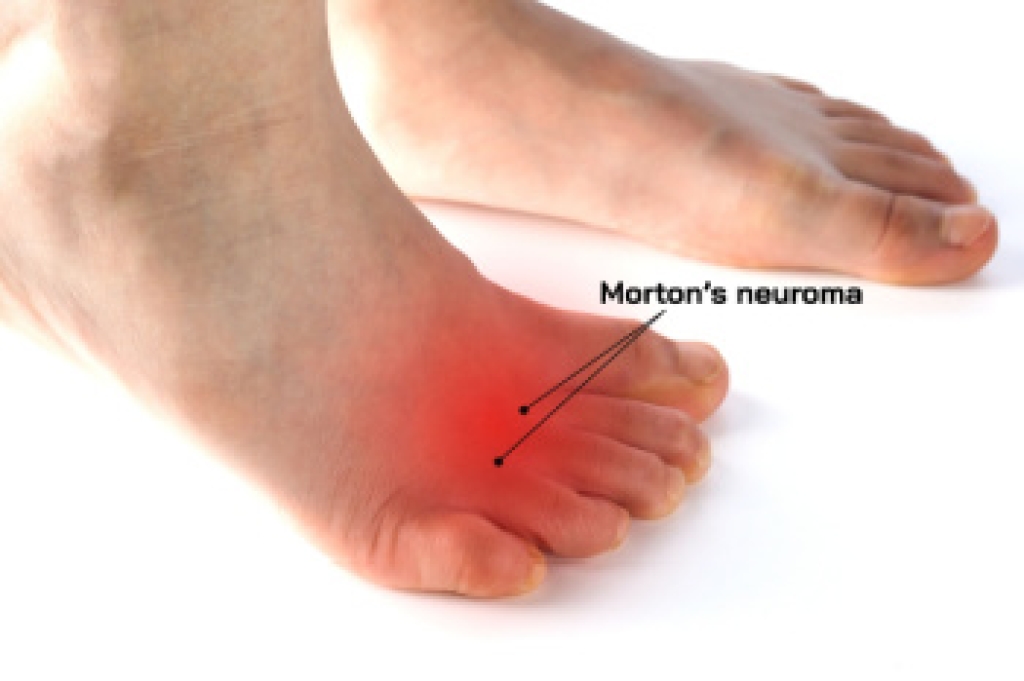
Morton's neuroma is a painful condition characterized by a thickening of the tissue surrounding the nerves leading to the toes, often resulting in a sensation akin to stepping on a pebble. It primarily affects the ball of the foot, typically between the third and fourth toes, and is more common in women and those who wear tight or high-heeled shoes. Prevention strategies include wearing properly fitting footwear with adequate support and cushioning. Diagnosis involves a physical examination, possibly supplemented by imaging tests, such as MRI scans or ultrasounds. Treatment options range from conservative measures such as custom-made orthotics and steroid injections to surgical removal of the affected tissue. If you have this type of foot discomfort, it is suggested that you schedule an appointment with a podiatrist for an accurate diagnosis and treatment plan.

Morton’s neuroma is a very uncomfortable condition to live with. If you think you have Morton’s neuroma, contact Kevin Powers, DPM of The Center for Lower Extremity Nerve Surgery. Our doctor will attend to all of your foot care needs and answer any of your related questions.  

Morton’s Neuroma

Morton's neuroma is a painful foot condition that commonly affects the areas between the second and third or third and fourth toe, although other areas of the foot are also susceptible. Morton’s neuroma is caused by an inflamed nerve in the foot that is being squeezed and aggravated by surrounding bones.

What Increases the Chances of Having Morton’s Neuroma?

  • Ill-fitting high heels or shoes that add pressure to the toe or foot
  • Jogging, running or any sport that involves constant impact to the foot
  • Flat feet, bunions, and any other foot deformities

Morton’s neuroma is a very treatable condition. Orthotics and shoe inserts can often be used to alleviate the pain on the forefront of the feet. In more severe cases, corticosteroids can also be prescribed. In order to figure out the best treatment for your neuroma, it’s recommended to seek the care of a podiatrist who can diagnose your condition and provide different treatment options.

If you have any questions, please feel free to contact our offices located in Indianapolis and Bloomington, IN . We offer the newest diagnostic and treatment technologies for all your foot care needs.

Read more about What is Morton's Neuroma?

Keep Your Feet Healthy So You Can Stay Active

Have your feet inspected by a professional before starting a new sport or physical activity. Taking charge of your foot health will keep you in good physical condition and can help you avoid a potential injury, such as a fracture or sprained ankle.

Prevent injuries and see a foot specialist.

Foot Exams for Diabetic Patients

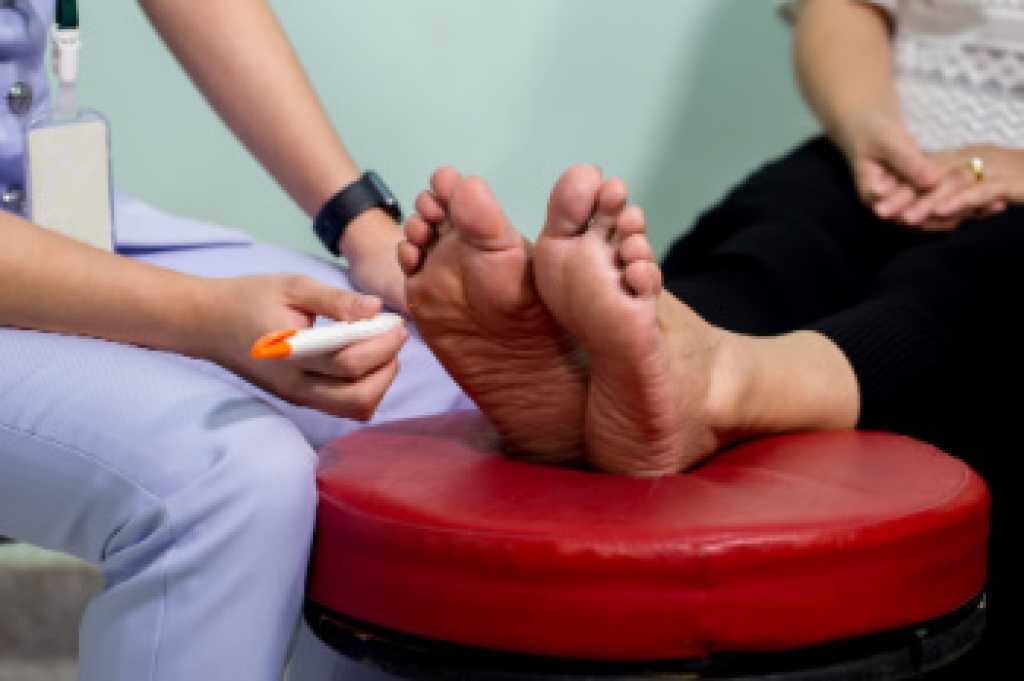
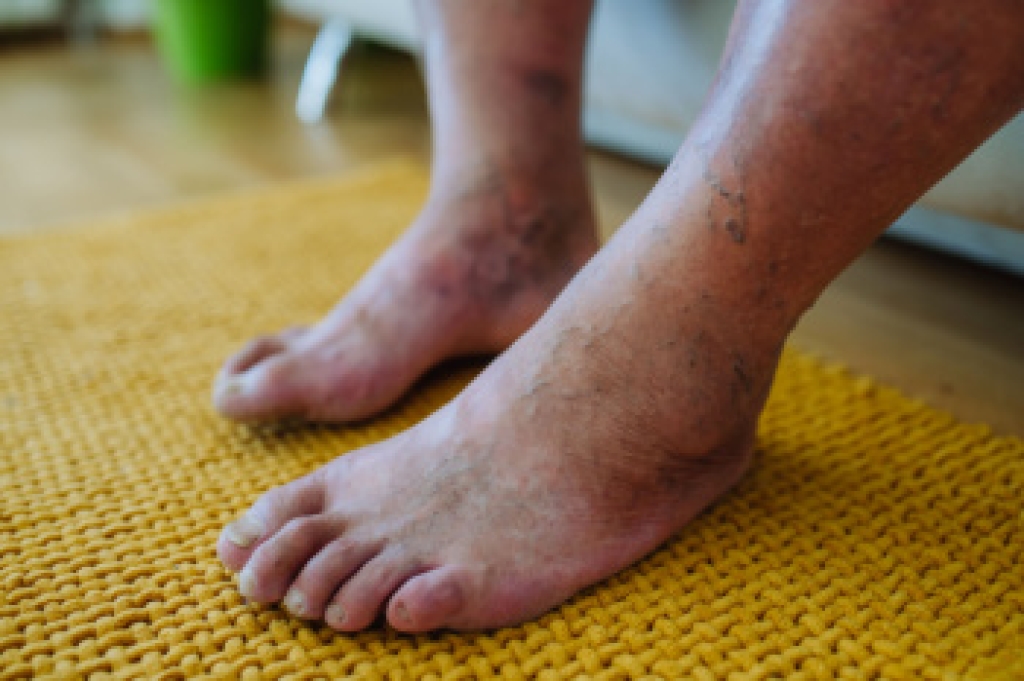
Diabetes elevates the risk of foot complications due to nerve and blood vessel damage, underscoring the importance of regular foot exams conducted by a podiatrist. These assessments are crucial for early detection and prevention of issues that could lead to serious infections or amputations. Even minor wounds like blisters or cuts can escalate into ulcers and infections if not promptly addressed. Moreover, diabetes related vascular damage impairs blood flow to the feet, hindering the healing process and increasing the risk of tissue death, or gangrene. A comprehensive foot exam evaluates nerve function, circulation, skin condition, and musculoskeletal structure. Tests such as the monofilament and tuning fork assessments, along with vascular checks, help identify abnormalities indicative of neuropathy or reduced sensation. In addition to a yearly foot exam by a podiatrist, more frequent assessments are suggested for those with a history of foot complications. Consistent foot care and blood sugar management are also necessary for preventing diabetic foot problems. If you have diabetes and encounter foot problems, it is suggested that you schedule an appointment with a podiatrist for a complete foot exam. 

Diabetic foot care is important in preventing foot ailments such as ulcers. If you are suffering from diabetes or have any other concerns about your feet, contact Kevin Powers, DPM from The Center for Lower Extremity Nerve Surgery. Our doctor can provide the care you need to keep you pain-free and on your feet.

Diabetic Foot Care

Diabetes affects millions of people every year. The condition can damage blood vessels in many parts of the body, especially the feet. Because of this, taking care of your feet is essential if you have diabetes, and having a podiatrist help monitor your foot health is highly recommended.

The Importance of Caring for Your Feet

  • Routinely inspect your feet for bruises or sores.
  • Wear socks that fit your feet comfortably.
  • Wear comfortable shoes that provide adequate support.

Patients with diabetes should have their doctor monitor their blood levels, as blood sugar levels play such a huge role in diabetic care. Monitoring these levels on a regular basis is highly advised.

It is always best to inform your healthcare professional of any concerns you may have regarding your feet, especially for diabetic patients. Early treatment and routine foot examinations are keys to maintaining proper health, especially because severe complications can arise if proper treatment is not applied.

If you have any questions, please feel free to contact our offices located in Indianapolis and Bloomington, IN . We offer the newest diagnostic and treatment technologies for all your foot care needs.

Read more about Diabetic Foot Conditions

Managing Heel Pain

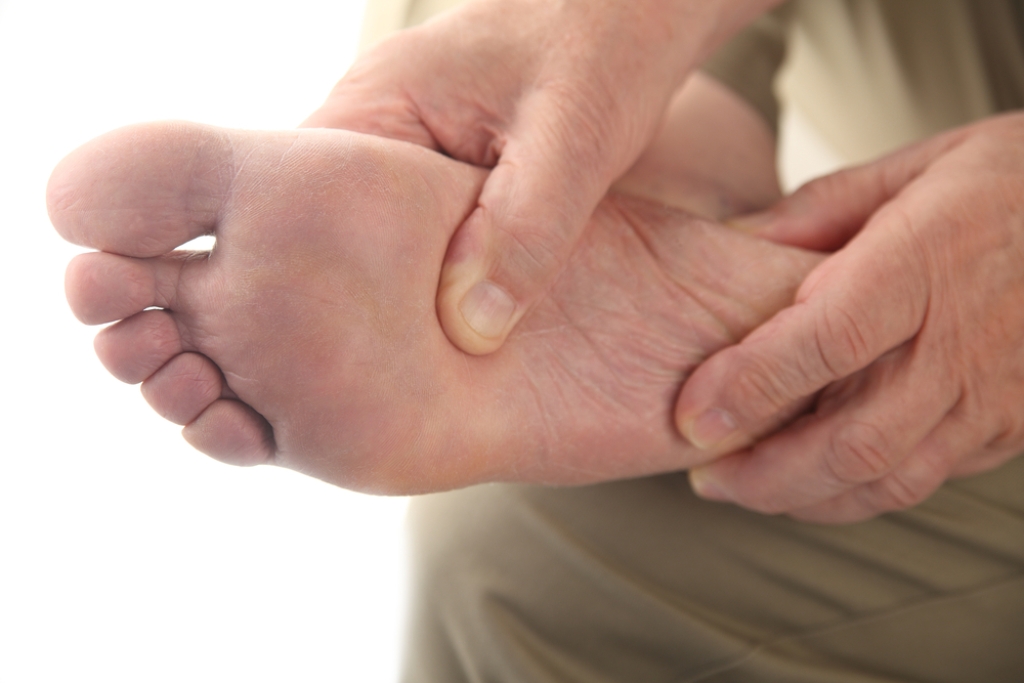
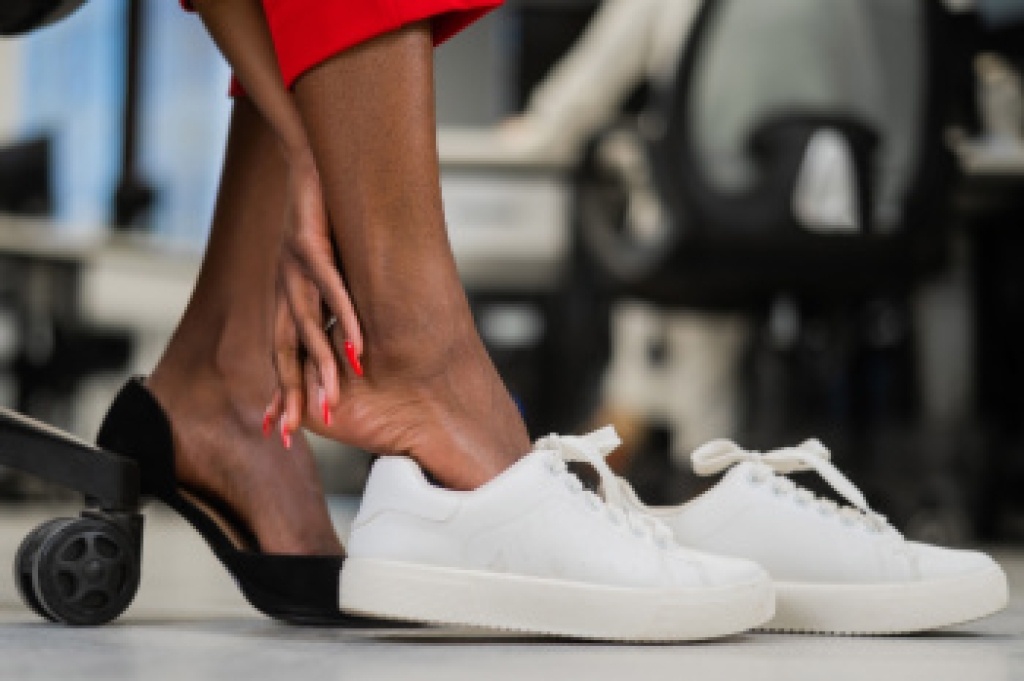
Heel pain affects many people due to the daily strain placed on their feet. While often attributed to heel spurs, the primary culprit is usually plantar fasciitis. Neglecting the intricate network of muscles in the feet can negatively affect any existing issues or cause new ones. Engaging in foot exercises to restore muscle length and enhance overall body balance can significantly alleviate heel pain. Also, the choice of footwear plays a pivotal role in foot health. Wearing worn out or unsupportive shoes can disrupt natural foot mechanics, leading to discomfort and potential injury. Regularly inspecting footwear, especially those used for physical activity, may help to decrease the risk of heel pain. Opt for shoes that provide adequate cushioning, support, and stability that helps maintain proper foot alignment. When heel pain persists despite these measures, seeking professional guidance from a podiatrist is imperative. This type of doctor can conduct a thorough evaluation to identify the root cause of the discomfort and develop a personalized treatment plan. Custom orthotics may be prescribed as a way to regain comfort and mobility. It is suggested that you schedule an appointment with a podiatrist to manage heel pain.

Many people suffer from bouts of heel pain. For more information, contact Kevin Powers, DPM of The Center for Lower Extremity Nerve Surgery. Our doctor can provide the care you need to keep you pain-free and on your feet.

Causes of Heel Pain

Heel pain is often associated with plantar fasciitis. The plantar fascia is a band of tissues that extends along the bottom of the foot. A rip or tear in this ligament can cause inflammation of the tissue.

Achilles tendonitis is another cause of heel pain. Inflammation of the Achilles tendon will cause pain from fractures and muscle tearing. Lack of flexibility is also another symptom.

Heel spurs are another cause of pain. When the tissues of the plantar fascia undergo a great deal of stress, it can lead to ligament separation from the heel bone, causing heel spurs.

Why Might Heel Pain Occur?

  • Wearing ill-fitting shoes                
  • Wearing non-supportive shoes
  • Weight change           
  • Excessive running

Treatments

Heel pain should be treated as soon as possible for immediate results. Keeping your feet in a stress-free environment will help. If you suffer from Achilles tendonitis or plantar fasciitis, applying ice will reduce the swelling. Stretching before an exercise like running will help the muscles. Using all these tips will help make heel pain a condition of the past.

If you have any questions, please feel free to contact our offices located in Indianapolis and Bloomington, IN . We offer the newest diagnostic and treatment technologies for all your foot care needs.

Read more about Heel Pain

Treatment Options for Achilles Tendon Pain

Treatment for Achilles tendon pain involves a comprehensive approach to alleviate discomfort and promote healing. Short-term use of non-steroidal anti-inflammatory drugs, NSAIDs, under medical supervision can provide relief from Achilles tendon pain. Incorporating warm-up exercises, stretching, and resistance training to strengthen the lower leg muscles and improve tendon function may be prescribed. Orthotic devices such as shoe inserts can help to redistribute pressure away from the Achilles tendon and facilitate healing. Surgical intervention is reserved for cases where conservative treatments have failed, involving procedures such as tendon removal or reattachment. For a personalized treatment plan to treat Achilles tendon pain, it is suggested that you schedule an appointment with a podiatrist. 

Achilles tendon injuries need immediate attention to avoid future complications. If you have any concerns, contact Kevin Powers, DPM of The Center for Lower Extremity Nerve Surgery. Our doctor can provide the care you need to keep you pain-free and on your feet.

What Is the Achilles Tendon?

The Achilles tendon is a tendon that connects the lower leg muscles and calf to the heel of the foot. It is the strongest tendon in the human body and is essential for making movement possible. Because this tendon is such an integral part of the body, any injuries to it can create immense difficulties and should immediately be presented to a doctor.

What Are the Symptoms of an Achilles Tendon Injury?

There are various types of injuries that can affect the Achilles tendon. The two most common injuries are Achilles tendinitis and ruptures of the tendon.

Achilles Tendinitis Symptoms

  • Inflammation
  • Dull to severe pain
  • Increased blood flow to the tendon
  • Thickening of the tendon

Rupture Symptoms

  • Extreme pain and swelling in the foot
  • Total immobility

Treatment and Prevention

Achilles tendon injuries are diagnosed by a thorough physical evaluation, which can include an MRI. Treatment involves rest, physical therapy, and in some cases, surgery. However, various preventative measures can be taken to avoid these injuries, such as:

  • Thorough stretching of the tendon before and after exercise
  • Strengthening exercises like calf raises, squats, leg curls, leg extensions, leg raises, lunges, and leg presses

If you have any questions please feel free to contact our offices located in Indianapolis and Bloomington, IN . We offer the newest diagnostic tools and technology to treat your foot and ankle needs.

Read more about What are Achilles Tendon Injuries

Symptoms of Peripheral Neuropathy

Peripheral neuropathy causes a variety of symptoms affecting the feet. It typically begins with sensations such as numbness, tingling, or prickling, and progresses to burning, freezing, or shooting pains, often intensified at night. Peripheral neuropathy in the feet may create a sensation similar to wearing an invisible sock. Loss of balance, muscle weakness, and coordination difficulties are also common factors, hindering mobility. Symptoms of peripheral neuropathy can vary, with motor nerve damage resulting in muscle weakness. Sensory nerve damage causes tingling, numbness, or extreme sensitivity to touch. Autonomic nerve involvement can lead to abnormalities in foot temperature, sweating, and other involuntary functions. Polyneuropathy, affecting multiple nerves simultaneously, is common and requires prompt recognition for timely intervention. If you suspect you may be experiencing symptoms of peripheral neuropathy, it is suggested that you schedule an appointment with a podiatrist for an evaluation and personalized treatment.

Neuropathy

Neuropathy can be a potentially serious condition, especially if it is left undiagnosed. If you have any concerns that you may be experiencing nerve loss in your feet, consult with Kevin Powers, DPM from The Center for Lower Extremity Nerve Surgery. Our doctor will assess your condition and provide you with quality foot and ankle treatment for neuropathy.

What Is Neuropathy?

Neuropathy is a condition that leads to damage to the nerves in the body. Peripheral neuropathy, or neuropathy that affects your peripheral nervous system, usually occurs in the feet. Neuropathy can be triggered by a number of different causes. Such causes include diabetes, infections, cancers, disorders, and toxic substances.

Symptoms of Neuropathy Include:

  • Numbness
  • Sensation loss
  • Prickling and tingling sensations
  • Throbbing, freezing, burning pains
  • Muscle weakness

Those with diabetes are at serious risk due to being unable to feel an ulcer on their feet. Diabetics usually also suffer from poor blood circulation. This can lead to the wound not healing, infections occurring, and the limb may have to be amputated.

Treatment

To treat neuropathy in the foot, podiatrists will first diagnose the cause of the neuropathy. Figuring out the underlying cause of the neuropathy will allow the podiatrist to prescribe the best treatment, whether it be caused by diabetes, toxic substance exposure, infection, etc. If the nerve has not died, then it’s possible that sensation may be able to return to the foot.

Pain medication may be issued for pain. Electrical nerve stimulation can be used to stimulate nerves. If the neuropathy is caused from pressure on the nerves, then surgery may be necessary.

If you have any questions, please feel free to contact our offices located in Indianapolis and Bloomington, IN . We offer the newest diagnostic and treatment technologies for all your foot care needs.

Read more about Neuropathy

Treatment Options for Heel Spurs

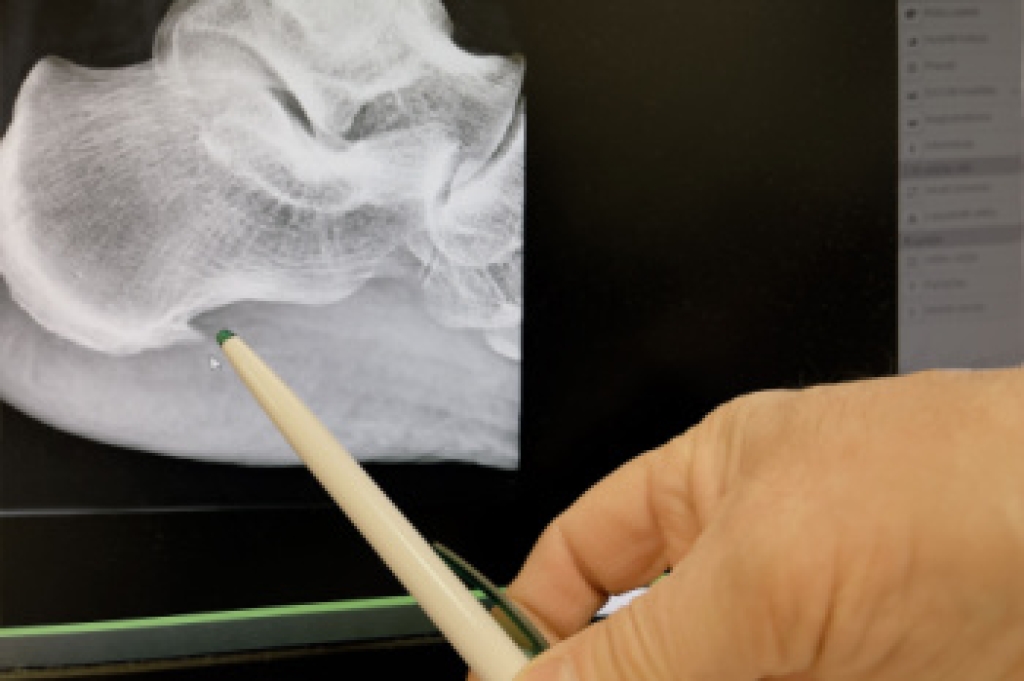
A heel spur is an abnormal growth of bone on the bottom or back of the heel bone, or calcaneus. Heel spurs often result from excessive pulling by tendons and ligaments. Athletes and non-athletes alike may develop heel spurs, experiencing pain during activities like walking or running. Treatment options for heel spurs typically focus on pain reduction, including oral medications, corticosteroid injections, padding, and custom shoe orthotics. Non-surgical remedies, consisting of shock wave therapy and radiotherapy, have been shown to help relieve pain and improve foot function for individuals with heel spurs. Surgery may be recommended in severe cases where other treatments have been unsuccessful. While pain from heel spurs can diminish over time without treatment, it is important to seek professional advice for persistent heel pain. For an accurate diagnosis and treatment options for relieving heel spur-related pain, it is suggested that you schedule an appointment with a podiatrist. 

Heel spurs can be incredibly painful and sometimes may make you unable to participate in physical activities. To get medical care for your heel spurs, contact Kevin Powers, DPM from The Center for Lower Extremity Nerve Surgery. Our doctor will do everything possible to treat your condition.

Heels Spurs

Heel spurs are formed by calcium deposits on the back of the foot where the heel is. This can also be caused by small fragments of bone breaking off one section of the foot, attaching onto the back of the foot. Heel spurs can also be bone growth on the back of the foot and may grow in the direction of the arch of the foot.

Older individuals usually suffer from heel spurs and pain sometimes intensifies with age. One of the main condition's spurs are related to is plantar fasciitis.

Pain

The pain associated with spurs is often because of weight placed on the feet. When someone is walking, their entire weight is concentrated on the feet. Bone spurs then have the tendency to affect other bones and tissues around the foot. As the pain continues, the feet will become tender and sensitive over time.

Treatments

There are many ways to treat heel spurs. If one is suffering from heel spurs in conjunction with pain, there are several methods for healing. Medication, surgery, and herbal care are some options.

If you have any questions, please feel free to contact our offices located in Indianapolis and Bloomington, IN . We offer the newest diagnostic and treatment technologies for all your foot care needs.

Read more about Heel Spurs

Connect With Us