Definition and Causes of Achilles Tendon Injuries

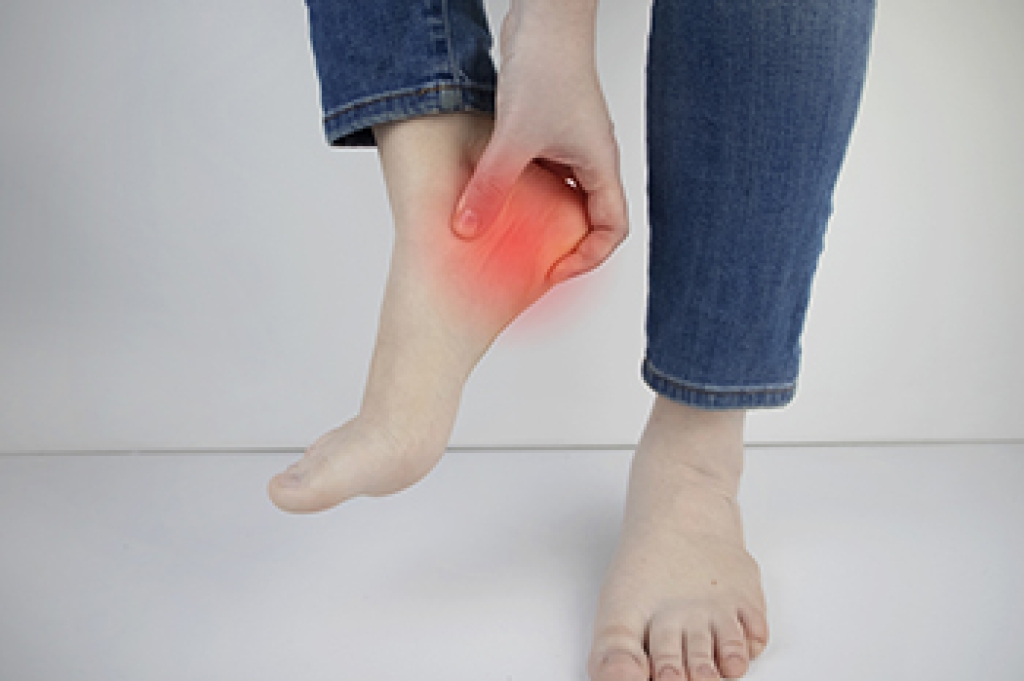
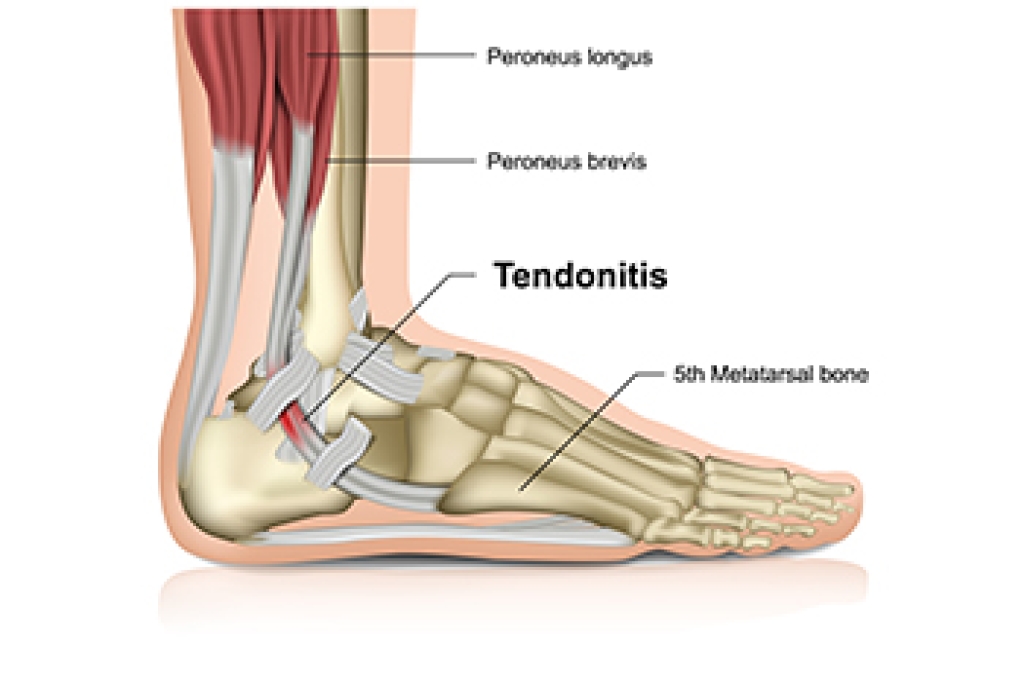
The world of Achilles tendon injuries is common among athletes across the globe. The Achilles tendon is the band of tissue connecting the calf muscles to the heel bone, enabling us to walk, jump, and run. Achilles tendon injuries are described as tears or strains that happen to this crucial tendon. These injuries can be mild, causing discomfort, or severe pain, possibly causing difficulty in walking. A common cause of an Achilles tendon injury can be from overuse. This can range from increasing speed and mileage too quickly while running to not getting adequate rest.  Wearing improper footwear, such as flip-flops during sporting activities, can also contribute to this painful condition. Additionally, sudden increases in physical activity or tight calf muscles may put stress on the Achilles tendon, leading to injuries. Effective prevention techniques can include stretching, wearing suitable shoes, and listening to your body's limits. If you have endured this type of injury, it is suggested that you visit a podiatrist sooner rather than later who can provide you with relief solutions.

Achilles tendon injuries need immediate attention to avoid future complications. If you have any concerns, contact Kevin Powers, DPM of The Center for Lower Extremity Nerve Surgery. Our doctor can provide the care you need to keep you pain-free and on your feet.

What Is the Achilles Tendon?

The Achilles tendon is a tendon that connects the lower leg muscles and calf to the heel of the foot. It is the strongest tendon in the human body and is essential for making movement possible. Because this tendon is such an integral part of the body, any injuries to it can create immense difficulties and should immediately be presented to a doctor.

What Are the Symptoms of an Achilles Tendon Injury?

There are various types of injuries that can affect the Achilles tendon. The two most common injuries are Achilles tendinitis and ruptures of the tendon.

Achilles Tendinitis Symptoms

  • Inflammation
  • Dull to severe pain
  • Increased blood flow to the tendon
  • Thickening of the tendon

Rupture Symptoms

  • Extreme pain and swelling in the foot
  • Total immobility

Treatment and Prevention

Achilles tendon injuries are diagnosed by a thorough physical evaluation, which can include an MRI. Treatment involves rest, physical therapy, and in some cases, surgery. However, various preventative measures can be taken to avoid these injuries, such as:

  • Thorough stretching of the tendon before and after exercise
  • Strengthening exercises like calf raises, squats, leg curls, leg extensions, leg raises, lunges, and leg presses

If you have any questions please feel free to contact our offices located in Indianapolis and Bloomington, IN . We offer the newest diagnostic tools and technology to treat your foot and ankle needs.

Read more about Achilles Tendon Injuries

Foot Pain Caused by Morton’s Neuroma

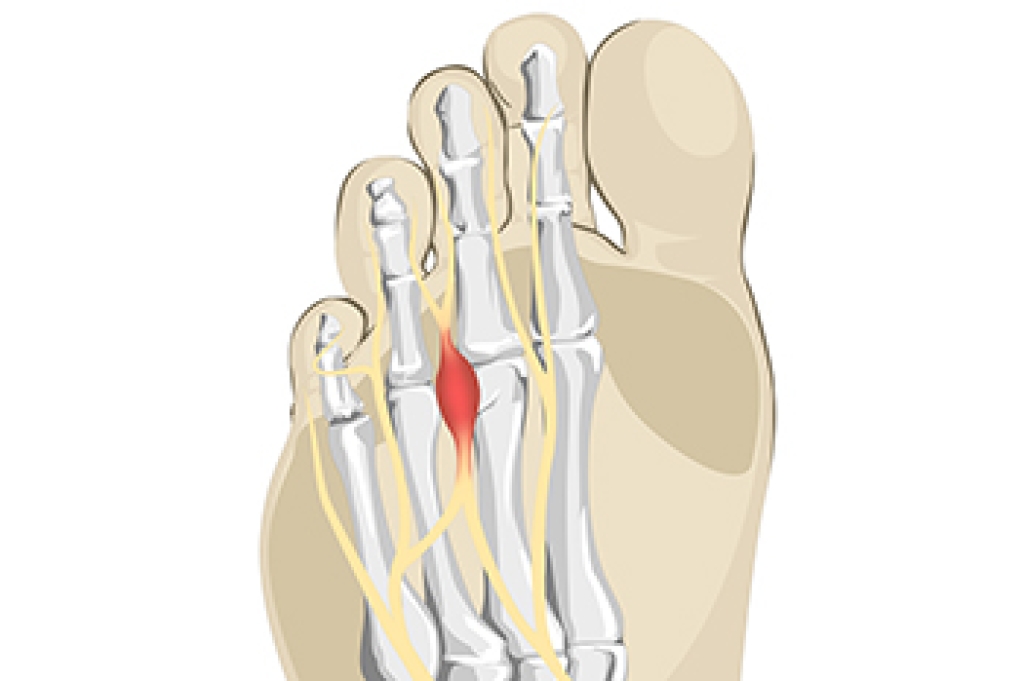
Morton’s neuroma is a thickening of the tissue that surrounds the digital nerve that leads to the toes. It is commonly experienced between the third and fourth toes and can feel as if there is a small pebble in your shoe. A Morton’s neuroma also may be termed an interdigital neuroma, interdigital neuritis, or a plantar neuron. The main symptom is sharp and burning pain in the ball of the foot, especially while walking or running. Some numbness or tingling may also be present. High-heeled shoes, which increase pressure on the ball of the foot, may make the situation worse. Tight or narrow shoes that squeeze the toes can also contribute to the discomfort. Treatments for Morton’s neuroma include changes in footwear, wearing inserts in the shoes, injections of corticosteroid medication, and shockwave therapy. In severe cases, surgery to remove part of the affected nerve or surrounding tissue may be considered. If you are experiencing pain that may be caused by Morton’s neuroma, it is suggested that you make an appointment with a podiatrist.

Morton’s neuroma is a very uncomfortable condition to live with. If you think you have Morton’s neuroma, contact Kevin Powers, DPM of The Center for Lower Extremity Nerve Surgery. Our doctor will attend to all of your foot care needs and answer any of your related questions.  

Morton’s Neuroma

Morton's neuroma is a painful foot condition that commonly affects the areas between the second and third or third and fourth toe, although other areas of the foot are also susceptible. Morton’s neuroma is caused by an inflamed nerve in the foot that is being squeezed and aggravated by surrounding bones.

What Increases the Chances of Having Morton’s Neuroma?

  • Ill-fitting high heels or shoes that add pressure to the toe or foot
  • Jogging, running or any sport that involves constant impact to the foot
  • Flat feet, bunions, and any other foot deformities

Morton’s neuroma is a very treatable condition. Orthotics and shoe inserts can often be used to alleviate the pain on the forefront of the feet. In more severe cases, corticosteroids can also be prescribed. In order to figure out the best treatment for your neuroma, it’s recommended to seek the care of a podiatrist who can diagnose your condition and provide different treatment options.

If you have any questions, please feel free to contact our offices located in Indianapolis and Bloomington, IN . We offer the newest diagnostic and treatment technologies for all your foot care needs.

Read more about Morton's Neuroma

Wounds That Don't Heal Need to Be Checked

Your feet are covered most of the day. If you're diabetic, periodic screening is important for good health. Numbness is often a sign of diabetic foot and can mask a sore or wound.

How the Feet Can Be Impacted by Obesity

Research indicates that approximately one-third of the American population is obese. The feet can be impacted when extra weight is placed on them, and various foot conditions can develop. Obesity can cause the misalignment of various areas in the body, and the feet can feel the brunt of this. It is said that one pound of weight can increase the pressure on the feet and ankles by as much as eight pounds. This can become uncomfortable as the weight increases and may worsen while walking up the steps. A common foot condition that can occur from being obese is overpronation. This is described as the foot rolling inward while walking, which can result from flattened arches. Stress on the joints in the feet may evolve into osteoarthritis caused by excessive wear and tear. The chances of losing weight are increased when a gentle exercise routine is frequently followed. If you have questions about any foot pain you may be experiencing with weight gain, it is suggested that you confer with a podiatrist who can guide you toward a healthier lifestyle.

The more you weigh, the harder your feet must work to support your body. If you’re an obese individual and are concerned about your feet, contact Kevin Powers, DPM from The Center for Lower Extremity Nerve Surgery. Our doctor can provide the care you need to keep you pain-free and on your feet.

Obesity and Your Feet

People who are overweight are putting more pressure on their ankles, knees, and hips as well as their feet. This unfortunately can lead to variety of different issues.

Problems & Complications Stemming from Obesity

  • When the body is overweight, it tries to compensate by changing the way that it moves. An obese person may lean forward and put extra weight on the wrong part of the foot. This puts unnecessary stress on the feet.
  • Obese people are also more likely to develop type II diabetes which is a condition that causes a lot of foot problems. People with diabetes often don’t feel the cuts and sores that they may have on their feet, which can lead to more complicated and severe issues.
  • Plantar fasciitis is another foot condition that can be caused by obesity. Plantar fasciitis is an inflammation of the tissue along the bottom of the foot, which causes pain and stiffness while walking and climbing stairs.

If you have any questions please contact our offices located in Indianapolis and Bloomington, IN . We offer the newest diagnostic and treatment technologies for all your foot and ankle needs.

Read more about How Obesity Affects Your Feet

Common Symptoms of Plantar Fasciitis

The plantar fascia is found on the sole of the foot and consists of tissues that are tightly packed under the skin. Plantar fasciitis is characterized by heel pain when these tissues become inflamed and irritated from various things. These can include standing on hard or uneven surfaces for most of the day, or wearing shoes that do not fit correctly. It may also happen from weight gain, or from repetitive motion while performing specific activities. Having poor circulation may also lead to developing plantar fasciitis, as a result of reduced blood flow to the plantar fascia. It is beneficial to wear shoes that have a cushioned heel, and this may help to prevent plantar fasciitis. There are also stretches that can be done which can strengthen the plantar fascia. These can include standing on a step while lowering one heel at a time until a gentle stretch is felt. If you have heel pain, it is strongly suggested that you are under the care of a podiatrist who can help you find treatment and relief remedies for plantar fasciitis.

Plantar fasciitis can be very painful and inconvenient. If you are experiencing heel pain or symptoms of plantar fasciitis, contact Kevin Powers, DPM  from The Center for Lower Extremity Nerve Surgery. Our doctor can provide the care you need to keep you pain-free and on your feet.

What Is Plantar Fasciitis?

Plantar fasciitis is the inflammation of the thick band of tissue that runs along the bottom of your foot, known as the plantar fascia, and causes mild to severe heel pain.

What Causes Plantar Fasciitis?

  • Excessive running
  • Non-supportive shoes
  • Overpronation
  • Repeated stretching and tearing of the plantar fascia

How Can It Be Treated?

  • Conservative measures – anti-inflammatories, ice packs, stretching exercises, physical therapy, orthotic devices
  • Shockwave therapy – sound waves are sent to the affected area to facilitate healing and are usually used for chronic cases of plantar fasciitis
  • Surgery – usually only used as a last resort when all else fails. The plantar fascia can be surgically detached from the heel

While very treatable, plantar fasciitis is definitely not something that should be ignored. Especially in severe cases, speaking to your doctor right away is highly recommended to avoid complications and severe heel pain. Your podiatrist can work with you to provide the appropriate treatment options tailored to your condition.

If you have any questions, please feel free to contact our offices located in Indianapolis and Bloomington, IN . We offer the newest diagnostic and treatment technologies for all your foot care needs.

Read more about Plantar Fasciitis

Connect With Us