Conditions Treated by Podiatrists

The foot is made up of a complex system that includes 26 bones, 33 joints and over 100 tendons. There are a variety of conditions that can arise and affect this system, and a podiatrist has the proper training and expertise to help. Podiatrists are able to treat heel pain from conditions such as plantar fasciitis (inflammation of the tissue along the bottom of the foot) and heel spurs (bony growths on the bottom of the heel). Foot pain caused by sesamoiditis, bunions, or a neuroma, can be diagnosed and treated by a podiatrist too. Most podiatrists are even trained and equipped to handle different ailments involving the ankles. When an individual is afflicted with an ankle sprain or fracture, a podiatrist who is board certified in foot surgery can take X-rays to determine the severity, and perform surgery when deemed necessary. Podiatrists are also experienced with biomechanics and gait analysis. Some foot specialists even offer custom made orthotics in their office! If you develop any type of pain in your foot or ankle or notice something as common as a corn, callus, or ingrown toenail, be sure to consult with a podiatrist for a proper diagnosis as well as various treatment options. 

If you are dealing with pain in your feet and ankles, you may want to seek help from a podiatrist. Feel free to contact Kevin Powers, DPM from The Center for Lower Extremity Nerve Surgery. Our doctor can provide the care you need to keep you pain-free and on your feet.

What Is a Podiatrist?

A podiatrist is a doctor of podiatric medicine who diagnoses and treats conditions of the foot, ankle, and related structures of the leg. Your podiatrist may specialize in a certain field such as sports medicine, wound care, pediatrics, and diabetic care. Podiatrists have the ability to become board certified through training, clinical experience, and then taking an exam.

What Do Podiatrists Do?

On a daily basis, a podiatrist may perform the following activities:

  • Diagnose foot ailments such as ulcers, tumors, fractures, etc.
  • Use innovative methods to treat conditions
  • Use corrective orthotics, casts, and strappings to correct deformities
  • Correct walking patterns and balance
  • Provide individual consultations to patients

It is very important that you take care of your feet. It’s easy to take having healthy feet for granted, however foot problems tend to be among the most common health conditions. Podiatrists can help diagnose and treat a variety of feet related conditions, so it is crucial that you visit one if you need assistance.

If you have any questions, please feel free to contact our offices located in Indianapolis and Bloomington, IN . We offer the newest diagnostic and treatment technologies for all your foot care needs.

Read more about What is a Podiatrist?

How Do Heel Spurs Form?

Heel spurs are bony protrusions that form on the heel bone due to calcium deposits.  These deposits tend to form over time and may be a result of a ligament that is connected to the heel bone being frequently overstretched and ultimately torn.  The most common issue that leads to heel spurs is plantar fasciitis which occurs when the band of tissues running along the bottom of the foot get injured and inflamed.  In fact, plantar fasciitis is the cause for around half of all heel spurs.  Heel spurs are often indicated by pain, tenderness and swelling that can make walking difficult.  If you are struggling with heel pain, it may be serious, and consulting with a podiatrist is recommended.

Heel spurs can be incredibly painful and sometimes may make you unable to participate in physical activities. To get medical care for your heel spurs, contact Kevin Powers, DPM from The Center for Lower Extremity Nerve Surgery. Our doctor will do everything possible to treat your condition.

Heels Spurs

Heel spurs are formed by calcium deposits on the back of the foot where the heel is. This can also be caused by small fragments of bone breaking off one section of the foot, attaching onto the back of the foot. Heel spurs can also be bone growth on the back of the foot and may grow in the direction of the arch of the foot.

Older individuals usually suffer from heel spurs and pain sometimes intensifies with age. One of the main condition's spurs are related to is plantar fasciitis.

Pain

The pain associated with spurs is often because of weight placed on the feet. When someone is walking, their entire weight is concentrated on the feet. Bone spurs then have the tendency to affect other bones and tissues around the foot. As the pain continues, the feet will become tender and sensitive over time.

Treatments

There are many ways to treat heel spurs. If one is suffering from heel spurs in conjunction with pain, there are several methods for healing. Medication, surgery, and herbal care are some options.

If you have any questions, please feel free to contact our offices located in Indianapolis and Bloomington, IN . We offer the newest diagnostic and treatment technologies for all your foot care needs.

Read more about How to Treat Heel Spurs

How Tarsal Tunnel Syndrome Occurs

The tarsal tunnel is a small opening in the ankle that the posterior tibial nerve, which supplies sensation and movement to the foot, travels through. Tarsal tunnel syndrome occurs when the nerve is compressed and pressed on in this area, which can be painful and lead to a loss of sensation in the feet. This compression can be caused by a direct injury to the ankle, as well as other issues such as swelling, a cyst, or arthritis. Tarsal tunnel syndrome can feel like other foot and ankle injuries. If you are suspicious that you may be suffering from tarsal tunnel syndrome, consult with a podiatrist for a proper diagnosis.

Tarsal tunnel syndrome can be very uncomfortable to live with. If you are experiencing tarsal tunnel syndrome, contact Kevin Powers, DPM of The Center for Lower Extremity Nerve Surgery. Our doctor can provide the care you need to keep you pain-free and on your feet.

Tarsal Tunnel Syndrome

Tarsal tunnel syndrome, which can also be called tibial nerve dysfunction, is an uncommon condition of misfiring peripheral nerves in the foot. The tibial nerve is the peripheral nerve in the leg responsible for sensation and movement of the foot and calf muscles. In tarsal tunnel syndrome, the tibial nerve is damaged, causing problems with movement and feeling in the foot of the affected leg.

Common Cause of Tarsal Tunnel Syndrome

  • Involves pressure or an injury, direct pressure on the tibial nerve for an extended period of time, sometimes caused by other body structures close by or near the knee.
  • Diseases that damage nerves, including diabetes, may cause tarsal tunnel syndrome.
  • At times, tarsal tunnel syndrome can appear without an obvious cause in some cases.

The Effects of Tarsal Tunnel Syndrome

  • Different sensations, an afflicted person may experience pain, tingling, burning or other unusual sensations in the foot of the affected leg.
  • The foot muscles, toes and ankle become weaker, and curling your toes or flexing your foot can become difficult.
  • If condition worsens, infections and ulcers may develop on the foot that is experiencing the syndrome.

A physical exam of the leg can help identify the presence of tarsal tunnel syndrome. Medical tests, such as a nerve biopsy, are also used to diagnose the condition. Patients may receive physical therapy and prescriptive medication. In extreme cases, some may require surgery.

If you have any questions please contact our offices located in Indianapolis and Bloomington, IN . We offer the newest diagnostic and treatment technologies for all your foot and ankle needs.

Read more about Tarsal Tunnel Syndrome

Off-the-Shelf vs. Custom-Made Foot Orthotics

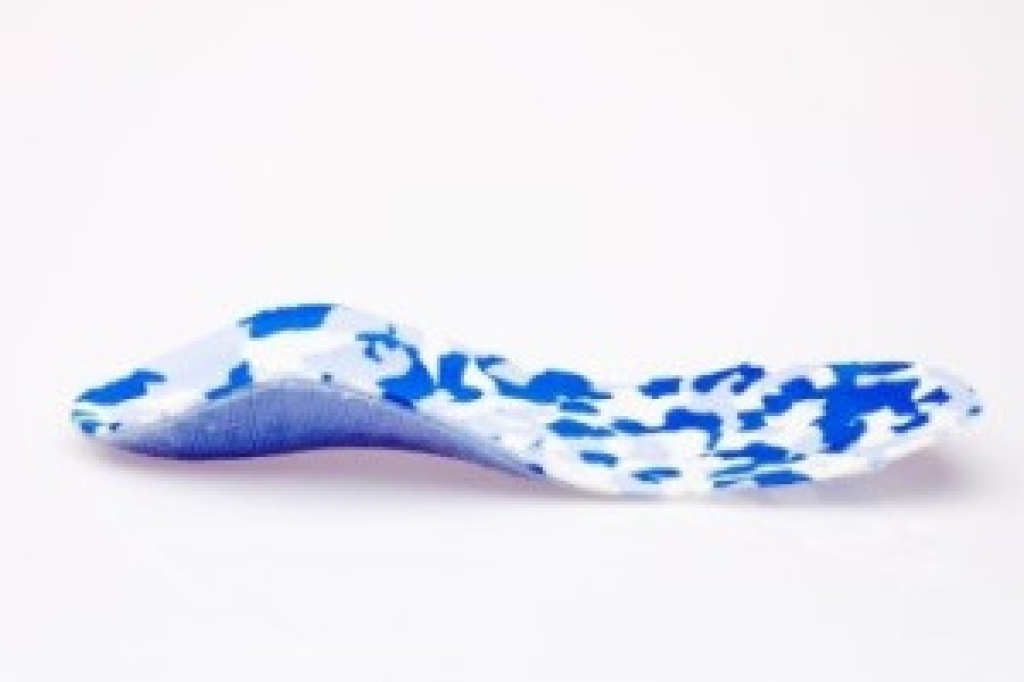
When you are experiencing foot pain, any relief is welcome. Pre-made shoe inserts (foot orthotics) purchased at the drug store can alleviate discomfort for some people. There are also custom-made foot orthotics which go a step further. A podiatrist first determines the cause of your foot pain, and creates either a 3D model or takes an impression of your actual feet. Then, a customized foot orthotic is created to fit you and treat the specific nature of your pain. These made-to-order orthotics can benefit patients with conditions such as plantar fasciitis, bunions, high arches and various forms of arthritis. If you are experiencing pain in one or both of your feet, don’t suffer in silence. It is suggested that you call a podiatrist to see if foot orthotics can improve your quality of life.

If you are having discomfort in your feet and would like to try orthotics, contact Kevin Powers, DPM from The Center for Lower Extremity Nerve Surgery. Our doctor can provide the care you need to keep you pain-free and on your feet.

What Are Orthotics?

Orthotics are inserts you can place into your shoes to help with a variety of foot problems such as flat feet or foot pain. Orthotics provide relief and comfort for minor foot and heel pain but can’t correct serious biomechanical problems in your feet.

Over-the-Counter Inserts

Orthotics come in a wide variety of over-the-counter inserts that are used to treat foot pain, heel pain, and minor problems. For example, arch supports can be inserted into your shoes to help correct overarched or flat feet, while gel insoles are often used because they provide comfort and relief from foot and heel pain by alleviating pressure.

Prescription Orthotics

If over-the-counter inserts don’t work for you or if you have a more severe foot concern, it is possible to have your podiatrist prescribe custom orthotics. These high-quality inserts are designed to treat problems such as abnormal motion, plantar fasciitis, and severe forms of heel pain. They can even be used to help patients suffering from diabetes by treating foot ulcers and painful calluses and are usually molded to your feet individually, which allows them to provide full support and comfort.

If you are experiencing minor to severe foot or heel pain, it’s recommended to speak with your podiatrist about the possibilities of using orthotics. A podiatrist can determine which type of orthotic is right for you and allow you to take the first steps towards being pain-free.

If you have any questions, please feel free to contact our offices located in Indianapolis and Bloomington, IN . We offer the newest diagnostic and treatment technologies for all your foot care needs.

Read more about Foot Orthotics

A Podiatrist Can Help Find the Source of Heel Pain

Heel pain can be debilitating, and can cause discomfort to your everyday routine. Heel pain can have a variety of different sources, and patients who are suffering from heel pain should visit with a podiatrist to find the cause of their pain. The most common cause of heel pain is plantar fasciitis. This is a condition that occurs as a result of inflammation to the plantar fascia, which is the band of tissue that runs along the bottom of the foot. Other potential sources of heel pain can include arthritis, an Achilles tendon injury, a stress fracture, or fat pad atrophy. While the treatment methods can vary for each of these conditions, a podiatrist will be able to provide a diagnosis and proper treatment methods to help alleviate your heel pain.

Many people suffer from bouts of heel pain. For more information, contact Kevin Powers, DPM of The Center for Lower Extremity Nerve Surgery. Our doctor can provide the care you need to keep you pain-free and on your feet.

Causes of Heel Pain

Heel pain is often associated with plantar fasciitis. The plantar fascia is a band of tissues that extends along the bottom of the foot. A rip or tear in this ligament can cause inflammation of the tissue.

Achilles tendonitis is another cause of heel pain. Inflammation of the Achilles tendon will cause pain from fractures and muscle tearing. Lack of flexibility is also another symptom.

Heel spurs are another cause of pain. When the tissues of the plantar fascia undergo a great deal of stress, it can lead to ligament separation from the heel bone, causing heel spurs.

Why Might Heel Pain Occur?

  • Wearing ill-fitting shoes                
  • Wearing non-supportive shoes
  • Weight change           
  • Excessive running

Treatments

Heel pain should be treated as soon as possible for immediate results. Keeping your feet in a stress-free environment will help. If you suffer from Achilles tendonitis or plantar fasciitis, applying ice will reduce the swelling. Stretching before an exercise like running will help the muscles. Using all these tips will help make heel pain a condition of the past.

If you have any questions, please feel free to contact our offices located in Indianapolis and Bloomington, IN . We offer the newest diagnostic and treatment technologies for all your foot care needs.

Read more about Heel Pain

Keep Your Feet Healthy So You Can Stay Active

Have your feet inspected by a professional before starting a new sport or physical activity. Taking charge of your foot health will keep you in good physical condition and can help you avoid a potential injury, such as a fracture or sprained ankle.

Prevent injuries and see a foot specialist.

What Can Cause Poor Circulation?

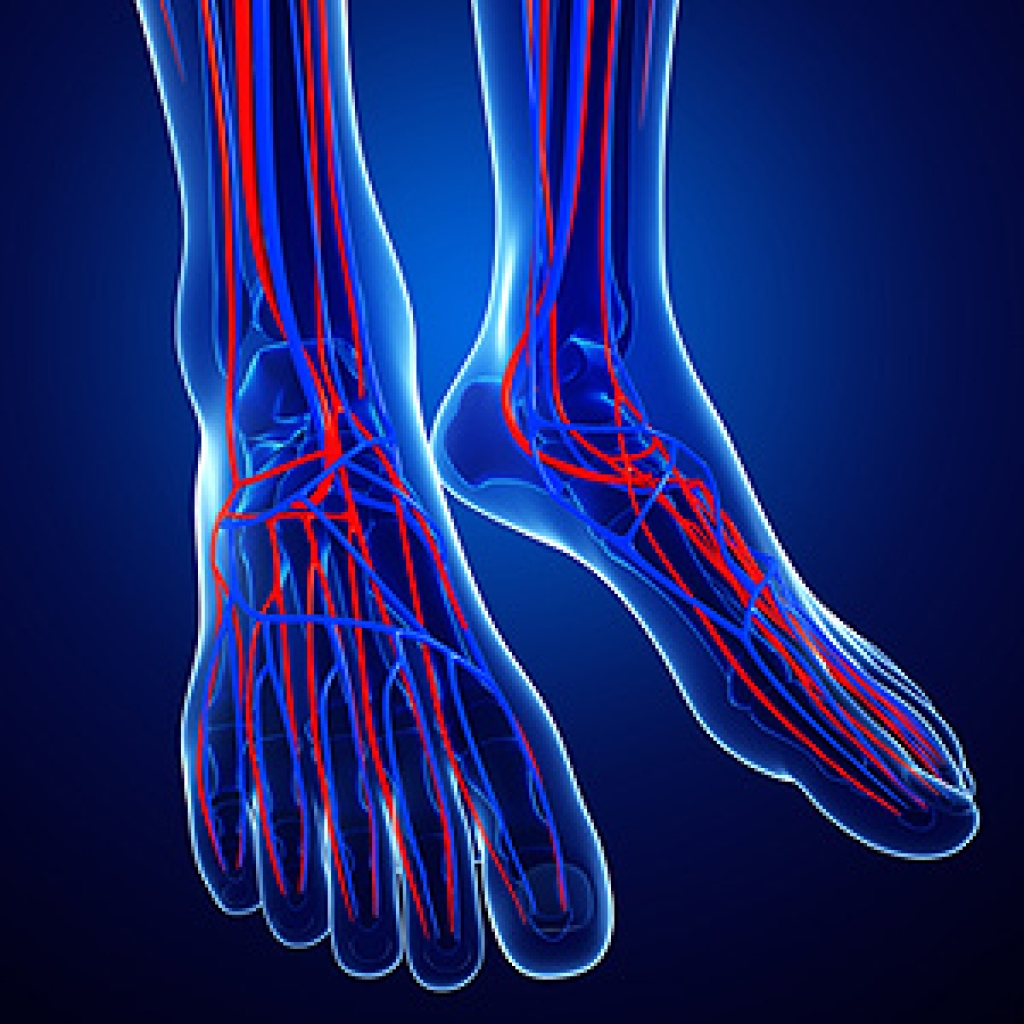
Circulation refers to the process by which blood is moved around different parts of the body. Poor circulation is when this process is slowed down. Poor blood flow often affects the lower limbs and can lead to symptoms such as tingling, numbness, muscle cramps, and pain. There are various disorders that can cause poor circulation. Peripheral artery disease (PAD) occurs when the blood vessels that supply the legs narrow and harden due to a buildup of plaque in the arteries. A blood clot can cause poor circulation by partially or fully blocking blood flow to a specific area. Other causes of poor circulation include varicose veins, diabetes, obesity, and Raynaud’s disease. If you are experiencing the symptoms of poor circulation in your lower limbs, it is suggested that you consult with a podiatrist. 

Poor circulation is a serious condition and needs immediate medical attention. If you have any concerns with poor circulation in your feet contact Kevin Powers, DPM of The Center for Lower Extremity Nerve Surgery. Our doctor will treat your foot and ankle needs.

Poor Circulation in the Feet

Poor blood circulation in the feet and legs is can be caused by peripheral artery disease (PAD), which is the result of a buildup of plaque in the arteries.

Plaque buildup or atherosclerosis results from excess calcium and cholesterol in the bloodstream. This can restrict the amount of blood which can flow through the arteries. Poor blood circulation in the feet and legs are sometimes caused by inflammation in the blood vessels, known as vasculitis.

Causes

Lack of oxygen and oxygen from poor blood circulation restricts muscle growth and development. It can also cause:

  • Muscle pain, stiffness, or weakness 
  • Numbness or cramping in the legs
  • Skin discoloration
  • Slower nail & hair growth
  • Erectile dysfunction

Those who have diabetes or smoke are at greatest risk for poor circulation, as are those who are over 50. If you have poor circulation in the feet and legs it may be caused by PAD and is important to make changes to your lifestyle in order to reduce risk of getting a heart attack or stroke. Exercise and maintaining a healthy lifestyle will dramatically improve conditions.

As always, see a podiatrist as he or she will assist in finding a regimen that suits you. A podiatrist can also prescribe you any needed medication. 

If you have any questions, please feel free to contact our offices located in Indianapolis and Bloomington, IN . We offer the newest diagnostic and treatment technologies for all your foot care needs.

Read more about Causes, Symptoms, and Treatment of Poor Blood Circulation in the Feet

How Did I Get Plantar Fasciitis?

Plantar fasciitis is a foot injury in which the plantar fascia, a ligament that runs along the bottom of the foot, becomes inflamed. This inflammation causes sharp, stabbing pain in the heel that is typically at its worst in the morning or when you rest after walking, running, or standing. Plantar fasciitis is often the result of overuse. Athletes and people who engage in excessive running, jogging, walking, or dancing are more likely to develop this condition. Other factors that increase your risk of getting plantar fasciitis include suddenly increasing your level of activity, having arthritis, obesity, having flat feet or high arches, and wearing shoes that do not fit properly. For more information about plantar fasciitis, please consult with a podiatrist.

Plantar fasciitis can be very painful and inconvenient. If you are experiencing heel pain or symptoms of plantar fasciitis, contact Kevin Powers, DPM  from The Center for Lower Extremity Nerve Surgery. Our doctor can provide the care you need to keep you pain-free and on your feet.

What Is Plantar Fasciitis?

Plantar fasciitis is the inflammation of the thick band of tissue that runs along the bottom of your foot, known as the plantar fascia, and causes mild to severe heel pain.

What Causes Plantar Fasciitis?

  • Excessive running
  • Non-supportive shoes
  • Overpronation
  • Repeated stretching and tearing of the plantar fascia

How Can It Be Treated?

  • Conservative measures – anti-inflammatories, ice packs, stretching exercises, physical therapy, orthotic devices
  • Shockwave therapy – sound waves are sent to the affected area to facilitate healing and are usually used for chronic cases of plantar fasciitis
  • Surgery – usually only used as a last resort when all else fails. The plantar fascia can be surgically detached from the heel

While very treatable, plantar fasciitis is definitely not something that should be ignored. Especially in severe cases, speaking to your doctor right away is highly recommended to avoid complications and severe heel pain. Your podiatrist can work with you to provide the appropriate treatment options tailored to your condition.

If you have any questions, please feel free to contact our offices located in Indianapolis and Bloomington, IN . We offer the newest diagnostic and treatment technologies for all your foot care needs.

Read more about Plantar Fasciitis

Diagnosing Morton's Neuroma

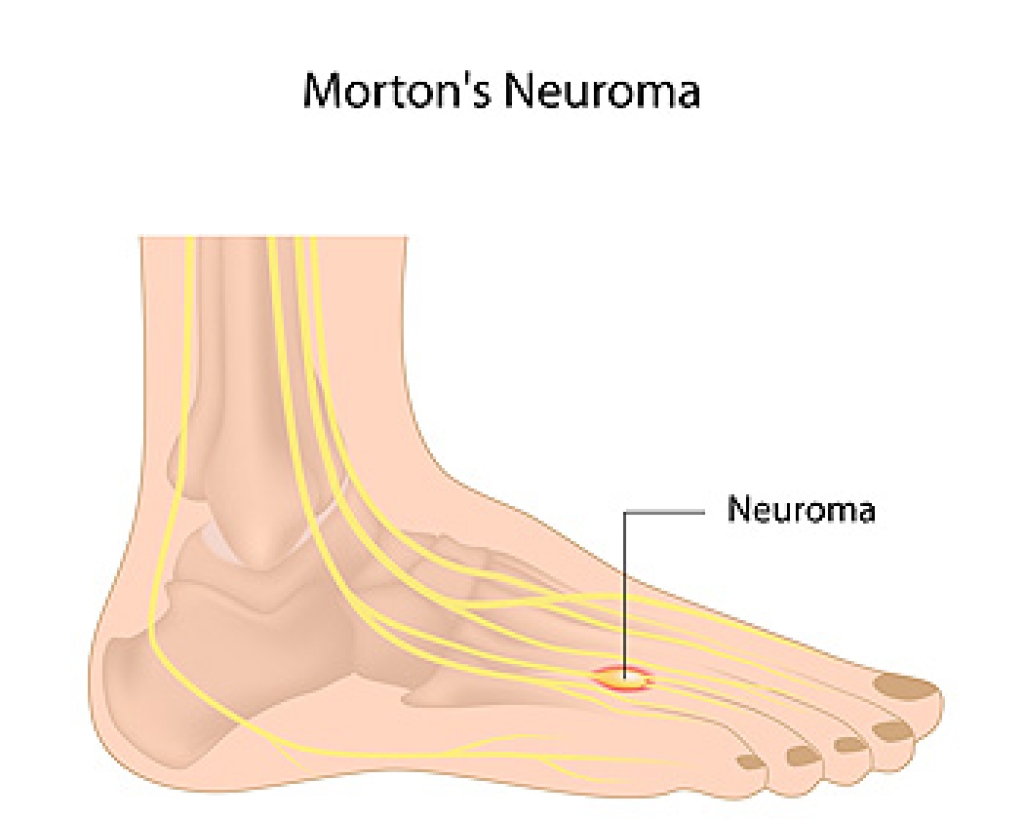
Morton’s neuroma is a condition in which the nerve tissue between the toes thickens, causing pain. The most common location for a Morton’s neuroma is the area between the third and fourth toes. Besides being painful, Morton’s neuroma can also cause tingling, burning, and cramping in the toes that worsens over time. Left untreated, the affected nerve may become permanently damaged. A podiatrist can diagnose Morton’s neuroma by examining the foot. Your doctor may squeeze the front of the foot or toes together to see if this produces symptoms. Imaging studies, such as an MRI or an ultrasound, may be ordered to confirm the diagnosis. X-rays, electromyography, and blood tests may also be recommended to rule out other conditions with similar symptoms. If you suspect that you may be suffering from Morton's neuroma, it is suggested that you seek the care of a podiatrist.

Morton’s neuroma is a very uncomfortable condition to live with. If you think you have Morton’s neuroma, contact Kevin Powers, DPM of The Center for Lower Extremity Nerve Surgery. Our doctor will attend to all of your foot care needs and answer any of your related questions.  

Morton’s Neuroma

Morton's neuroma is a painful foot condition that commonly affects the areas between the second and third or third and fourth toe, although other areas of the foot are also susceptible. Morton’s neuroma is caused by an inflamed nerve in the foot that is being squeezed and aggravated by surrounding bones.

What Increases the Chances of Having Morton’s Neuroma?

  • Ill-fitting high heels or shoes that add pressure to the toe or foot
  • Jogging, running or any sport that involves constant impact to the foot
  • Flat feet, bunions, and any other foot deformities

Morton’s neuroma is a very treatable condition. Orthotics and shoe inserts can often be used to alleviate the pain on the forefront of the feet. In more severe cases, corticosteroids can also be prescribed. In order to figure out the best treatment for your neuroma, it’s recommended to seek the care of a podiatrist who can diagnose your condition and provide different treatment options.

If you have any questions, please feel free to contact our offices located in Indianapolis and Bloomington, IN . We offer the newest diagnostic and treatment technologies for all your foot care needs.

Read more about Morton's Neuroma

Connect With Us