The Relationship Between Weight and Foot Health

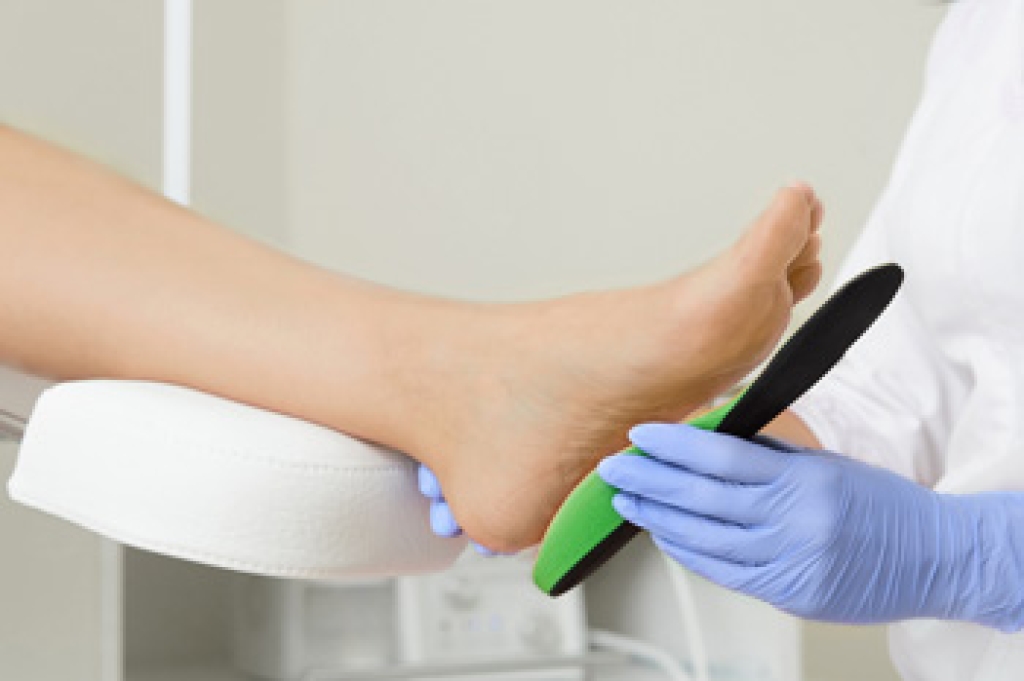
Obesity is a worldwide health concern. Being obese, which means your body mass index (BMI) is 30 or higher, is particularly troublesome for foot health. There is an important correlation between foot health and body weight, and obesity negatively impacts that relationship. Obesity can put excessive pressure on the feet and impact their functionality, while increasing the risk of developing plantar fasciitis, flat feet, Achilles tendinitis and more. Obesity can also lead to arthritis and diabetes—both of which are known to create foot and ankle problems. If you are experiencing pain or reduced mobility in the feet due to obesity, call a podiatrist who may be able to create custom orthotics to redistribute weight more evenly across your feet, while easing foot pain, and helping you walk better.

The more you weigh, the harder your feet must work to support your body. If you’re an obese individual and are concerned about your feet, contact Kevin Powers, DPM from The Center for Lower Extremity Nerve Surgery. Our doctor can provide the care you need to keep you pain-free and on your feet.

Obesity and Your Feet

People who are overweight are putting more pressure on their ankles, knees, and hips as well as their feet. This unfortunately can lead to variety of different issues.

Problems & Complications Stemming from Obesity

  • When the body is overweight, it tries to compensate by changing the way that it moves. An obese person may lean forward and put extra weight on the wrong part of the foot. This puts unnecessary stress on the feet.
  • Obese people are also more likely to develop type II diabetes which is a condition that causes a lot of foot problems. People with diabetes often don’t feel the cuts and sores that they may have on their feet, which can lead to more complicated and severe issues.
  • Plantar fasciitis is another foot condition that can be caused by obesity. Plantar fasciitis is an inflammation of the tissue along the bottom of the foot, which causes pain and stiffness while walking and climbing stairs.

If you have any questions please contact our offices located in Indianapolis and Bloomington, IN . We offer the newest diagnostic and treatment technologies for all your foot and ankle needs.

Read more about Obesity and the Feet

The Four Types of Athlete's Foot

Athlete’s foot, or tinea pedis, is a fungal infection of the skin fn the feet. There are four main types of athlete’s foot, all of which have a different clinical presentation. Chronic hyperkeratotic tinea pedis causes scaling and thickening of the skin on the soles of the feet. Chronic intertriginous tinea pedis causes scaling, redness, and peeling of the skin between and under the toes. Acute ulcerative tinea pedis is characterized by wet, swollen, pruney skin lesions with scaly borders between the toes. This type of athlete’s foot is more likely to get a secondary bacterial infection. Vesiculobullous tinea pedis is characterized by blisters forming on the soles of the feet. If you suspect that you have athlete’s foot, see a podiatrist for a proper diagnosis and treatment.

Athlete’s foot is an inconvenient condition that can be easily reduced with the proper treatment. If you have any concerns about your feet and ankles, contact Kevin Powers, DPM from The Center for Lower Extremity Nerve Surgery.  Our doctor will treat your foot and ankle needs.

Athlete’s Foot: The Sole Story

Athlete's foot, also known as tinea pedis, can be an extremely contagious foot infection. It is commonly contracted in public changing areas and bathrooms, dormitory style living quarters, around locker rooms and public swimming pools, or anywhere your feet often come into contact with other people.

Solutions to Combat Athlete’s Foot

  • Hydrate your feet by using lotion
  • Exfoliate
  • Buff off nails
  • Use of anti-fungal products
  • Examine your feet and visit your doctor if any suspicious blisters or cuts develop

Athlete’s foot can cause many irritating symptoms such as dry and flaking skin, itching, and redness. Some more severe symptoms can include bleeding and cracked skin, intense itching and burning, and even pain when walking. In the worst cases, Athlete’s foot can cause blistering as well. Speak to your podiatrist for a better understanding of the different causes of Athlete’s foot, as well as help in determining which treatment options are best for you.

If you have any questions please feel free to contact our offices located in Indianapolis and Bloomington, IN . We offer the newest diagnostic and treatment technologies for all your foot and ankle needs.

Read more about How to Deal with Athlete's Foot

Feet Can Be Affected by Diabetes

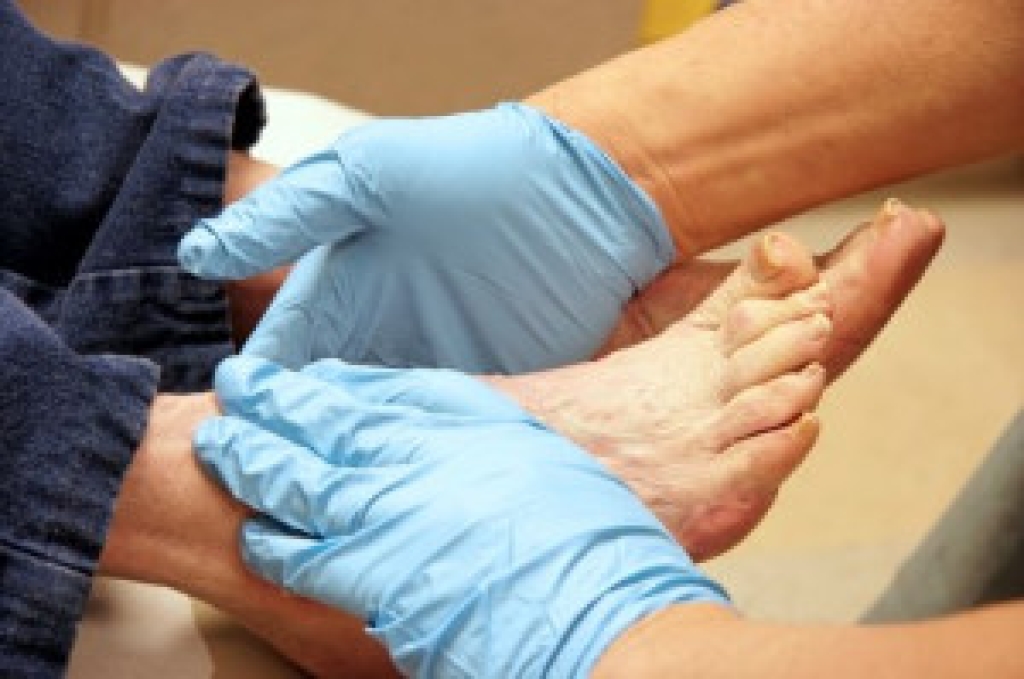
Diabetic patients can suffer serious medical complications if a foot wound is left untreated. This is because high blood sugar levels can impact the circulatory and nervous systems, leading to poor circulation and nerve damage, particularly in the feet. There are methods that can be implemented which can help to prevent complications from diabetes. These can include washing and drying the feet thoroughly, wearing shoes that fit correctly, and trimming the toenails properly. If you have diabetes, it is strongly suggested that you are under the care of a podiatrist who can help you to effectively manage your foot health. 

Diabetic foot care is important in preventing foot ailments such as ulcers. If you are suffering from diabetes or have any other concerns about your feet, contact Kevin Powers, DPM from The Center for Lower Extremity Nerve Surgery. Our doctor can provide the care you need to keep you pain-free and on your feet.

Diabetic Foot Care

Diabetes affects millions of people every year. The condition can damage blood vessels in many parts of the body, especially the feet. Because of this, taking care of your feet is essential if you have diabetes, and having a podiatrist help monitor your foot health is highly recommended.

The Importance of Caring for Your Feet

  • Routinely inspect your feet for bruises or sores.
  • Wear socks that fit your feet comfortably.
  • Wear comfortable shoes that provide adequate support.

Patients with diabetes should have their doctor monitor their blood levels, as blood sugar levels play such a huge role in diabetic care. Monitoring these levels on a regular basis is highly advised.

It is always best to inform your healthcare professional of any concerns you may have regarding your feet, especially for diabetic patients. Early treatment and routine foot examinations are keys to maintaining proper health, especially because severe complications can arise if proper treatment is not applied.

If you have any questions, please feel free to contact our offices located in Indianapolis and Bloomington, IN . We offer the newest diagnostic and treatment technologies for all your foot care needs.


Read more about How to Care for Diabetic Foot

Connect With Us