
Suffering from this type of pain? You may have the foot condition known as Morton's neuroma. Morton's neuroma may develop as a result of ill-fitting footwear and existing foot deformities. We can help.
Suffering from this type of pain? You may have the foot condition known as Morton's neuroma. Morton's neuroma may develop as a result of ill-fitting footwear and existing foot deformities. We can help.
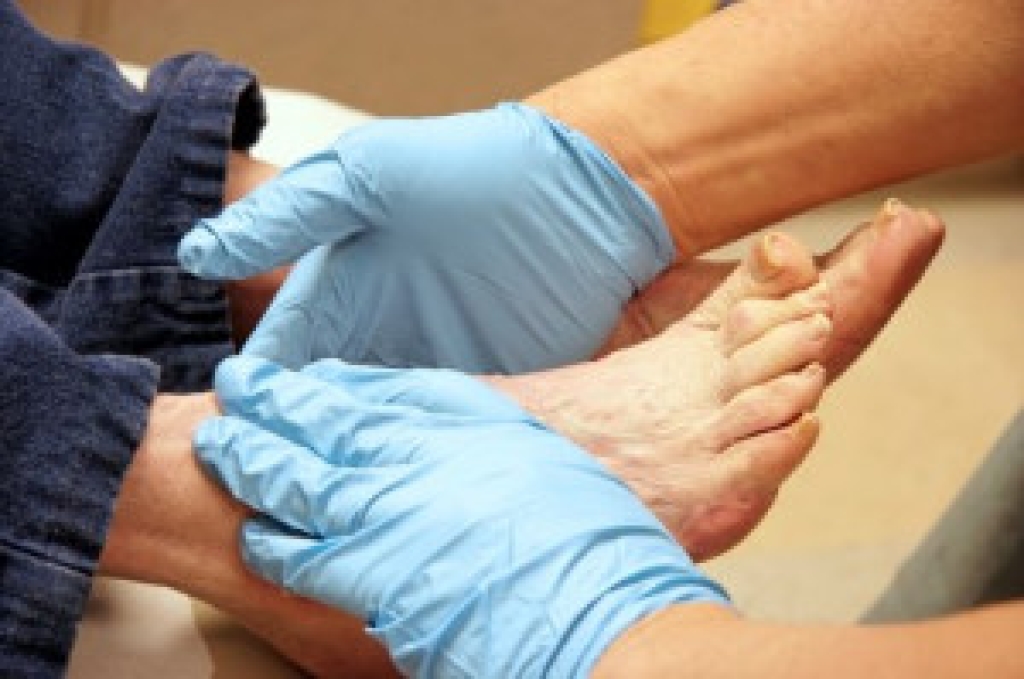
Diabetes, a metabolic disorder, can leave its imprint on the feet, serving as an important indicator of the condition. One prominent symptom is neuropathy, a tingling or numbness stemming from nerve damage. This often occurs in the feet, creating a heightened risk of injuries due to diminished sensation. Reduced blood circulation, another hallmark of diabetes, can lead to slow healing of wounds and ulcers on the feet, increasing vulnerability to infections. Changes in skin texture, such as dryness or peeling, may occur, reflecting the impact of fluctuating blood sugar levels. Regular foot examinations, along with meticulous care, become essential for individuals with diabetes to prevent complications. Acknowledging these subtle signs in the feet not only aids in the early detection of diabetes but also prompts timely intervention. If you have diabetes, it is strongly suggested that you are under the care of a podiatrist who can offer effective management strategies.
Diabetic foot care is important in preventing foot ailments such as ulcers. If you are suffering from diabetes or have any other concerns about your feet, contact Kevin Powers, DPM from The Center for Lower Extremity Nerve Surgery. Our doctor can provide the care you need to keep you pain-free and on your feet.
Diabetic Foot Care
Diabetes affects millions of people every year. The condition can damage blood vessels in many parts of the body, especially the feet. Because of this, taking care of your feet is essential if you have diabetes, and having a podiatrist help monitor your foot health is highly recommended.
The Importance of Caring for Your Feet
Patients with diabetes should have their doctor monitor their blood levels, as blood sugar levels play such a huge role in diabetic care. Monitoring these levels on a regular basis is highly advised.
It is always best to inform your healthcare professional of any concerns you may have regarding your feet, especially for diabetic patients. Early treatment and routine foot examinations are keys to maintaining proper health, especially because severe complications can arise if proper treatment is not applied.
If you have any questions, please feel free to contact our offices located in Indianapolis and Bloomington, IN . We offer the newest diagnostic and treatment technologies for all your foot care needs.

Pickleball, a sport combining elements of tennis, badminton, and table tennis, has surged in popularity, drawing players of all ages to its fast-paced and engaging court. As enthusiasts partake in this low-impact but high-energy activity, it is essential to be mindful of potential foot injuries associated with the sport. The dynamic lateral movements, abrupt stops, and quick pivots integral to pickleball can put strain on the feet, making players susceptible to injuries. Common foot issues may include ankle sprains due to sudden changes in direction, plantar fasciitis from repetitive jumping and running, and stress fractures resulting from the intense impact on the feet. Understanding the sport's demands and the potential injuries it can cause enables players to adopt preventive measures, such as wearing proper footwear, engaging in stretching routines, and getting adequate rest. If you have endured a foot injury from playing pickleball, it is suggested that you visit a podiatrist who can treat it accordingly.
Ankle and foot injuries are common among athletes and in many sports. They can be caused by several problems and may be potentially serious. If you are feeling pain or think you were injured in a sporting event or when exercising, consult with Kevin Powers, DPM from The Center for Lower Extremity Nerve Surgery. Our doctor will assess your condition and provide you with quality foot and ankle treatment.
Common Injuries
The most common injuries that occur in sporting activities include:
Symptoms
Symptoms vary depending upon the injury and in some cases, there may be no symptoms at all. However, in most cases, some form of symptom is experienced. Pain, aching, burning, bruising, tenderness, tightness or stiffness, sensation loss, difficulty moving, and swelling are the most common symptoms.
Treatment
Just as symptoms vary depending upon the injury, so do treatment options. A common treatment method is known as the RICE method. This method involves rest, applying ice, compression and elevating the afflicted foot or ankle. If the injury appears to be more serious, surgery might be required, such as arthroscopic or reconstructive surgery. Lastly, rehabilitation or therapy might be needed to gain full functionality in the afflicted area. Any discomfort experienced by an athlete must be evaluated by a licensed, reputable medical professional.
If you have any questions please contact our offices located in Indianapolis and Bloomington, IN . We offer the newest diagnostic and treatment technologies for all your foot and ankle needs.

High heels, synonymous with style and sophistication, often come at a cost to foot health, profoundly influencing foot posture. The elevated heel forces a redistribution of body weight, prompting a forward tilt of the pelvis and altering the natural curvature of the spine. This shift places increased pressure on the balls of the feet, and may lead to conditions such as metatarsalgia, characterized by pain and inflammation in the front part of the foot. The Achilles tendon undergoes increased tension, potentially causing tightness and discomfort. Prolonged wear of high heels can contribute to the shortening of the calf muscles, limiting flexibility and disrupting the overall biomechanics of the foot. Ankle instability and a higher risk of sprains are also associated with frequent high heel use. Understanding the impact of high heels on foot posture emphasizes the importance of moderation and the occasional choice of comfortable footwear to maintain optimal foot health. If you are experiencing foot pain brought about by wearing high heels, it is suggested that you confer with a podiatrist for treatment options.
High heels have a history of causing foot and ankle problems. If you have any concerns about your feet or ankles, contact Kevin Powers, DPM from The Center for Lower Extremity Nerve Surgery. Our doctor can provide the care you need to keep you pain-free and on your feet.
Effects of High Heels on the Feet
High heels are popular shoes among women because of their many styles and societal appeal. Despite this, high heels can still cause many health problems if worn too frequently.
Which Parts of My Body Will Be Affected by High Heels?
What Kinds of Foot Problems Can Develop from Wearing High Heels?
How Can I Still Wear High Heels and Maintain Foot Health?
If you want to wear high heeled shoes, make sure that you are not wearing them every day, as this will help prevent long term physical problems. Try wearing thicker heels as opposed to stilettos to distribute weight more evenly across the feet. Always make sure you are wearing the proper shoes for the right occasion, such as sneakers for exercising. If you walk to work, try carrying your heels with you and changing into them once you arrive at work. Adding inserts to your heels can help cushion your feet and absorb shock. Full foot inserts or metatarsal pads are available.
If you have any questions, please feel free to contact our offices located in Indianapolis and Bloomington, IN . We offer the newest diagnostic and treatment technologies for all your foot care needs.
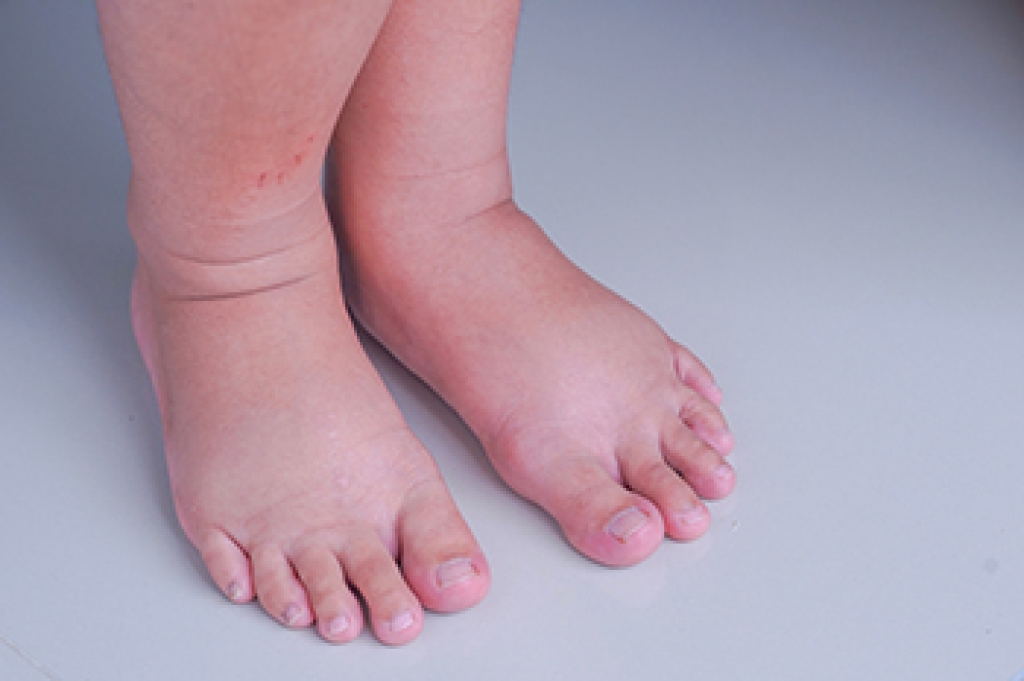
Lymphoedema is a condition where the legs or feet swell due to fluid buildup because the body's lymphatic system, which functions similarly to veins, is struggling to remove it. This swelling is called edema and can happen when you do not move enough, such as after sitting for long periods during a flight. Persistent swelling of the feet, swelling that lasts over three months, is known as chronic edema, which suggests the beginning of lymphatic failure or early lymphoedema. If left untreated, chronic foot edema can cause skin changes, deeper tissue damage, and increase the risk of infections such as cellulitis. It is often associated with chronic venous insufficiency. Various factors can contribute to lymphoedema, including genetics, obesity, inactivity, vein problems, or damage from cancer treatments. Joint surgery may also impair lymphatic vessels, leading to lymphoedema. If you are experiencing swollen feet on a regular basis, it is suggested that you make an appointment with a podiatrist as quickly as possible to obtain treatment and prevent serious complications.
Swollen feet can be a sign of an underlying condition. If you have any concerns, contact Kevin Powers, DPM of The Center for Lower Extremity Nerve Surgery. Our doctor can provide the care you need to keep you pain-free and on your feet.
Swollen feet are a common ailment among pregnant women and people who stand or sit for extended periods. Aging may increase the possibility of swollen feet and patients who are obese often notice when their feet are swelling too. There may be medical reasons why swollen feet occur:
Swollen feet can also be caused by bone and tendon conditions, including fractures, arthritis, and tendinitis. Additionally, there may be skin and toenail conditions and an infection may cause the feet to swell. Patients who take medicine to treat high blood pressure may be prone to getting swollen feet.
Many patients elevate their feet to help relieve the swelling and this is generally a temporary remedy. When a podiatrist is consulted the reason behind the swelling can be uncovered and subsequently treated.
If you have any questions please contact our offices located in Indianapolis and Bloomington, IN . We offer the newest diagnostic and treatment technologies for all your foot and ankle needs.
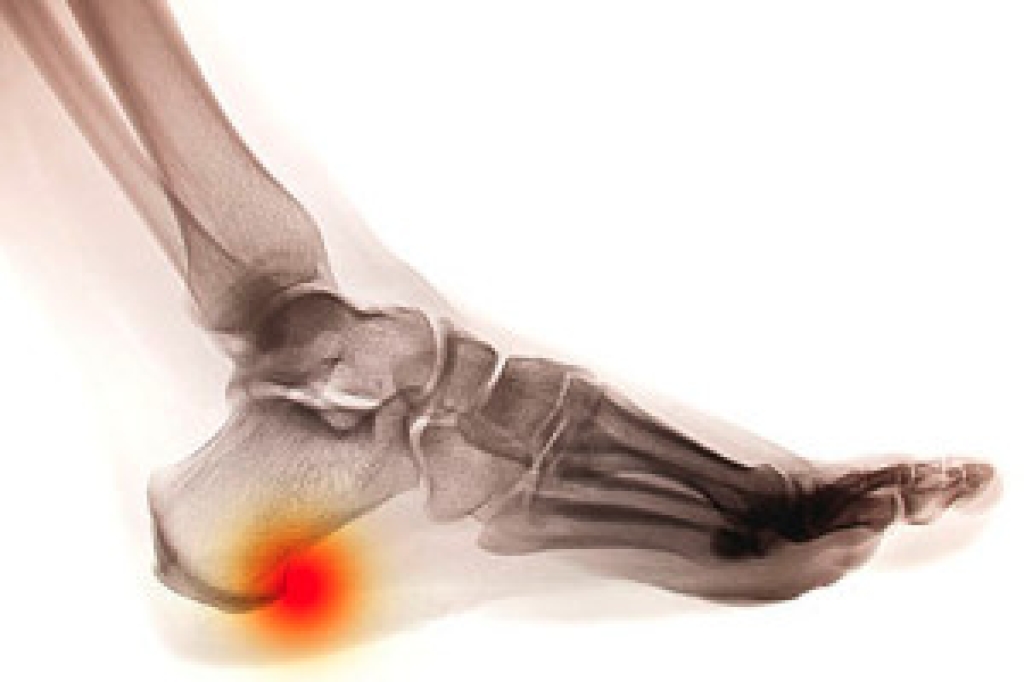
Heel spurs are bony outgrowths at the base of the heel bone, and implementing targeted exercises is a proactive approach to managing heel spur pain. Stretching exercises, such as towel curls and toe stretches, help maintain flexibility in the foot's connective tissues, mitigating strain on the heel. Calf stretches, performed against a wall, alleviate tension in the Achilles tendon, and may help to reduce the impact on the heel spur. Rolling a frozen water bottle under the foot not only provides relief but also minimizes inflammation. Incorporating these exercises into a regular routine can contribute to the gradual alleviation of heel spur discomfort. It is imperative to approach these exercises with patience, allowing the body time to adapt and heal. Consultation with a podiatrist is advisable to tailor exercises to individual needs. If you have developed a heel spur, it is suggested that you schedule an appointment with a podiatrist who can effectively diagnose and treat this condition.
Heel spurs can be incredibly painful and sometimes may make you unable to participate in physical activities. To get medical care for your heel spurs, contact Kevin Powers, DPM from The Center for Lower Extremity Nerve Surgery. Our doctor will do everything possible to treat your condition.
Heels Spurs
Heel spurs are formed by calcium deposits on the back of the foot where the heel is. This can also be caused by small fragments of bone breaking off one section of the foot, attaching onto the back of the foot. Heel spurs can also be bone growth on the back of the foot and may grow in the direction of the arch of the foot.
Older individuals usually suffer from heel spurs and pain sometimes intensifies with age. One of the main condition's spurs are related to is plantar fasciitis.
Pain
The pain associated with spurs is often because of weight placed on the feet. When someone is walking, their entire weight is concentrated on the feet. Bone spurs then have the tendency to affect other bones and tissues around the foot. As the pain continues, the feet will become tender and sensitive over time.
Treatments
There are many ways to treat heel spurs. If one is suffering from heel spurs in conjunction with pain, there are several methods for healing. Medication, surgery, and herbal care are some options.
If you have any questions, please feel free to contact our offices located in Indianapolis and Bloomington, IN . We offer the newest diagnostic and treatment technologies for all your foot care needs.

Heel pain can negatively affect your day-to-day life. Simple activities like walking can become incredibly uncomfortable or painful due to heel pain.
Don’t live with heel pain and get treated.

Running enthusiasts often face the challenge of foot and ankle injuries, with plantar fasciitis being a common adversary, constituting approximately 25% of running-related issues. This condition involves inflammation of the thick band of tissue, the plantar fascia, connecting the heel bone to the toes. To mitigate the risk of plantar fasciitis and other foot and ankle injuries, careful consideration of footwear is essential. Choose running shoes with proper arch support and cushioning, as inadequate footwear contributes significantly to plantar fasciitis. Regularly replacing shoes is also needed to maintain their effectiveness. Further, gradual progression in running intensity or distance is vital, as abrupt increases can strain the plantar fascia and lead to injury. Incorporating a pre-run stretching routine targeting the calves, Achilles tendon, and plantar fascia enhances flexibility, reducing the likelihood of injuries. Equally important is a focus on foot strengthening exercises, such as toe curls and resistance band exercises, which contribute to better support and reduce the overall risk of foot and ankle issues. By understanding and addressing these factors, runners can take proactive steps to keep their feet pain-free, ensuring a sustained and enjoyable running experience. If persistent discomfort arises, it is suggested that you schedule an appointment with a podiatrist for personalized guidance on managing plantar fasciitis.
Plantar fasciitis can be very painful and inconvenient. If you are experiencing heel pain or symptoms of plantar fasciitis, contact Kevin Powers, DPM from The Center for Lower Extremity Nerve Surgery. Our doctor can provide the care you need to keep you pain-free and on your feet.
What Is Plantar Fasciitis?
Plantar fasciitis is the inflammation of the thick band of tissue that runs along the bottom of your foot, known as the plantar fascia, and causes mild to severe heel pain.
What Causes Plantar Fasciitis?
How Can It Be Treated?
While very treatable, plantar fasciitis is definitely not something that should be ignored. Especially in severe cases, speaking to your doctor right away is highly recommended to avoid complications and severe heel pain. Your podiatrist can work with you to provide the appropriate treatment options tailored to your condition.
If you have any questions, please feel free to contact our offices located in Indianapolis and Bloomington, IN . We offer the newest diagnostic and treatment technologies for all your foot care needs.
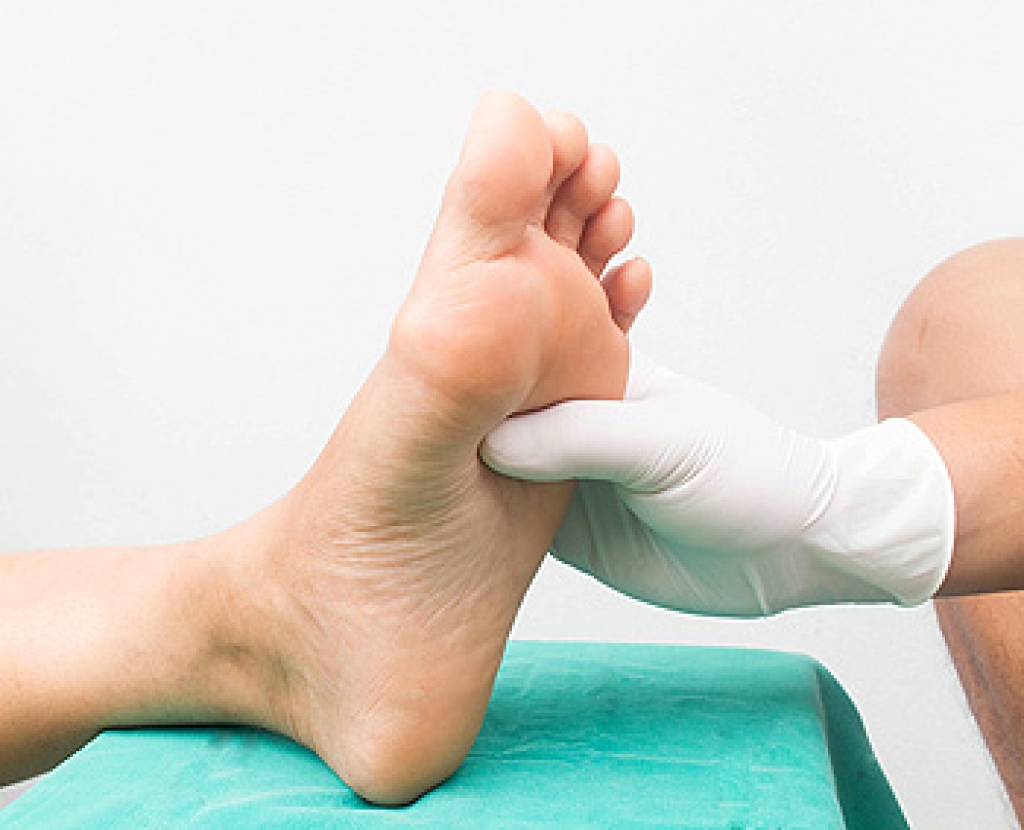
Charcot-Marie-Tooth disorder, or CMT, is an inherited neurological disorder that affects individuals globally. CMT is characterized by a gradual degeneration of muscles in the foot, lower leg, hand, and forearm, accompanied by a mild loss of sensation in limbs, fingers, and toes. The initial signs of Charcot-Marie-Tooth disorder are often a high-arched foot or difficulties in walking. Additional symptoms can include foot bone abnormalities like hammer toes, challenges with balance, occasional muscle cramping in lower legs, and loss of reflexes. While there is currently no cure for CMT, proper foot care, including wearing custom-made shoes and leg braces, can alleviate discomfort and help retain function. Moderate activity are often recommended to maintain muscle strength, with adaptive devices or surgery considered based on medical indications. Most individuals can continue to work, and wheelchair confinement is rare. For help in managing Charcot-Marie-Tooth disorder, it is suggested that you schedule an appointment with a podiatrist.
Some foot conditions may require additional professional care. If you have any concerns, contact Kevin Powers, DPM of The Center for Lower Extremity Nerve Surgery. Our doctor can provide the care you need to keep you pain-free and on your feet.
Rare Foot Conditions
The majority of foot conditions are common and can be treated by a podiatrist. Standard diagnostic procedures are generally used to identify specific conditions and treatment can be rendered. A podiatrist also treats rare foot conditions which can be difficult to diagnose and may need extra attention and care.
There are many rare foot conditions that can affect children. Some of these can include:
Freiberg’s disease - This can be seen as a deterioration and flattening of a metatarsal bone that exists in the ball of the foot. It typically affects pre-teen and teenage girls, but can affect anyone at any age. Symptoms that can accompany this can be swelling, stiffness, and the patient may limp.
Kohler’s disease - This often targets the bone in the arch of the foot and affects younger boys. It can lead to an interruption of the blood supply which ultimately can lead to bone deterioration. The patient may limp or experience tenderness, swelling, and redness.
Maffucci syndrome - This affects the long bones in a child’s foot leading to the development of abnormal bone lesions. They are benign growths and typically develop in early childhood and the bones may be susceptible to breaking.
A podiatrist can properly diagnose and treat all types of rare foot conditions. If your child is affected by any of these symptoms or conditions, please don’t hesitate to call our office so the correct treatment method can begin.
If you have any questions, please feel free to contact our offices located in Indianapolis and Bloomington, IN . We offer the newest diagnostic and treatment technologies for all your foot care needs.
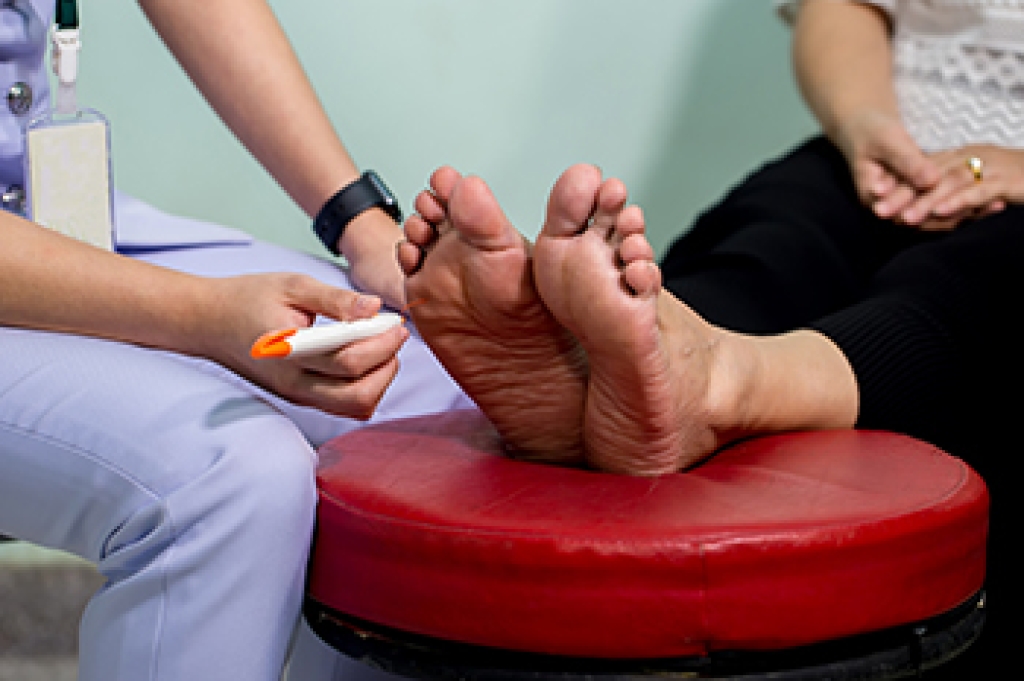
If you have diabetes, prioritizing your foot care plays an essential part in preventing serious complications. A diabetic foot care routine begins by inspecting your feet daily for any signs of trouble such as cuts, redness, swelling, sores, blisters, corns, or calluses. Wash your feet daily in warm water, using a mild soap. Ensure thorough drying, especially between the toes, to prevent moisture related issues. Avoid walking barefoot, even inside your home, to protect your feet from potential injuries and infections. Choose shoes that fit well and provide proper support and protection. Always wear socks to reduce friction and to help in keeping your feet dry. When it comes to toenail care, trim them straight across and smooth out sharp edges with a nail file. Avoid cutting too close to the skin to prevent ingrown toenails. Seek professional help for the removal of corns or calluses, as attempting to do it yourself may lead to complications. Incorporating these simple, yet effective, practices into your daily routine can significantly reduce the risk of foot complications associated with diabetes. Periodic monitoring from a podiatrist is essential to avoiding problems such as foot ulcers. If you have diabetes, regular visits to a podiatrists are recommended.
Diabetic foot care is important in preventing foot ailments such as ulcers. If you are suffering from diabetes or have any other concerns about your feet, contact Kevin Powers, DPM from The Center for Lower Extremity Nerve Surgery. Our doctor can provide the care you need to keep you pain-free and on your feet.
Diabetic Foot Care
Diabetes affects millions of people every year. The condition can damage blood vessels in many parts of the body, especially the feet. Because of this, taking care of your feet is essential if you have diabetes, and having a podiatrist help monitor your foot health is highly recommended.
The Importance of Caring for Your Feet
Patients with diabetes should have their doctor monitor their blood levels, as blood sugar levels play such a huge role in diabetic care. Monitoring these levels on a regular basis is highly advised.
It is always best to inform your healthcare professional of any concerns you may have regarding your feet, especially for diabetic patients. Early treatment and routine foot examinations are keys to maintaining proper health, especially because severe complications can arise if proper treatment is not applied.
If you have any questions, please feel free to contact our offices located in Indianapolis and Bloomington, IN . We offer the newest diagnostic and treatment technologies for all your foot care needs.
Connect With Us
