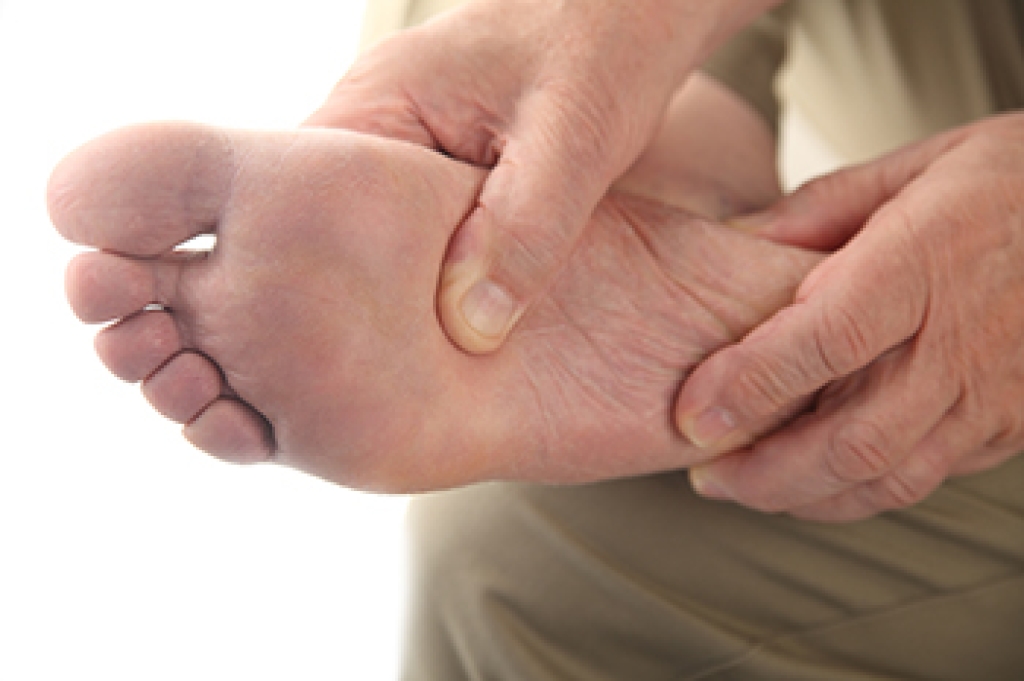
Obesity Negatively Affects the Feet

Studies have shown there is a negative relationship between body mass index, foot biomechanics, and the feet. In short, the heavier you are, the more likely you are to experience foot, heel, and ankle pain. Excess weight can also contribute to gout, osteoarthritis, plantar fasciitis, flat feet, and overpronation. It is commonly held that the feet can absorb from three to six times the weight of your body in force, such as walking, running, and jumping. A BMI over 30 doubles the risk of an ankle injury, but losing even five pounds can reduce the amount of pressure in the feet and ankles by 30 pounds. Some simple foot strengthening exercises such as scrunching up a towel with your toes can help reduce the effects of obesity. In addition, experts suggest wearing shoes that fit properly, provide ample arch support, and have adequate heel cushioning. And finally, a gradual weight loss regime can help to lighten the pressure on your feet. For more information on dealing with obesity and the resulting problems it may cause in the feet and ankles, please consult a podiatrist.

The more you weigh, the harder your feet must work to support your body. If you’re an obese individual and are concerned about your feet, contact Kevin Powers, DPM from The Center for Lower Extremity Nerve Surgery. Our doctor can provide the care you need to keep you pain-free and on your feet.

Obesity and Your Feet

People who are overweight are putting more pressure on their ankles, knees, and hips as well as their feet. This unfortunately can lead to variety of different issues.

Problems & Complications Stemming from Obesity

  • When the body is overweight, it tries to compensate by changing the way that it moves. An obese person may lean forward and put extra weight on the wrong part of the foot. This puts unnecessary stress on the feet.
  • Obese people are also more likely to develop type II diabetes which is a condition that causes a lot of foot problems. People with diabetes often don’t feel the cuts and sores that they may have on their feet, which can lead to more complicated and severe issues.
  • Plantar fasciitis is another foot condition that can be caused by obesity. Plantar fasciitis is an inflammation of the tissue along the bottom of the foot, which causes pain and stiffness while walking and climbing stairs.

If you have any questions please contact our offices located in Indianapolis and Bloomington, IN . We offer the newest diagnostic and treatment technologies for all your foot and ankle needs.


Read more about How Obesity Affects Your Feet

Several Reasons for an Achilles Tendon Injury

The Achilles tendon is located in the calf, and when injured, it can become extremely painful. This tendon connects the heel to the calf muscles and is the largest tendon in the body. An injury to this tendon can make it difficult, if not impossible, to walk, and prompt medical attention is often sought. An Achilles tendon injury can occur from gradual overuse, and it may be common in people who increase speed and distance too quickly while running. The symptoms that many people experience with this type of injury can include pain at the back of the heel, and the affected area may be warm and tender. There may be additional reasons why this condition may happen. These can consist of being overweight, wearing shoes that do not fit properly, or possibly having flat feet. If you have pain in this part of your foot, it is strongly urged that you are under the care of a podiatrist who can perform a diagnosis, and offer correct treatment options.

Achilles tendon injuries need immediate attention to avoid future complications. If you have any concerns, contact Kevin Powers, DPM of The Center for Lower Extremity Nerve Surgery. Our doctor can provide the care you need to keep you pain-free and on your feet.

What Is the Achilles Tendon?

The Achilles tendon is a tendon that connects the lower leg muscles and calf to the heel of the foot. It is the strongest tendon in the human body and is essential for making movement possible. Because this tendon is such an integral part of the body, any injuries to it can create immense difficulties and should immediately be presented to a doctor.

What Are the Symptoms of an Achilles Tendon Injury?

There are various types of injuries that can affect the Achilles tendon. The two most common injuries are Achilles tendinitis and ruptures of the tendon.

Achilles Tendinitis Symptoms

  • Inflammation
  • Dull to severe pain
  • Increased blood flow to the tendon
  • Thickening of the tendon

Rupture Symptoms

  • Extreme pain and swelling in the foot
  • Total immobility

Treatment and Prevention

Achilles tendon injuries are diagnosed by a thorough physical evaluation, which can include an MRI. Treatment involves rest, physical therapy, and in some cases, surgery. However, various preventative measures can be taken to avoid these injuries, such as:

  • Thorough stretching of the tendon before and after exercise
  • Strengthening exercises like calf raises, squats, leg curls, leg extensions, leg raises, lunges, and leg presses

If you have any questions please feel free to contact our offices located in Indianapolis and Bloomington, IN . We offer the newest diagnostic tools and technology to treat your foot and ankle needs.

Read more about Achilles Tendon Injuries

Shoes Differ for Running and Walking

The foot moves differently while walking than it does when running. Podiatrists suggest buying shoes that would best serve the foot for the intended sport. When people run, the feet typically support approximately twice the weight of the body, and there are times when the foot is completely in the air. This is followed by an impact on the ground, and running shoes are designed to distribute weight throughout the foot. This type of shoe is generally constructed with extra mesh and can help to absorb body heat in addition to supporting the foot. People who enjoy walking can purchase lighter shoes. These types of shoes are made with less cushioning than running shoes and have extra shock absorbers in the heel and arch area. This may be beneficial in preventing foot and ankle injuries. If you would like more information about the differences between running and walking shoes, please confer with a podiatrist.

For more information about walking shoes versus running shoes, consult with Kevin Powers, DPM from The Center for Lower Extremity Nerve Surgery. Our doctor can measure your feet to determine what your needs are and help you find an appropriate pair of footwear.

Foot Health: The Differences between Walking & Running Shoes

There are great ways to stay in shape: running and walking are two great exercises to a healthy lifestyle. It is important to know that running shoes and walking shoes are not interchangeable. There is a key difference on how the feet hit the ground when someone is running or walking. This is why one should be aware that a shoe is designed differently for each activity.

You may be asking yourself what the real differences are between walking and running shoes and the answers may shock you.

Differences

Walking doesn’t involve as much stress or impact on the feet as running does. However, this doesn’t mean that you should be any less prepared. When you’re walking, you land on your heels and have your foot roll forward. This rolling motion requires additional support to the feet.

Flexibility – Walking shoes are designed to have soft, flexible soles. This allows the walker to push off easily with each step.

If you have any questions, please feel free to contact our offices located in Indianapolis and Bloomington, IN . We offer the newest diagnostic and treatment technologies for all your foot care needs.

Read more about Differences between Walking and Running Shoes

Trimming the Toenails and Checking the Feet

The importance of practicing exceptional foot care for diabetic patients is crucial in preventing dangerous foot wounds from developing. It is beneficial to implement a simple, daily foot care routine. These can include washing and drying the feet, followed by checking the soles for any cuts or bruises that may have happened. Many people find it helpful to use a mirror to accomplish this, or it can also be done with the help of a family member or caregiver. Diabetes is caused by elevated blood sugar levels, and many times can be controlled by implementing healthy eating habits. Additionally, it is suggested for diabetic patients to stop smoking, as this can contribute to foot wounds. The risk can be reduced for an ingrown toenail to develop by properly trimming the toenails once per week. If you have diabetes, it is strongly suggested that you are under the care of a podiatrist who can help you to manage this condition, and guide you toward additional foot care practices.

Diabetic foot care is important in preventing foot ailments such as ulcers. If you are suffering from diabetes or have any other concerns about your feet, contact Kevin Powers, DPM from The Center for Lower Extremity Nerve Surgery. Our doctor can provide the care you need to keep you pain-free and on your feet.

Diabetic Foot Care

Diabetes affects millions of people every year. The condition can damage blood vessels in many parts of the body, especially the feet. Because of this, taking care of your feet is essential if you have diabetes, and having a podiatrist help monitor your foot health is highly recommended.

The Importance of Caring for Your Feet

  • Routinely inspect your feet for bruises or sores.
  • Wear socks that fit your feet comfortably.
  • Wear comfortable shoes that provide adequate support.

Patients with diabetes should have their doctor monitor their blood levels, as blood sugar levels play such a huge role in diabetic care. Monitoring these levels on a regular basis is highly advised.

It is always best to inform your healthcare professional of any concerns you may have regarding your feet, especially for diabetic patients. Early treatment and routine foot examinations are keys to maintaining proper health, especially because severe complications can arise if proper treatment is not applied.

If you have any questions, please feel free to contact our offices located in Indianapolis and Bloomington, IN . We offer the newest diagnostic and treatment technologies for all your foot care needs.

Read more about Diabetic Foot Care

Heel Pain Can Be Treated!

Do you suffer from heel pain when you get up in the morning? If so, you should seek professional help and have a proper diagnosis performed. Heel pain can be caused by several different foot-related conditions.

Connect With Us