
Ways to Avoid Getting Blisters Caused by Running

Blisters are a common occurrence for runners, and it is a good idea to find ways to avoid getting them. A blister is caused by continuous rubbing of the skin of the feet and toes against the inside of the running shoe. As the skin is disturbed it forms a pocket that fills with fluid, which if ignored will likely pop and possibly become infected. It also can become extremely painful. To avoid blisters, take a look at your footwear. Choose a running shoe that provides ample room for your toes and properly supports the arch. It is suggested that you break in your new shoes gently before taking a long run. It is equally important to wear socks that minimize friction, offer additional support for your feet, and wick moisture, all of which can help to combat the formation of blisters. Further, some running experts recommend moisturizing your feet prior to a run, to reduce friction. If you have a history of blisters, or if you have one that is causing extreme pain, please see a podiatrist as soon as possible for other treatment options. 

Exercising your feet regularly with the proper foot wear is a great way to prevent injuries. If you have any concerns about your feet, contact Kevin Powers, DPM of The Center for Lower Extremity Nerve Surgery. Our doctor will treat your foot and ankle needs.

How to Prevent Running Injuries

Many common running injuries are caused by overuse and overtraining. When the back of the kneecap starts wearing out and starts causing pain in your knee, this is commonly referred to as runner’s knee. Runner’s knee is a decrease in strength in your quadriceps and can occur if you’re not wearing properly fitted or supporting shoes. To prevent runner’s knee, focusing on hip strengthening is a good idea, as well as strengthening your quads to keep the kneecaps aligned.

What Are Some Causes of Running Injuries? 
- One cause of a common running injury is called iliotibial band syndrome.
- Plantar fasciitis is also another common injury.
- Stress fractures can occur from overtraining, lack of calcium, or even your running style.

Best Ways to Prevent Running Injuries
- Wear footwear that fits properly and suits your running needs.
- Running shoes are the only protective gear that runners have to safeguard them from injury.
- Make a training schedule. Adding strengthening exercises as well as regular stretching can help keep you strong and limber and can lessen the possibility of injuries.
- Stretching keeps muscles limber; this will help you gain better flexibility.

If you have any questions, please feel free to contact our offices located in Indianapolis and Bloomington, IN . We offer the newest diagnostic and treatment technologies for all your foot care needs.


Read more about How to Prevent Running Injuries

Complications of Peripheral Neuropathy

When the nerves in the extremities (feet and hands) are damaged, a condition known as peripheral neuropathy can develop. Diabetes is thought to be a major contributor to peripheral neuropathy. Symptoms can include numbness, shooting pain, tingling, and swelling. Among the most serious complications of this condition are developing foot ulcers, gangrene, and cardiovascular problems. A diabetic foot ulcer is simply a wound (usually on the foot) that takes a long time to heal. Because the foot is numb, it is often difficult to know when you have been injured or developed blisters. These sores can easily become infected, and if left untreated can then develop into gangrene. In extreme cases, gangrene can lead to amputation or even death. If you have a sore that won’t heal, have diabetes, or feel numbness in your feet and toes, it is extremely important to see a podiatrist as soon as possible for an exam, diagnosis and treatment options.   

Neuropathy

Neuropathy can be a potentially serious condition, especially if it is left undiagnosed. If you have any concerns that you may be experiencing nerve loss in your feet, consult with Kevin Powers, DPM from The Center for Lower Extremity Nerve Surgery. Our doctor will assess your condition and provide you with quality foot and ankle treatment for neuropathy.

What Is Neuropathy?

Neuropathy is a condition that leads to damage to the nerves in the body. Peripheral neuropathy, or neuropathy that affects your peripheral nervous system, usually occurs in the feet. Neuropathy can be triggered by a number of different causes. Such causes include diabetes, infections, cancers, disorders, and toxic substances.

Symptoms of Neuropathy Include:

  • Numbness
  • Sensation loss
  • Prickling and tingling sensations
  • Throbbing, freezing, burning pains
  • Muscle weakness

Those with diabetes are at serious risk due to being unable to feel an ulcer on their feet. Diabetics usually also suffer from poor blood circulation. This can lead to the wound not healing, infections occurring, and the limb may have to be amputated.

Treatment

To treat neuropathy in the foot, podiatrists will first diagnose the cause of the neuropathy. Figuring out the underlying cause of the neuropathy will allow the podiatrist to prescribe the best treatment, whether it be caused by diabetes, toxic substance exposure, infection, etc. If the nerve has not died, then it’s possible that sensation may be able to return to the foot.

Pain medication may be issued for pain. Electrical nerve stimulation can be used to stimulate nerves. If the neuropathy is caused from pressure on the nerves, then surgery may be necessary.

If you have any questions, please feel free to contact our offices located in Indianapolis and Bloomington, IN . We offer the newest diagnostic and treatment technologies for all your foot care needs.

Read more about Neuropathy

Why Live with Pain and Numbness in Your Feet?

Suffering from this type of pain? You may have the foot condition known as Morton's neuroma. Morton's neuroma may develop as a result of ill-fitting footwear and existing foot deformities. We can help.

How You Can Protect Your Limbs as a Diabetic

While complications of diabetes, such as poor circulation and neuropathy, can make a wound easier to develop and harder to detect and heal, there are many preventative measures you and your podiatrist can take to reduce your risk of amputation. On your end, make foot care a priority. Wear shoes and socks that fit well and don’t rub against any part of your feet or cut off circulation. Avoid walking barefoot. Elevate your feet and wiggle your toes frequently to keep the blood flowing. Eat a balanced diet and exercise to help manage your sugar levels and maintain a healthy body weight. Don’t smoke. Inspect your feet twice a day, using a mirror if needed, to see the bottom of your feet. Get to your podiatrist right away if you spot anything unusual. Early recognition/treatment of a problem can greatly reduce your risk of amputation. Some wounds may be avoided by getting regular foot screenings and having a podiatrist trim your toenails and treat any corns or calluses. They may also prescribe diabetic shoes and create custom orthotics to prevent foot injuries. If a wound does develop, your podiatrist can dress your wound appropriately, remove dead skin and tissue (debridement), reduce pressure and friction on the wound, and help restore adequate blood flow. They can also advise you on how to properly care for your wound at home. In cases where a higher level of wound care is necessary, your podiatrist may be able to use skin or bone grafts, or perform reconstructive surgery to replace or rebuild infected or necrotic bones, tendons and tissue.

Limb salvage can be an effective way in preventing the need for limb amputation. If you have diabetes, cancer, or any other condition that could lead to foot amputation if left unchecked, consult with Kevin Powers, DPM from The Center for Lower Extremity Nerve Surgery. Our doctor will assess your condition and provide you with quality foot and ankle treatment.

What Is Limb Salvage?

Limb salvage is the attempt of saving a limb, such as the foot from amputation. Podiatrists also try to make sure that there is enough function in the foot after the salvage that it is still usable. Diabetes is the number one cause of non-traumatic amputations in the United States. Those with diabetes experience poor blood circulation, which prevents proper healing of an ulcer. If the ulcer is left uncheck, it could become infected, which could result in the need for amputation.

However, there are other causes as well, such as cancer and traumatic injury. Links between higher mortality rates and amputation have been found. This translates into higher healthcare costs, and a reduced quality of life and mobility for amputees. Podiatrists have attempted to increase the prevalence of limb salvage in an attempt to solve these issues.

Diagnosis and Treatment

Limb salvage teams have grown in recent years that utilize a number of different treatments to save the infected limb. This includes podiatrists that specialize in wound care, rehabilitation, orthotics, and surgery. Through a combination of these methods, limb salvage has been found to be an effective treatment for infected limbs, and as an alternative to amputation. Podiatrists will first evaluate the potential for limb salvage and determine if the limb can be saved or must be amputated. 

If you have any questions, please feel free to contact our offices located in Indianapolis and Bloomington, IN . We offer the newest diagnostic and treatment technologies for all your foot care needs.
Read more about Limb Salvage

What Can I Do About Athlete’s Foot?

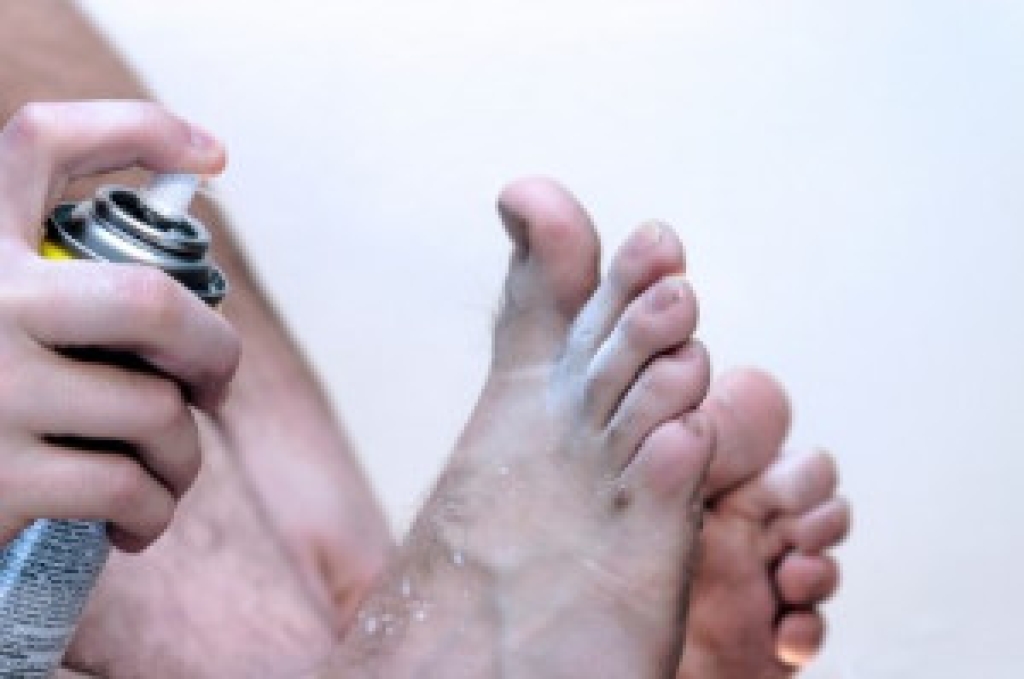
Anyone can get athlete’s foot, particularly if they have damp or sweaty feet, because it is a fungal infection that thrives in warm, moist conditions. The main symptoms are itchy blisters, redness, and scaling either between the toes or on the soles of the feet. Athlete’s foot, known as tinea pedis, is extremely contagious and most apt to be spread in gym locker rooms, pool showers, or anywhere infected people walk barefoot. While athlete’s foot is not particularly serious, it can become a problem because it can easily spread to other parts of the body, such as toenails and hands. The best way to prevent it is to wear foot coverings in places where it is likely to spread. Second, it’s a good idea to make sure your feet are clean and completely dry and wear absorbent socks. If it is too late, there are numerous anti-fungal sprays available over the counter that can help to reduce symptoms. If the condition lingers or your toenails or foot becomes infected, it is strongly suggested that you see a podiatrist as soon as possible for more aggressive treatment options. 

Athlete’s foot is an inconvenient condition that can be easily reduced with the proper treatment. If you have any concerns about your feet and ankles, contact Kevin Powers, DPM from The Center for Lower Extremity Nerve Surgery.  Our doctor will treat your foot and ankle needs.

Athlete’s Foot: The Sole Story

Athlete's foot, also known as tinea pedis, can be an extremely contagious foot infection. It is commonly contracted in public changing areas and bathrooms, dormitory style living quarters, around locker rooms and public swimming pools, or anywhere your feet often come into contact with other people.

Solutions to Combat Athlete’s Foot

  • Hydrate your feet by using lotion
  • Exfoliate
  • Buff off nails
  • Use of anti-fungal products
  • Examine your feet and visit your doctor if any suspicious blisters or cuts develop

Athlete’s foot can cause many irritating symptoms such as dry and flaking skin, itching, and redness. Some more severe symptoms can include bleeding and cracked skin, intense itching and burning, and even pain when walking. In the worst cases, Athlete’s foot can cause blistering as well. Speak to your podiatrist for a better understanding of the different causes of Athlete’s foot, as well as help in determining which treatment options are best for you.

If you have any questions please feel free to contact our offices located in Indianapolis and Bloomington, IN . We offer the newest diagnostic and treatment technologies for all your foot and ankle needs.

Read more about How to Deal with Athlete's Foot

Connect With Us