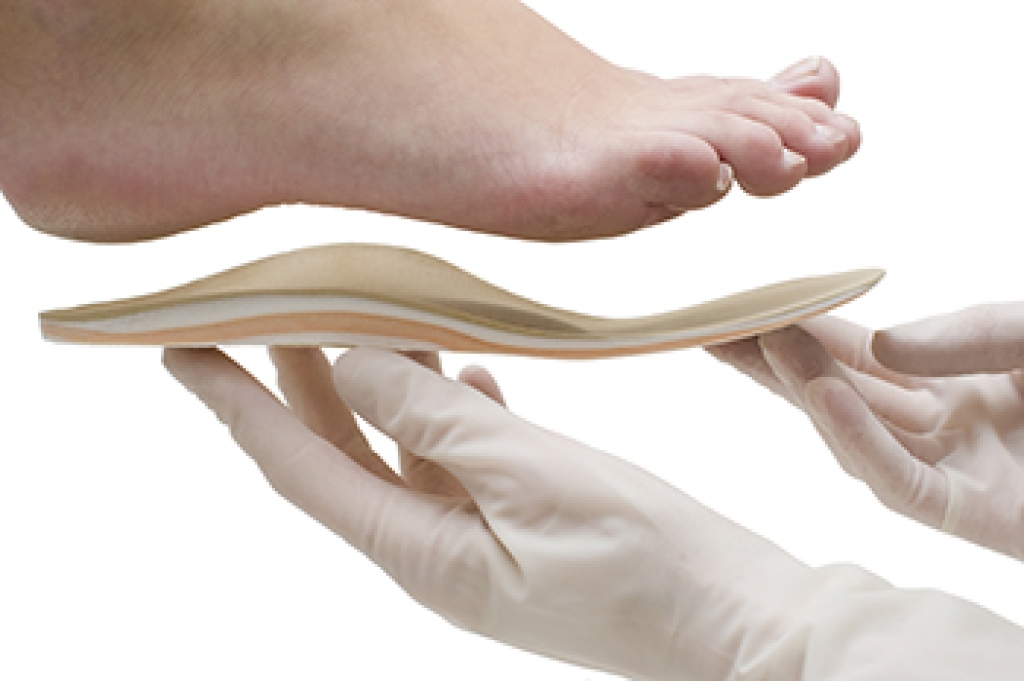
Custom Orthotics Are So Much More Than an Ordinary Insole

Ordinary, over-the-counter insoles should not be confused with custom orthotics. Custom orthotics are prescription medical devices designed specifically to fit your individual feet and address your particular issue. Custom orthotics can help improve your gait, reduce pain, protect your joints, provide support, and enhance your athletic performance. They also can help to prevent injuries and improve alignment in your feet, which affects your entire body. Having custom orthotics made starts with a thorough examination from a podiatrist. They will then analyze your medical history and diagnose the cause of your pain or gait/mobility issue. If they determine that you can benefit from custom orthotics, they will create either a plaster mold or 3D digital scan of your feet from which your custom orthotics will be produced. Make an appointment with a podiatrist to explore whether custom orthotics are a good fit for you.

If you are having discomfort in your feet and would like to try orthotics, contact Kevin Powers, DPM from The Center for Lower Extremity Nerve Surgery. Our doctor can provide the care you need to keep you pain-free and on your feet.

What Are Orthotics?

Orthotics are inserts you can place into your shoes to help with a variety of foot problems such as flat feet or foot pain. Orthotics provide relief and comfort for minor foot and heel pain but can’t correct serious biomechanical problems in your feet.

Over-the-Counter Inserts

Orthotics come in a wide variety of over-the-counter inserts that are used to treat foot pain, heel pain, and minor problems. For example, arch supports can be inserted into your shoes to help correct overarched or flat feet, while gel insoles are often used because they provide comfort and relief from foot and heel pain by alleviating pressure.

Prescription Orthotics

If over-the-counter inserts don’t work for you or if you have a more severe foot concern, it is possible to have your podiatrist prescribe custom orthotics. These high-quality inserts are designed to treat problems such as abnormal motion, plantar fasciitis, and severe forms of heel pain. They can even be used to help patients suffering from diabetes by treating foot ulcers and painful calluses and are usually molded to your feet individually, which allows them to provide full support and comfort.

If you are experiencing minor to severe foot or heel pain, it’s recommended to speak with your podiatrist about the possibilities of using orthotics. A podiatrist can determine which type of orthotic is right for you and allow you to take the first steps towards being pain-free.

If you have any questions, please feel free to contact our offices located in Indianapolis and Bloomington, IN . We offer the newest diagnostic and treatment technologies for all your foot care needs.
Read more about Foot Orthotics

Heel Pain Can Be Treated!

Do you suffer from heel pain when you get up in the morning? If so, you should seek professional help and have a proper diagnosis performed. Heel pain can be caused by several different foot-related conditions.

Causes of Peripheral Neuropathy

When the nerves in the extremities – commonly the feet – are damaged, it results in a condition known as peripheral neuropathy. Symptoms include numbness, tingling and burning pain. It can also affect your balance, coordination, and muscle strength. The numbness makes it difficult to notice sores and cuts on your feet that can develop into ulcers, or even gangrene. In rare cases, neuropathy has no recognizable cause, known as idiopathic neuropathy. But the most common cause of peripheral neuropathy is thought to be diabetes. High levels of blood sugar can damage the blood vessels that supply the nerves. The likelihood of developing this condition further increases with age, alcohol use, and smoking. Other factors that may contribute to peripheral neuropathy include low levels of vitamin B12, trauma to the nerves after surgery, an underactive thyroid gland, and genetics. In addition, certain infections, such as shingles, Lyme’s disease, and HIV may be causes as well. If you have peripheral neuropathy, please make an appointment with a podiatrist for regular examinations of your feet and treatment options.

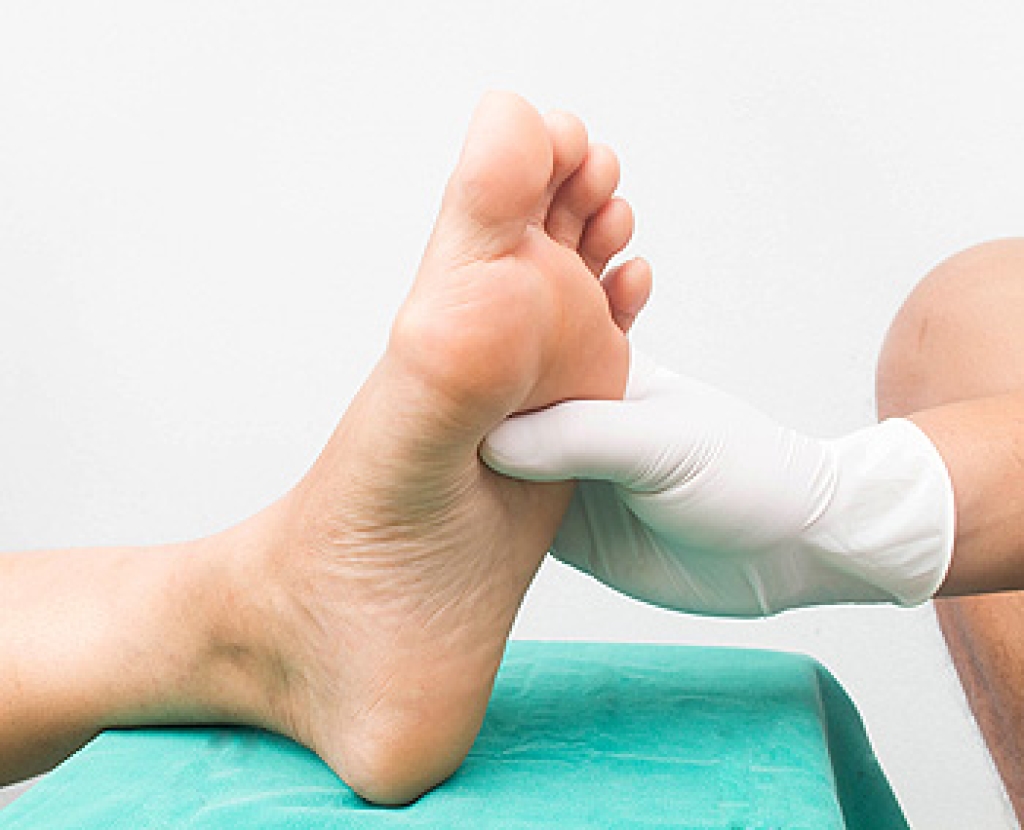
Neuropathy

Neuropathy can be a potentially serious condition, especially if it is left undiagnosed. If you have any concerns that you may be experiencing nerve loss in your feet, consult with Kevin Powers, DPM from The Center for Lower Extremity Nerve Surgery. Our doctor will assess your condition and provide you with quality foot and ankle treatment for neuropathy.

What Is Neuropathy?

Neuropathy is a condition that leads to damage to the nerves in the body. Peripheral neuropathy, or neuropathy that affects your peripheral nervous system, usually occurs in the feet. Neuropathy can be triggered by a number of different causes. Such causes include diabetes, infections, cancers, disorders, and toxic substances.

Symptoms of Neuropathy Include:

  • Numbness
  • Sensation loss
  • Prickling and tingling sensations
  • Throbbing, freezing, burning pains
  • Muscle weakness

Those with diabetes are at serious risk due to being unable to feel an ulcer on their feet. Diabetics usually also suffer from poor blood circulation. This can lead to the wound not healing, infections occurring, and the limb may have to be amputated.

Treatment

To treat neuropathy in the foot, podiatrists will first diagnose the cause of the neuropathy. Figuring out the underlying cause of the neuropathy will allow the podiatrist to prescribe the best treatment, whether it be caused by diabetes, toxic substance exposure, infection, etc. If the nerve has not died, then it’s possible that sensation may be able to return to the foot.

Pain medication may be issued for pain. Electrical nerve stimulation can be used to stimulate nerves. If the neuropathy is caused from pressure on the nerves, then surgery may be necessary.

If you have any questions, please feel free to contact our offices located in Indianapolis and Bloomington, IN . We offer the newest diagnostic and treatment technologies for all your foot care needs.
Read more about Neuropathy

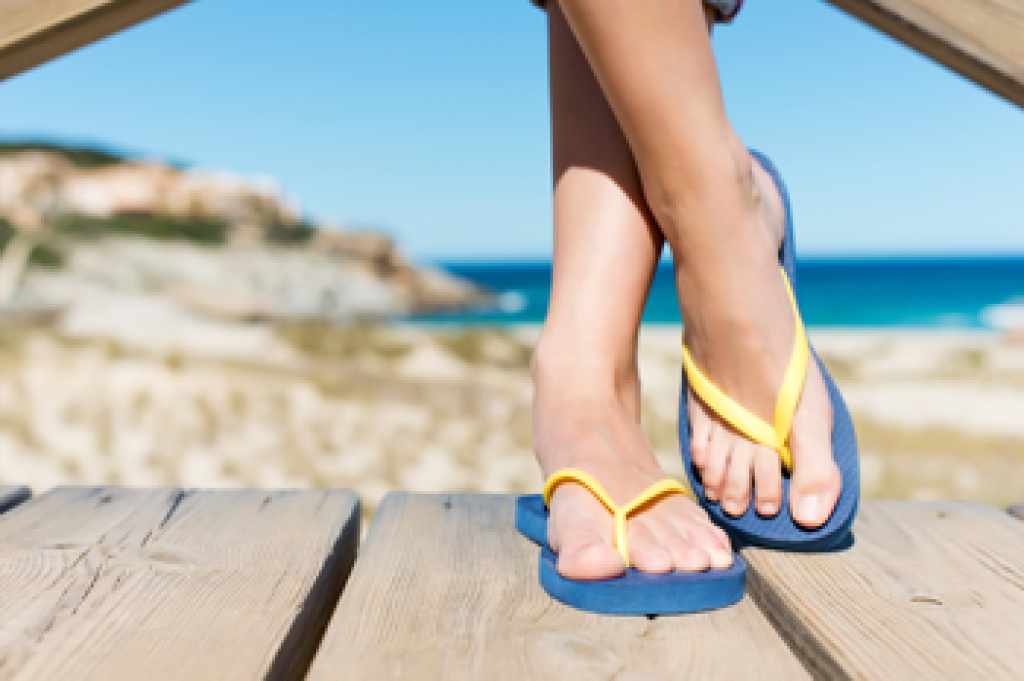
3 Major Problems With Wearing Flip-Flops

There are many reasons people wear flip-flops in the summer. Yes, they are easy to put on, they keep your feet cooler, and they are much more affordable than shoes so you can get them in many colors. But experts believe that wearing flip-flops on a regular basis can generate serious problems for your feet. First, most flip-flops do not provide adequate cushioning for your heels or support for your arches. They also lack the proper stability and may cause your gait to change, which can cause alignment problems in other body parts. Second, flip-flops offer little protection for your feet against injury, insect bites, and stings, or sunburn. Third, wearing flip-flops can leave you vulnerable to fungal infections, as well as other microorganisms that thrive in the water or sand. If you want further information about foot safety in the summertime, it might be wise to consult with a podiatrist for professional guidance. 

Flip-flops can cause a lot of problems for your feet. If you have any concerns about your feet or ankles, contact Kevin Powers, DPM from The Center for Lower Extremity Nerve Surgery. Our doctor will assist you with all of your foot and ankle needs.

Flip-Flops and Feet

Flip-flops have managed to become a summer essential for a lot of people. While the shoes may be stylish and easy to slip on and off, they can be dangerous to those who wear them too often. These shoes might protect you from fungal infections such as athlete’s foot, but they can also give you foot pain and sprained ankles if you trip while wearing them.

When Are They Okay to Wear?

Flip-flops should only be worn for very short periods of time. They can help protect your feet in places that are crawling with fungi, such as gym locker rooms. Athlete’s foot and plantar warts are two common fungi that flip-flops may help protect your feet against.

Why Are They Bad for My Feet?

These shoes do not offer any arch support, so they are not ideal for everyday use. They also do not provide shock absorption or heel cushioning which can be problematic for your feet. Additionally, you may suffer from glass cuts, puncture wounds, and stubbed toes since they offer little protection for your feet.

More Reasons Why They Are Bad for Your Feet

  • They Slow You Down
  • May Cause Blisters and Calluses
  • Expose Your Feet to Bacteria

If you have any questions, please feel free to contact our offices located in Indianapolis and Bloomington, IN . We offer the newest diagnostic and treatment technologies for all your foot care needs.

Read more about Flipping Out About Flip Flops

Volleyball Foot and Ankle Injuries

There is a risk of foot and ankle injury to those who play volleyball because of the repetitive jumping and side-to-side movements required in the sport. Foot injuries can also occur from overuse and under-resting when participating in volleyball. Ankle sprains, tendon injuries, and fractures are the most common injuries sustained from playing volleyball. Foot injuries can recur if not treated in a timely manner and properly healed. Taking proper care of sports injuries is sometimes a conundrum for athletes as they are eager to get back to doing what they love and may not take the necessary time to heal correctly. Chronic foot pain or ankle instability can develop and affect an athlete for a lifetime from improper care. If you or your child plays volleyball, consider seeing a podiatrist who can guide you in proper footwear, form, and exercises to prevent injury or treat an injury incurred.

Ankle and foot injuries are common among athletes and in many sports. They can be caused by several problems and may be potentially serious. If you are feeling pain or think you were injured in a sporting event or when exercising, consult with Kevin Powers, DPM from The Center for Lower Extremity Nerve Surgery. Our doctor will assess your condition and provide you with quality foot and ankle treatment.

Common Injuries

The most common injuries that occur in sporting activities include:

  • Achilles Tendonitis
  • Achilles Tendon Rupture
  • Ankle Sprains
  • Broken Foot
  • Plantar Fasciitis
  • Stress Fractures
  • Turf Toe

Symptoms

Symptoms vary depending upon the injury and in some cases, there may be no symptoms at all. However, in most cases, some form of symptom is experienced. Pain, aching, burning, bruising, tenderness, tightness or stiffness, sensation loss, difficulty moving, and swelling are the most common symptoms.

Treatment

Just as symptoms vary depending upon the injury, so do treatment options. A common treatment method is known as the RICE method. This method involves rest, applying ice, compression and elevating the afflicted foot or ankle. If the injury appears to be more serious, surgery might be required, such as arthroscopic or reconstructive surgery. Lastly, rehabilitation or therapy might be needed to gain full functionality in the afflicted area. Any discomfort experienced by an athlete must be evaluated by a licensed, reputable medical professional.  

If you have any questions please contact our offices located in Indianapolis and Bloomington, IN . We offer the newest diagnostic and treatment technologies for all your foot and ankle needs.

Read more about Sports Related Foot And Ankle Injuries

Running Shoes Can Depend on Your Arch

There are many facets to buying the correct running shoe, and the most important one is how comfortable the fit is. One of the first things to understand is the term pronation, and what it means. It is defined as how the foot rolls from heel to toe as running occurs. Overpronation happens when the inside of the foot rolls too much to the inside, and this can happen if there is little or no arch. When the foot rolls excessively to the outside, this is referred to as underpronation, and can occur with a particularly high arch. It is beneficial to determine what type of arch you have before purchasing a pair of running shoes. This can be done by wetting your feet, and placing them on a paper bag. You will easily see which type of arch you have by performing this test. There are several types of running shoes, including motion control shoes, stability shoes, and neutral cushioning shoes. It is suggested that you consult with a podiatrist who can determine what the best type of running shoe is for you.

You should always make sure your running shoes fit properly in order to avoid injury. For more information, contact Kevin Powers, DPM from The Center for Lower Extremity Nerve Surgery. Our doctor can provide the care you need to keep you pain-free and on your feet.

Choosing the Right Running Shoe for Your Foot Type

Improper shoe sizing can cause a myriad of problems for your feet. Shoes that don’t fit you properly can lead to muscular imbalances in your body, which can result in foot, knee, and hip injuries.

Tips for Finding the Right Running Shoe

  • Make sure you have a thumb’s width of wiggle room between the end of your longest toe and the front of the shoe.
  • There should be little to no slipping at the heel
  • Don’t assume your size in one shoe brand will be your size in another
  • Do not lace up your shoes too tightly
  • Walk around in the store with your new shoes before you buy them

If you have any questions, please feel free to contact our offices located in Indianapolis and Bloomington, IN . We offer the newest diagnostic and treatment technologies for all your foot care needs.

Read more about Choosing the Right Running Shoe

Facts About Athlete’s Foot

Athlete’s foot, also known as tinea pedis, is a common ailment caused by a fungal infection. It typically causes a skin rash characterized by itching, peeling, and cracking of the skin between the toes and on the sole of the foot. Since athlete’s foot is highly contagious, it can easily be spread to other people and other parts of your own body. Walking barefoot in swimming pool locker rooms and gym showers are common ways to obtain it. The fungi then continue to breed in your shoes, which can provide a moist, warm environment where the fungi thrive. Sharing towels or clothing that has been infected is another way it spreads. The three main types of athlete’s foot infections are toe web, moccasin type, and vesicular. Toe web infection usually forms between the toes. Moccasin type infection starts with soreness and spreads to the sole and heel, and in severe cases can infect toenails. Vesicular infection erupts into blisters, usually on the sole of your foot. Treatment of athlete’s foot depends on which type of infection you have developed. Ceasing the spread as soon as possible is essential, therefore, it is a good idea to immediately consult a podiatrist for a diagnosis and treatment plan. 

Athlete’s Foot

Athlete’s foot is often an uncomfortable condition to experience. Thankfully, podiatrists specialize in treating athlete’s foot and offer the best treatment options. If you have any questions about athlete’s foot, consult with Kevin Powers, DPM from The Center for Lower Extremity Nerve Surgery. Our doctor will assess your condition and provide you with quality treatment.

What Is Athlete’s Foot?

Tinea pedis, more commonly known as athlete’s foot, is a non-serious and common fungal infection of the foot. Athlete’s foot is contagious and can be contracted by touching someone who has it or infected surfaces. The most common places contaminated by it are public showers, locker rooms, and swimming pools. Once contracted, it grows on feet that are left inside moist, dark, and warm shoes and socks.

Prevention

The most effective ways to prevent athlete’s foot include:

  • Thoroughly washing and drying feet
  • Avoid going barefoot in locker rooms and public showers
  • Using shower shoes in public showers
  • Wearing socks that allow the feet to breathe
  • Changing socks and shoes frequently if you sweat a lot

Symptoms

Athlete’s foot initially occurs as a rash between the toes. However, if left undiagnosed, it can spread to the sides and bottom of the feet, toenails, and if touched by hand, the hands themselves. Symptoms include:

  • Redness
  • Burning
  • Itching
  • Scaly and peeling skin

Diagnosis and Treatment

Diagnosis is quick and easy. Skin samples will be taken and either viewed under a microscope or sent to a lab for testing. Sometimes, a podiatrist can diagnose it based on simply looking at it. Once confirmed, treatment options include oral and topical antifungal medications.

If you have any questions, please feel free to contact our offices located in Indianapolis and Bloomington, IN . We offer the newest diagnostic and treatment technologies for all your foot care needs.

Read more about Athlete’s Foot

Wounds That Don't Heal Need to Be Checked

Your feet are covered most of the day. If you're diabetic, periodic screening is important for good health. Numbness is often a sign of diabetic foot and can mask a sore or wound.

The Benefits of Weight Loss on the Feet

Patients who are obese may notice their feet have become larger. This can cause foot pain and the added weight the body endures can wear away at the fat pads on the bottom of the feet. People who have lost a significant amount of weight may find their shoes looser, despite the fact that the foot structure remains the same. The feet can reap the rewards when additional weight is lost. It may help to prevent gout, which is a painful foot condition. foot pain and foot inflammation due to circulatory issues may also improve. Additionally, the risk of getting osteoarthritis may be reduced when weight is lost. Minimal pain in the feet may lead to an increase in performing a frequent exercise, which can add strength to the feet. If you would like more information about how losing weight can benefit the feet please consult with a podiatrist who can answer any questions you may have.

The more you weigh, the harder your feet must work to support your body. If you’re an obese individual and are concerned about your feet, contact Kevin Powers, DPM from The Center for Lower Extremity Nerve Surgery. Our doctor can provide the care you need to keep you pain-free and on your feet.

Obesity and Your Feet

People who are overweight are putting more pressure on their ankles, knees, and hips as well as their feet. This unfortunately can lead to variety of different issues.

Problems & Complications Stemming from Obesity

  • When the body is overweight, it tries to compensate by changing the way that it moves. An obese person may lean forward and put extra weight on the wrong part of the foot. This puts unnecessary stress on the feet.
  • Obese people are also more likely to develop type II diabetes which is a condition that causes a lot of foot problems. People with diabetes often don’t feel the cuts and sores that they may have on their feet, which can lead to more complicated and severe issues.
  • Plantar fasciitis is another foot condition that can be caused by obesity. Plantar fasciitis is an inflammation of the tissue along the bottom of the foot, which causes pain and stiffness while walking and climbing stairs.

If you have any questions please contact our offices located in Indianapolis and Bloomington, IN . We offer the newest diagnostic and treatment technologies for all your foot and ankle needs.

Read more about Obesity and the Feet

Foot Conditions That May Come From Wearing High Heels

Many people stopped wearing high heels during last year's lockdown. People who have chosen to resume wearing high heels as more social and workplaces open up may be experiencing foot pain. This may be a result of a shortened Achilles tendon and may take time to adjust when high heels are worn again. There are foot conditions that may develop as a result of frequently wearing high heels, including plantar fasciitis, bunions, and hammertoes. Additionally, ailments consisting of Morton’s neuroma and corns may cause pain from wearing high heels. The good news is that high heels can be worn as desired when the heels that are chosen are not higher than an inch and a half. This can give the appearance that is wanted and the feet can be protected at the same time. If you have questions about how high heels can affect the feet, please feel free to confer with a podiatrist who can address any concerns you may have. 

High heels have a history of causing foot and ankle problems. If you have any concerns about your feet or ankles, contact Kevin Powers, DPM from The Center for Lower Extremity Nerve Surgery. Our doctor can provide the care you need to keep you pain-free and on your feet.

Effects of High Heels on the Feet

High heels are popular shoes among women because of their many styles and societal appeal.  Despite this, high heels can still cause many health problems if worn too frequently.

Which Parts of My Body Will Be Affected by High Heels?

  • Ankle Joints
  • Achilles Tendon – May shorten and stiffen with prolonged wear
  • Balls of the Feet
  • Knees – Heels cause the knees to bend constantly, creating stress on them
  • Back – They decrease the spine’s ability to absorb shock, which may lead to back pain.  The vertebrae of the lower back may compress.

What Kinds of Foot Problems Can Develop from Wearing High Heels?

  • Corns
  • Calluses
  • Hammertoe
  • Bunions
  • Morton’s Neuroma
  • Plantar Fasciitis

How Can I Still Wear High Heels and Maintain Foot Health?

If you want to wear high heeled shoes, make sure that you are not wearing them every day, as this will help prevent long term physical problems.  Try wearing thicker heels as opposed to stilettos to distribute weight more evenly across the feet.  Always make sure you are wearing the proper shoes for the right occasion, such as sneakers for exercising.  If you walk to work, try carrying your heels with you and changing into them once you arrive at work.  Adding inserts to your heels can help cushion your feet and absorb shock. Full foot inserts or metatarsal pads are available. 

If you have any questions, please feel free to contact our offices located in Indianapolis and Bloomington, IN . We offer the newest diagnostic and treatment technologies for all your foot care needs.

Read more about Why High Heels Are Not Ideal for Healthy Feet

Connect With Us