How Hiking Shoes and Boots Differ

Hiking boots and hiking shoes differ in ways that directly affect foot support, comfort, and protection on the trail. Hiking shoes are typically low-cut and lightweight. They offer flexibility and breathability for shorter hikes on even terrain. Their soles provide moderate traction and cushioning, making them a practical choice for day hikes in warm, dry weather. In contrast, hiking boots are built for rugged trails and extended treks. They have a higher cut to support the ankles, deeper tread for grip on uneven ground, and reinforced materials that shield the foot from impact. The midsoles of hiking boots are denser and more structured, which .helps reduce fatigue and improve control. A podiatrist can assess your gait, arch type, and injury history to recommend the best shoe option for your needs. If you are experiencing foot pain after hiking, it is suggested that you schedule an appointment with a podiatrist for a diagnosis and guidance on appropriate footwear.

Ankle and foot injuries are common among athletes and in many sports. They can be caused by several problems and may be potentially serious. If you are feeling pain or think you were injured in a sporting event or when exercising, consult with Kevin Powers, DPM from The Center for Lower Extremity Nerve Surgery. Our doctor will assess your condition and provide you with quality foot and ankle treatment.

Common Injuries

The most common injuries that occur in sporting activities include:

  • Achilles Tendonitis
  • Achilles Tendon Rupture
  • Ankle Sprains
  • Broken Foot
  • Plantar Fasciitis
  • Stress Fractures
  • Turf Toe

Symptoms

Symptoms vary depending upon the injury and in some cases, there may be no symptoms at all. However, in most cases, some form of symptom is experienced. Pain, aching, burning, bruising, tenderness, tightness or stiffness, sensation loss, difficulty moving, and swelling are the most common symptoms.

Treatment

Just as symptoms vary depending upon the injury, so do treatment options. A common treatment method is known as the RICE method. This method involves rest, applying ice, compression and elevating the afflicted foot or ankle. If the injury appears to be more serious, surgery might be required, such as arthroscopic or reconstructive surgery. Lastly, rehabilitation or therapy might be needed to gain full functionality in the afflicted area. Any discomfort experienced by an athlete must be evaluated by a licensed, reputable medical professional.  

If you have any questions please contact our offices located in Indianapolis and Bloomington, IN . We offer the newest diagnostic and treatment technologies for all your foot and ankle needs.


Read more about Sports Related Foot And Ankle Injuries

Simple Ways to Ease Plantar Fasciitis Through Movement

Plantar fasciitis occurs when the thick band of tissue along the bottom of the foot becomes irritated, often causing heel pain. Stretching and strengthening can play an important role in easing the discomfort caused by plantar fasciitis. One helpful stretch involves gently pulling the toes toward the shin while seated, which helps loosen the band of tissue along the sole. Rolling the foot slowly over a firm object, such as a frozen water bottle or massage ball, may also reduce tightness. Calf stretches done against a wall can help relieve pressure on the heel by improving flexibility in the lower leg. In addition to stretching, strengthening the small muscles of the foot with towel scrunches or toe raises may provide better support. These exercises are most effective when done regularly and combined with wearing supportive footwear. Plantar fasciitis can cause extreme pain and discomfort, making it difficult to complete daily tasks. If you have heel pain, it is suggested that you see a podiatrist who can provide effective relief and treatment solutions for plantar fasciitis.

Plantar fasciitis can be very painful and inconvenient. If you are experiencing heel pain or symptoms of plantar fasciitis, contact Kevin Powers, DPM  from The Center for Lower Extremity Nerve Surgery. Our doctor can provide the care you need to keep you pain-free and on your feet.

What Is Plantar Fasciitis?

Plantar fasciitis is the inflammation of the thick band of tissue that runs along the bottom of your foot, known as the plantar fascia, and causes mild to severe heel pain.

What Causes Plantar Fasciitis?

  • Excessive running
  • Non-supportive shoes
  • Overpronation
  • Repeated stretching and tearing of the plantar fascia

How Can It Be Treated?

  • Conservative measures – anti-inflammatories, ice packs, stretching exercises, physical therapy, orthotic devices
  • Shockwave therapy – sound waves are sent to the affected area to facilitate healing and are usually used for chronic cases of plantar fasciitis
  • Surgery – usually only used as a last resort when all else fails. The plantar fascia can be surgically detached from the heel

While very treatable, plantar fasciitis is definitely not something that should be ignored. Especially in severe cases, speaking to your doctor right away is highly recommended to avoid complications and severe heel pain. Your podiatrist can work with you to provide the appropriate treatment options tailored to your condition.

If you have any questions, please feel free to contact our offices located in Indianapolis and Bloomington, IN . We offer the newest diagnostic and treatment technologies for all your foot care needs.

Read more about Plantar Fasciitis

What to Know About Tarsal Tunnel Syndrome

Tarsal tunnel syndrome is caused by compression of the posterior tibial nerve as it passes through the tarsal tunnel on the inner side of the ankle. This pressure can lead to tingling, burning, numbness, or shooting pain in the foot or ankle. Causes include flat feet, injury, swelling, or underlying conditions like diabetes or arthritis. Risk factors include repetitive stress, improper footwear, and prolonged standing. A podiatrist can diagnose this condition using physical exams and imaging, then provide treatment options, such as orthotics or medication. If you notice ongoing foot pain or numbness, it is suggested that you consult a podiatrist who can accurately diagnose and treat tarsal tunnel syndrome. 

Tarsal tunnel syndrome can be very uncomfortable to live with. If you are experiencing tarsal tunnel syndrome, contact Kevin Powers, DPM of The Center for Lower Extremity Nerve Surgery. Our doctor can provide the care you need to keep you pain-free and on your feet.

Tarsal Tunnel Syndrome

Tarsal tunnel syndrome, which can also be called tibial nerve dysfunction, is an uncommon condition of misfiring peripheral nerves in the foot. The tibial nerve is the peripheral nerve in the leg responsible for sensation and movement of the foot and calf muscles. In tarsal tunnel syndrome, the tibial nerve is damaged, causing problems with movement and feeling in the foot of the affected leg.

Common Cause of Tarsal Tunnel Syndrome

  • Involves pressure or an injury, direct pressure on the tibial nerve for an extended period of time, sometimes caused by other body structures close by or near the knee.
  • Diseases that damage nerves, including diabetes, may cause tarsal tunnel syndrome.
  • At times, tarsal tunnel syndrome can appear without an obvious cause in some cases.

The Effects of Tarsal Tunnel Syndrome

  • Different sensations, an afflicted person may experience pain, tingling, burning or other unusual sensations in the foot of the affected leg.
  • The foot muscles, toes and ankle become weaker, and curling your toes or flexing your foot can become difficult.
  • If condition worsens, infections and ulcers may develop on the foot that is experiencing the syndrome.

A physical exam of the leg can help identify the presence of tarsal tunnel syndrome. Medical tests, such as a nerve biopsy, are also used to diagnose the condition. Patients may receive physical therapy and prescriptive medication. In extreme cases, some may require surgery.

If you have any questions please contact our offices located in Indianapolis and Bloomington, IN . We offer the newest diagnostic and treatment technologies for all your foot and ankle needs.

Read more about Tarsal Tunnel Syndrome

Are You Suffering From Nerve Damage?

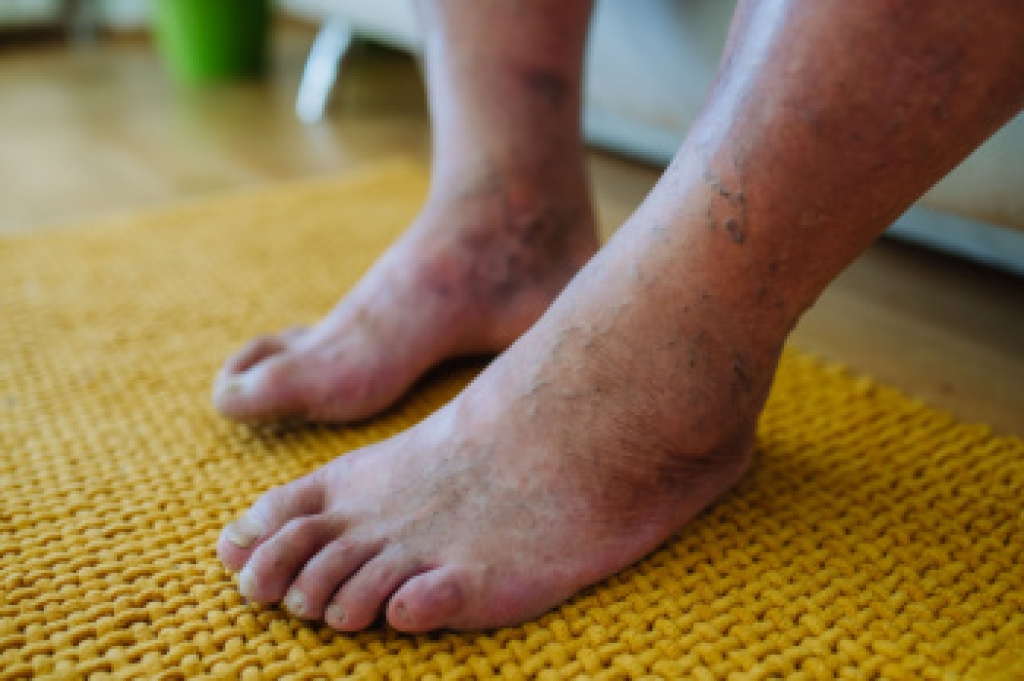
Neuropathy is a condition that can lead to numbness or loss of sensation in the feet, but it can also cause pain. This condition is more likely to develop for those who are diabetic, obese, or with high blood pressure.

Protecting Your Feet from Diabetic Complications

Diabetes can cause nerve damage, known as neuropathy, and poor circulation, leading to decreased sensation and slower healing in the feet. This makes it easier to develop unnoticed cuts, blisters, or infections, which can worsen without proper care. Symptoms include numbness, tingling, burning sensations, dry or cracked skin, swelling, and slow-healing wounds. Feet may appear discolored, swollen, or have ulcers, which can be painless due to nerve damage, but are at high risk for infection. A podiatrist can diagnose diabetic foot problems with a thorough foot exam, assessing circulation and nerve function. Treatment focuses on preventing complications through regular foot care, wound management, custom orthotics, and education on proper hygiene and footwear.  If you have diabetes, it is suggested that you schedule regular appointments with a podiatrist for ongoing care.

Diabetic foot care is important in preventing foot ailments such as ulcers. If you are suffering from diabetes or have any other concerns about your feet, contact Kevin Powers, DPM from The Center for Lower Extremity Nerve Surgery. Our doctor can provide the care you need to keep you pain-free and on your feet.

Diabetic Foot Care

Diabetes affects millions of people every year. The condition can damage blood vessels in many parts of the body, especially the feet. Because of this, taking care of your feet is essential if you have diabetes, and having a podiatrist help monitor your foot health is highly recommended.

The Importance of Caring for Your Feet

  • Routinely inspect your feet for bruises or sores.
  • Wear socks that fit your feet comfortably.
  • Wear comfortable shoes that provide adequate support.

Patients with diabetes should have their doctor monitor their blood levels, as blood sugar levels play such a huge role in diabetic care. Monitoring these levels on a regular basis is highly advised.

It is always best to inform your healthcare professional of any concerns you may have regarding your feet, especially for diabetic patients. Early treatment and routine foot examinations are keys to maintaining proper health, especially because severe complications can arise if proper treatment is not applied.

If you have any questions, please feel free to contact our offices located in Indianapolis and Bloomington, IN . We offer the newest diagnostic and treatment technologies for all your foot care needs.

Read more about Diabetic Foot Conditions

Trail Shoes Versus Running Shoes

Understanding the differences between trail and running shoes is essential for foot health and performance. Trail shoes are designed for rugged terrain. They typically feature rubber outsoles for improved traction, stiffer midsoles for added support, and durable uppers that help keep out debris while providing extra grip. In contrast, traditional running shoes are ideal for paved surfaces. They offer a lightweight design, enhanced cushioning for shock absorption, and breathable materials to keep feet cool. Each shoe type serves a specific purpose, and wearing the wrong shoe can lead to discomfort or injury. A podiatrist can evaluate your foot structure, activity level, and gait to recommend the most appropriate footwear. If you have foot or ankle pain from wearing the wrong type of shoes, it is suggested that you visit a podiatrist. This type of doctor can treat various foot conditions, while ensuring your shoes support your movement.

You should always make sure your running shoes fit properly in order to avoid injury. For more information, contact Kevin Powers, DPM from The Center for Lower Extremity Nerve Surgery. Our doctor can provide the care you need to keep you pain-free and on your feet.

Choosing the Right Running Shoe for Your Foot Type

Improper shoe sizing can cause a myriad of problems for your feet. Shoes that don’t fit you properly can lead to muscular imbalances in your body, which can result in foot, knee, and hip injuries.

Tips for Finding the Right Running Shoe

  • Make sure you have a thumb’s width of wiggle room between the end of your longest toe and the front of the shoe.
  • There should be little to no slipping at the heel
  • Don’t assume your size in one shoe brand will be your size in another
  • Do not lace up your shoes too tightly
  • Walk around in the store with your new shoes before you buy them

If you have any questions, please feel free to contact our offices located in Indianapolis and Bloomington, IN . We offer the newest diagnostic and treatment technologies for all your foot care needs.

Read more about Differences between Walking and Running Shoes

Understanding Athlete's Foot

Athlete's foot is a fungal infection that affects the skin on the feet, often between the toes. There are three main types of athlete's foot infections. Interdigital occurs between the toes, moccasin forms on the soles and sides of the feet, and vesicular includes blister-like lesions. Athlete’s foot is caused by a fungus that thrives in warm, moist environments, such as sweaty shoes or communal shower areas. Symptoms include itching, burning, redness, and cracking of the skin. In some cases, blisters may form, and the skin can become thick and flaky. The infection is contagious and can spread to other areas of the body or to other people. A podiatrist can diagnose athlete's foot through a physical exam and may take a skin sample to confirm the presence of fungus. Treatment typically involves antifungal creams, powders, or oral medication, along with advice on proper foot hygiene and footwear. If you have this condition, it is suggested that you schedule an appointment with a podiatrist for effective treatment and prevention strategies.

Athlete’s Foot

Athlete’s foot is often an uncomfortable condition to experience. Thankfully, podiatrists specialize in treating athlete’s foot and offer the best treatment options. If you have any questions about athlete’s foot, consult with Kevin Powers, DPM from The Center for Lower Extremity Nerve Surgery. Our doctor will assess your condition and provide you with quality treatment.

What Is Athlete’s Foot?

Tinea pedis, more commonly known as athlete’s foot, is a non-serious and common fungal infection of the foot. Athlete’s foot is contagious and can be contracted by touching someone who has it or infected surfaces. The most common places contaminated by it are public showers, locker rooms, and swimming pools. Once contracted, it grows on feet that are left inside moist, dark, and warm shoes and socks.

Prevention

The most effective ways to prevent athlete’s foot include:

  • Thoroughly washing and drying feet
  • Avoid going barefoot in locker rooms and public showers
  • Using shower shoes in public showers
  • Wearing socks that allow the feet to breathe
  • Changing socks and shoes frequently if you sweat a lot

Symptoms

Athlete’s foot initially occurs as a rash between the toes. However, if left undiagnosed, it can spread to the sides and bottom of the feet, toenails, and if touched by hand, the hands themselves. Symptoms include:

  • Redness
  • Burning
  • Itching
  • Scaly and peeling skin

Diagnosis and Treatment

Diagnosis is quick and easy. Skin samples will be taken and either viewed under a microscope or sent to a lab for testing. Sometimes, a podiatrist can diagnose it based on simply looking at it. Once confirmed, treatment options include oral and topical antifungal medications.

If you have any questions, please feel free to contact our offices located in Indianapolis and Bloomington, IN . We offer the newest diagnostic and treatment technologies for all your foot care needs.

Read more about Athlete’s Foot

Achilles Tendon Injuries in Children and Teens

Although Achilles tendon injuries are more common in adults, they can also affect active children and teenagers. This strong tendon connects the calf muscles to the heel and helps with walking, running, and jumping. Injuries may occur from overuse, a sudden increase in activity, or wearing unsupportive footwear. Children may complain of pain or tightness at the back of the heel, especially after sports. Swelling or tenderness along the tendon may also appear. Ignoring early symptoms can lead to more serious problems. Because children’s bones and tendons are still developing, proper care is important. If your child has pain at the back of the heel that does not improve, it is suggested that you see a podiatrist for evaluation and appropriate care plan.

Achilles tendon injuries need immediate attention to avoid future complications. If you have any concerns, contact Kevin Powers, DPM of The Center for Lower Extremity Nerve Surgery. Our doctor can provide the care you need to keep you pain-free and on your feet.

What Is the Achilles Tendon?

The Achilles tendon is a tendon that connects the lower leg muscles and calf to the heel of the foot. It is the strongest tendon in the human body and is essential for making movement possible. Because this tendon is such an integral part of the body, any injuries to it can create immense difficulties and should immediately be presented to a doctor.

What Are the Symptoms of an Achilles Tendon Injury?

There are various types of injuries that can affect the Achilles tendon. The two most common injuries are Achilles tendinitis and ruptures of the tendon.

Achilles Tendinitis Symptoms

  • Inflammation
  • Dull to severe pain
  • Increased blood flow to the tendon
  • Thickening of the tendon

Rupture Symptoms

  • Extreme pain and swelling in the foot
  • Total immobility

Treatment and Prevention

Achilles tendon injuries are diagnosed by a thorough physical evaluation, which can include an MRI. Treatment involves rest, physical therapy, and in some cases, surgery. However, various preventative measures can be taken to avoid these injuries, such as:

  • Thorough stretching of the tendon before and after exercise
  • Strengthening exercises like calf raises, squats, leg curls, leg extensions, leg raises, lunges, and leg presses

If you have any questions please feel free to contact our offices located in Indianapolis and Bloomington, IN . We offer the newest diagnostic tools and technology to treat your foot and ankle needs.

Read more about The Causes, Types, and Treatments of Achilles Tendon Injuries

The Link Between MS and Plantar Fasciitis

Multiple sclerosis, or MS, is a neurological condition that can indirectly contribute to foot problems like plantar fasciitis. MS often causes muscle weakness, changes in gait, and altered foot mechanics, which may place abnormal stress on the plantar fascia, a thick band of tissue that supports the arch of the foot. Over time, this stress can lead to inflammation and pain. Plantar fasciitis typically causes a sharp, stabbing pain in the heel, especially with the first steps in the morning or after periods of rest. The bottom of the foot may feel tight, sore, or swollen, making walking uncomfortable. A podiatrist can help manage plantar fasciitis in patients with MS by addressing biomechanical issues, recommending supportive footwear, and creating custom orthotics. Treatment may also include stretching exercises, anti-inflammatory medication, and, in some cases, advanced options like corticosteroid injections. If you are experiencing symptoms of plantar fasciitis, it is suggested that you schedule an appointment with a podiatrist for appropriate treatment.

Plantar fasciitis is a common foot condition that is often caused by a strain injury. If you are experiencing heel pain or symptoms of plantar fasciitis, contact Kevin Powers, DPM from The Center for Lower Extremity Nerve Surgery. Our doctor can provide the care you need to keep you pain-free and on your feet.

What Is Plantar Fasciitis?

Plantar fasciitis is one of the most common causes of heel pain. The plantar fascia is a ligament that connects your heel to the front of your foot. When this ligament becomes inflamed, plantar fasciitis is the result. If you have plantar fasciitis you will have a stabbing pain that usually occurs with your first steps in the morning. As the day progresses and you walk around more, this pain will start to disappear, but it will return after long periods of standing or sitting.

What Causes Plantar Fasciitis?

  • Excessive running
  • Having high arches in your feet
  • Other foot issues such as flat feet
  • Pregnancy (due to the sudden weight gain)
  • Being on your feet very often

There are some risk factors that may make you more likely to develop plantar fasciitis compared to others. The condition most commonly affects adults between the ages of 40 and 60. It also tends to affect people who are obese because the extra pounds result in extra stress being placed on the plantar fascia.

Prevention

  • Take good care of your feet – Wear shoes that have good arch support and heel cushioning.
  • Maintain a healthy weight
  • If you are a runner, alternate running with other sports that won’t cause heel pain

There are a variety of treatment options available for plantar fasciitis along with the pain that accompanies it. Additionally, physical therapy is a very important component in the treatment process. It is important that you meet with your podiatrist to determine which treatment option is best for you.

If you have any questions, please feel free to contact our offices located in Indianapolis and Bloomington, IN . We offer the newest diagnostic and treatment technologies for all your foot care needs.


Read more about Plantar Fasciitis

Connect With Us